Hepper is reader-supported. When you buy via links on our site, we may earn an affiliate commission at no cost to you. Learn more.
Irish Mastiff (Irish Wolfhound & Mastiff Mix): Info, Pictures, Facts, Traits
Breed Overview
Height:
Weight:
Lifespan:
Colors:
Suitable for:
Temperament:
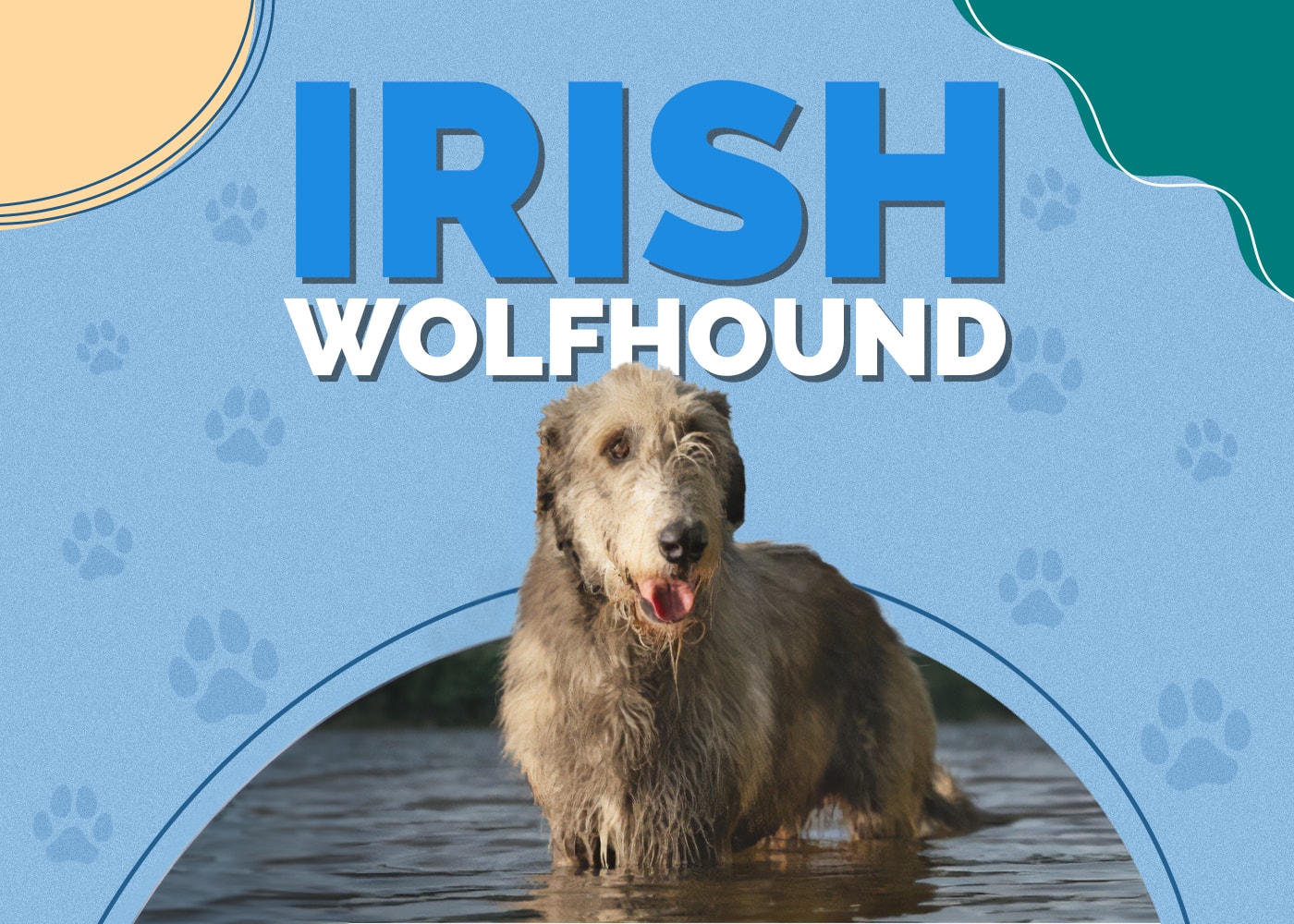
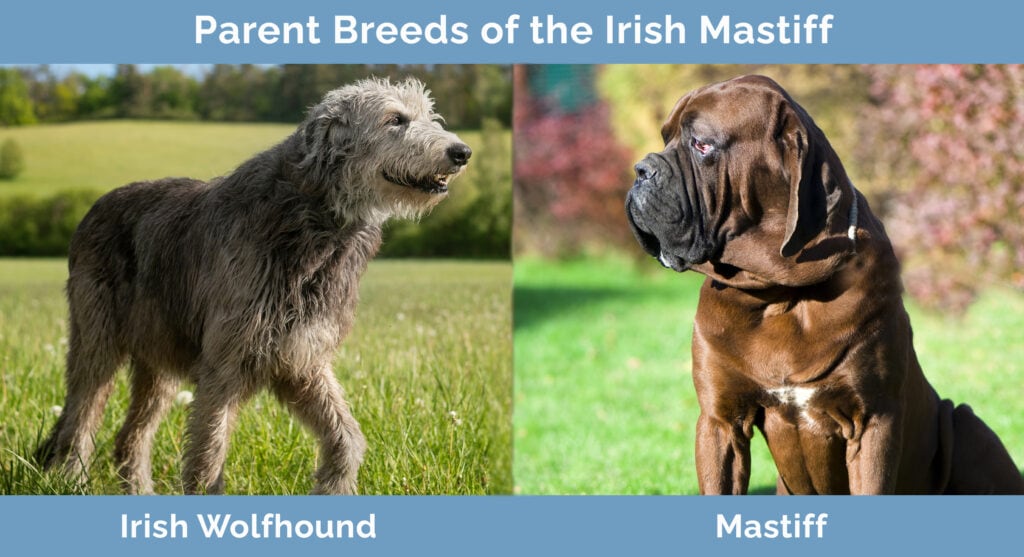
Irish Wolfhounds and English Mastiffs are two of the biggest dog breeds in the world, as they both regularly weigh more than 100 pounds and can look an adult human in the eye when standing on their hind legs.
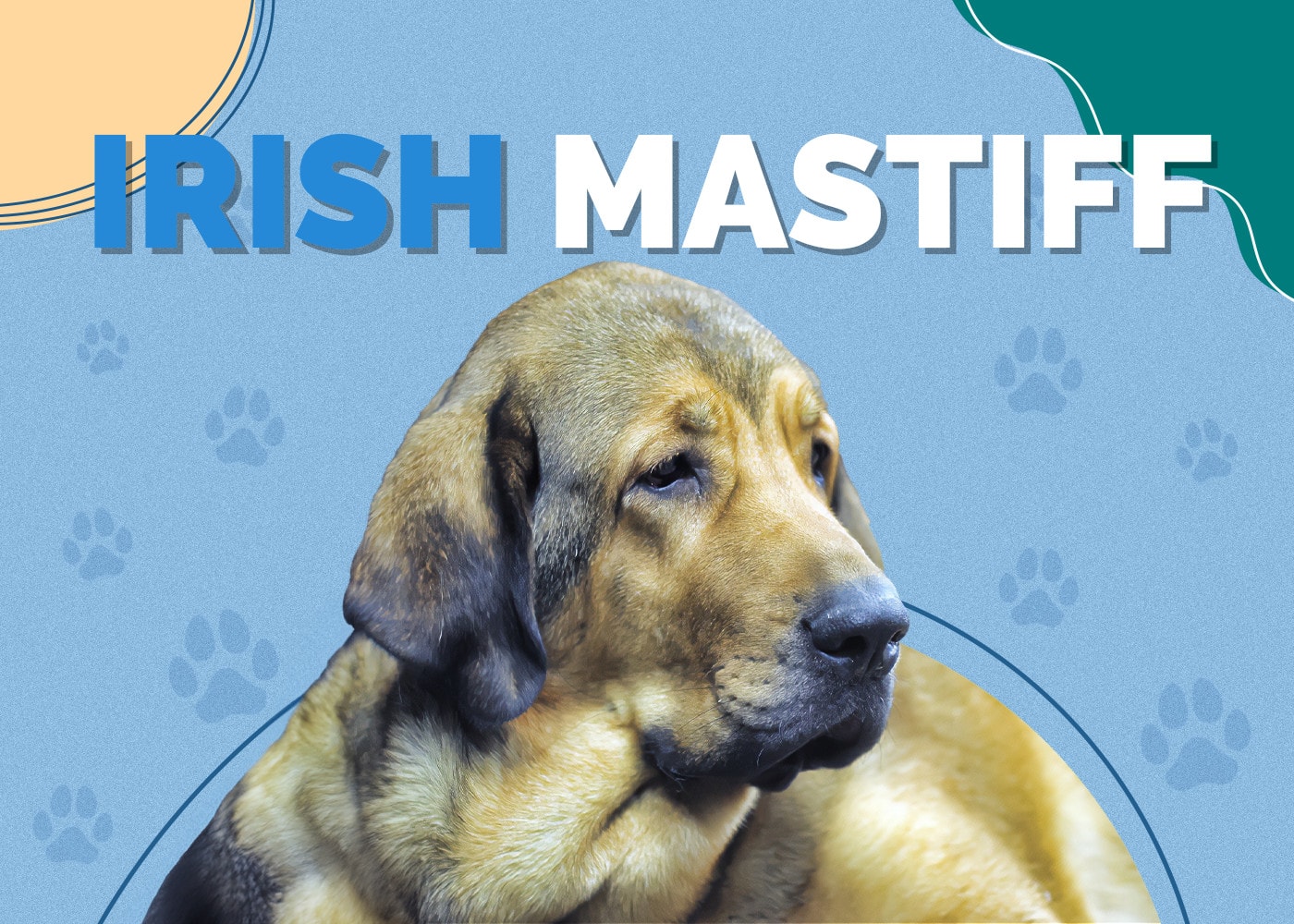
So, it was only a matter of time before crossed the two breeds to create the Irish Mastiff. These dogs are both long and tall, and they have no qualms about taking up the entire couch when you’re trying to relax. While their gigantic stature certainly makes them intimidating, these are extremely sweet, gentle dogs, and they’re laidback enough to adapt to apartment living.
Although these mutts are practically big enough to be seen from the space shuttle, they’re fairly rare, so you may never have encountered one before. If you’d like to learn more about these fantastic animals, the guide below will tell you everything you need to know.

Irish Mastiff Puppies
Irish Mastiff Characteristics
An Irish Mastiff puppy is bigger than many full-grown dogs, so these mutts start larger than life and just keep growing from there. Little Irish Mastiffs are cute and incredibly clumsy, as it takes them quite a while to figure out just how their long legs work (a skill they never fully master, to be honest).
Even though they seem like they could squash a grizzly bear, Irish Mastiffs are incredibly gentle and easygoing. They’re still great guard dogs, of course, because no one is going to want to tangle with a giant pooch, but they’re also fantastic around small children.
They’re also relatively low-energy, making them equally suitable for apartment dwellers as they are for homeowners. Don’t discount them just because they’re big, as there are many small dogs with much higher energy levels who need a giant yard.
3 Little-Known Facts About the Irish Mastiff
1. Irish Mastiffs Need a Wide Berth
You never realize just how many picture frames, curios, and other breakable objects you have lying around until there’s a giant dog tail ready to knock every single one of them to the ground.
Irish Mastiffs don’t have a mean-spirited bone in their bodies, but that doesn’t mean they can’t be destructive by accident. If you have cramped living spaces, expect these dogs to rearrange your decorations every time they get happy.
You don’t necessarily need a mansion and a lavish yard to own one of these pups, but you do need to have enough room for them to maneuver comfortably.
2. Their Appearance Can Vary Wildly From Dog to Dog
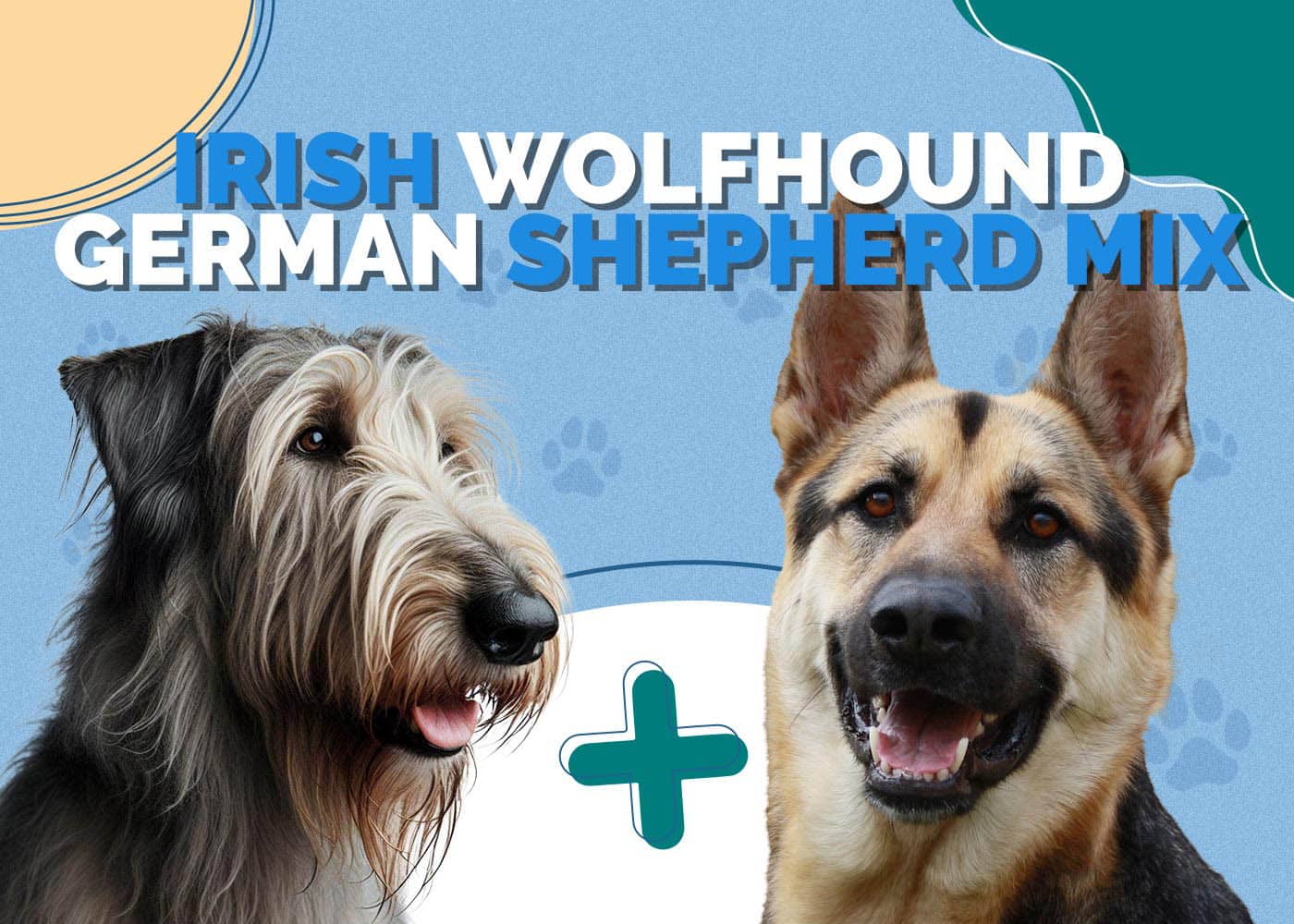
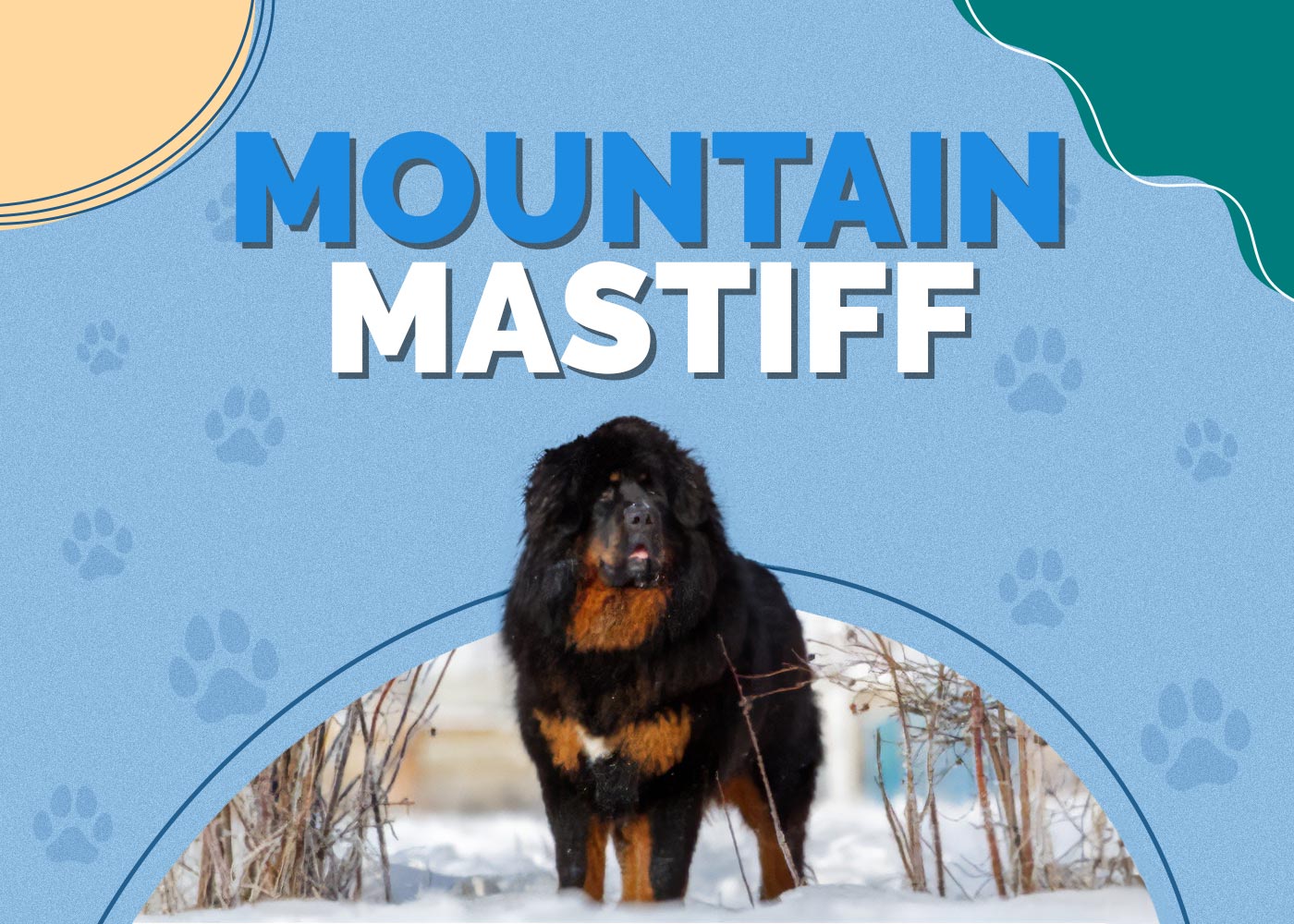
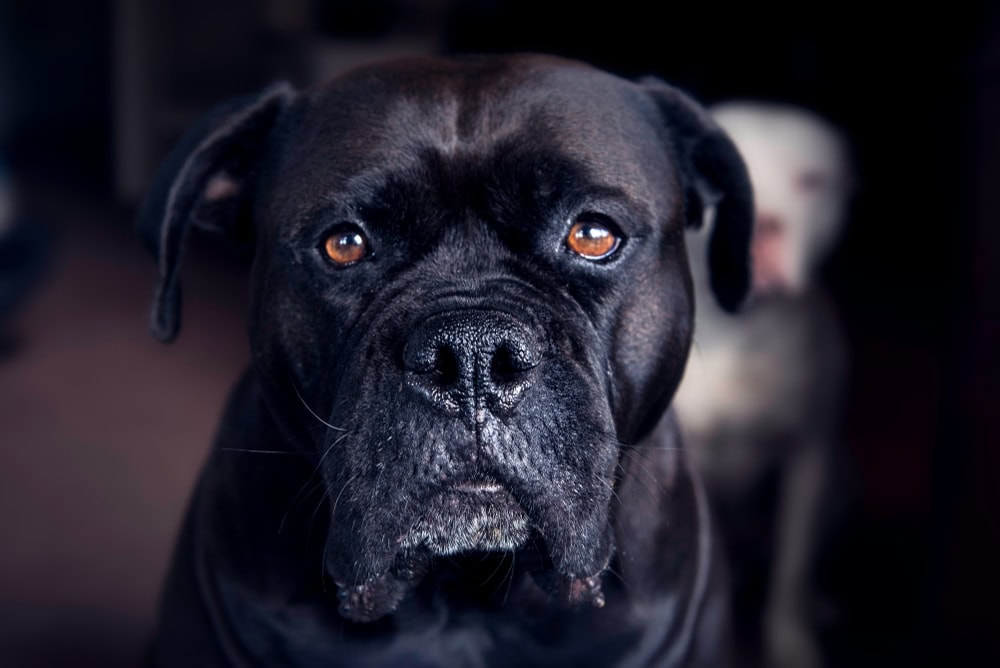
Some dogs have the fuzzy, shaggy appearance of an Irish Wolfhound, whereas others have the short, bristly coat of the Mastiff. Some have the trademark Mastiff wrinkles on their face, while others do not.
It all depends on which parent breed they take after more, and it varies from dog to dog. Since this is a new breed, there aren’t established bloodlines you can look at to get an idea of what the puppies will look like down the line.
The good news is that regardless of which parent they favor, these dogs tend to be adorable.
3. Irish Mastiffs Believe That They’re the Smallest Dogs in the World
If you spend any time around these dogs, you’ll discover that they love being close to you, like in your lap, if possible.
If the prospect of a 100-pound dog curling up in your lap sounds daunting, don’t tell the Irish Mastiff. They believe that they’re small enough to fit right next to you, regardless of how much space is actually available.
Temperament & Intelligence of the Irish Mastiff
If you’re looking for a little canine genius, get an Aussiedoodle, not an Irish Mastiff. They’re smart enough to take to training well and can figure out most things for themselves, but they’re not so smart that it is a full-time job trying to stay a step ahead of them.
That ties into their general temperament, which is laidback and relaxed. These dogs don’t need constant stimulation, and they’re happy to just laze around the house with you all day. While you shouldn’t leave food sitting out on the table, they won’t spend all day scheming to get the cookies off the top of the fridge either.
This makes them excellent pets for people who want a companion more than a workout buddy. They do need exercise, but tuckering them out won’t be a part-time job.
That being said, you shouldn’t leave them alone all day, or there’s the chance they’ll turn destructive. They don’t necessarily need to be doing anything with you, but they do want to be with you, so don’t deprive them of your presence any more than is absolutely necessary.
Are These Dogs Good for Families?
There are two ways to answer this question.
The first answer is a definite yes. These dogs are extremely loving and gentle, and there’s little risk of aggression with this breed. They’re absolutely fantastic around kids.
The other answer is: sure, but be careful. These dogs can get exuberant when they’re playing, and when they get excited, they don’t always have the best awareness of their surroundings. It’s not out of the question that your small child could get knocked over at full speed by a giant dog who never even saw them.
Ultimately, these dogs are seldom dangerous on purpose, but you do have to be careful with them, especially when they’re excited. It should also go without saying that they should be trained to never jump on anyone.
Does This Breed Get Along With Other Pets?
Irish Mastiffs generally aren’t thrilled to be around other dogs, but they can grow to love them if they’re properly socialized. They prefer the company of humans, but they’ll take another dog in a pinch. Even if they accept the other dog, there’s always the chance that they could hurt them accidentally during a vigorous play session.
Cats and other small creatures are a different story. Irish Wolfhounds have a high prey drive, and this often gets passed on to Irish Mastiffs as well. The sight of a small creature darting past them may be more than they can bear, and that could lead to disaster, especially since it’s nearly impossible to stop these dogs from doing something if they’ve set their minds to it.
This isn’t a hard-and-fast rule, however, as it largely depends on which parent breed the dog takes after more (Mastiffs tend to be much more accepting of small animals). You shouldn’t just assume that the dog will get along with your cat, though, as there’s no way to be sure ahead of time.

Things to Know When Owning an Irish Mastiff
As we’ve already seen, buying an Irish Mastiff puppy is pricey, and things just keep getting more expensive from there. If you’re considering bringing one of these big lugs home with you, there are a few things you should know about them first:
Food & Diet Requirements
These dogs will eat you out of house and home. They’re huge, and it takes a large amount of food to maintain their giant bodies.
That’s not to say that you should feed them all they want, however. These dogs can be prone to obesity, which is terrible for them (especially since they often suffer from joint problems). As a result, you should feed them a healthy, high-protein kibble and be strict with the portion control. Allowing them to free-feed is a recipe for disaster, so pick the bowl up when they’re done.
They will go through at least a bag of food a month, and that’s on the low end. If you want them to live as long as possible, you’ll want to feed them a premium kibble, so keeping their tanks topped off is expensive indeed.
They’re usually highly food-motivated, so you might be tempted to reward them with treats during training. Be careful with that, though, and try to limit the number of cookies they get. If possible, substitute high-calorie treats with healthy snacks like apples or broccoli.
Exercise
Exercise is extremely important for Irish Mastiffs, especially since they won’t necessarily demand it the way that many higher-energy dogs do. It’s easy to skip physical activity, as they’re totally content binging Netflix on the couch with you.
Luckily, it doesn’t take much to give them all the stimulation they need. Aim for at least a half hour of moderately strenuous activity. Long walks are good for this, as are training sessions. The breed also does well with strength training, such as drafting or carting competitions.
Don’t overdo it, though. They can get injured easily because they’re naturally putting a great deal of strain on their skeletal system.
Also, be aware of your surroundings when training them. They aren’t the most coordinated animals, so slippery surfaces are their primary nemesis. Take it slow when walking on wet or icy surfaces. They won’t necessarily spot holes or other obstacles in their way, either, and taking a wrong step is a great way for them to saddle you with the bill for knee-replacement surgery.
Mental stimulation is also important. Irish Wolfhounds are tracking dogs, and that trait has been passed down to Irish Mastiffs, so hiding a few treats around the house and letting them sniff them out is fantastic for taxing their noodles.
Training
Irish Mastiffs need a fair amount of training, not because they’re prone to misbehaving, but rather because it is so easy for their misbehavior to turn disastrous through no real fault of their own.
When most dogs jump up on you, it is annoying, but these pups can seriously hurt someone. They’re also impossible to control if they’re being disobedient, so it is in your best interests to ensure that they behave politely.
They take well to training, especially when there’s food involved. They’re not necessarily going to grasp every concept in a few seconds the way that some super-intelligent breeds do, but they’re happy to spend the extra time learning.
Socialization is absolutely critical, so introduce them to new people, places, and pets early and often.
Grooming ✂️
Irish Mastiffs have short coats that don’t require a ton of maintenance, but you should still run a slicker brush through their hair every week or so. This helps minimize shedding while also redistributing essential oils.
Regular teeth brushing and nail trimming is important, as is keeping their ears clean. Do each of those things weekly or as needed.
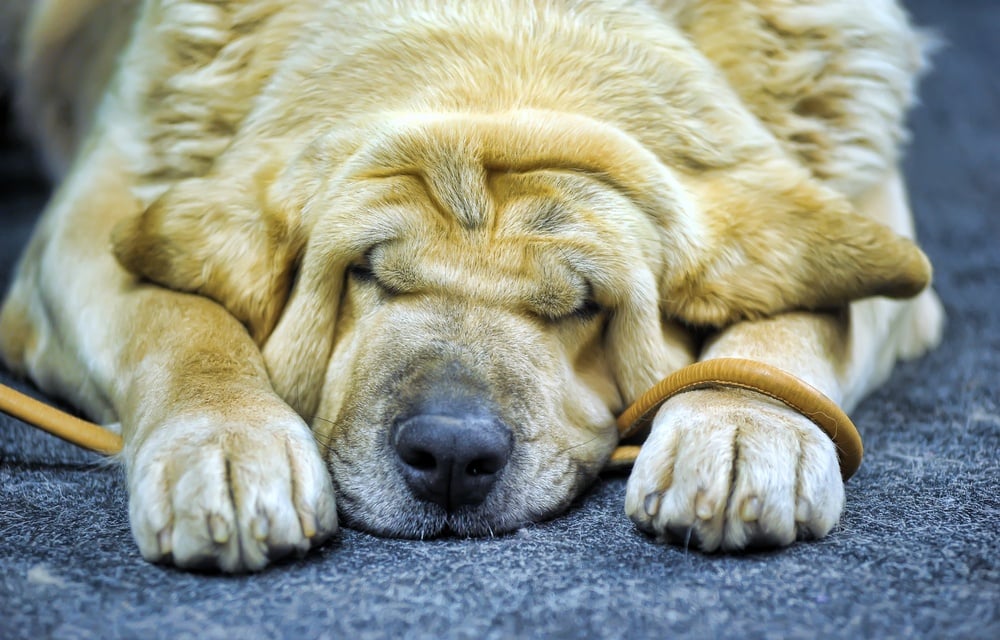
If your pooch takes more after a Mastiff than a Wolfhound, you’ll need to clean out the wrinkles on their face regularly. This keeps bacteria from building up and infections from forming, so do it every week or so. It also makes their faces smell better, which is no small bonus.
Health and Conditions ❤️
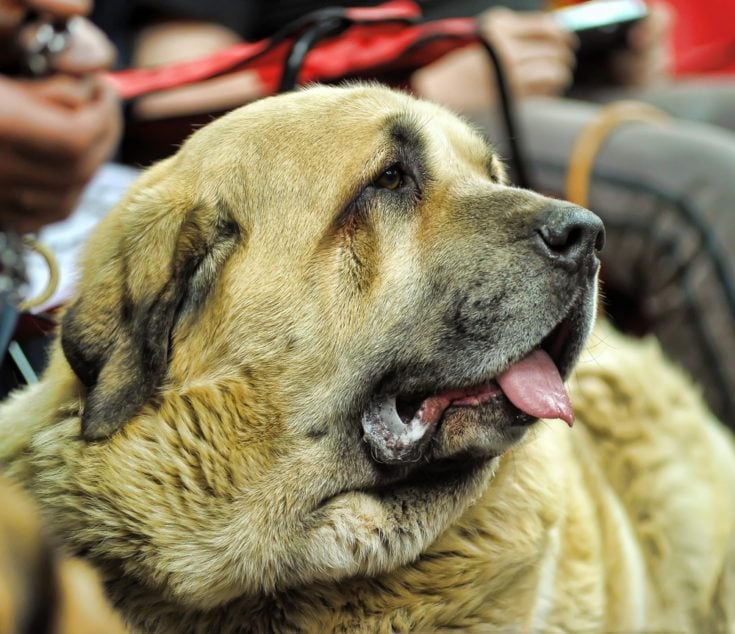
Sadly, it is a fact of life that bigger dogs don’t live that long, and the Irish Mastiff is no exception. Don’t expect to get more than a decade or so with them, and that time may be filled with any number of health issues, including:
Male vs Female
Male Irish Mastiffs tend to be a bit bigger than females, but they’re all really big.
In terms of temperament, male and female Irish Mastiffs are fairly similar. You may notice distinctions between the two genders, but only if compared side by side; the differences aren’t remarkable when just dealing with a single dog.
So, if you’re thinking about getting an Irish Mastiff, don’t worry about the male vs. female debate.
Final Thoughts
If you want a dog who will cause a stir wherever it goes, you can’t do much better than the Irish Mastiff. These pups are certain to draw stares, but their appeal goes further than that, as they make great pets for just about any living situation.
That’s not to say that they’re suitable for everyone, though. Owning one can be prohibitively expensive, and they can cause inadvertent property damage when they get excited.
Overall, though, these are loving, laidback animals who just want to be close to their humans.
Related Reads:
Featured Image Credit: Anna Krivitskaya, Shutterstock
Get Hepper In Your Inbox


Pet care tips from our vets and experts, straight to your inbox.
You may opt-out at any time. View our Privacy Policy for more information.

Nicole is a lover of animals of all sizes but is especially fascinated with the feline variety. She’s the proud mom of Baby, a Burmese, and works every day so he can relax in the sunshine or by the fire. She’s always had a cat in her home and has spent countless days with others, observing behaviors and softening up even the grouchiest of the lot. Nicole wants to share her kitty expertise with you so you and your cat can live happy, healthy, and care-free.
Join the conversation
Ask a question, share your story, or send private feedback.