Hepper is reader-supported. When you buy via links on our site, we may earn an affiliate commission at no cost to you. Learn more.
Is Apple Cider Vinegar Good for Dogs? Our Vet Explains Its Health Benefits


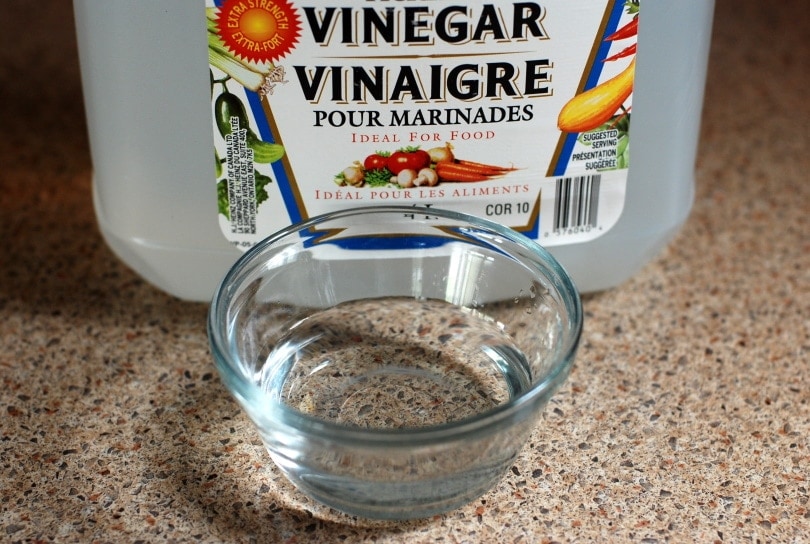
Apple cider vinegar (ACV) has been used by people for centuries in various ways: for cooking or cleaning or its medicinal properties. But is it just as good for dogs?
ACV is safe for dogs, both internally and externally, though not in large quantities. It doesn’t have many nutrients, but it’s full of antioxidants and can help your dog with digestion. It also has anti-pruritic and antimicrobial properties that will relieve your dog's itching and help with skin infections.

The 9 Health Benefits of Apple Cider Vinegar for Dogs
Here are a few things that ACV is good for when it comes to dogs’ health.
1. Digestion
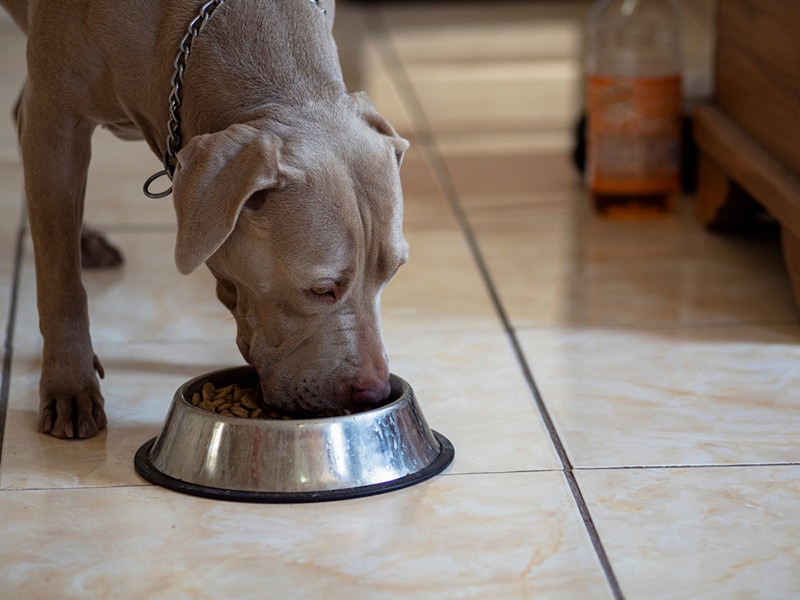
Among the most famous benefits of ACV for dogs is the fact that it is a great aid for digestion. It’s acidic, which makes it helpful for dogs that consume grain-based diets. It lowers the pH of the stomach and stimulates the development of good bacteria. It also makes digestion easy, reduces bloating (gas), and helps with constipation.
For your dog to have easy digestion and a healthy intestinal transit, add ¼ to ½ tbsp. of ACV (depending on the size of your dog) to your pet's food or water bowl daily. If you add it to the water, make sure your dog also has another bowl of fresh water at their disposal. If you add ACV to their food, dilute it first. Never give undiluted ACV to dogs.
2. Itchy and Irritated Skin
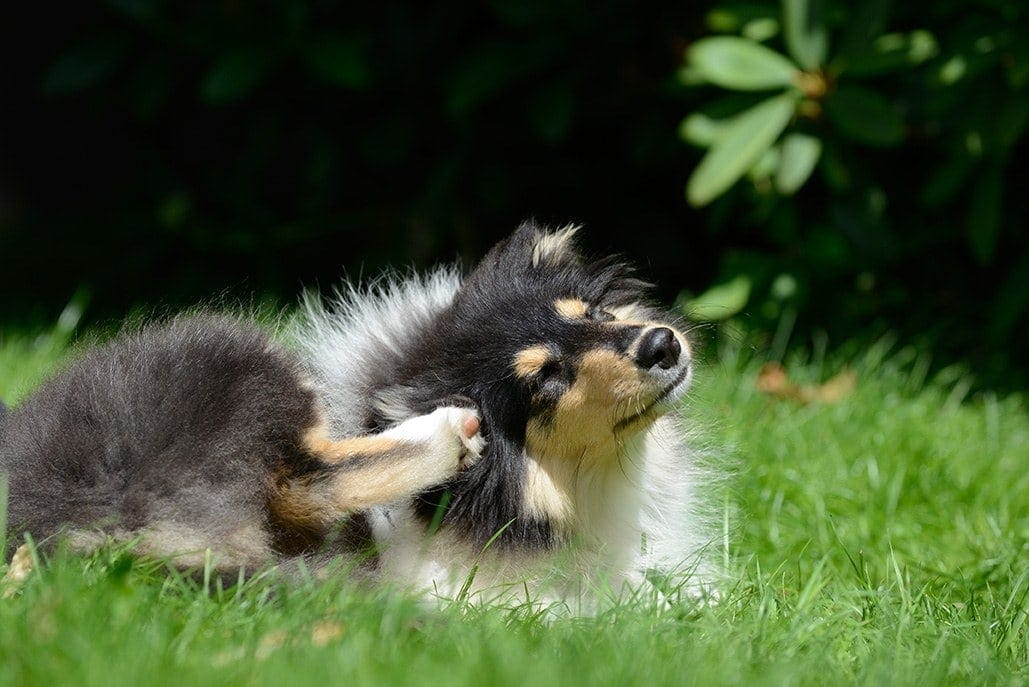
ACV is often recommended to treat itching in dogs. It has antifungal and antiseptic properties and can therefore be used for skin and fur. Dilute with water (50% water and 50% ACV), and never use on open wounds or cuts. Before using ACV, it’s best to talk to your vet, who will recommend certain antiseptic products that help healing.
ACV can also be an excellent remedy for poison ivy. Make a solution of vinegar and water (50%/50%), and wash your dog with it. For a better effect, wet the irritated areas with the solution—soak a cotton ball, compress, or clean cloth in the solution, and apply it to the irritated area for a few minutes. If your dog has stepped on poison ivy, soak their paws in the solution for 5 minutes. Do not apply it on raw or opened skin.
3. Hot Spots
ACV can help relieve hot spots caused by allergies or insect bites. Make a solution of 50% water with 50% ACV, and apply it to the inflamed areas. Repeat the process as many times as needed, every day.
You must be careful with open wounds because the mixture is acidic and can sting. Test on a small skin area first.
4. Shiny Coat
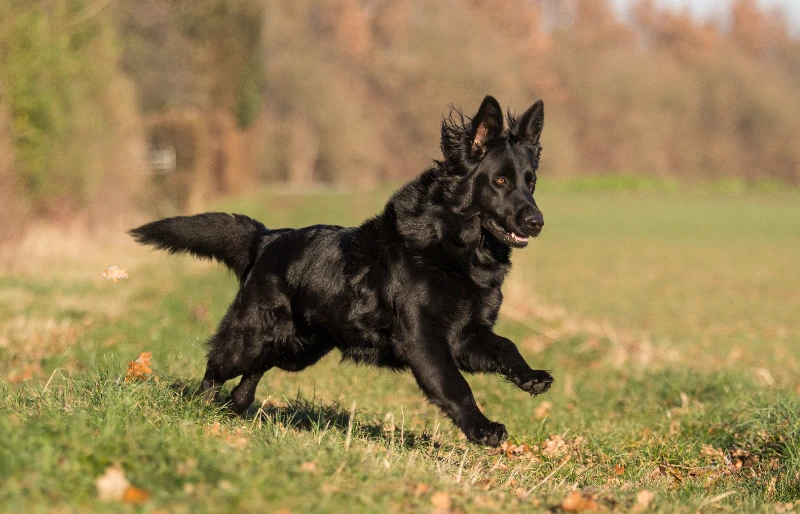
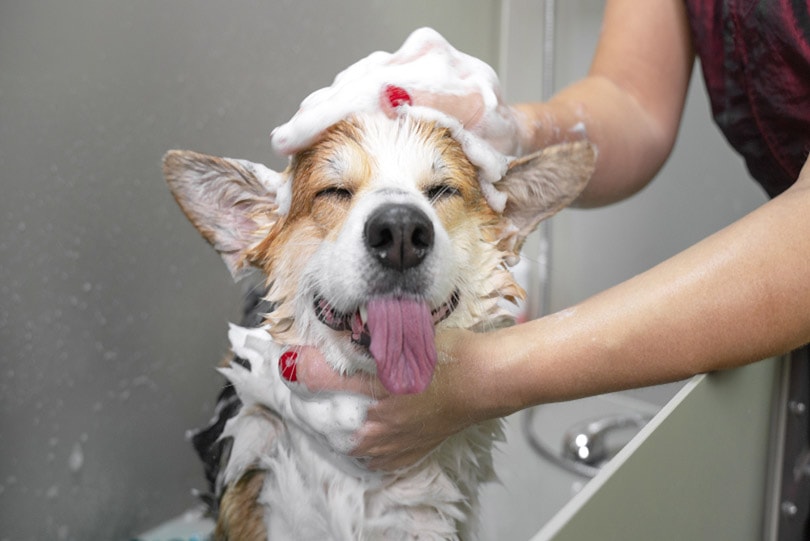
For a shiny and healthy coat, use a solution of ACV and water in equal parts. Spray the solution on your dog's fur, and comb it through. You can also use ACV to rinse your dog after bathing (one part ACV to three parts water).
5. Unpleasant Odors
In addition to a shiny and healthy coat, ACV will neutralize your dog's unpleasant odors. Mix ACV and water in equal parts, and spray the solution on your dog’s fur. For better effect, comb your dog’s fur. Rinse your pet or let them air dry.
6. Flea Repellent
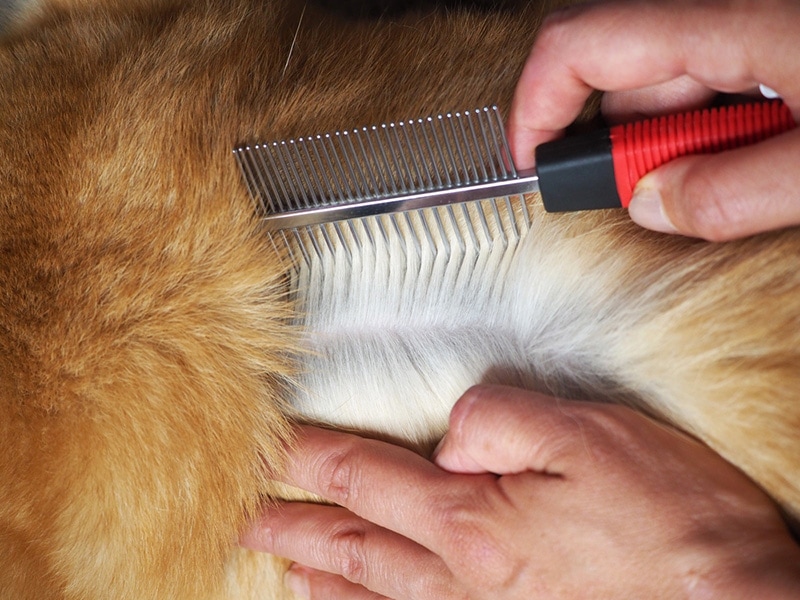
Studies regarding ACV in pets are few or non-existent. However, some owners have seen results when using ACV for fleas. It does not kill fleas but can keep them at a distance. Fleas do not like the taste and smell of ACV, so they will jump off your dog or stay away from them.
In a spray bottle, mix ACV and water in a 1:1 ratio. Spray the solution on your dog, and comb thoroughly with a flea comb. Apply it as often as needed, and be careful not to spray it on your dog's face.
If you have more time and want a more efficient remedy, here's what you can do:
If you don't have dog shampoo, you can use 1 cup of Dawn dish soap mixed with 1 cup of ACV and 1 liter of water. Avoid your dog’s face and rinse thoroughly.
7. Ear Infections
Ear infections in dogs are common, especially in those with long and large ears. If your dog suffers from ear infections or you just want to keep their ears clean, mix ACV and water in a 1:1 ratio. Soak a cotton ball or a makeup remover pad in the solution, and wipe the parts of your dog's ear that you can reach without inserting the pad/cotton ball too deep. Being acidic, ACV will rebalance the pH of your dog's ear and help restore normal flora.
8. Yeast Infections
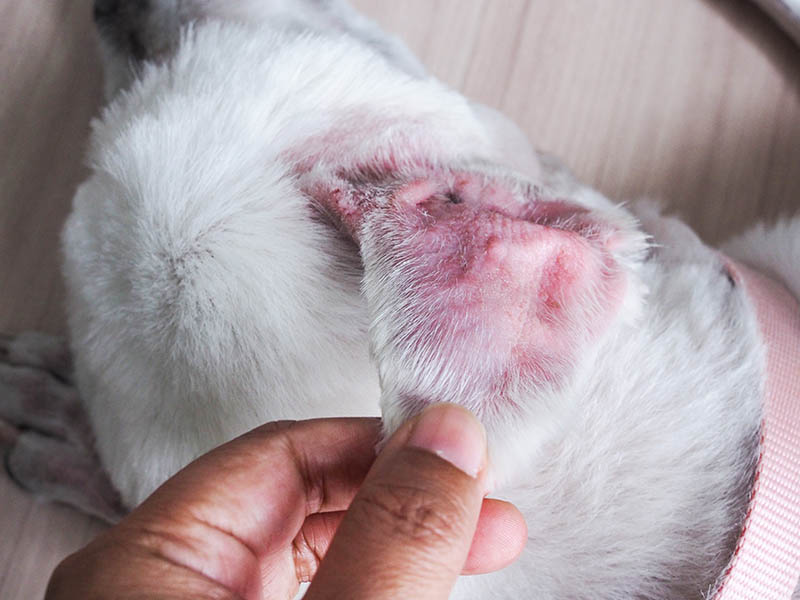
Yeast infections in dogs are fairly common. The microorganisms can infect the entire surface of the skin, though they are most often found on the paws. These infections develop on a weakened immune background and are not transmitted to other dogs.
To help your dog that has been diagnosed with a yeast infection, mix ACV and water in a 1:1 ratio, and soak your dog's paws for a few minutes in that solution. For better results, use it weekly. If your dog has a generalized yeast infection, bathe them once a week with this solution.
9. Clean and Odorless Home
Dogs can create unpleasant odors in the house, but ACV will help you get rid of them. Mix ACV and water in equal parts, and spray in the air or on sofas, carpets, or curtains. You can also clean the floor with this solution to get rid of stains and odors or spray your dog's bedding and around it to freshen the air.
A big problem that many dog owners deal with is urine stains on the couch, bed, or carpet. Prepare a solution based on ACV and sodium bicarbonate. Apply it directly on the stain in a thick layer. Let the solution act for a few minutes, then wipe with a damp cloth. If the smell has penetrated deep into the fabric, let the solution sit longer. Repeat as often as necessary. Also, to be sure you don't damage your furniture, apply this solution first in a small area to test how it reacts with the fabric.
Final Thoughts
Apple cider vinegar seems to be a good supplement for dogs. Externally, you can use it to rid your dog of infections, clean their fur, promote healthy and shiny fur, treat hot spots and insect bites, and repel fleas. Internally, ACV will help your dog have better digestion and mitigate constipation and bloating. Always use ACV in moderation (internally), and do not apply it over open wounds (externally). If your dog's behavior changes or clinical signs appear (vomiting, diarrhea, or other signs) after using ACV, contact your veterinarian immediately.
Sources
Featured Image Credit: ThamKC, Shutterstock
Get Hepper In Your Inbox


Pet care tips from our vets and experts, straight to your inbox.
You may opt-out at any time. View our Privacy Policy for more information.
Iulia Mihai is a veterinarian with more than 13 years of experience in pet pathology, laboratory, and cancer. She studied at the University of Agronomical Sciences and Veterinary Medicine of Bucharest, Romania Iulia earned a master’s degree in equine and pet pathology and studied epithelial cancer for her Ph.D. Dr. Mihai's passions for internal medicine and parasitology inspired her to volunteer at the faculty’s clinic in her third year of college. She has worked in a couple of veterinary clinics over the years as an internal medicine specialist, and loves to write and educate pet parents about pet nutrition, behavior, and diseases.
Iulia is a passionate veterinarian with a strong affinity for veterinary parasitology, internal medicine, and laboratory. She is excited to share her experience and knowledge with pet owners around the world through her writing and hopes to educate people on pet nutrition, diseases, and behavior.
Education
Iulia graduated from the University of Agronomical Sciences and Veterinary Medicine, Bucharest, Romania, in 2012 and has a Master’s degree in Small Animals and Equines Pathology and is certified in HAACP food safety system implementation. Iulia started her Ph.D. in epithelial cancer in dogs and cats in 2013. Her research is published in national and international veterinary journals.
Experience
Dr. Iulia has been a veterinarian for more than 14 years. She is experienced in animal pathology and laboratory and has experience with exotic animals, such as pet rats and ferrets. She also has skills in the field of clinical pathology, laboratory, microscopy, cancer, and imaging.
Join the conversation
Ask a question, share your story, or send private feedback.