Hepper is reader-supported. When you buy via links on our site, we may earn an affiliate commission at no cost to you. Learn more.
How to Make Dog Hair Grow Back Faster: 5 Vet-Approved Methods


In this article
If you want to learn some proven methods behind swift dog hair growth, continue reading for some expert tips and tricks. We show you how to get dogs' hair to grow back fast, as well as explaining why their hair might be falling out in the first place.

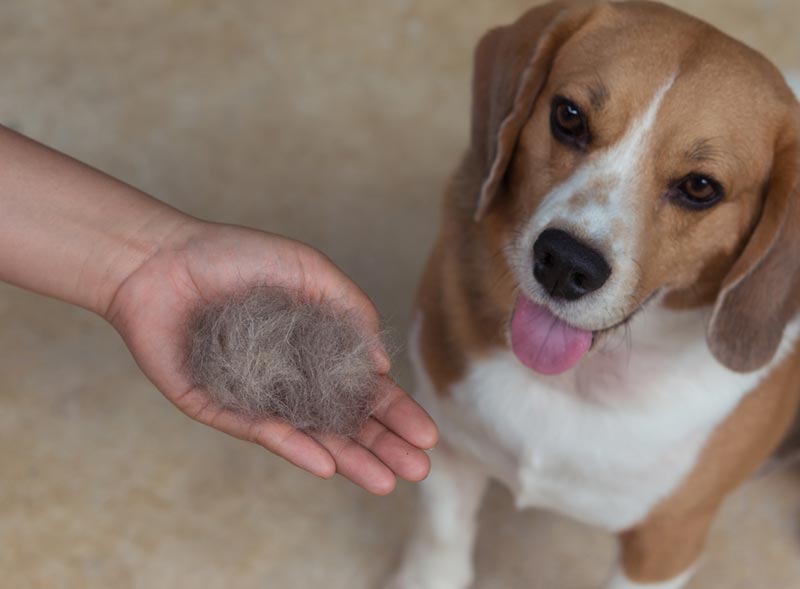
Why Does Hair Fall Off?
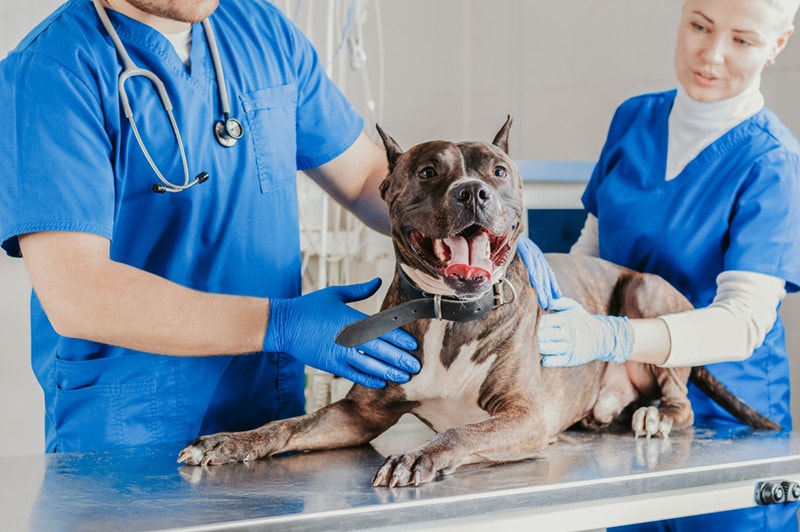
There are many culprits behind doggy baldness. Before you can effectively address the problem, you’ll need to know the cause of your dog’s hair loss. You should also make a vet appointment if you believe the hair loss is caused by a medical condition.
Some serious health-related hair loss causes include:
There are other non-medical causes of dog hair loss that you can treat at home. These include:
- Ticks and fleas: A flea infestation can cause a severe allergic reaction, resulting in hair loss.
- Allergies: Dogs can suffer from food and environmental allergies. If your dog is allergic to food and starts losing their hair, slowly transition them to anti-allergenic dog food.
- Stress: Anxiety and stress can trigger hair loss in dogs. Some common causes of canine stress are loud noises, a disruption of their daily routine, new household pets or guests, and unfamiliar places.
- Pressure sores: Also called bedsores, these small sores are localized injuries that occur in places where a dog’s body is in constant contact with a hard surface.
The 5 Proven Methods for Hair Growth in Dogs
After you determine the cause of your pet’s hair loss, you can begin to resolve it. If it’s not caused by a serious health problem, you can easily encourage hair growth at home. Here are five quick dog hair growth methods.
1. Lemon Juice for Hair Growth
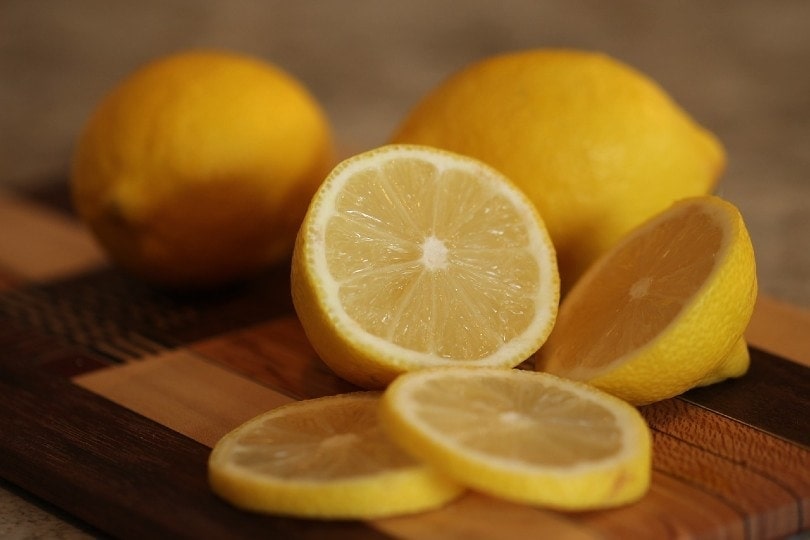
This remedy is intended as a spot treatment. The citric acid found in lemon juice has amazing antibacterial properties, meaning that it can fight bacterial infections in your dog’s skin. By getting rid of the bacteria, you can help your dog’s hair to regrow.
Add a couple of slices of lemon to 3 cups of water and let them boil and steep. Squeeze any remaining juice from the slices and strain them out. Then let the liquid cool down. Add the infusion to a spray bottle and apply it to the desired area, making sure it reaches the skin. Allow it to sit for a few minutes while you supervise your pet to ensure they don't lick themself. Then thoroughly wash the lemon infusion from your pet’s hair.
2. Aloe Vera for Hair Growth
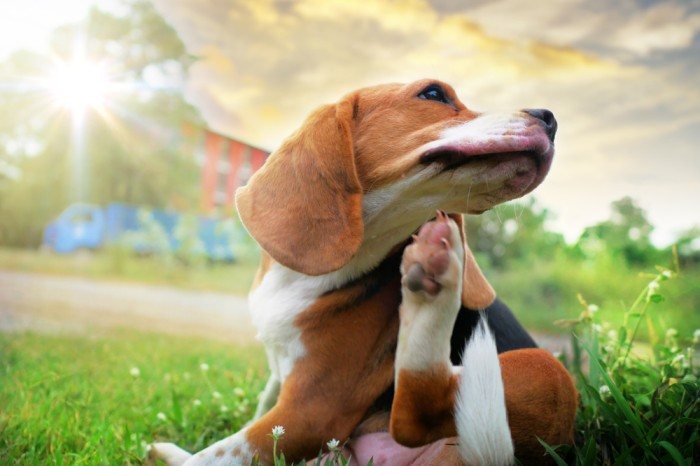
Aloe can alleviate the itching caused by fleas or food allergies. A dog’s obsessive scratching due to severe itching will lead to hair loss.
After you address the flea infestation or allergic reactions, apply a dab of aloe to your pet’s itchy areas to soothe his skin. The natural enzymes in the aloe will also remove dead skin cells, encouraging hair growth. Just make sure you use only the clear liquid at the center of the aloe vera plant. The external part of the leaf and the latex layer between the external part and the clear center can be irritating and even toxic, so please be careful to properly dispose of those parts and apply only the clear jelly.
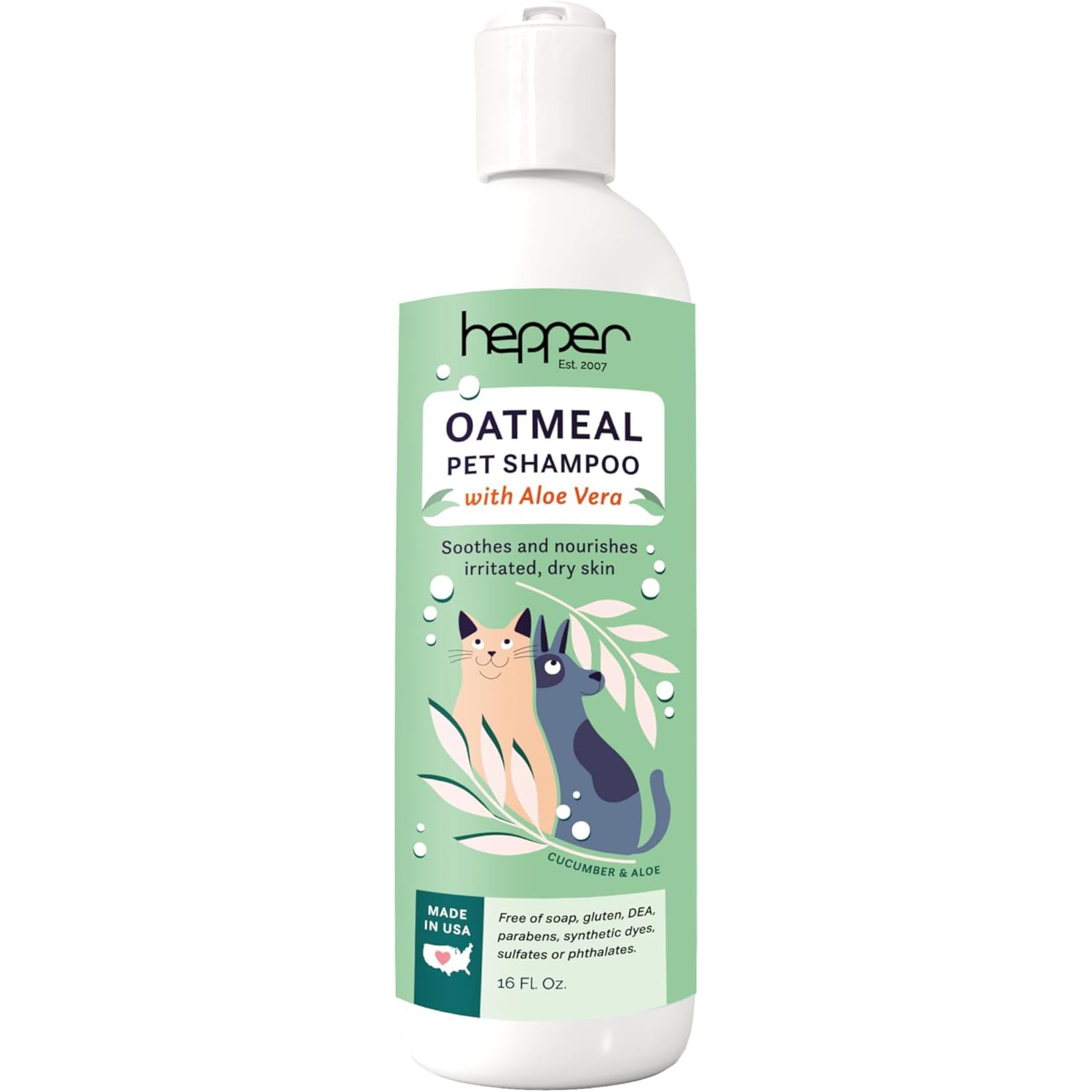
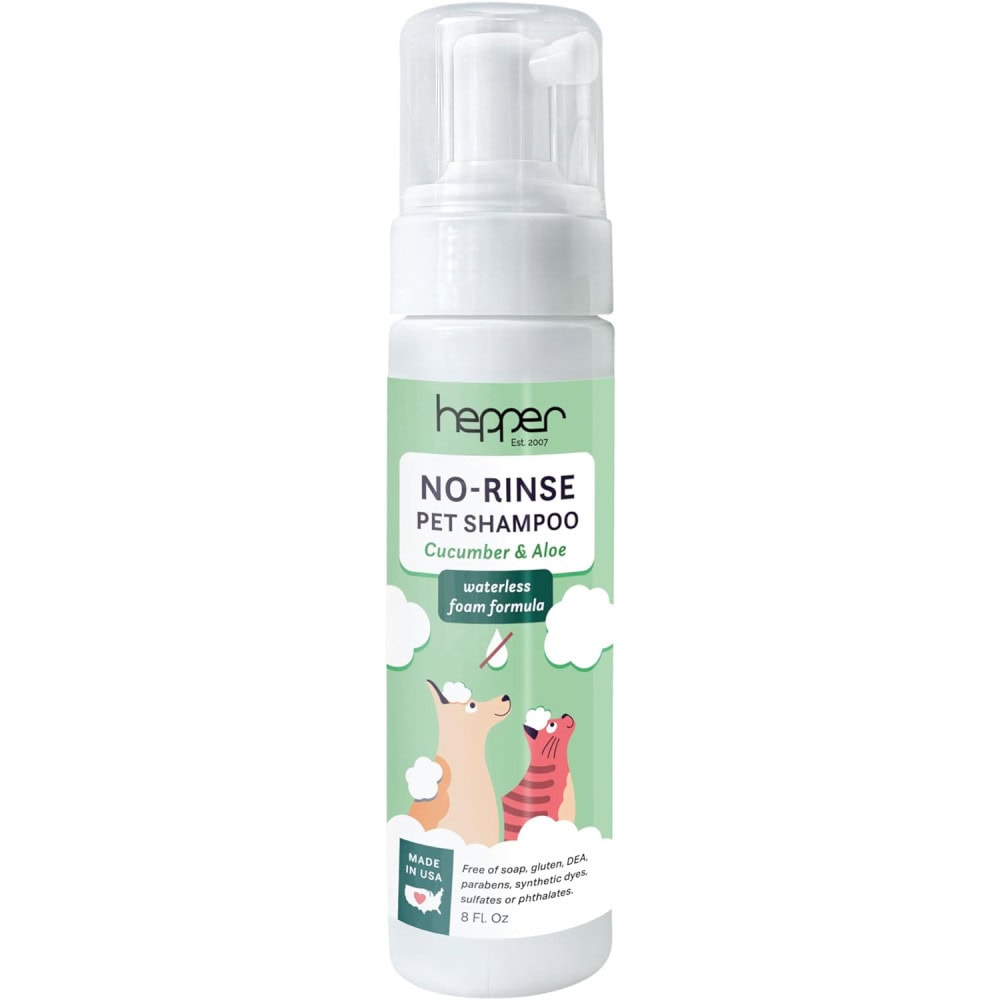
There are a lot of pet shampoos on the market, but not all of them will keep your pet's skin and coat happy and healthy. The Hepper Pet Shampoo products are pH balanced and made with natural, safe ingredients like soothing oatmeal and aloe vera. Our shampoos will keep your pet clean, smelling fresh, and fully moisturized! The hardest part is deciding whether to get to traditional shampoo or the rinse-free version! Here’s a quick guide to help you choose the right option for your pet’s next bath!
| Image | Product | Details | |
|---|---|---|---|
|
Hepper Colloidal Oatmeal Pet Shampoo |
|
Check Price |
|
Hepper Waterless No Rinse Pet Shampoo |
|
Check Price |
3. Health Supplements for Hair Growth
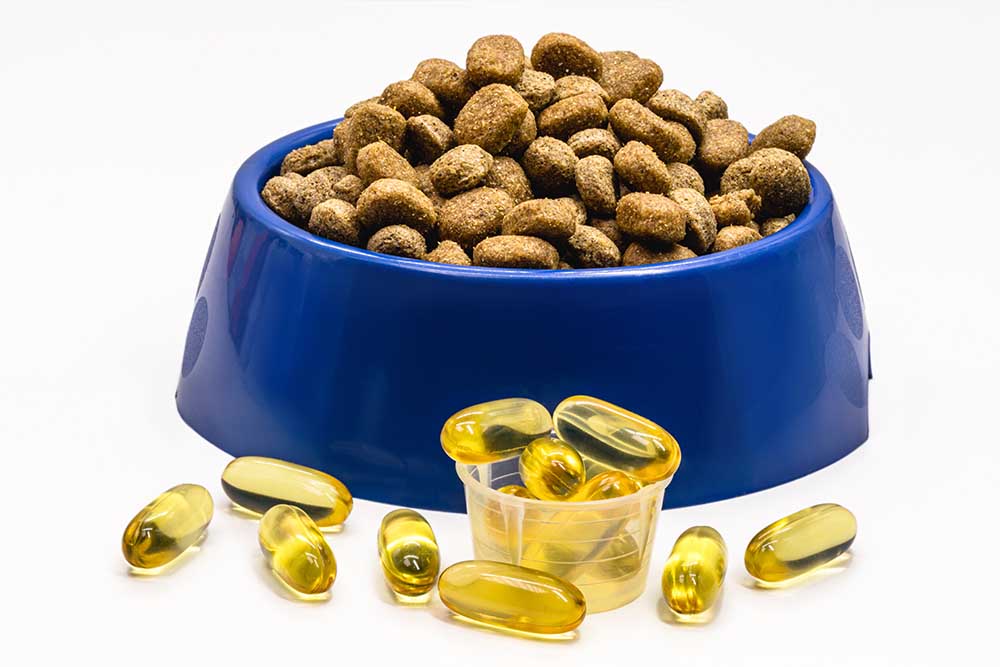
A dog that is healthy on the inside will radiate beauty on the outside. Keep your dog healthy by feeding them a balanced diet that is rich in protein and essential vitamins and nutrients. Ask your vet if you should add supplements to your pet’s regular diet. Omega-3 supplements can relieve skin irritation and quicken the hair-growing process.
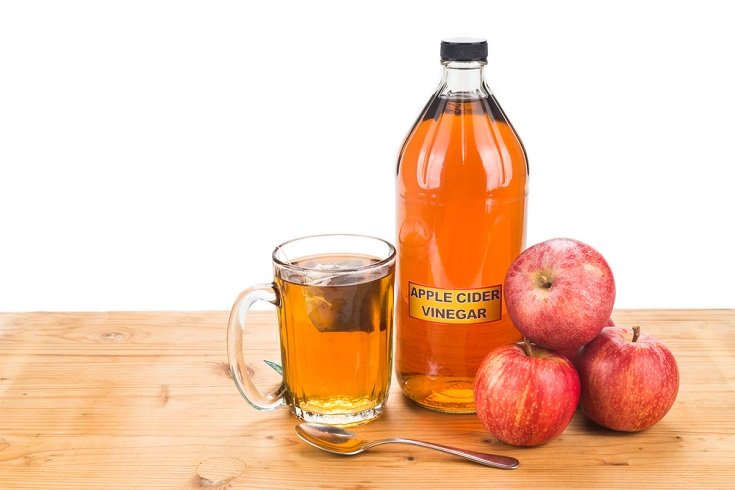
4. Apple Cider Vinegar for Hair Growth
The acetic acids in apple cider vinegar can kill fungus and bacteria while boosting your dog’s immune system. Combine equal parts vinegar with equal parts water and apply the mixture to the affected areas. You can also add a small drop of apple cider vinegar to your pet’s water.
5. Olive Oil for Hair Growth
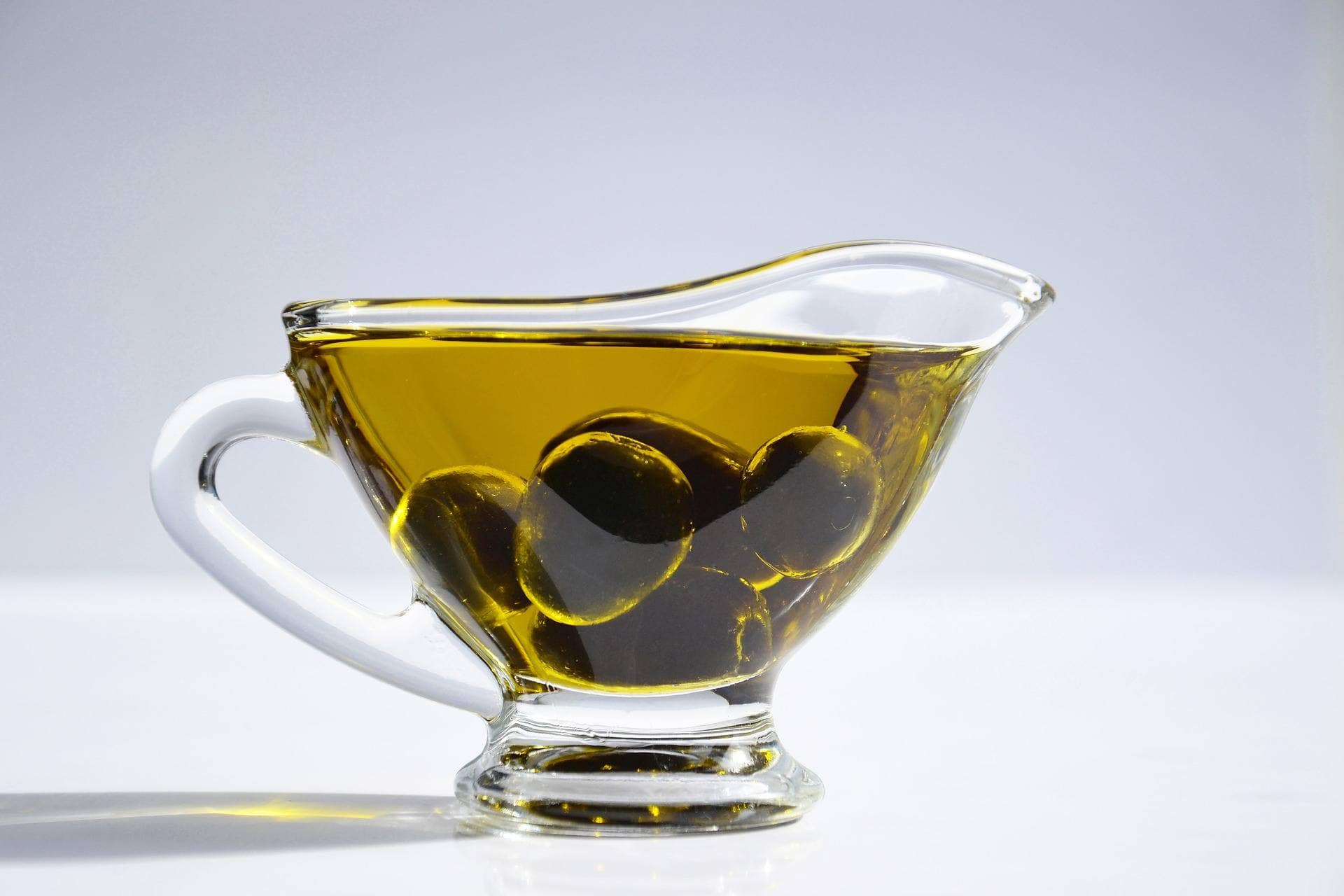
Olive oil is commonly used in cosmetic products for a reason: It has amazing benefits for the skin! Olive oil is very nourishing, as it soothes and moisturizes the skin, encouraging new hair growth. Simply apply a little bit of olive oil and gently massage it into your dog’s skin. Do this twice a week for the best results.

Conclusion
It’s always smart to schedule a vet appointment to get to the bottom of your dog’s hair loss. If you can safely treat the issue at home, there are a number of ways to grow your dog’s beautiful fur back.
From lemon juice and apple cider vinegar to natural oils and health supplements, you can use these five methods to safely and naturally encourage fast dog hair growth.
Featured Image Credit: 8th.creator, Shutterstock
Get Hepper In Your Inbox


Pet care tips from our vets and experts, straight to your inbox.
You may opt-out at any time. View our Privacy Policy for more information.
Nicole is a lover of animals of all sizes but is especially fascinated with the feline variety. She’s the proud mom of Baby, a Burmese, and works every day so he can relax in the sunshine or by the fire. She’s always had a cat in her home and has spent countless days with others, observing behaviors and softening up even the grouchiest of the lot. Nicole wants to share her kitty expertise with you so you and your cat can live happy, healthy, and care-free.
Join the conversation
Ask a question, share your story, or send private feedback.