Hepper is reader-supported. When you buy via links on our site, we may earn an affiliate commission at no cost to you. Learn more.
Himalayan Persian Cats: Facts, Origin & History (With Pictures)
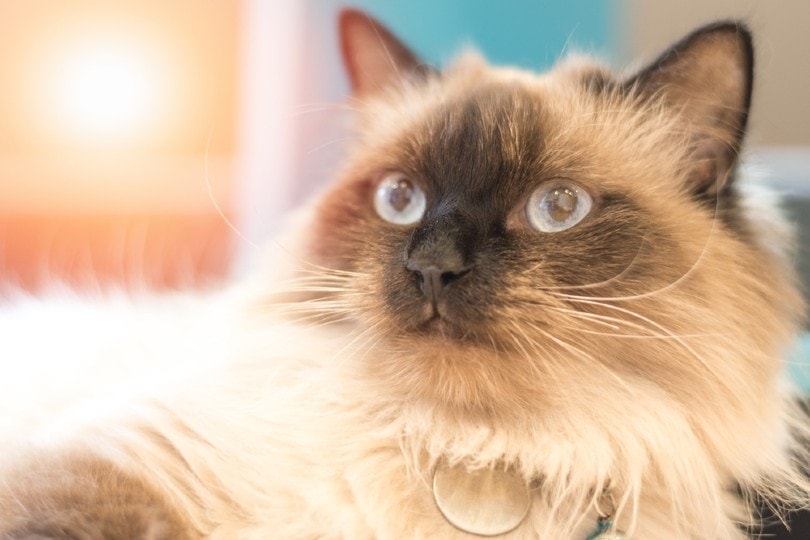
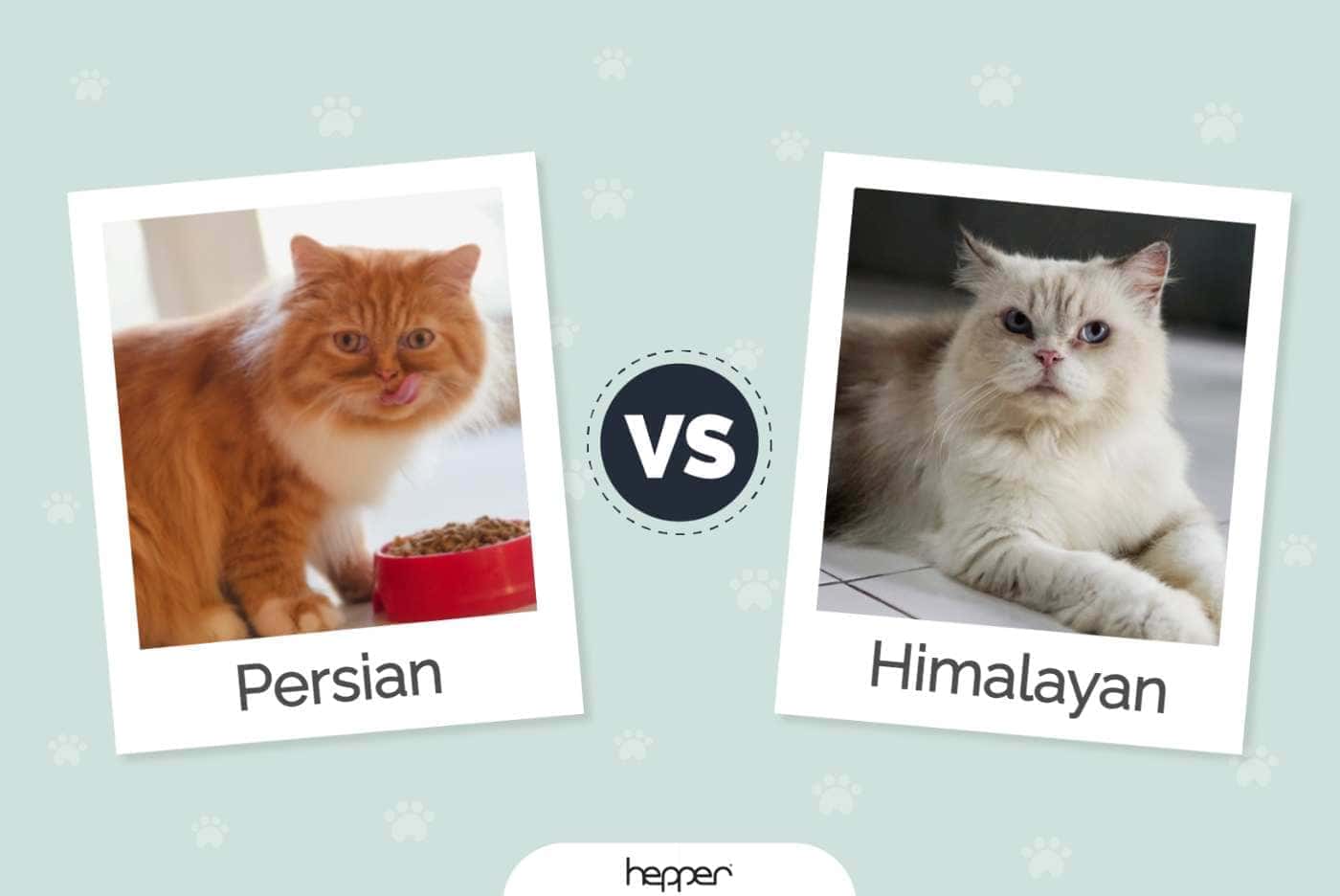
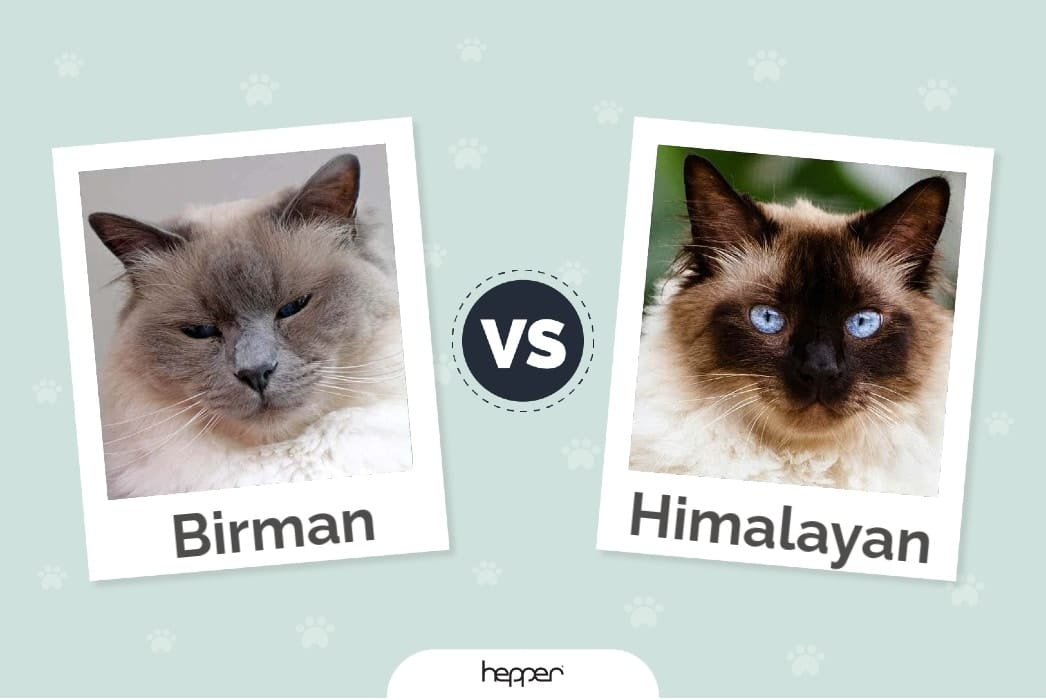
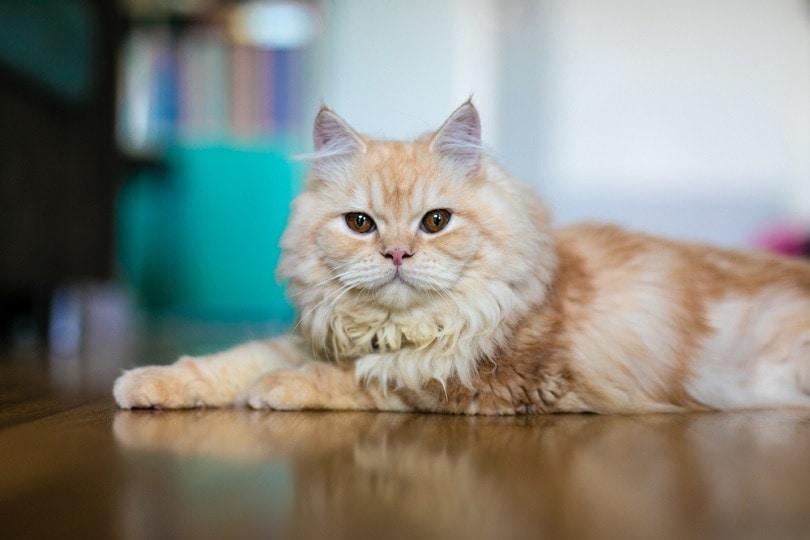
The Himalayan Persian Cat is a crossbreed between a Himalayan and a Persian. This is one of the more common cat hybrids out there. Both parent breeds are quite similar, which makes most offspring similar too. Technically, a Himalayan is simply a Persian and a Siamese mixed breed. When you mix them with a Persian, you end up with a cat that is barely Siamese and mostly Persian.
Himalayans are a bit rarer than Persians, which can make this feline more expensive than a purebred Persian. It is difficult to find breeders who specialize in this breed, which can also drive the price up. Most people don’t mix a Persian with a Himalayan, as it would be cheaper just to purchase a full-bred Persian.

The Earliest Records of the Himalayan Persian in History
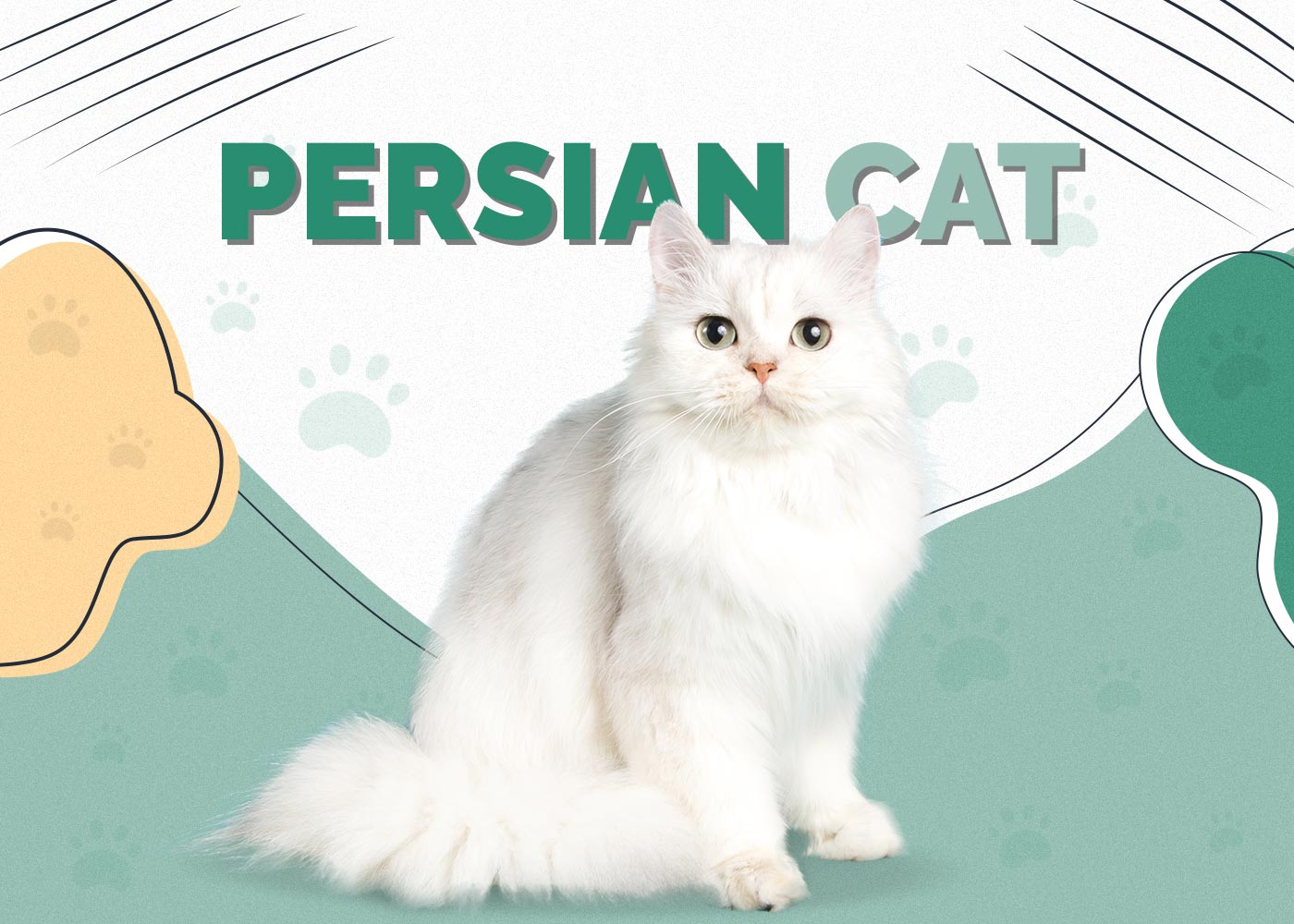
Unlike most mixed breeds, this one has a decently linear history. It starts with the Persian, which is a descendent from a long-haired cat first documented by the ancestors of Persia. These cats were imported into Italy in 1620 and into France at around the same time. Through these two countries, they spread throughout the rest of Britain.
Since these early times, the cat has undergone many transformations and looks much different than their early ancestors did. At this point, the Himalayan wasn’t even in existence.
How the Himalayan Persian Gained Popularity
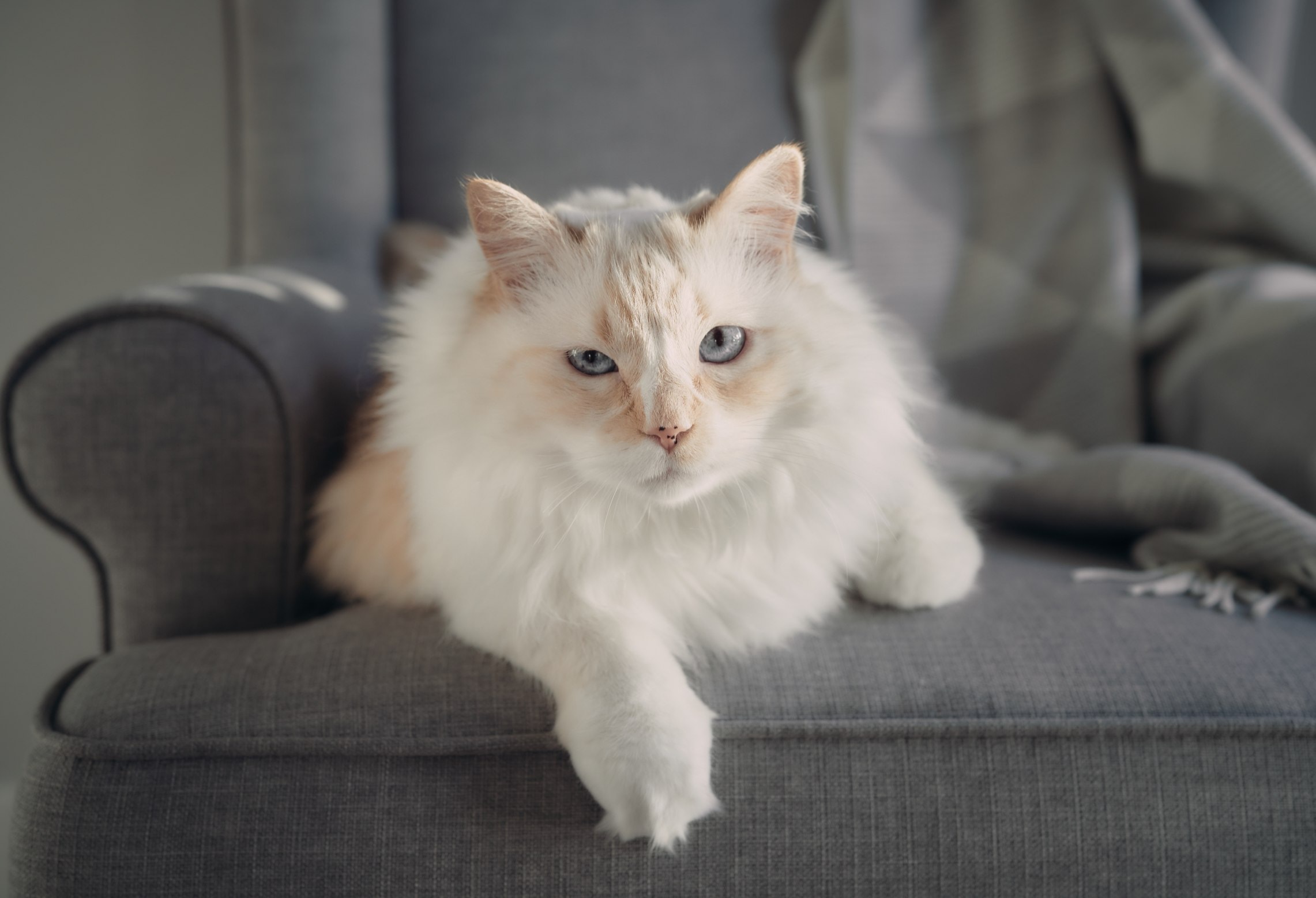
The Persian’s popularity continued to grow, and a few were presented at the first cat show in 1871 in the Crystal Palace in London. These cats were the ones that the breed standard was based on, so the breed had gone under nearly 200 years of development since they were originally imported.
Closer to modern times, the Persian was developed with more extreme features. These are often called the peke-face. These cats have extremely short faces and often suffer from many health problems because of this. The opinions of this breed vary. Some say that the shift toward the smaller face is a contribution, while others point out that it negatively affects the health of the breed.
There is also the “traditional” type of Persian, which is still around today. This is breeders’ attempt to return to the breed’s original type, which was often healthy with a longer lifespan.
The Himalayan Comes on the Scene
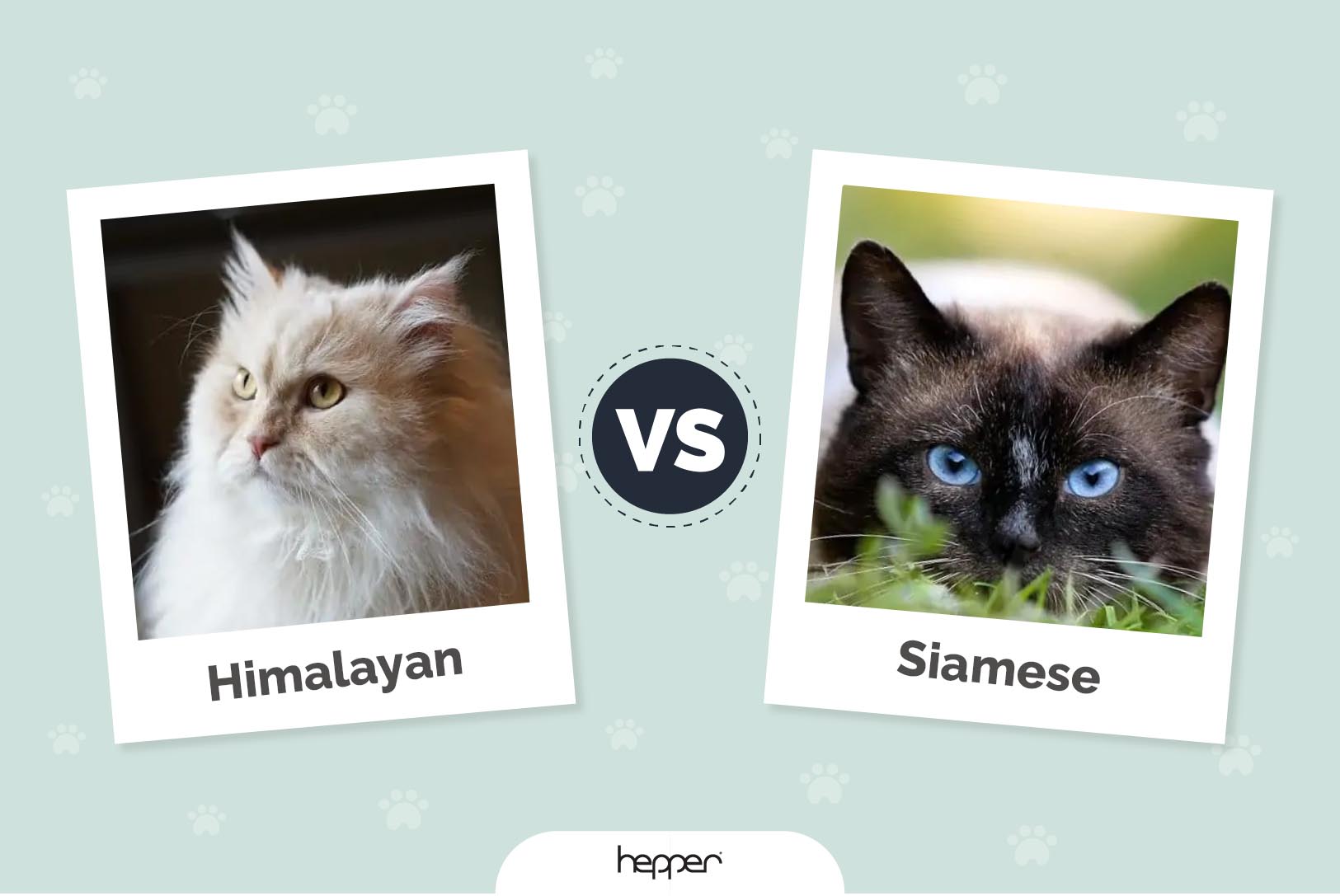
The Himalayan is actually a type of Persian. It was developed in the 1950s by crossing a Siamese with a Persian. This breed was then recognized by a few different cat clubs and quickly grew in popularity.
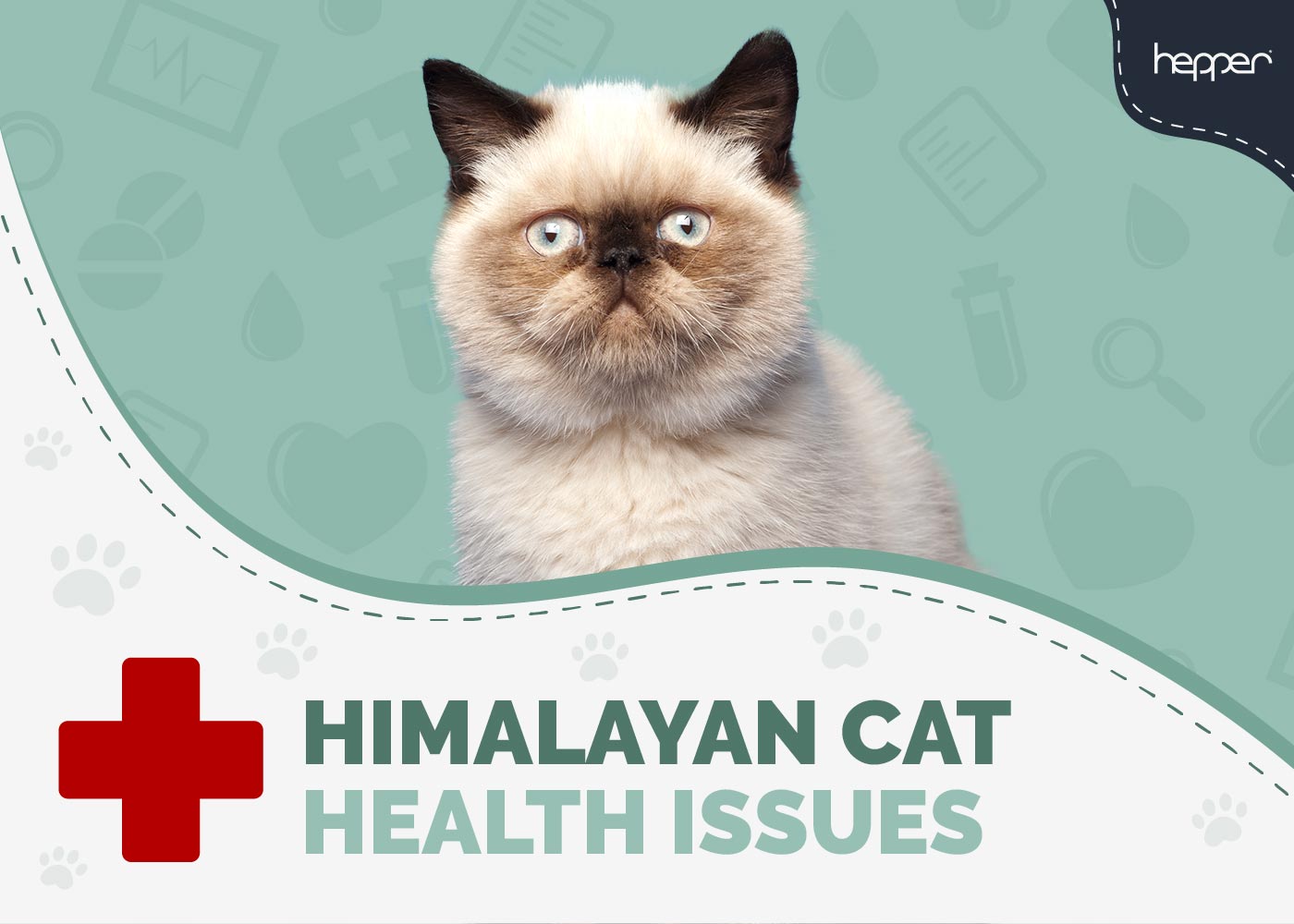
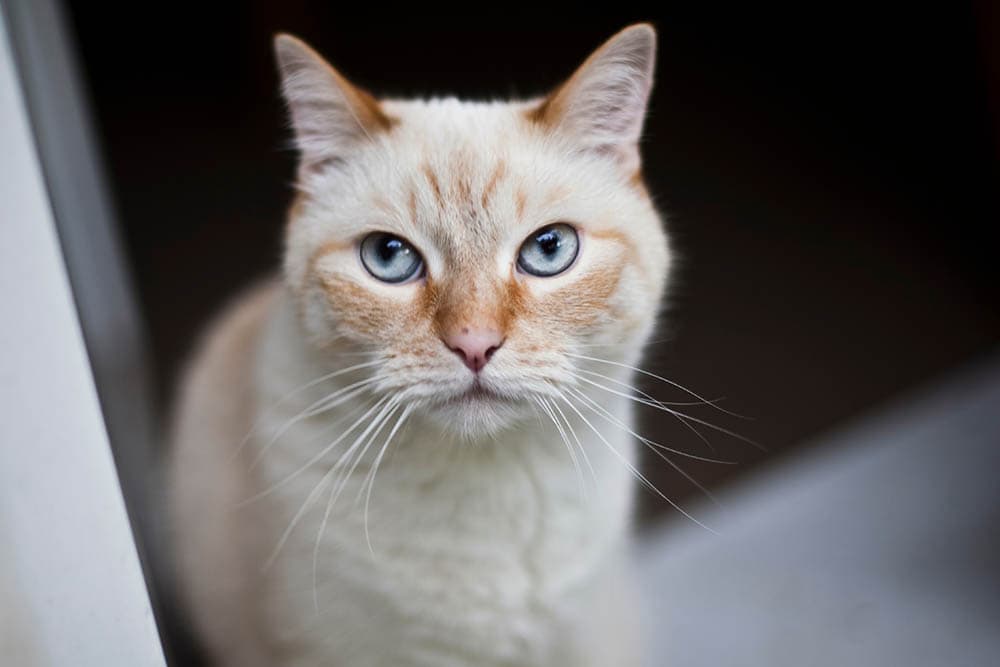
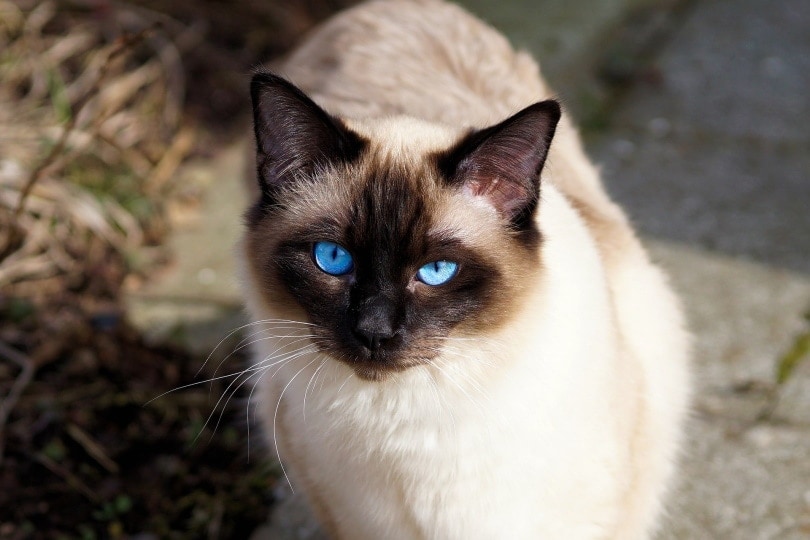
The Himalayan carries the color point gene of the Siamese, which leads to them having a different coat color. This gene is recessive, though. In actuality, many “purebred” Persians contain some Himalayan blood. In the beginning, this breed wasn’t well set apart from the Siamese. Therefore, some Persians may randomly have litters with color-pointed kittens, as the parents have a Himalayan further in their bloodline.
Today, Himalayans are commonly crossed with Persians. This doesn’t technically result in a mixed breed at all because the Himalayan is a sub-species of the Persian. Often, this breed is basically a Persian that may or may not have the color-point gene.

Top 5 Unique Facts About the Himalayan Persian
1. Persians come in two types.
Some of these cats can have very short faces, which makes them somewhat unhealthy. Others have more traditional faces. These stick out a bit more than those of peke-face Persians.
2. This breed is somewhat controversial.
Like many dogs with squished faces, these cats often have breathing problems and similar issues. They are one of the least healthy cat breeds out there, so there is a great deal of controversy among breeders on how to further the breed. Some want to continue the small faces, while others want to bring back the traditional face.
3. They are relatively low-maintenance.
Despite how they may look, this breed is relatively low-maintenance. They don’t require much grooming in the least and typically do well at taking care of themselves. This is despite the fact that they are often considered a bit “highbrow.”
4. They aren’t really a mixed breed.
The Himalayan is just a subset of Persians that were once mixed with Siamese cats to give them the pointed coloration. Therefore, the Himalayan Persian is simply another subset of the Persian.
5. These cats often have health problems.
Due to inbreeding to create the small face, these cats are not nearly as healthy as other breeds. They tend to have many breathing problems and similar issues that make them somewhat difficult to take care of. Their vet bills are usually higher due to this.
Does the Himalayan Persian Make a Good Pet?
These cats are well-known for their friendly personality, which can make them a great choice for many families. They often enjoy lounging in people’s cats, though they also have a playful side. These cats are typically outgoing and fearless, which allows them to easily get along with children and other pets.
They are quite affectionate and love to cuddle. Often, they are decently adaptable as well. This makes them fit in well with most family homes, which tend to change often.
However, these cats can be expensive. They are not the healthiest and require extensive vet bills in most cases. You can limit this by choosing a traditional Himalayan Persian without the usual squished face. But these may be rare and difficult to find. They also tend to have normal cat problems, like hairballs.
Looking for more Persian variations? We have them in both Black and Blue!
Conclusion
The Himalayan Persian is a bit of a complicated breed. This mixed breed isn’t really a mixed breed, it’s just breeding between different sub-breeds. The Himalayan Persian will often be just like a Persian in most cases. They may or may not be color-pointed. Many of them will have the recessive color-point gene, which means that their kittens may show up with this coloration later. This makes breeding Persians challenging in itself because you never know when a color-point one is going to pop up.
This cat has a more straightforward history and temperament than other mixed breeds. They don’t vary quite as much, which does make adopting them easier.
Related Reads:
Featured Image Credit: BlurryMe, Shutterstock
Get Hepper In Your Inbox


Pet care tips from our vets and experts, straight to your inbox.
You may opt-out at any time. View our Privacy Policy for more information.

Kristin is passionate about helping pet parents create a fulfilling life with their pets by informing them on the latest scientific research and helping them choose the best products for their pets. She currently resides in Tennessee with four dogs, three cats, two fish, and a lizard, though she has dreams of owning chickens one-day!
Join the conversation
Ask a question, share your story, or send private feedback.