Hepper is reader-supported. When you buy via links on our site, we may earn an affiliate commission at no cost to you. Learn more.
Himalayan Cat Health Problems: 6 Vet Reviewed Issues


In this article
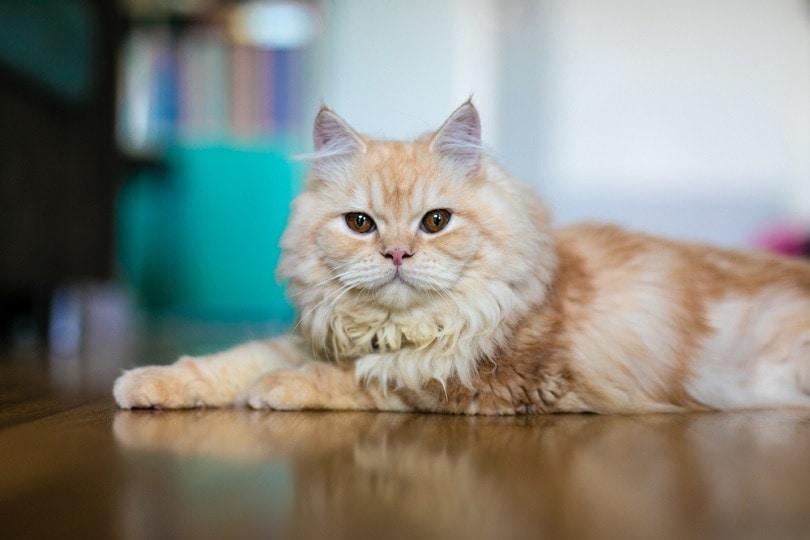
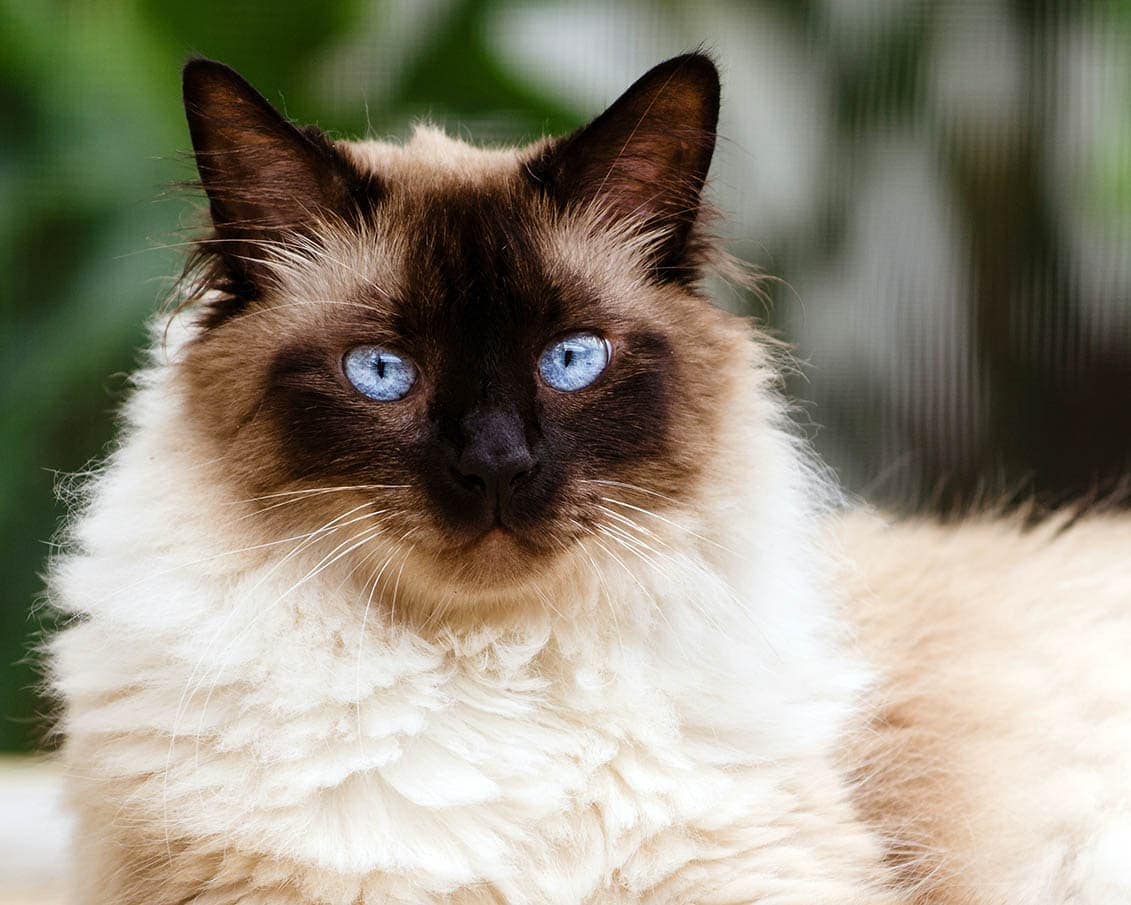
The Himalayan is a gorgeous cat with a similar body and coat as a Persian cat, but the colors and patterns of a Siamese. These cats were developed by humans to look like a Siamese with a Persian build, as well as the loving and sweet personalities of many Asian breeds.
Because the Himalayan is selectively bred for specific traits, they are prone to several genetic health conditions. Reputable breeders try to minimize these health conditions, but it is not always successful. Here are six common health problems in Himalayan cats.

The 6 Himalayan Cat Health Problems
1. Polycystic Kidney Disease
Polycystic kidney disease is a hereditary condition that causes enlarged kidneys and kidney dysfunction. It typically shows between 7 and 10 years of age, though it can show up earlier. The gene that causes polycystic kidney disease is easy to identify and eliminate, so breeders are trying to produce kittens free of the disease risk.
The condition can vary between individual cats, but it generally affects kidney function and eventually leads to kidney failure. The disease isn’t curable or treatable. Any treatment is intended to reduce the symptoms and keep the cat comfortable.
2. Progressive Retinal Atrophy
Progressive retinal atrophy is a condition that occurs in Persian cats, and by extension, Himalayans. This disease causes the partial or complete wasting of the retina and the photoreceptor cells. These cells deteriorate over time, leading to blindness. Some cats may become completely blind by 15 weeks old. Genetic testing can be used to identify carriers of this disease, but Persians are common outcrosses, and the disease is prevalent among many breeds.
Progressive retinal atrophy can be inherited, but there is also a late-onset form that can show up in adult cats. With late onset, the cells of the retina develop normally but begin to deteriorate over time. The night vision is affected before the daytime vision, but eventually, both deteriorate to the point of blindness.
3. Problems Related to Face Shape
Himalayans are a brachycephalic breed, which means they have a broad face and short skull. This means the skull bones are shorter in length, leading to a pushed-in appearance. The soft tissue structures are abnormal and may cause difficulty breathing. Brachycephalic airway syndrome is one of the most prominent conditions that affect breathing and may include abnormalities like an elongated soft palate, a hypoplastic trachea, and stenotic nares.
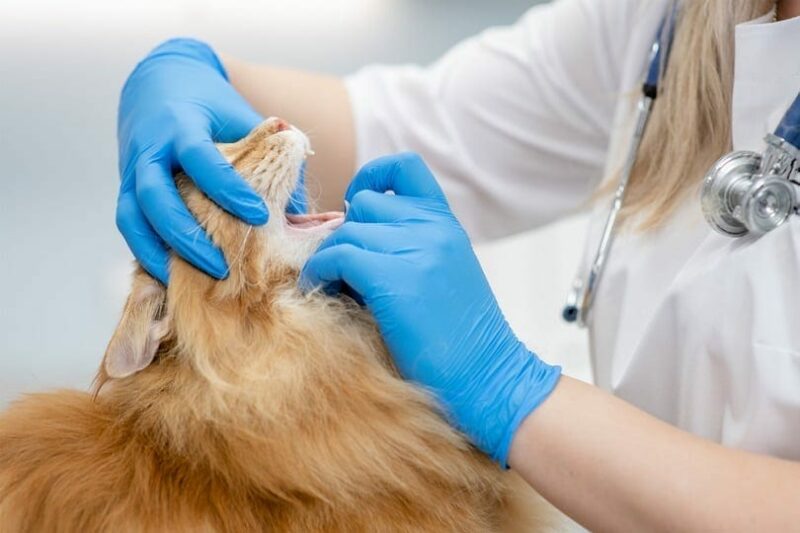
Even if the cat breathes fine, flat-faced breeds are sensitive to heat. They need to stay in cool conditions and out of hot weather. These cats may also have dental malocclusions, which is when the jaw isn’t aligned properly. This can be cosmetic and of no concern, or it may be severe enough to cause discomfort or affect the health of the rest of the teeth or the ability to chew normally.
4. Cherry Eye
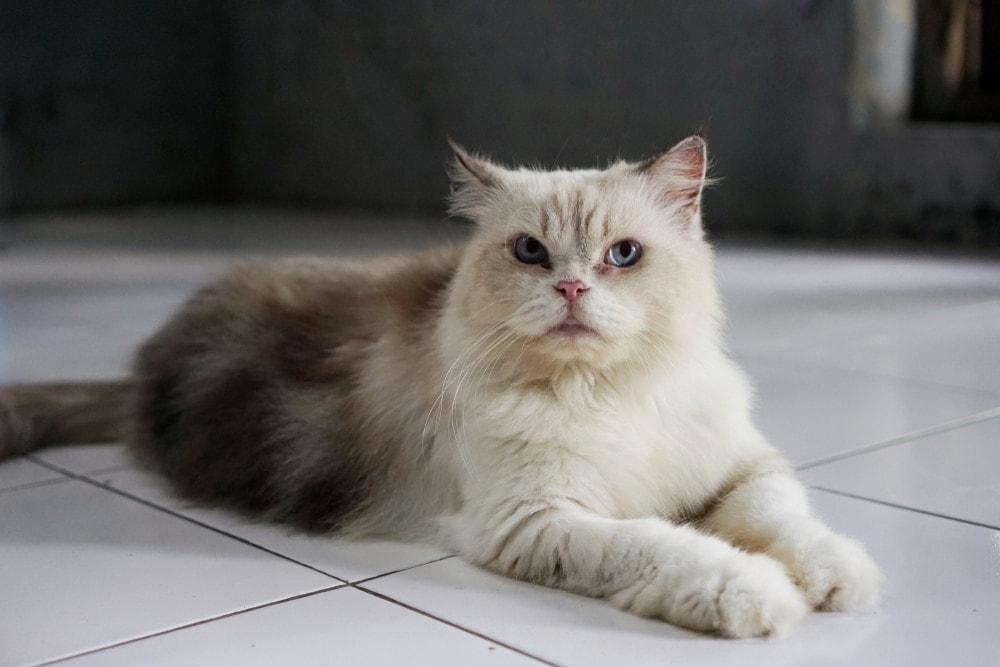
Cherry eye is a condition that’s common in Himalayans and similar breeds. It’s an eye condition that causes the third eyelid gland to prolapse, which affects the eye’s protection and the cornea’s lubrication. The lid with a cherry eye can become red, enlarged, and irritated, often protruding out of the eye. This condition should be treated quickly before it progresses, which may require surgery.
5. Hairballs
Like other longhaired cat breeds, Himalayans may develop hairballs from self-grooming. These are usually fine and pass naturally, but they can grow too large for a cat’s stomach and could create a life-threatening intestinal blockage. It’s best for Himalayan cats to have daily grooming and preventative food or treats that are designed to help hairballs pass safely.
6. Feline Hyperesthesia Syndrome
Feline hyperesthesia syndrome (“twitch-skin syndrome”) is a condition that causes cats to intensely bite and lick their body, especially the back, tail, and limbs. It’s a neurological condition that affects several systems and can be stressful for the cat. Purebred Asian breeds like Himalayans are predisposed to this condition.
Are Himalayan Cats a Healthy Breed?
Himalayan cats have a few genetic conditions they’re prone to, but there’s limited information on all the possible genetic problems. At this time, Himalayans are prone to similar conditions as the parent breeds, the Persian and Siamese breeds.
No animal is without genetic health problems, but breeding can help with prevention. Disreputable breeders will often inbreed or breed parents who are carriers of a specific gene that’s connected to a health condition. If you plan to get a Himalayan kitten from a breeder, make sure to get health records for the parents.
In addition, Himalayan cats can get any of the health conditions that are common in cats overall, such as diabetes, heartworm, feline lower urinary tract disease, and feline immunodeficiency virus. It’s important to take your cat to the vet for a check-up and vaccinations at least twice a year.
Conclusion
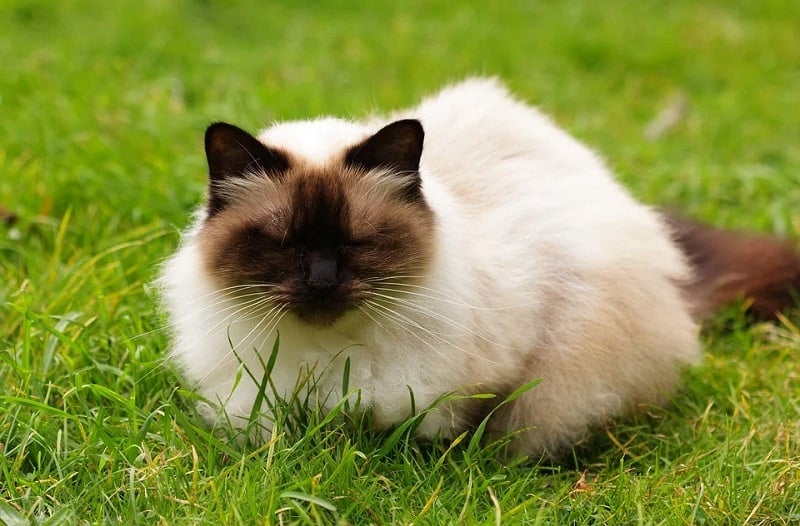
Himalayan cats are a popular pet, and like any other pet, they are prone to some specific health conditions. Several of their genetic conditions can be minimized or prevented with proper breeding and health testing, so it’s essential to choose a responsible breeder. Be sure to take your cat for regular veterinary check-ups to keep an eye on its health as well.
See Also: How Much Does a Himalayan Cat Cost?
Sources
[3] https://ahcfargo.com/client-resources/breed-info/himalayan/
[4] https://www.embracepetinsurance.com/cat-breeds/himalayan
[5] https://www.vetinfo.com/himalayan-cat-health-problems.html
[6] https://vcahospitals.com/know-your-pet/progressive-retinal-atrophy-in-the-cat
[8] https://www.aspca.org/pet-care/cat-care/common-cat-diseases
[9] https://vcahospitals.com/know-your-pet/cherry-eye-in-dogs
Featured Image Credit: Anne Richard, Shutterstock
Get Hepper In Your Inbox


Pet care tips from our vets and experts, straight to your inbox.
You may opt-out at any time. View our Privacy Policy for more information.
Nicole is a lover of animals of all sizes but is especially fascinated with the feline variety. She’s the proud mom of Baby, a Burmese, and works every day so he can relax in the sunshine or by the fire. She’s always had a cat in her home and has spent countless days with others, observing behaviors and softening up even the grouchiest of the lot. Nicole wants to share her kitty expertise with you so you and your cat can live happy, healthy, and care-free.
Join the conversation
Ask a question, share your story, or send private feedback.