Hepper is reader-supported. When you buy via links on our site, we may earn an affiliate commission at no cost to you. Learn more.
10 Homemade Dog Food Recipes for Small Dogs (Vet Answer)
In this article
In recent times, it has become increasingly common for dog owners to start making their own dog food at home. It may seem like a simple thing to do, but it comes with great responsibility. Cooking food for dogs is slightly more complicated than cooking food for humans. There are some important guidelines to follow in order to keep your dog fit and thriving.
Dog owners who cook for their dogs at home may often find recipes that are suitable for larger dogs and use up lots more ingredients. They aren't convenient for small dogs as due to the amount of food cooked, it will end up going off fairly quickly. If you have a large freezer, you can fill it up, but there might not be any room for anything else! This is why we have come up with these handy recipes for homemade dog food for small breeds.
All of the recipes below make small batches of food. They will last a couple of weeks and won't clog up your freezer or end up with you wasting lots of ingredients. Read on to find out more.

The 10 Homemade Dog Food Recipes for Small Dogs
1. Meatloaf Dog Food Recipe
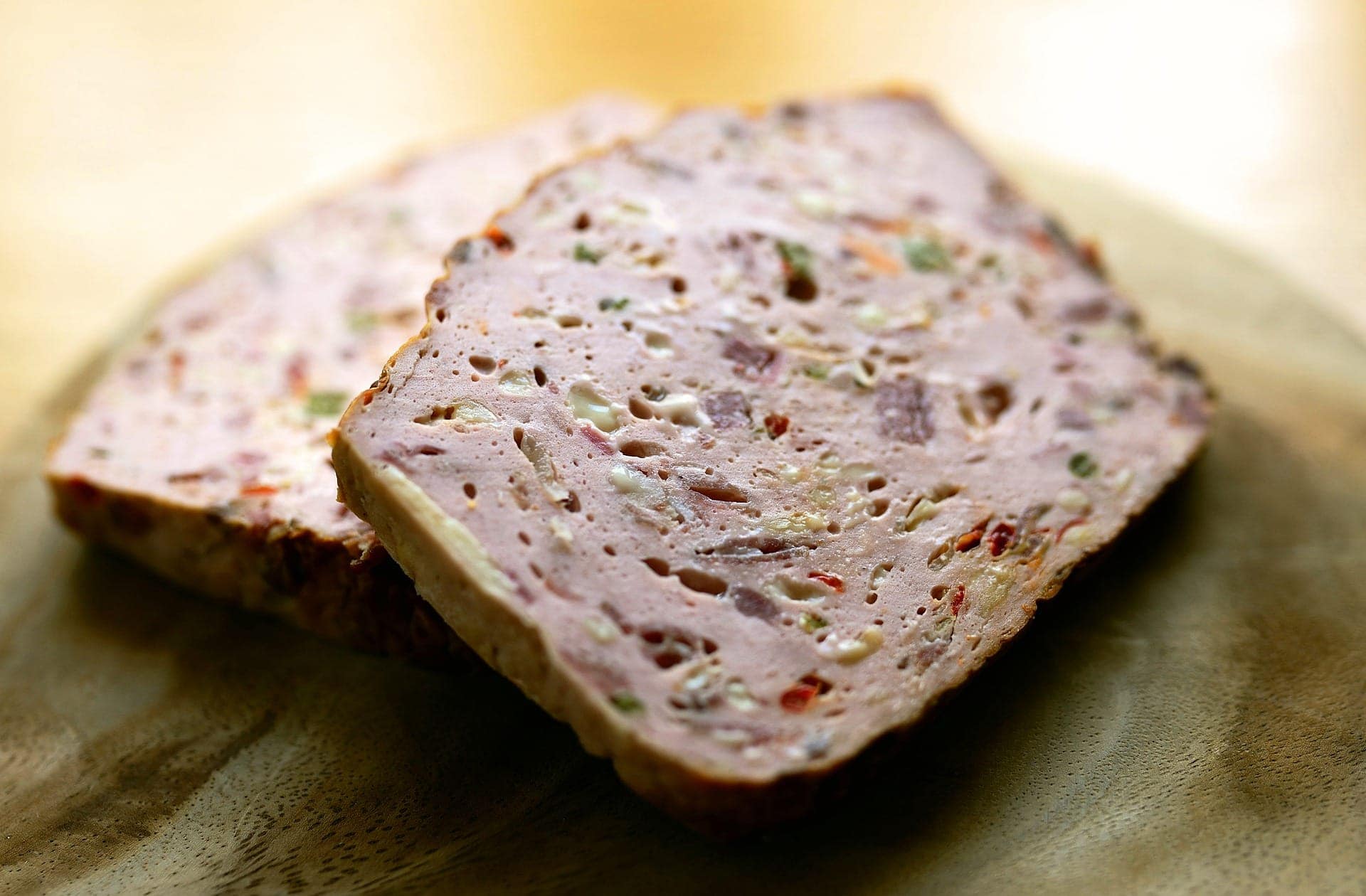
Meatloaf Dog Food Recipe
The creator of this delicious meatloaf recipe has a picky eater and wanted to create tasty food on a budget. This one has the added bonus that it will make your house smell amazing too!
Prep time
15 min
Cook time
20 min
Total time
35 min
Servings
24
Calories
1500 kcal
Equipment
- 1 Mixing bowl
- 1 Large mixing bowl for the oven
Ingredients
- 3 1/4 Cup Grated veggies (sweet potato, carrots, broccoli, zucchini)
- 2 Lbs Ground beef
- 1 1/2 Cup Old-fashioned oatmeal
- 2 Unit Eggs
- 1/2 Cup Cottage cheese
- 1/8 Cup Ground flax seeds
Instructions
- Preheat oven to 350°F. Mix all ingredients together in a large mixing bowl.
- Lightly butter two meatloaf pans and place ingredients in the pans. Bake in the oven for 20 to 24 minutes.
- Remove from oven and let cool. You can cut the meatloaf into single-serving portions and keep them in your freezer.
- Defrost each portion a day in advance in your refrigerator.
2. Chicken and Veggie Dog Food

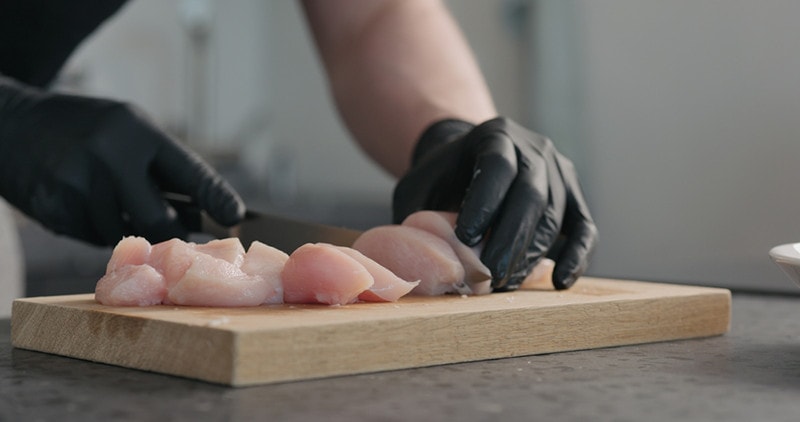
The same person makes this, and the best thing about it is its ease and simplicity—it’s simply grilled chicken breast and veggies! It also takes very little time to prepare and is packed with nutrients, and you can add some brown rice to bulk it up if you want.
3. TexMex for Pups
This recipe by The Dog Bakery is packed full of protein and vegetables. While this may take a bit more prep and cooking time than some other recipes, your dogs will adore the rich flavor of this bean-infused meal.
4. Beefy Rice
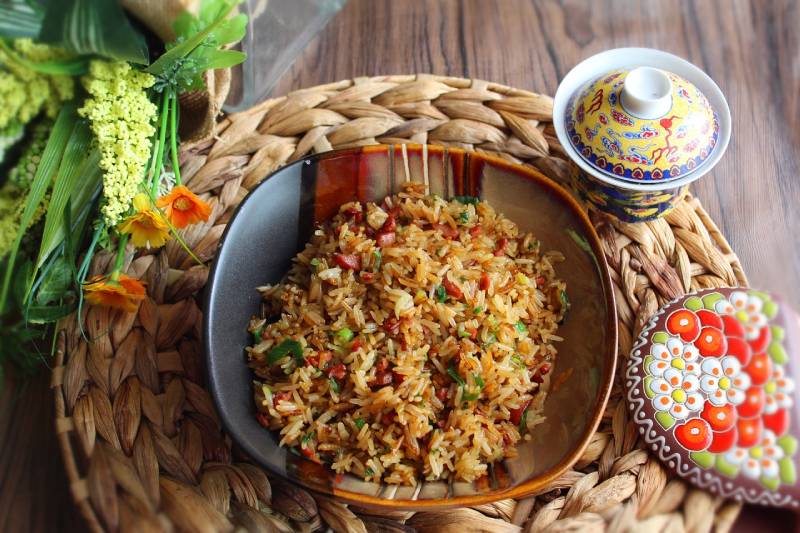
This recipe is a take on fried rice but healthier and beefier. Again, there is a fair amount of prep, but your pooch will love the rich rice and beef combination. You can even add a couple of eggs for flavor and a protein boost.
5. Very Berry Biscuits
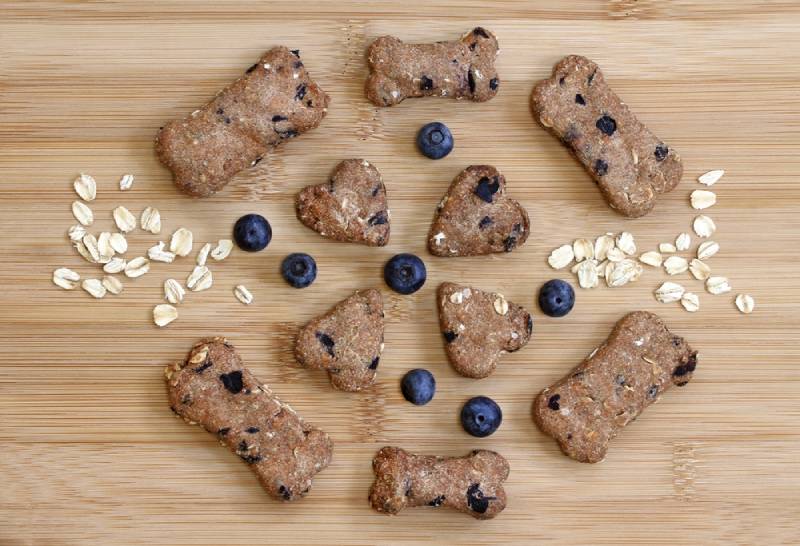
Did you know it’s possible to make your own delicious dog treats, too? This recipe is by the same author and provides all the details of knocking up a batch of these irresistible biscuits. They contain eggs for added protein, plus nutrient-filled berries for a flavor your pooch will adore. These biscuits are the perfect training tool, too!
6. Easy Doggie Omelet
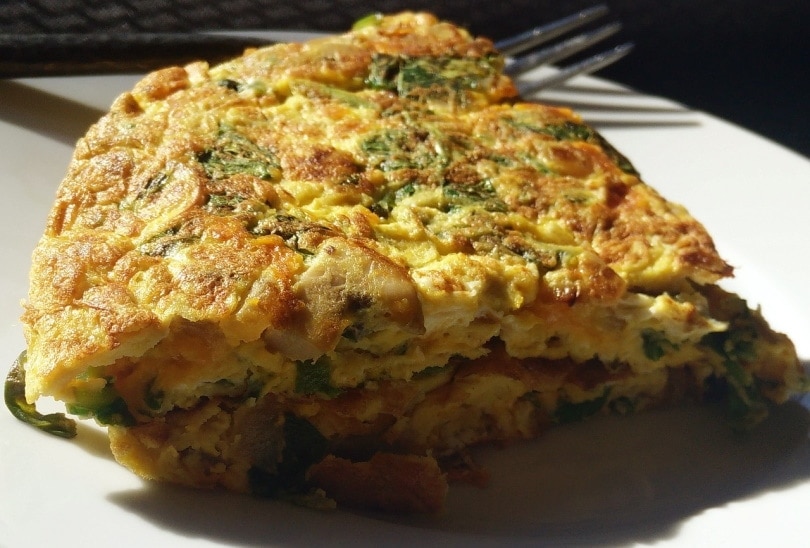
This recipe is quick and easy to make for your dog from scratch, and it is especially useful if you haven't got any food batch-cooked in the freezer and need a quick meal. Plus, it’s delicious and contains eggs for a great protein boost and salmon with healthy omega fatty acids.
7. Chicken with Oatmeal

This recipe uses oatmeal as the main carbohydrate. This can be useful if your dog struggles to digest wheat or grains. It also has chicken as a healthy protein source and delicious veggies. Best of all, it’s quick and easy to prepare.
8. DIY Homemade Dog Food

This versatile recipe can be chopped and changed depending on what you have in your fridge and cupboard. It uses turkey as the main protein source, which can be a great change from chicken or beef. It’s also packed with nutrients and easy to prepare.
9. Homemade Dog Food in a Crockpot
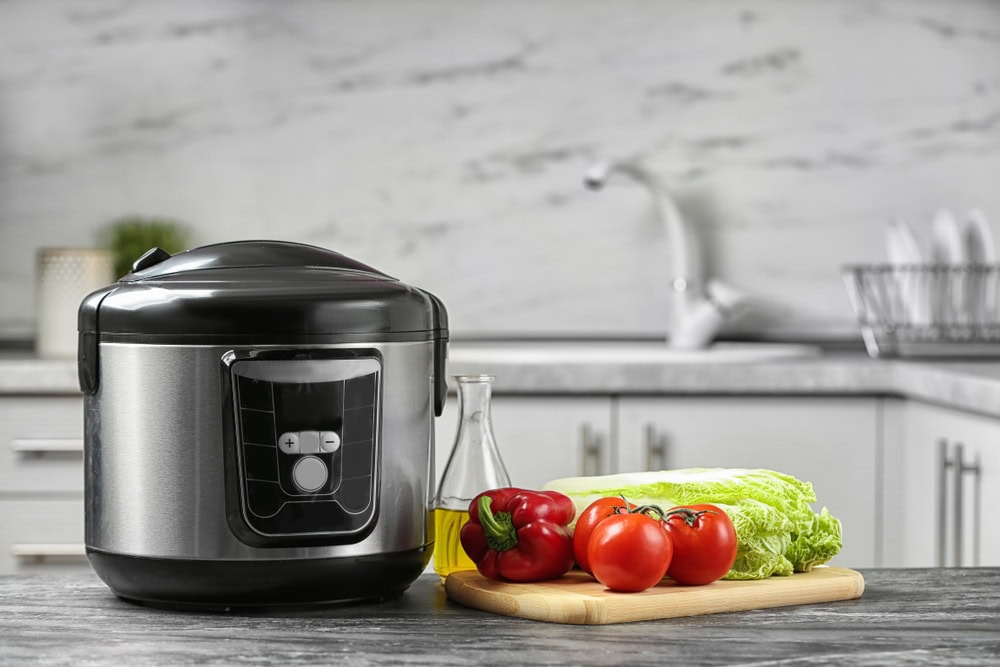
This recipe is convenient and easy as you can just throw all the ingredients into your crockpot and let the pot do the work! It will make around 12 cups of food and is a balanced and nutritious meal for your pooch.
10. Doggy Style Beef Stew
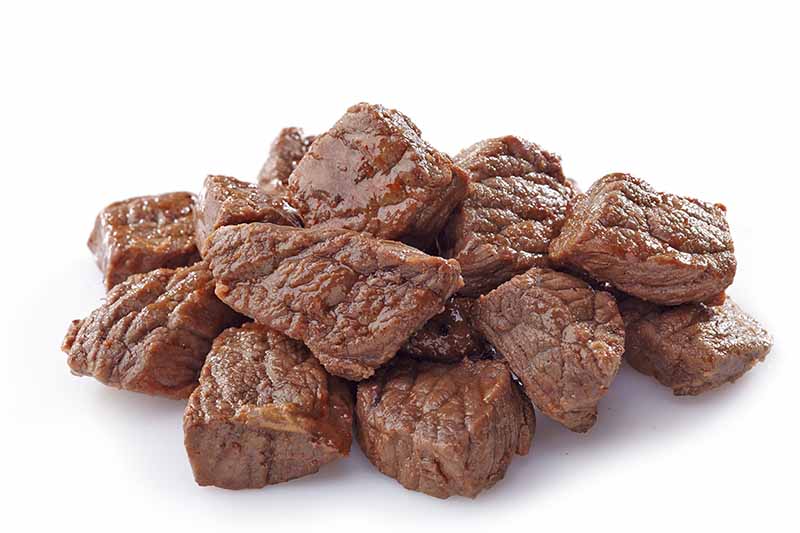
This recipe from Canine Journal is packed full of iron and is quick and easy to make. We all love a hearty beef stew, and your pooch will adore this delicious, healthy recipe! Depending on your dog, you’ll also have plenty of leftovers to freeze or refrigerate for additional meals.

Why Make Homemade Food for Your Dog?
There are many advantages to making your own dog food. One of the main draws is that you can control precisely what is going into the food, so you know that your dog is getting fresh, good-quality ingredients. You can source the food from reputable places and use organic products if possible. Whole food ingredients are considered a healthier option compared to processed food from factories. Before you decide to start making your dog’s food, there are a few things you need to consider:
- Calculate how many calories your dog requires per day. If you are not sure how to, your vet will be able to guide you. This depends on your dog’s age, weight, exercise levels, and any underlying health issues. There are a few things that will influence how many calories your dog burns per day. It is important to get this right before you start, as too many or too few calories will have detrimental effects on your dog’s health.
- Ensure the recipes you use are vet-approved and complete. They need to contain the correct proportions of protein, carbohydrates, fats, and other nutrients. If you are missing any of the major food groups, this can do severe damage to your dog’s health long term.
- Making your own dog food is time-consuming. Ensure you have enough time to dedicate to cooking and storing the food each week.
- Ensure you can afford to buy the ingredients each week. Normally batch cooking homemade food does work out cheaper compared to raw or fresh commercial dog food, but it is usually the same price or slightly more expensive than kibble. Make sure you factor this into your weekly shopping and budget for it.
- It may be necessary to batch-cook a few different recipes and store them if you have a picky eater. This way you can offer them different foods on different days to keep them interested.

Correct Nutrition for Dogs
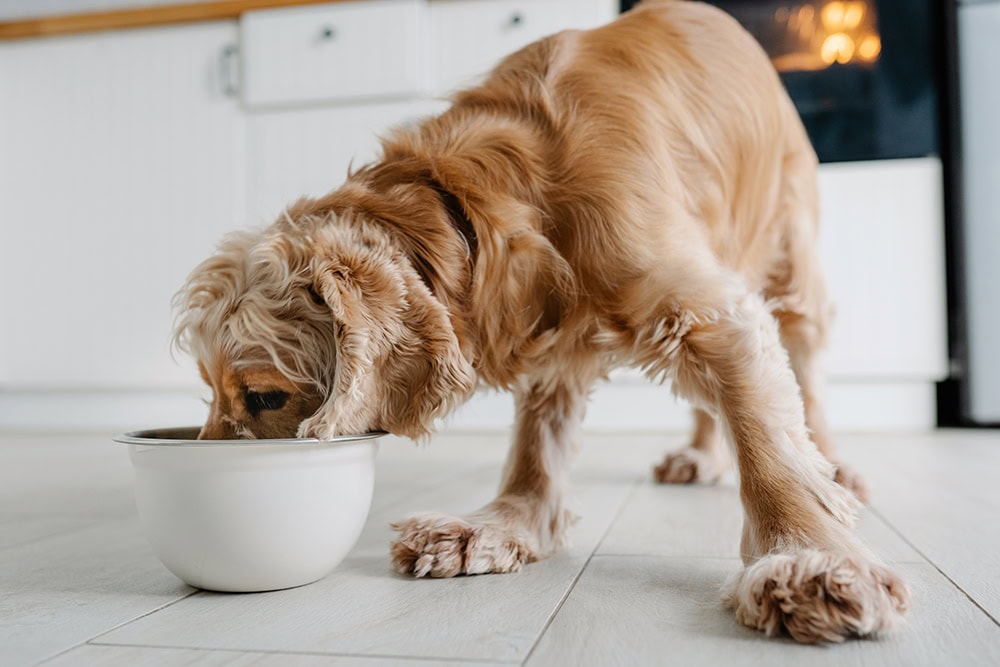
Dogs have specific nutritional needs just like we do. Correct nutrition is so important for dogs as imbalanced diets lead to nutrient and vitamin deficiencies which, long term, can cause a lot of problems for your dog.
There are 6 essential nutrients all dogs require.
Homemade diets require the correct amount of carbohydrates, protein, fats, and fiber. Due to the fact that in the wild, dogs would usually eat animal or vegetable matter, including contents of smaller animals' intestines and bones, they would be getting the correct balance of nutrients. If we are making our own food at home, we don't usually include these parts, so vitamins and minerals need to be added.
A rough guide for the composition of food includes:

How Much Food Should I Cook at Once?
As mentioned above, the first thing you need to do is to calculate how many calories your dog requires per day. Then you need to find some recipes and work out how many calories each portion is. When you know these things, you can start planning how much of each recipe you need and how much you want to cook for the week.
Food in the fridge will last approximately 5 days, depending on the sell-by date of the ingredients used. If you freeze some of the food, it can last up to 6 months, however, you need to allow time for it to defrost every day. Remember to divide your food into individual portions so you can easily grab one from the fridge or the freezer.
Making the Transition to Homemade Dog Food
If you have recently decided to change your dog to homemade food from commercial dog food, there are a few steps you need to follow for a smooth transition.
Start by adding small amounts of homemade dog food to your dog’s commercial food. Monitor their reaction closely. After a week or so, gradually increase the amount of the homemade food and reduce the commercial food. Continue to do this until you have completely phased out the commercial food.
If your dog has any vomiting or diarrhea, stop giving the food and continue with their usual diet. Reintroduce components of the new diet on an individual basis to test which one was making them react. Avoid anything that causes adverse effects. Importantly, if your dog has any health issues do not change their diet without consulting your vet first.

Conclusion
Dog nutrition is so important, and it’s great when owners decide to get involved and make their own food for their dogs. Always check with your vet if you are planning to make any changes to your dog’s diet, and only use vet-approved recipes to ensure you are feeding complete and balanced meals containing all the essential nutrients.
Ensure you know how many calories your dog should be eating, especially if they are a small breed so that they aren't under or over-fed.
Happy cooking!
Also see:
Sources
https://www.petmd.com/dog/nutrition/evr_dg_whats_in_a_balanced_dog_food
https://nap.nationalacademies.org/resource/10668/dog_nutrition_final_fix.pdf
https://www.thedogbakery.com/blogs/news/homemade-dog-food-recipes-for-small-dogs
https://www.smalldogplace.com/homemade-dog-food-recipes.html
https://topdogtips.com/homemade-dog-food-recipes-for-small-dogs/
https://patchpuppy.com/recipes/5-homemade-dog-food-recipes-for-small-dogs/
https://www.caninejournal.com/homemade-dog-food-recipes/#stew
Featured Image Credit: G-Stock Studio, Shutterstock
Get Hepper In Your Inbox


Pet care tips from our vets and experts, straight to your inbox.
You may opt-out at any time. View our Privacy Policy for more information.
Dr. Emma is an experienced vet who is always happy to share her knowledge and expertise with our readers. Her passion is surgery but she will happily talk about anything animal related. Dr. Chandley graduated from The Royal Vet College and since then she has worked in general practice in the UK. She has completed a postgraduate certificate in Small Animal Surgery and has also gained Advanced Practitioner status in the same discipline. She enjoys developing her skills in clinical pathology, animal behavior and nutrition as well.
Emma is an experienced veterinarian who is always happy to share her knowledge and expertise with our readers. She is passionate about surgery but will happily talk about anything animal related.
Experience
Since graduating, Dr. Emma has worked in general practice in the UK. She has completed a postgraduate certificate in Small Animal Surgery and has also gained Advanced Practitioner status in the same discipline. She also has expert knowledge in small animal medicine with a special interest in Endocrinology, although surgery is her passion. She enjoys developing her skills in clinical pathology, animal behavior, and nutrition as well.
Education
Emma received her degree from the Royal Vet College, University of London. She obtained her postgraduate certificate from the British Small Animal Veterinary Association and Nottingham Trent University.
She was granted Advanced Practitioner status by The Royal College of Veterinary Surgeons.
Join the conversation
Ask a question, share your story, or send private feedback.