Hepper is reader-supported. When you buy via links on our site, we may earn an affiliate commission at no cost to you. Learn more.
What Is Dog Food Made Of? 7 Typical Ingredients (Vet-Reviewed)


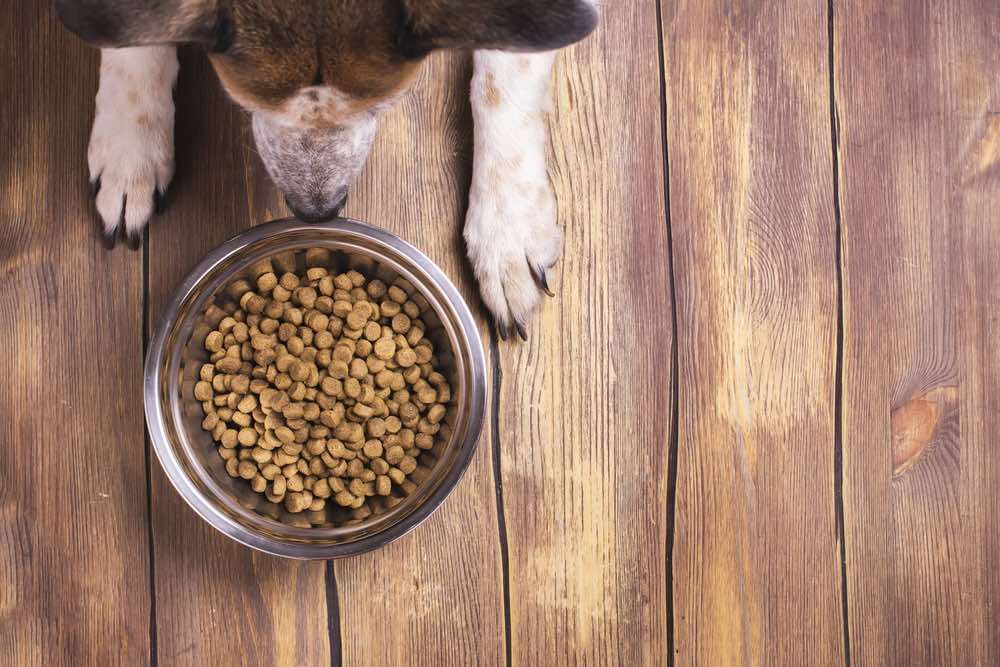
If you have a dog, you very likely feed them specific dog food of some sort. While all dog food has different ingredients, there are a few ingredients that are extremely common. Some of these are great options for most dogs, like chicken. However, there are a few extremely common ingredients that should be avoided where possible.
Because many recipes use so many different ingredients, it is impossible to go through all of these possible ingredients. However, below, we’ll take a look at the most common options—and whether or not they’re a good choice for your pet.

The 7 Ingredients Dog Food is Made Of
1. Chicken
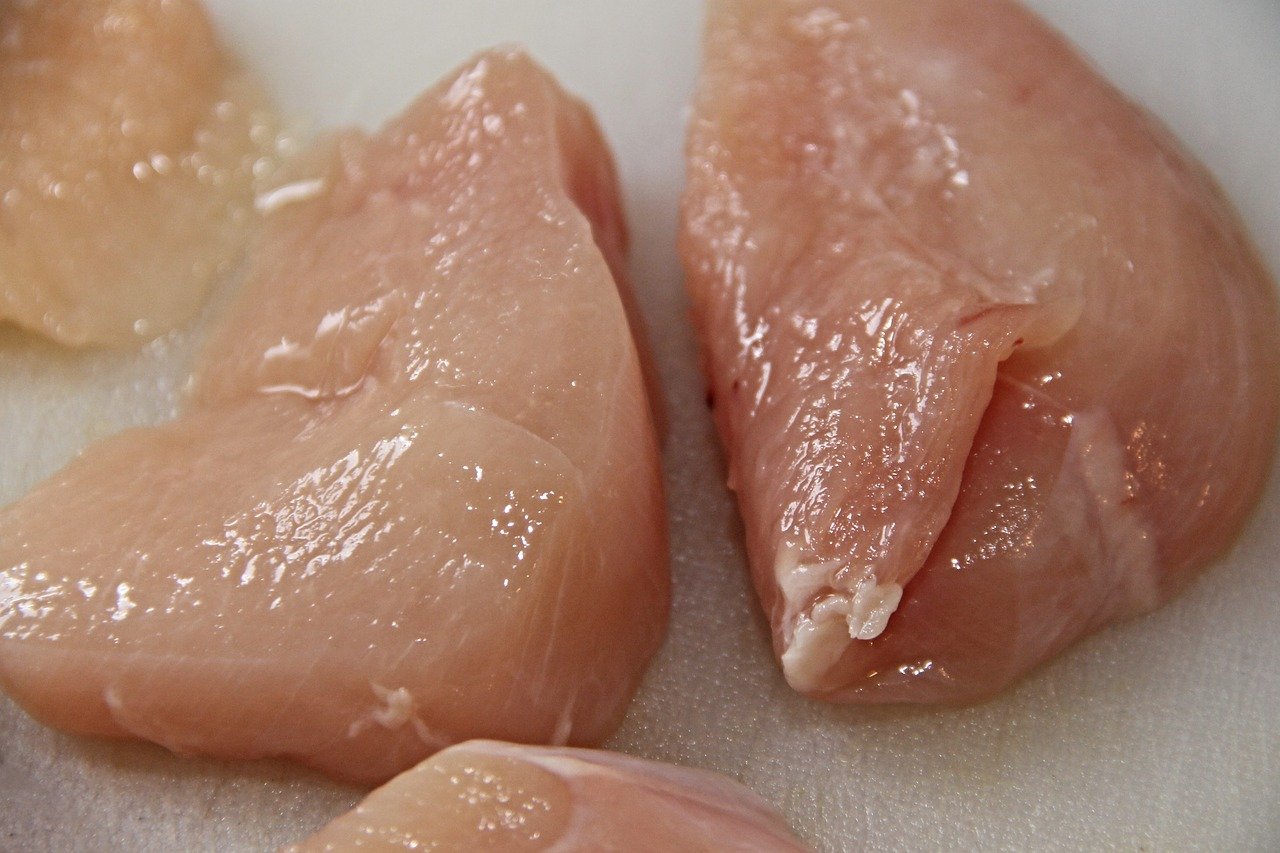
Chicken is probably the most common dog food ingredient. You’ll find it in just about every dog food in some form, including those labeled as other flavors. For instance, most salmon-flavored dog foods contain high levels of chicken, as well as salmon. Even in hypoallergenic dog foods, you’ll often find chicken fat.
Luckily, chicken fat is safe for dogs with chicken allergies to eat, since this ingredient doesn’t contain any of the allergy-causing proteins. Plus, chicken is also extremely good for most dogs. It provides high levels of protein and is quite lean, preventing excessive weight gain.
In fact, we highly recommend recipes that contain chicken (or some other source of protein).
2. By-Products
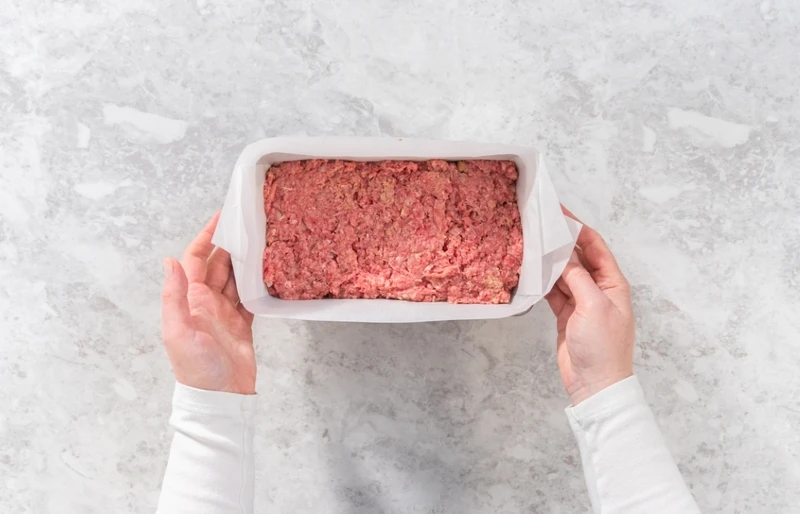
By-products are one of the unsightly ingredients out there. While by-products are not necessarily bad, they aren’t necessarily good either. By-products are made from anything found on an animal that isn’t typically eaten by humans. Therefore, most of the muscle meat isn’t included in this description. However, some other nutrient-rich meat is, like organ meats.
By-products can be quite nutritious if they are made out of these better cuts. The problem is that you can’t guarantee that the by-products in your dog’s food are made from the better cuts. Instead, they can also contain ingredients with little nutritional benefit.
For this reason, they are generally considered lower quality ingredients than whole chicken muscle meat. But that conception is wrong, as organ meats that humans would not consume can provide great nutritional value for a dog. For example, the heart has a high content of the amino acid taurine, and adequate taurine levels in dog food are very important for preventing the development of dilated cardiomyopathy or DCM.
As a general rule, nutrition labels that list specific by-product meats like “chicken heart” or “beef liver” are preferred over foods containing generic by-products such as “animal by-product” or “meat by-product”.
3. Grains
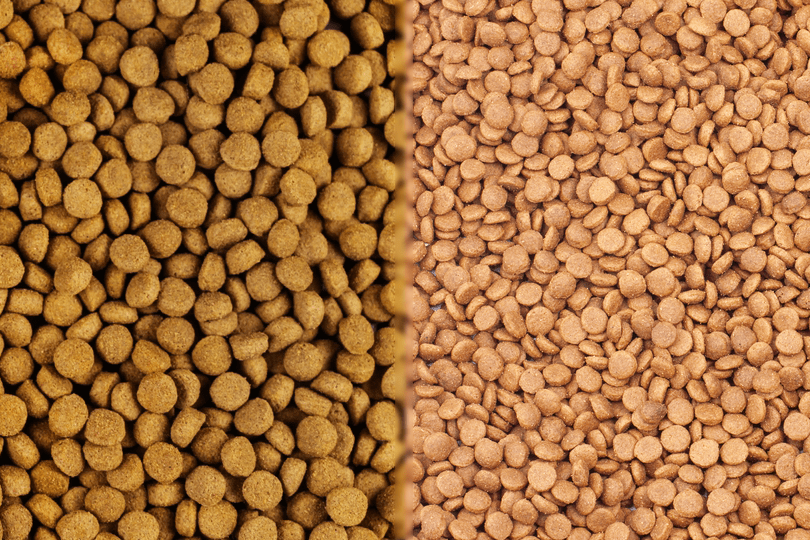
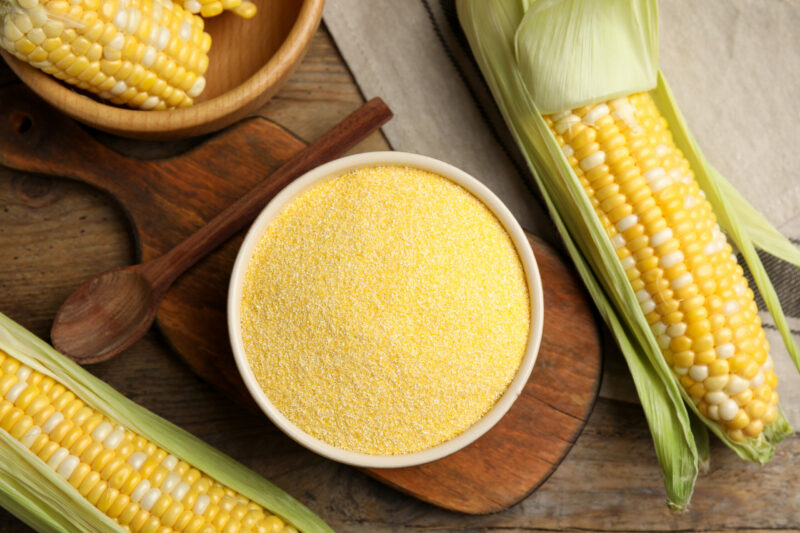
Grains in dog food are a little bit controversial. Many people argue that grains simply shouldn’t be in a dog’s diet. However, science has shown that dogs evolved to eat grains after being domesticated, likely because it allowed them to eat the foods humans were producing.
Grains provide dog food companies with a way to increase their foods’ carbohydrate content without increasing the fat content. Grains are an excellent source of carbohydrates, which provide easily accessible energy for your canine. Furthermore, whole grains also provide fiber.
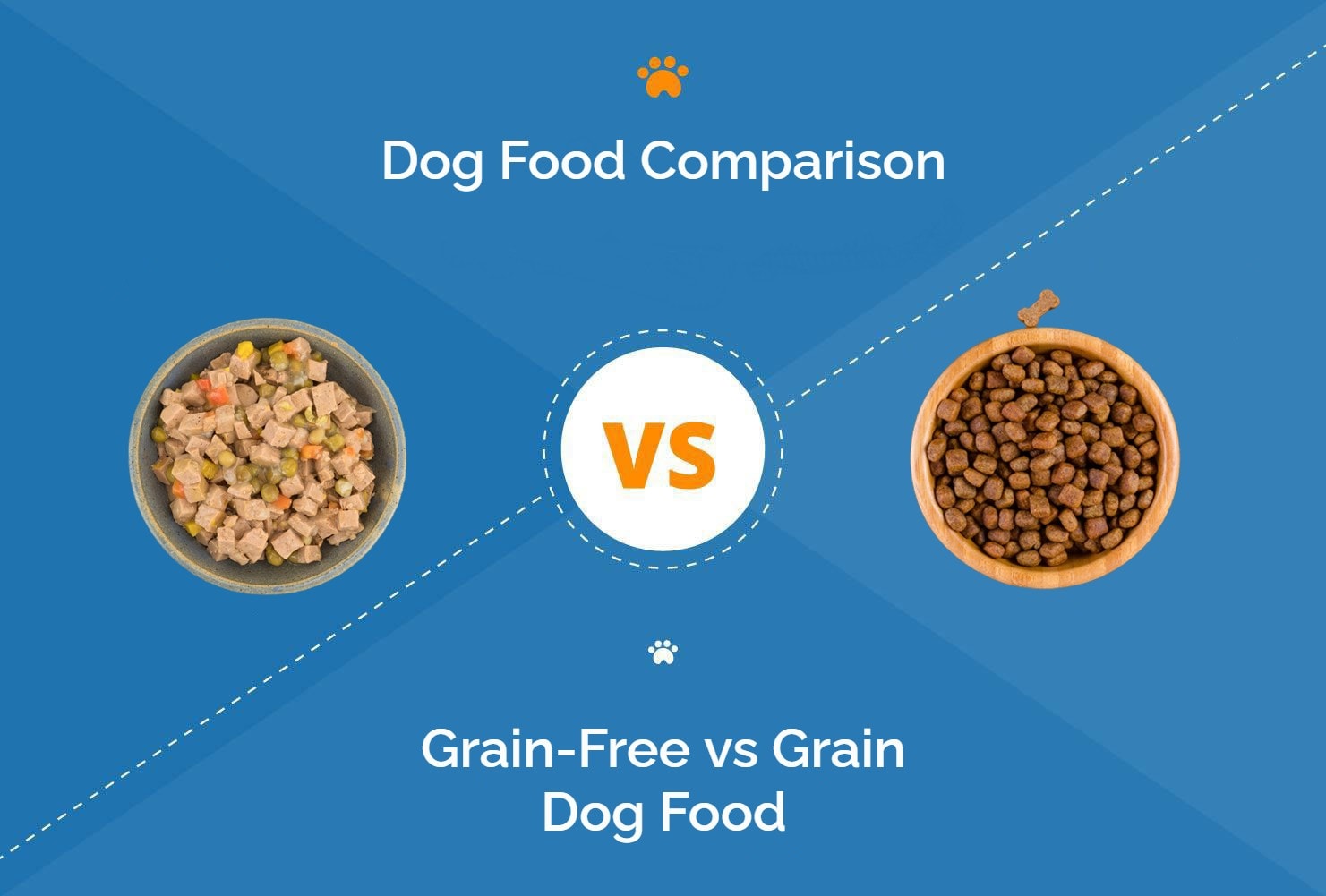
Some dog owners assume that grain-free food is lower in carbohydrates than other foods. However, this is not true in the least. Many companies use starchy veggies in grain-free food, which makes it about as heavy in carbohydrates as grain-inclusive food. The only way to determine how many carbs your pet is getting is to check the guaranteed analysis label on the package.
Some dogs are allergic to grain. However, most allergies are related to meat-based proteins. For instance, dogs can be sensitive to chicken and beef. Grain allergies are rare.
4. Peas
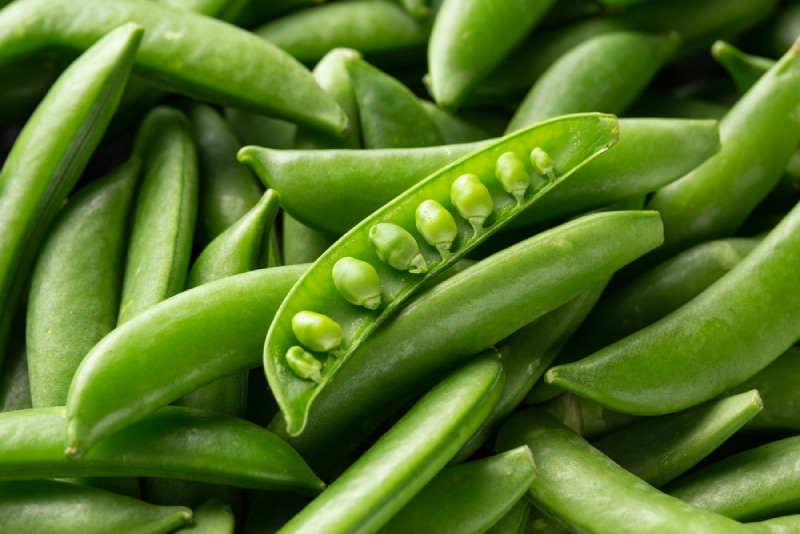
Many grain-free dog foods utilize peas. In fact, the large majority of grain-free dog foods use peas in place of grains. Therefore, the company doesn’t actually need to add more meat to their grain-free dog foods. Instead, they simply have to add peas, which are extremely inexpensive.
Peas are very high in protein. However, this protein isn’t complete, meaning it doesn’t contain all the necessary amino acids. Furthermore, its absorbability isn’t well-studied, so we don’t know how much pea protein dogs can actually use in their diet.
However, the FDA is currently investigating a link between high levels of peas and dilated cardiomyopathy (DCM), a serious heart condition in canines. There isn’t any certain information yet. Still, there seems to be a link between grain-free dog foods with high amounts of peas and certain heart conditions. Therefore, until more is known, you may want to avoid peas in your dog’s food.
5. Fish Oil and Flaxseed
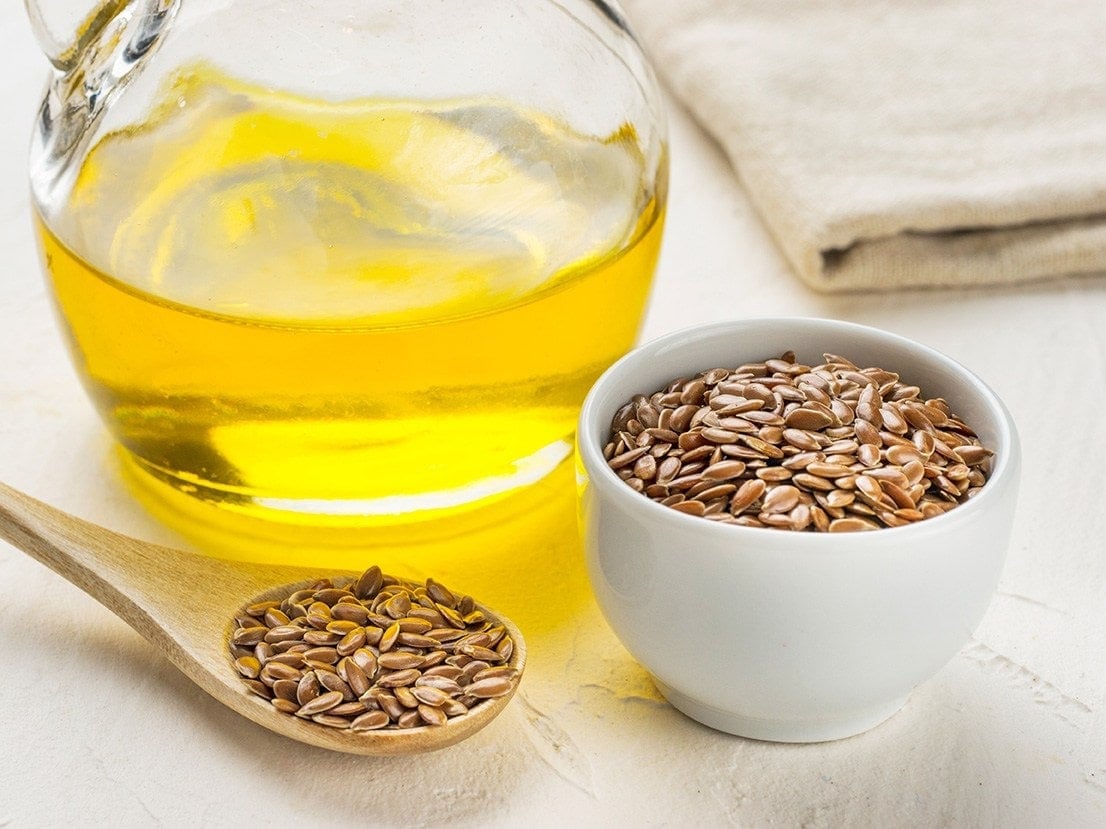
Fish oil and flaxseed both come from very different sources. However, they are utilized for the same purposes in dog food, so we decided to group them together.
Both of these oils contain high levels of omega fatty acids. Omega fatty acids provide lots of benefits to dogs, including increased skin and coat health, joint support, and brain development. Therefore, while omega fatty acids aren’t essential, many dog food companies include them in their recipes.
Dogs cannot make omega fatty acids on their own. Therefore, they have to consume them in their diet. There is no other way for them to get these acids. While flaxseed contains high levels of omega fatty acids in the form of alpha-linolenic acid, cats and dogs do not convert this efficiently into DHA and EPA (the most effective anti-inflammatory omega-3 fatty acids). Therefore, the anti-inflammatory effects of flaxseed are not as powerful as fish oil and higher doses may be needed to achieve an effect. Additionally, flaxseed is also used as a fiber source in pet food.
Generally, fats are extremely healthy for dogs. Unlike humans, increased fat does not increase your dog’s chance of heart disease. However, it can provide too many calories if your dog is overweight or inactive.
6. Beet Pulp
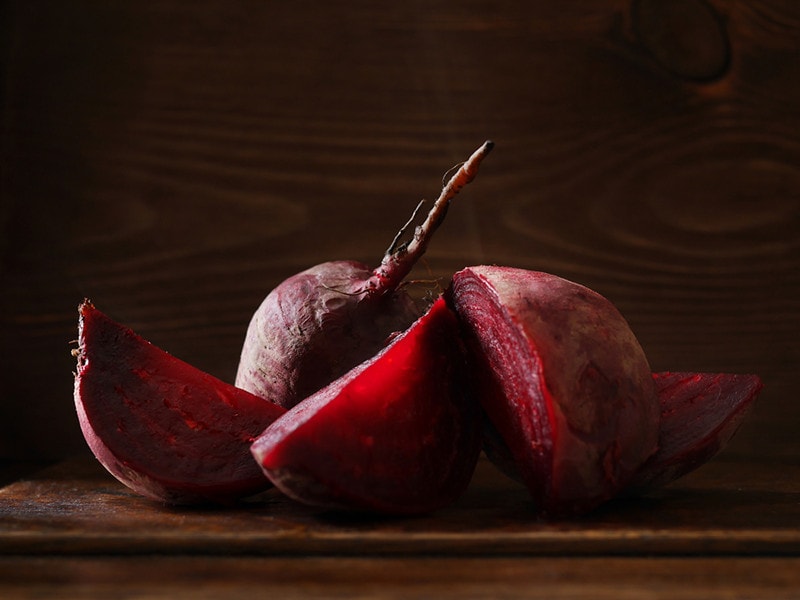
Beet pulp doesn’t sound like something that you’d want your canine to eat. However, it is an extremely good source of fiber that helps regulate your dog’s digestive system. Therefore, you’ll find beet pulp in many different dog foods, especially if they are grain-free and lacking in fiber.
Furthermore, fiber can also help your dog lose weight or maintain a healthy weight. It helps your canine feel full longer, but it doesn’t actually contain any calories because it isn’t digestible. It passes right through your dog’s digestive system, while also keeping your dog regular.
With that said, you don’t want too much fiber for dogs with high energy requirements or puppies. If your dog is extremely active, beet pulp may not be a great option for them. Otherwise, this ingredient is surprisingly healthy.
7. Corn Gluten Meal
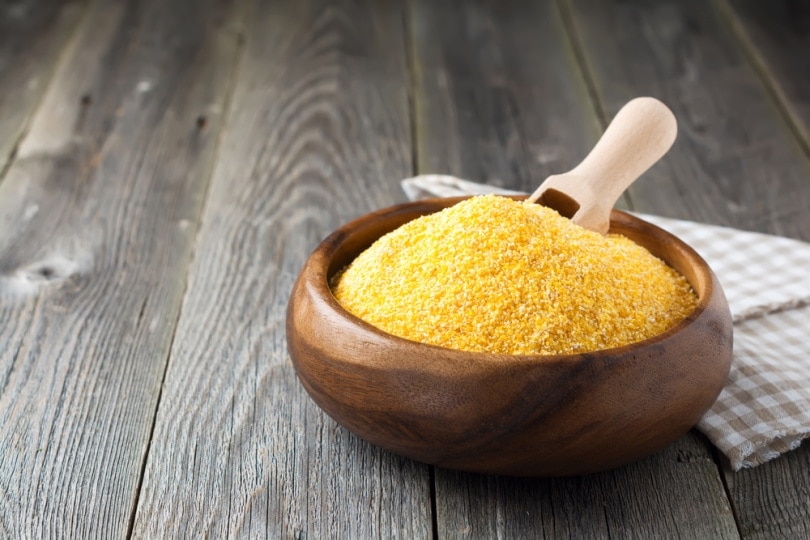
If there’s one ingredient that most dog owners are certain is bad, it’s corn gluten meal. In truth, this derivative of corn is extremely high in protein and extremely digestible, which means that your dog can actually digest and use the amino acids in the food.
The problem is when corn gluten meal is used as the main protein source instead of animal proteins. Corn gluten meal is a great way to increase the total protein content in dog food, but an excess of it has been linked to the formation of urinary stones.
Therefore, while this may sound like a controversial ingredient, it might provide some nutritional benefits to dogs. However, it is important to look into the details.

Conclusion
The ingredients above are commonly found in many dog food formulas. If you pick up a random bag of dog food off the shelf, you’ll likely find many of these ingredients in it. Furthermore, many of these ingredients are not what most pet parents would expect, especially when it comes to how healthy they are.
However, these ingredients just go to show how important it is to research your dog’s food and not necessarily listen to dog food advertising. Our dogs are not obligate carnivores, so they typically benefit from consuming grains and similar ingredients. Still, that doesn’t mean that all veggies are a good option.
For instance, peas may be linked with serious heart conditions. Despite this, they are still used in extremely high amounts in many different dog foods.
Related Reads:
Sources
Featured Image Credit: Ekaterina Markelova, Shutterstock
Get Hepper In Your Inbox


Pet care tips from our vets and experts, straight to your inbox.
You may opt-out at any time. View our Privacy Policy for more information.
Kristin is passionate about helping pet parents create a fulfilling life with their pets by informing them on the latest scientific research and helping them choose the best products for their pets. She currently resides in Tennessee with four dogs, three cats, two fish, and a lizard, though she has dreams of owning chickens one-day!
Join the conversation
Ask a question, share your story, or send private feedback.