Hepper is reader-supported. When you buy via links on our site, we may earn an affiliate commission at no cost to you. Learn more.
Why Do Dogs Roll in Dead Animals? 4 Vet Approved Reasons & Prevention Tips


In this article
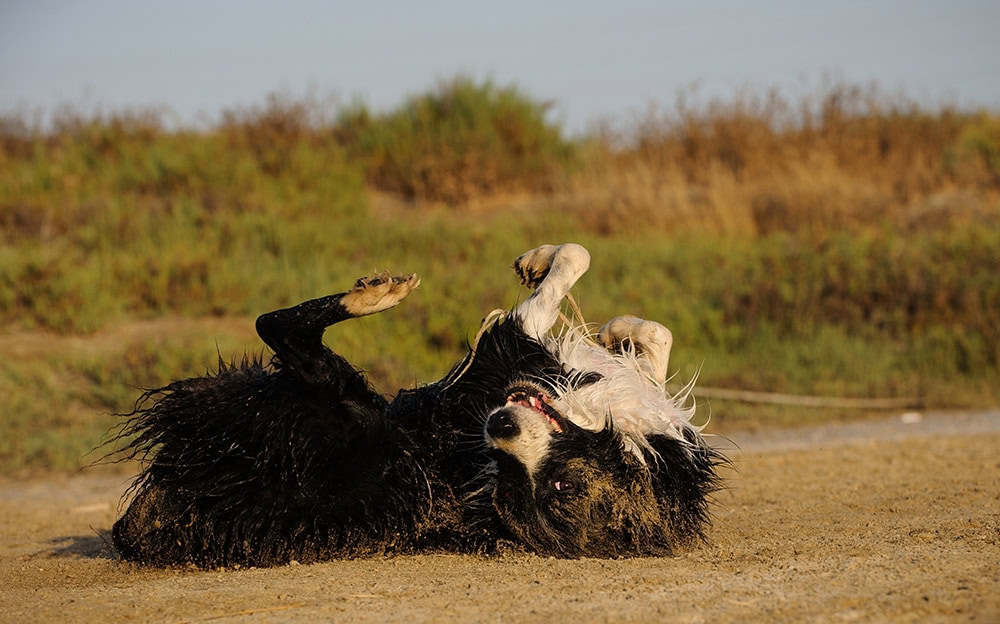
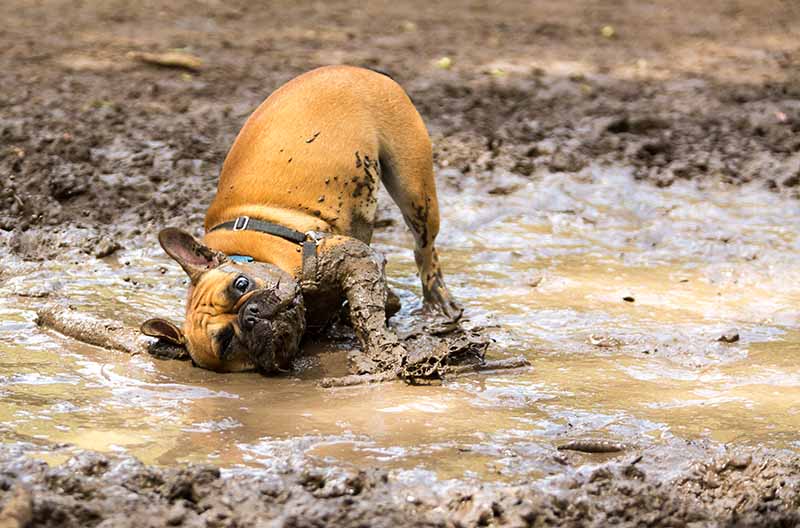
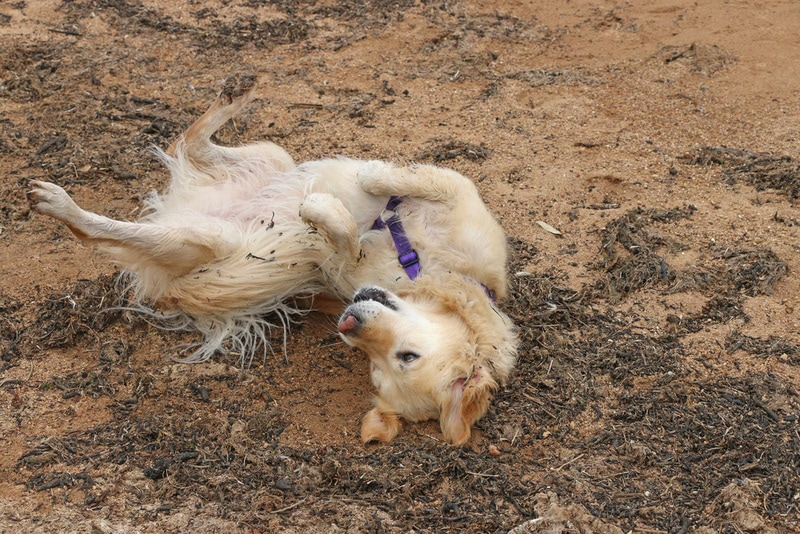
You’ve seen dogs roll around in dirt and poop—surely, it can’t get much worse than that? Unfortunately, it can; and if you’ve ever witnessed your dog roll around in something dead, you know just how ugly it can be.
But why do our dogs do this? What is happening in their brain to convince them that laying in a carcass is a good idea? Your dog’s instinct compels them to roll around in dead animals. Whether it is scent-marking, communication, or something else, it seems your dog is practically programmed to roll around in filthy things. To learn more about how you can prevent them from lying in a carcass, keep reading below.

Should I Be Concerned by This Behavior?
While gross, it is perfectly normal for dogs to roll around in dead animals. However, that doesn’t mean it is sanitary or safe, as dead things may carry infections you’d rather not let your dog get into. So, while this isn’t indicative of a behavioral issue, it isn’t something you want to encourage.
The 4 Reasons Why Dogs Roll Around in Dead Animals
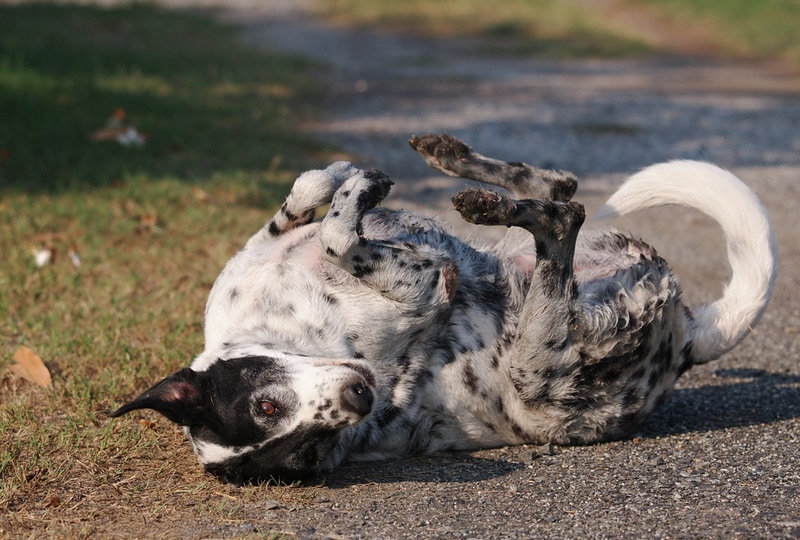
As mentioned before, your dog rolls around in dead animals, most likely due to instinct that was brought over from his ancient, wild ancestors. In all reality, we don’t know for sure. What exactly does this behavior accomplish? Take a look at some of the possibilities below.
1. It Masks Your Dog’s Scent
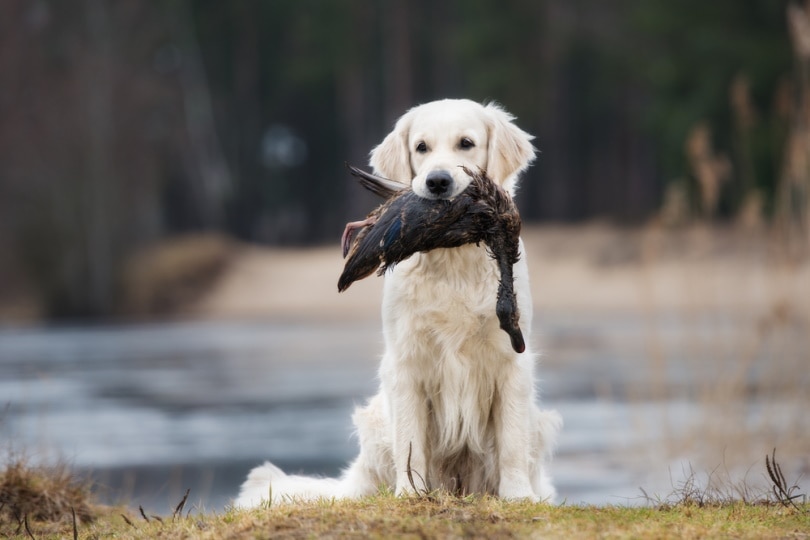
Dead things are smelly—overpoweringly smelly. Wolves are known to roll around in dead things to hide their own scent, making it easier for them to sneak up on prey. It is widely believed that dogs roll around in dead animals for the same reason. Even if they don’t have a need to hunt, the instinct is still there.
2. It Leaves Your Dog’s Scent Behind
Scent marking is an important part of declaring territory. Dogs often leave their scent behind by urinating or defecating, but that isn’t the only way to leave a mark. Rolling around on the ground is another way that dogs leave their scent behind. In the instance of dead animals, a dog may be rolling around in the carcass to leave their scent behind and establish it as their property and meal.
3. It Allows Dogs to Communicate
If a single wolf finds a dead animal, he may roll around in it and return to the pack to communicate to the other wolves what he has found. This is another possibility for why your dog is rolling around with dead animals—to communicate to others that there is meat nearby.
4. It Leaves Behind an Enjoyable Fragrance
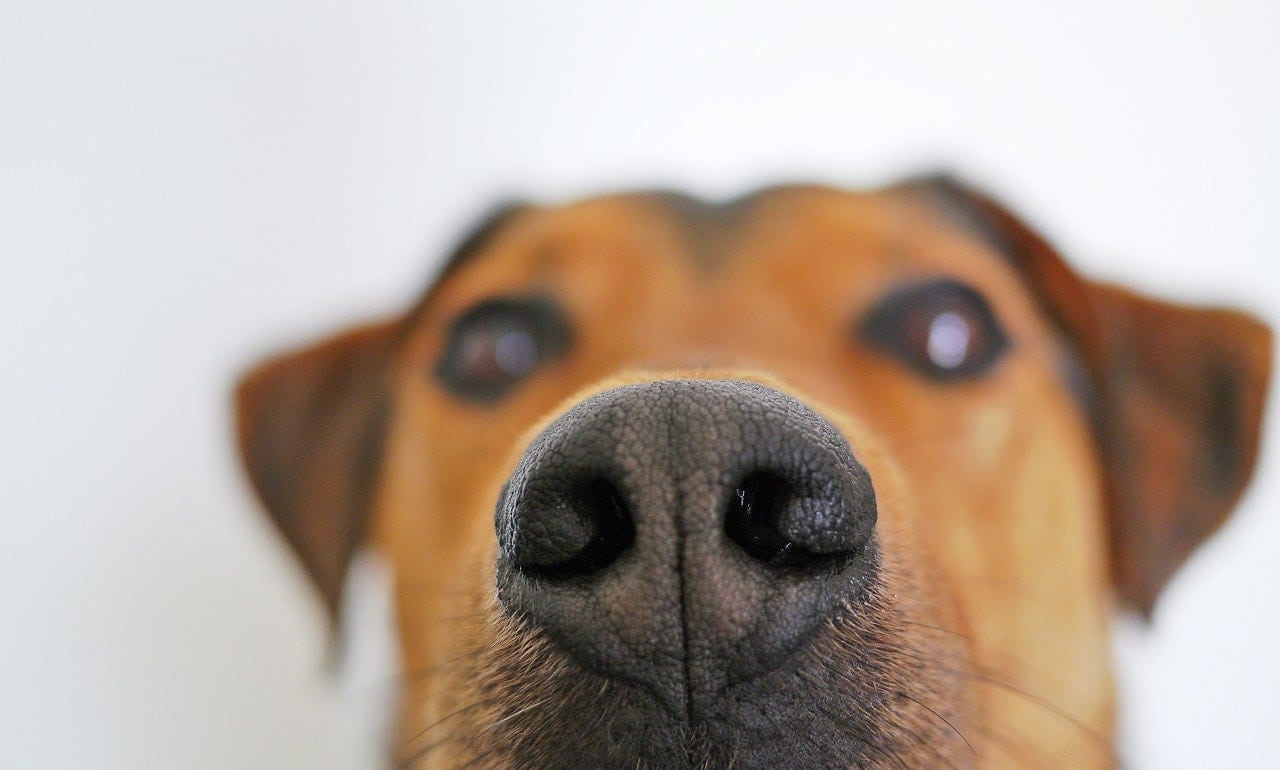
Humans enjoy fresh, clean fragrances, but dogs have differing opinions. Things we find gross (like dead animals) may smell strong and exciting to your dog. So, your dog will roll around in it to try and get another whiff of that powerful smell.
How to Prevent Your Dog from Rolling in Dead Animals
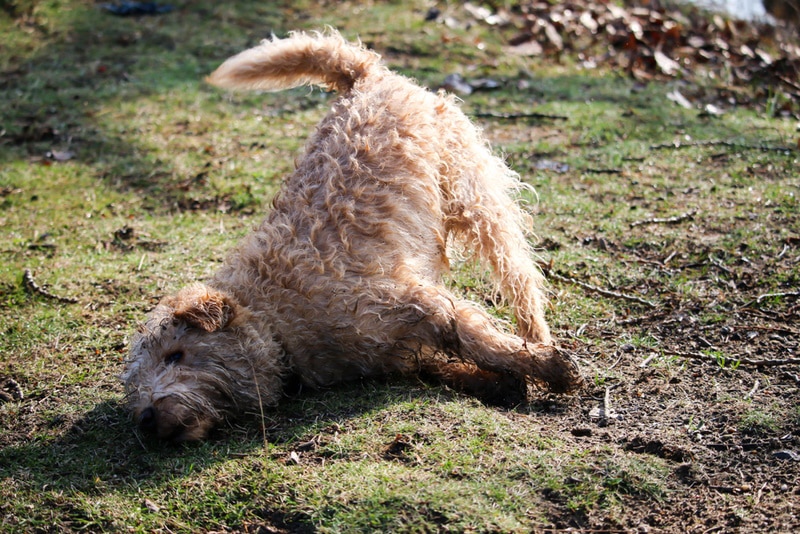
Nobody wants their dog to roll around in dead animals. It’s unsanitary and smelly. While you won’t be able to deprogram your dog from their instincts, you can train them to try and avoid these situations or change their focus.
One of the most effective ways to keep your dog out of a carcass is by establishing a strong recall ability. If you can call your dog and have them return to you promptly and consistently, you can recall them before they start rolling in filth.
The key is to be more interesting to your dog than the dead animal is, which isn’t going to be easy! Every part of your dog’s instinct will compel them to check out the animal, so recalling them from a carcass may require their favorite toy, a treat, and a happy tone. If you are stern or angry with your dog when you recall them, they aren’t going to be eager to walk away from an interesting dead animal in favor of their grumpy owner.
Of course, there isn’t always a guarantee that your dog will come when called, even if you pull out the juiciest of dog treats. If you are concerned about your ability to recall your dog, you should keep them on a leash outdoors, even if there isn’t a dead animal around.
Removing Dead Animal Smell from Your Dog’s Fur
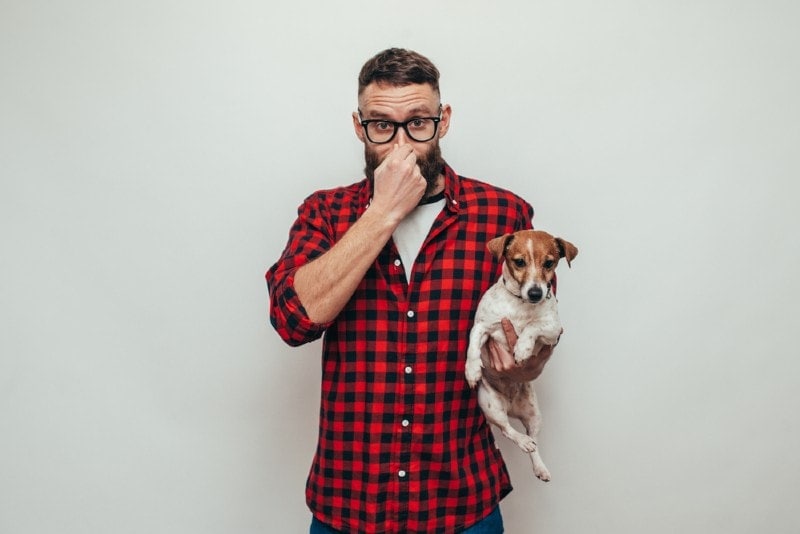
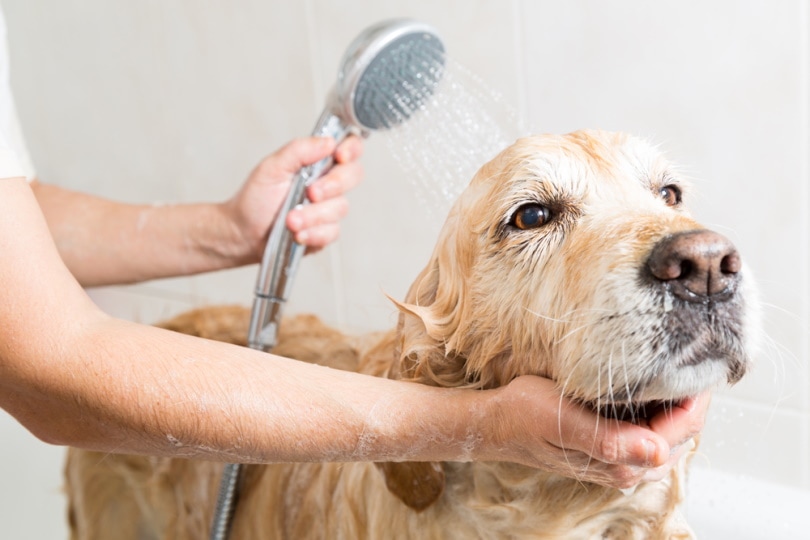
If your dog has rolled in something dead, you must wash them off immediately. The longer you wait, the firmer the stench will be ingrained in their skin and coat. Hosing your dog off outside is a great first step. You can get them semi-clean immediately, and you don’t have to bring such an overwhelming dead animal stink into your home. Then, you can take them to the bath.
It will likely take a few baths to remove the smell from your dog’s fur fully. However, bathing your dog too often in a short period may dry out their skin and cause damage to their skin and coat. Unfortunately, you may have to endure a stinky dog for a few days.
Baking soda can help minimize the leftover stench in between baths. Dust your dog’s fur with baking soda and let it settle for 5 minutes. Then, brush out his fur. Use a towel to wipe away any remaining baking soda, and let your dog shake himself off. Alternatively, use a dog-specific shampoo.
Final Thoughts
Rolling around dead animals is one of the more disturbing behaviors that dogs do. Although the existence of the behavior is normal and not concerning, rolling around in dead things can expose your dog to infections; therefore, preventing your dog from laying in dead animals is important. With a strong recall ability and quality canine shampoo, you can manage your dog’s instinct to roll around in dead animals.
Sources
Featured Image Credit: Kim Britten, Shutterstock
Get Hepper In Your Inbox


Pet care tips from our vets and experts, straight to your inbox.
You may opt-out at any time. View our Privacy Policy for more information.
Pets are Jordyn’s passion, cats especially. Whenever she has the opportunity, she loves to learn about them and share her knowledge with everyone. She is devoted to her tabby cat named Jack and works hard to buy him his favorite treats and toys. Discovering new ways to better care for her pet is always on her to-do list, and she is eager to help pet parents everywhere who have similar pursuits. In her spare time, she loves to read, write, and take long walks. She has a creative spirit, which often helps her to come up with funny cat names.
Join the conversation
Ask a question, share your story, or send private feedback.