Hepper is reader-supported. When you buy via links on our site, we may earn an affiliate commission at no cost to you. Learn more.
How Accurate Is DNA Dog Testing? What to Know Before Investing (Vet Reviewed)


In this article
DNA testing kits are super popular right now, especially due to the rise in pet ownership over the last few years. Millions of owners have mixed breed dogs, and some may question if their prized pup is a real purebred. Between curiosity and necessity, DNA testing for dogs is a mainstream practice that continues to grow. But how accurate are the DNA test kits, and are they worth buying?
The results of your dog’s DNA test may be quite interesting to read, especially if they match your expectations, but since the kits are not regulated by the FDA and the variable testing methods are currently lacking scientific backing, you need to be critical when interpreting them. If you’d like to pursue this, discuss it with your veterinarian first. Continue reading to find out more.

How Accurate Is DNA Testing for Dogs?
Although the companies that run the testing kits claim to be more than 90% accurate, the problem is that there’s not enough research to back up their results. In other words, while they do claim to have a high success rate in terms of accuracy, there is no real guarantee of this, and it may depend on many factors. You rely on the lab’s ability to compare your dog’s individual DNA markers with those in a growing database. Different companies advertise different breed database sizes and testing methods. Currently, though, most of these commercial companies have no external or unbiased validation when it comes to the testing methods that they use, often causing even more confusion than before.
How DNA Testing Works
DNA in Dogs
DNA, also known as deoxyribonucleic acid, contains the genetic code that’s unique for every living creature. Nearly every cell in the body contains the complete set of the DNA that defines that particular individual.1 All humans and animals have their own specific codes, but they also have similarities to one another. Genetic markers are DNA sequences found on the chromosomes, which the labs use to help determine dog breeds and health conditions.2
How Is Dog DNA Collected?
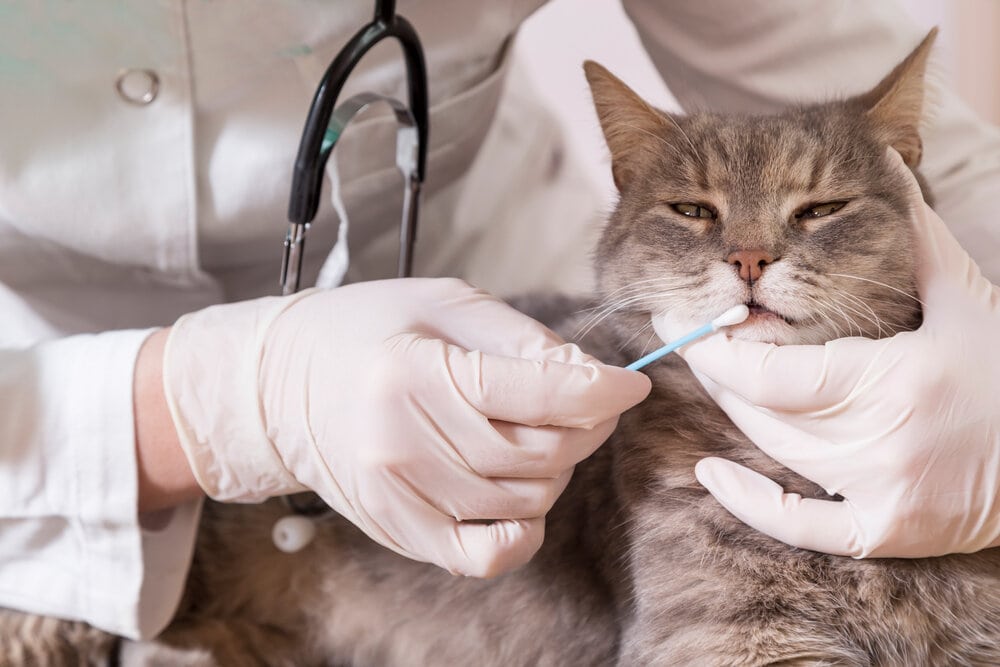
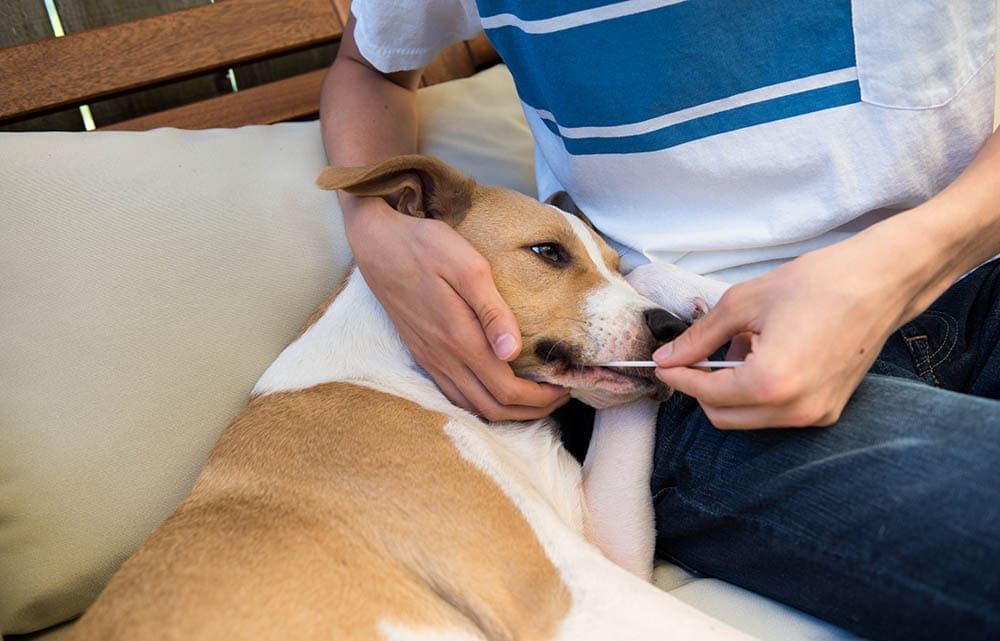
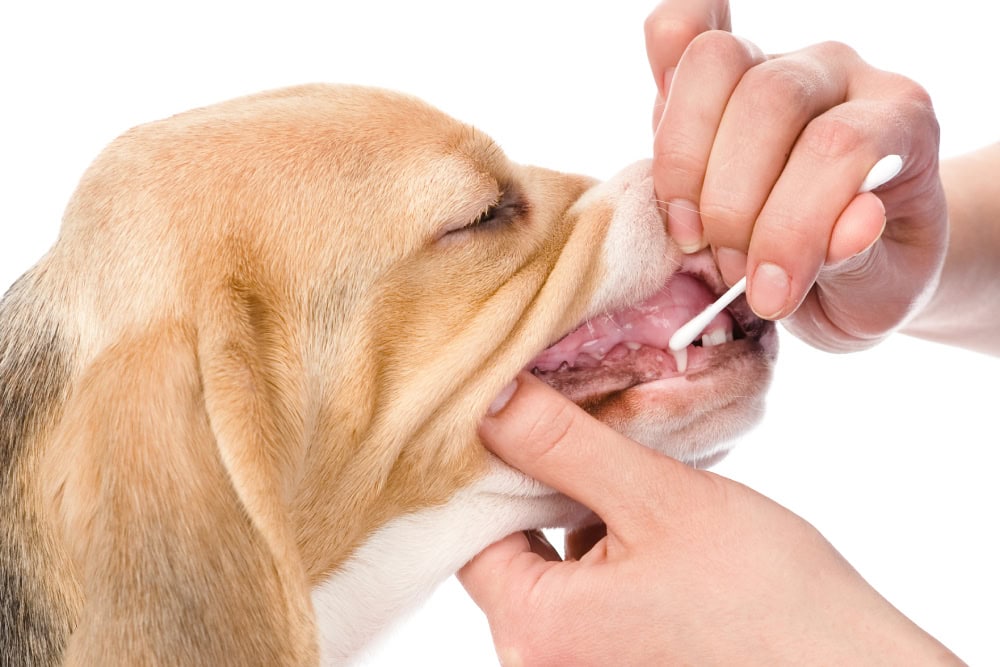
Most kits request a sample of saliva, which contains cells that have your dog’s DNA. The testing labs extract the DNA from the cells in the saliva in order to find the genetic markers.
Accuracy of DNA Testing
DNA is a blueprint of the body, so how could it possibly fail? Unfortunately, determining the accuracy of dog DNA testing kits is a gray area because there is no peer-reviewed research available to back up any particular testing method and the kits are not FDA regulated. Sampling saliva leaves room for mistakes, as there are bacteria in the dog’s mouth and possibly even DNA from another pet, if the dog played with another animal recently or lives in a multi-pet household.
Companies that send out these test kits rely on their own labs to discern the DNA, compare it to a database, and then give the dog owner the results. While these companies boast a high percentage rate of accuracy, there’s no real way to prove that the results are accurate, and unfortunately, some businesses may just use pictures of the dog to make guesses regarding their breed, rather than checking the actual genetic markers.
However, the general idea of DNA testing a dog is promising and already in use by many veterinary laboratories. It can help with detecting a predisposition for certain health and genetic issues if it’s performed under the guidance of your veterinarian (though it still may not mean that the dog will definitely develop the condition). This type of testing typically requires a blood or tissue sample, which is why it’s more accurate than a simple saliva test.

The DNA Testing Process
If you decide to get your dog tested, even knowing the potential downsides, do your research first, and consider a reputable company. Also, while the results can make great conversation starters with friends, take them with a grain of salt.
Collecting a Sample
Before opening the swabs and any containers, read the instructions on the DNA kit carefully. Since most kits use saliva swabs, you’ll have to take a sample from your dog’s mouth. Rub the swab on the inside of the cheek, making sure to collect enough saliva for an accurate sample. Since labs need to have enough DNA, they may send a second swab or tell you how long the swab should be in contact with the inside of your dog’s cheek or gums. Make sure your dog hasn’t played with another dog recently in order to avoid inaccurate results.
Sending the Swab for Testing
Once you have the samples, send them in for a full DNA analysis. This is the part where everything seems to be slightly in the dark, especially since you may have to wait up to 4 weeks for the results. Trusting the company to accurately map out your dog's genetic makeup is a bit of a leap of faith, and it can be somewhat expensive.
Getting the Results
After extracting the genetic markers, the company compares them to their breed database, creates a results report, and then sends it to you. The results will break down the possible breeds contained in your dog’s genetic makeup and possible health problems that your pet may inherit.
Conclusion
DNA testing is incredibly popular right now, but many people are questioning its accuracy. Although the companies claim to be quite accurate, there's no way to cross-reference their findings due to the lack of peer-reviewed scientific research and external validation of their methods. Also, while some genetic tests can help determine if your dog is prone to certain conditions, they aren’t always accurate.
It’s best to consult with your veterinarian when it comes to genetic health testing, as they will recommend reputable laboratories and blood sampling. If you have a mutt or a questionable purebred, DNA testing can give quite surprising results, and in certain cases, some are more accurate than others. You’ll simply have to accept the results for what they are, which can leave you with more questions than before.
Sources
Featured Image Credit to: Anna Hoychuk, Shutterstock
Get Hepper In Your Inbox


Pet care tips from our vets and experts, straight to your inbox.
You may opt-out at any time. View our Privacy Policy for more information.
Nicole is a lover of animals of all sizes but is especially fascinated with the feline variety. She’s the proud mom of Baby, a Burmese, and works every day so he can relax in the sunshine or by the fire. She’s always had a cat in her home and has spent countless days with others, observing behaviors and softening up even the grouchiest of the lot. Nicole wants to share her kitty expertise with you so you and your cat can live happy, healthy, and care-free.
Join the conversation
Ask a question, share your story, or send private feedback.