Hepper is reader-supported. When you buy via links on our site, we may earn an affiliate commission at no cost to you. Learn more.
Dog Allergy Testing: Types, Reliability & How It Works (Vet-Approved Guide)



In this article
An allergy is a hypersensitivity to a specific allergen, like grass, wheat, or dust. If your dog has allergies, you already know what we’re talking about—itchiness, vomiting, diarrhea, swelling, inflamed skin, and other uncomfortable side effects that make you and your dog feel helpless.
That’s where dog allergy testing comes into play.
Various testing techniques exist, and each one offers pros and cons. In this post, we discuss each type of test and which one may work best for your dog and budget.
Please Note: The information in this article pertains to environmental or food allergy identification in dogs. The allergy to flea saliva, also known as flea allergy dermatitis, is a very common diagnosis in dogs and usually doesn’t require these tests.

How Does It Work?
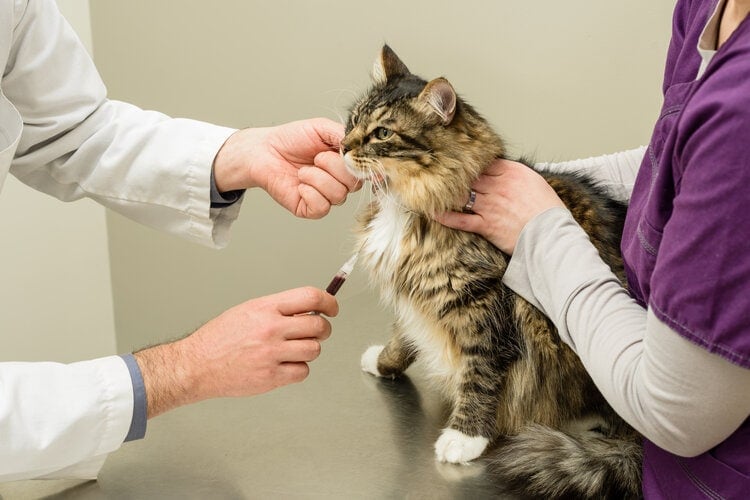
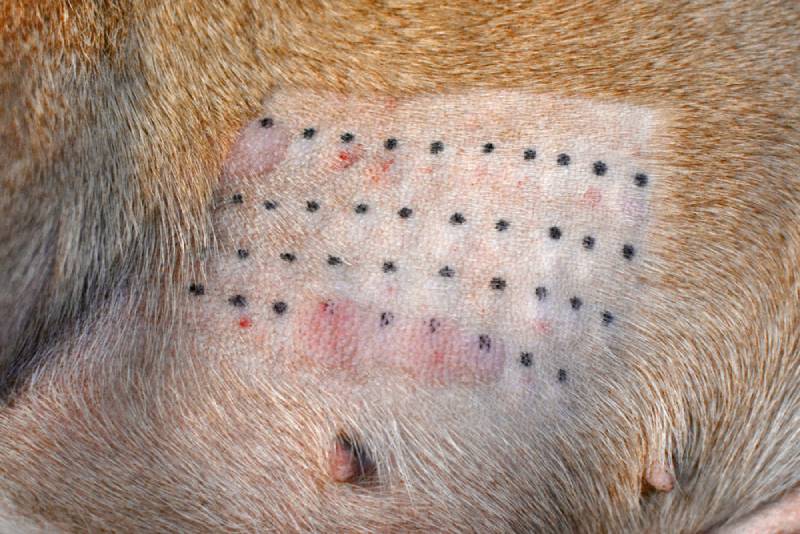
Testing for allergies involves collecting a skin, blood, or saliva sample from your dog and sending it to a lab to test what allergens evoke a response from your dog’s immune system. In the case of a skin test, your veterinarian can test for allergens in the hospital.
Depending on the test, a few more steps will be involved. For example, some tests require your dog to be sedated and shaved at a veterinary hospital, whereas other tests can be performed at home with a simple saliva test.
The timeline for receiving test results also varies. You can wait anywhere from 24 hours up to 3 weeks.
Prepping for Testing
Before you and your dog undergo weeks of allergy investigation, your veterinarian must first rule out flea allergies.
Next, veterinarians rule out any non-allergic skin diseases that could be the culprit of your dog’s discomfort. Otherwise, you could end up treating an allergy when the allergy never existed.

The 3 Types of Dog Allergy Tests
You can test your dog for allergies using four techniques. Each option has its own pros and cons and varies in cost. Let’s take a look at the possibilities.
1. Intradermal (Skin)
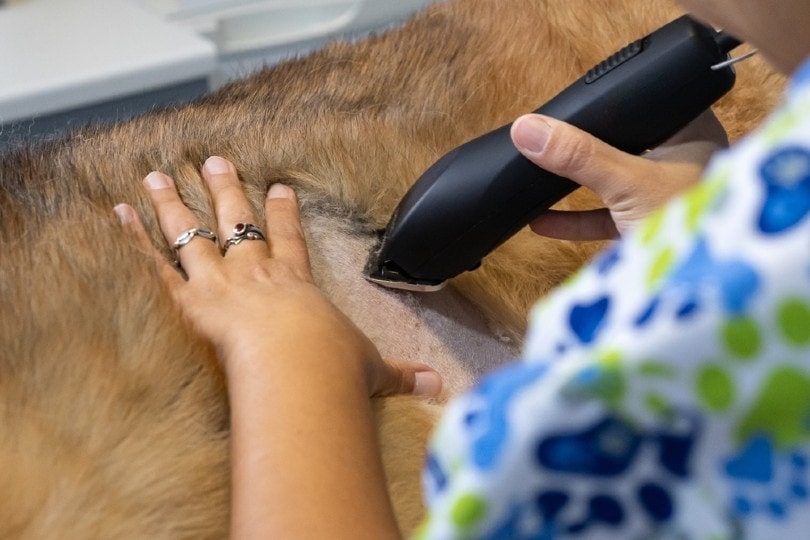
Intradermal testing (IDT) is the gold standard for testing dog allergies, though it is not without its limitations. To perform an IDT, your dog has to spend some time at the vet. The veterinarian will sedate your dog, shave a patch of fur, inject potential allergens into your dog’s skin, then monitor for results.
It’s invasive, to say the least. Plus, it can usually only be performed by a veterinarian in a specialist clinic or hospital, which is expensive and may not be available in your area.
On the bright side, IDTs are quick. Veterinarians can see skin reactions within minutes to a few hours.
2. RAST (Blood)
A radioallergosorbent test, or RAST, is a single blood test that tests for IgE antibodies. It’s not as fast as an IDT (and may yield some false positives), but it is easier since it requires taking one blood sample and sending it to a lab.
Unfortunately, a RAST cannot diagnose atopic dermatitis, however it can be used to identify the underlying cause of diagnosed atopic dermatitis. But it requires far fewer materials and prepping than an IDT because it doesn’t require a specialty veterinarian, sedation, or fur shaving.
3. Saliva
Saliva is usually used for at-home allergy tests since they’re easy samples to collect and don’t require refrigeration. Once collected, you ship the sample to the lab and await the results. The lab will send you the results via email or snail mail.
Note: It’s wise to share these results with your veterinarian.
How Much Does Dog Allergy Testing Cost?
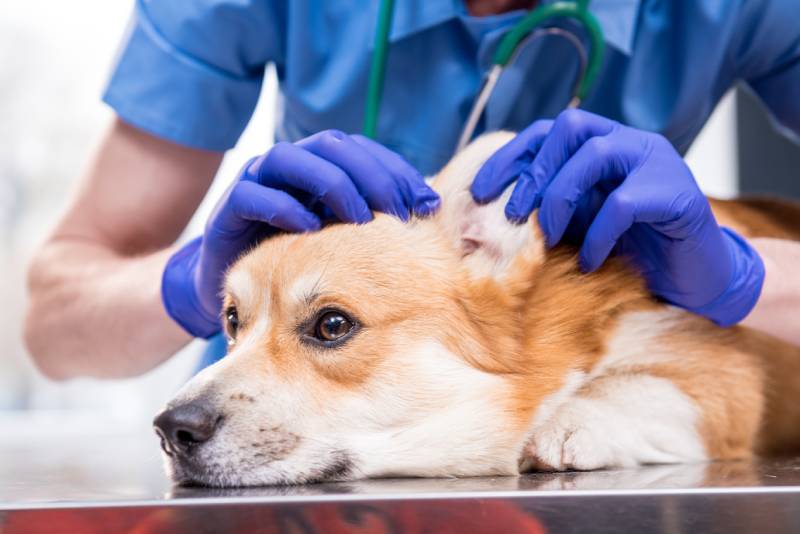
The cost of an allergy test varies greatly. Veterinarian-performed tests are the most expensive options since they require labor, medications, sedation, and shaving. You will also have to pay for exam fees.
For in-clinic tests, you can expect to pay between $300 to $1,000. At-home tests are far cheaper, ranging between $100 to $300. They’re also easier and don’t require vet exams. However, they’re sometimes less reliable and can even offer false readings (especially if you don’t collect and handle the sample properly).
What Comes After Testing?
After receiving the results, you and your veterinarian will devise a plan to improve your dog’s well-being. This can be accomplished through diet elimination, medication, or hyposensitization.
1. Diet Changes
If your dog’s allergies result from an ingredient in dog food, you may not always have to undergo any specific tests. Your vet may recommend a food elimination trial instead, however, this is usually only performed after other presumptive causes of your dog’s skin woes are ruled out, and if you’re not willing to perform an allergy test.
2. Medication
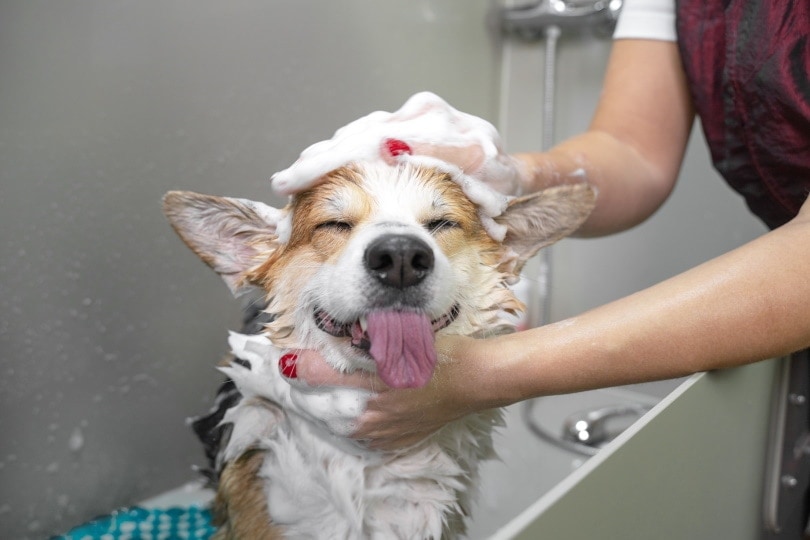
Plenty of prescribed and over-the-counter medicines, including medicated shampoos, exist to help ease allergy discomfort for dogs. It all depends on what would work best for your pooch.
Since animals require different dosages of over-the-counter medicines, consult your veterinarian before giving any medication. Since animals require different dosages of over-the-counter medicines, consult your veterinarian before giving any medication.
3. Hyposensitization
Hyposensitization is when your veterinarian gives your dog a small amount of the antibodies via injection or by mouth for 1 to 4 weeks. The goal is to build immunity toward the offending allergens.
Improvement takes time, but roughly 60–80% of dogs progress after hyposensitization.
Is Dog Allergy Testing Worth It?
Truthfully, limiting a dog’s exposure to every allergen is impossible. Therefore, allergy testing can help your pet feel in tip-top shape by potentially identifying the offending allergen. It will also arm you with the knowledge to make better decisions for your pet.
Of course, not everyone can afford expensive testing which is why at-home tests exist. Just know the limits of at-home tests.

Frequently Asked Questions (FAQs)
What Is the Most Common Dog Allergy?
There are several allergies, but the most common environmental allergies are mold, dust, pollen, and certain grasses. Dogs may also have food allergies, though these are less likely than environmental allergies. Flea allergy dermatitis, an allergy to flea saliva, is the most common allergy in dogs, and is usually diagnosed without allergy tests.
How Can You Tell if Your Dog Is Allergic to Food?
The most common signs are gastrointestinal distress, such as vomiting and diarrhea. In some rare instances, a true food allergy (not an intolerance) will incorporate signs such as hives, itchiness, or facial swelling.
How Long Do Allergy Test Results Take?
Results vary from test to test. You can expect to wait anywhere from 24 hours to 4 weeks.

Are At-Home Allergy Tests Accurate?
At-home allergy tests are usually less accurate than tests performed by veterinarians.
Will My Dog Be Fully Anesthetized for an IDT?
Sometimes IDTs require full anesthesia, but your veterinarian may elect to sedate your dog with only a few medicines. Every hospital and case is different, but your dog will require some form of sedation.
A Quick Reference Guide
| Saliva | RAST | Intradermal | |
|---|---|---|---|
| Where | At-home or in-clinic | In-clinic | In-clinic |
| Cost | Affordable | Expensive | Expensive |
| Invasive | No | Yes | Yes |
| Sedation Needed? | No | Possibly | Yes |

Conclusion
Several types of dog allergy tests exist, each with its benefits and drawbacks. In-clinic tests are best because the results are more trustworthy, and you can work with your veterinarian on an action plan rather than go about it alone.
If an at-home test is more fitting, give it a try. The information provided could help your dog faster since these tests are within arm’s reach. At the end of the day, you must do what’s best for your dog and your budget.
Sources
Featured Image Credit: Creativa Images, Shutterstock
Get Hepper In Your Inbox


Pet care tips from our vets and experts, straight to your inbox.
You may opt-out at any time. View our Privacy Policy for more information.
Nicole is a lover of animals of all sizes but is especially fascinated with the feline variety. She’s the proud mom of Baby, a Burmese, and works every day so he can relax in the sunshine or by the fire. She’s always had a cat in her home and has spent countless days with others, observing behaviors and softening up even the grouchiest of the lot. Nicole wants to share her kitty expertise with you so you and your cat can live happy, healthy, and care-free.
Join the conversation
Ask a question, share your story, or send private feedback.