Hepper is reader-supported. When you buy via links on our site, we may earn an affiliate commission at no cost to you. Learn more.
How Does a Cat Microchip Work? Types, Pros, Cons & FAQ


In this article
The urge to explore never leaves our pets, which creates some fairly nerve-wracking situations when we open the front door. In a split second, our cats and dogs can be off like a rocket, and their fast, agile, and undersized bodies make a clean getaway almost guaranteed every time.
While we’re worried in these moments, we’re also thankful for the many mechanisms that improve their chances of a safe return. A collar is crucial, as is a loyal pet’s preference to return home at some point. And when your cat or their collar becomes lost, a microchip is the best backup in helping them get home safe and sound. Although it is not GPS traceable, it will display the important details after being scanned.
Read on to find out more details about microchips.

How Does a Cat Microchip Work?
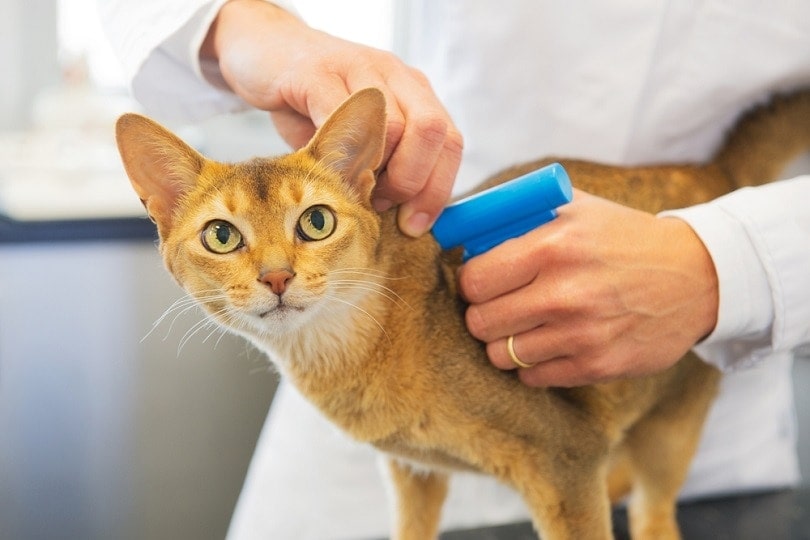
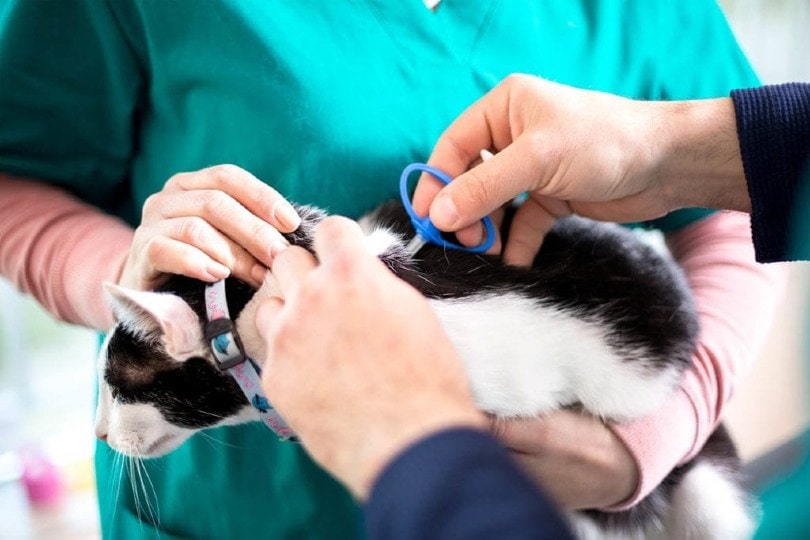
A cat microchip is an RFID chip that sits under your pet’s skin, typically between the shoulder blades. Vets and animal shelters can implant the chip through an injection without needing anesthesia. Some pets get microchips during spaying and neutering, but the quick and painless procedure is equally convenient any other time.
The microchip is only about 12 mm long and is too small to hold any GPS components or a battery. Information is passive. The chip is always readable, offering virtually zero risk of deactivation for roughly 25 years or your cat's entire life.
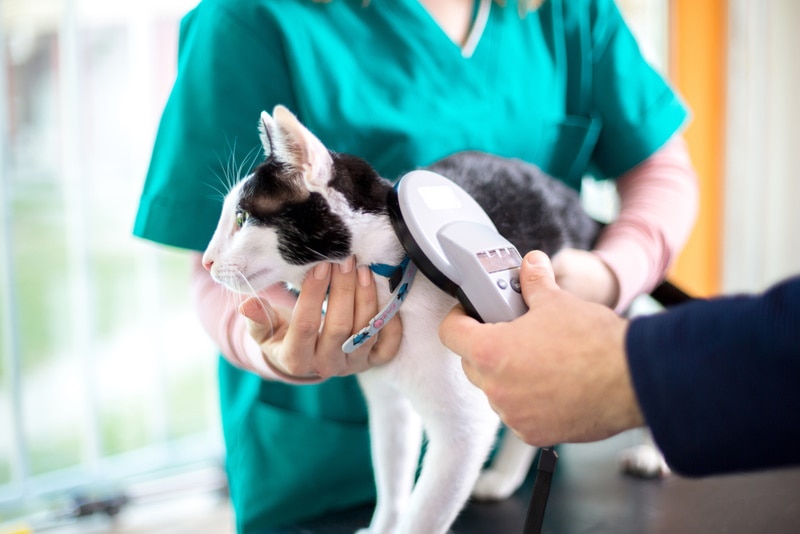
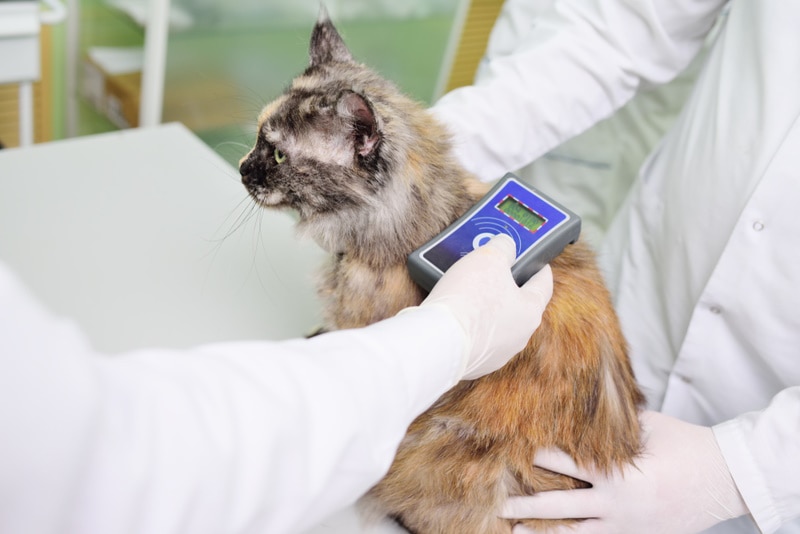
When a cat gets lost and winds up in a shelter, a handheld scanner can scan the chip, pulling the radio frequency. The scanner will display the chip’s registration number and information for the microchip brand. The animal shelter can then contact the registry to find your name, phone number, email, and address.
What Are the Different Types of Microchips?
Microchips are standard in form and function, but registries vary. Registration is a critical step in the microchipping process when your cat gets their injection. Without registration, there will be no way to find you if your lost pet gets a scan after arriving at a shelter.
Your veterinarian or shelter may register your cat for you. Many others provide the contact information and paperwork for the registration company for you to handle. Some of the most popular microchip brands include:
- Home Again
- Pet Link
- AVID FriendChip
- AKC Reunite
Registration for a new cat only takes a few minutes when you have the necessary information. If you lost your cat’s chip number, contact your vet or the shelter where you adopted your pet. They often keep it on record or scan it to pull it up.
You can register your chip with multiple databases if desired, though they may come with individual fees. You’ll also need to update every registry when you move or change phone numbers. The best move is to register the chip with the manufacturer, as it is the first (and possibly only) place that a shelter will check after scanning a cat.
Where Is It Used?
Microchipping cats is a common practice around the world. Several European, Asian, and African countries require microchipping for cats under a standardized system. Although there is little regulation in America, many shelters microchip any pet that comes into their care as part of their practice.
Given the low cost, limited legal restrictions, and accessibility, even breeders microchip their animals. There’s a potential for adopting a microchipped cat almost anywhere you go. Having a scan and updating the registration information before completing the adoption can save owners loads of trouble.

Advantages of Cat Microchips
Cat microchips make a significant difference in the chances of finding a pet. If a shelter picks up a stray cat, workers can scan its body and, within minutes, find the owner. One study covering a sample of lost pets found that 38.5% of microchipped cats returned to their owners from the shelter. But of the non-microchipped cats, a mere 1.8% went home to the owners, highlighting the significance of installing the device.

Disadvantages of Cat Microchips
The primary downside to cat microchips is the confusion around registries and radio frequencies. Chips come in 125 kHz, 128 kHz, and 134.2 kHz frequencies, which creates several issues with incompatible scanners. A vet may scan with a 125 kHz scanner, but if the chip operates at 128 kHz, it will seem like no chip is present.
Training and equipment become essential issues. Newer universal scanners can pick up any frequency, but many people use single-frequency models. Quality scanners can get expensive, and keeping all the frequencies on hand may not be possible for everyone. Many people assume their scanner is universal or misunderstand the varying frequencies. If there’s a frequency mismatch, they may not take the extra step to use another scanner or find another way to verify.
Many countries have adopted the ISO standard 134.2 kHz frequency to address the issue. With market competition, the U.S. has been slow to catch up, putting even more responsibility on owners when adopting their pets and buying microchips.
Frequently Asked Questions (FAQs)
How Much Does Microchipping Cost?
While pet ownership is becoming more expensive overall, the cost to microchip a cat is still nominal, often running less than $50 for the microchip, injection service, and registration. Additional registrations with other services can cost around $20, though many others are free.
Registration in the Free Pet Chip Registry is a recommended second line of defense for owners and animal shelters in helping lost cats find their way home. For additional monthly or annual fees, certain companies offer pet insurance, veterinary bill assistance, and services that actively help find your pet if it goes missing.
Can a Microchip Harm My Cat?
Microchips are unlikely to cause any harm to your cat. Migration is often a concern, but many chips have the technology to prevent it, bonding the chip with surrounding tissue to hold it in place. Even if it does move around slightly, it won’t cause any discomfort. The chip’s performance won’t deteriorate, and an appropriate scanner will have no problem picking it up.
How Can I Tell If My Adopted Cat Has a Microchip?
Knowing the importance of a microchip, you’ll want to ensure your cat has one as soon as possible. But if you adopted or are uncertain whether your cat received a microchip when you picked them up, your first step will be to check if your cat already has one.
Vets and animal shelters generally keep records of when they perform the service, so you can find out by contacting the place where you got your pet. Otherwise, you can have your vet perform a scan during your next visit.
How Do I Find My Cat’s Registry?
If your cat already has a microchip, find out which registries it’s on through the AAHA Universal Pet Microchip Lookup tool. Enter the chip ID number, and a list of registries holding its information will appear. Most chips will only have one or two registrations. Follow up with each company for directions on updating the chip with your current information.

What’s the Best Identification for My Pet?
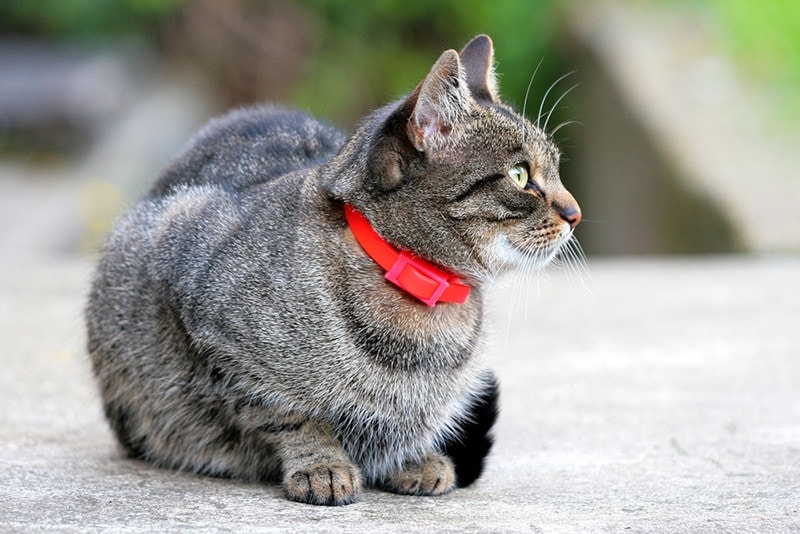
A microchip is a valuable tool should you lose your pet, but it doesn’t replace collar tags and other IDs. Lost cats only show up at the shelter a small fraction of the time, as most either return by themselves or show up somewhere in the neighborhood.
Cats typically stay within a certain home range. They may appear at a neighbor’s house only a few doors away. A collar makes it easy to identify the cat’s owner and safely return them home. Relying on a microchip alone is impractical. Most people don’t keep scanners on hand. And if they did, there’s no guarantee they would try to scan the cat. A missing collar can also make your cat appear homeless, which could change the urgency with which your neighbor takes your pet to a shelter.
Will a Collar Hurt My Cat?
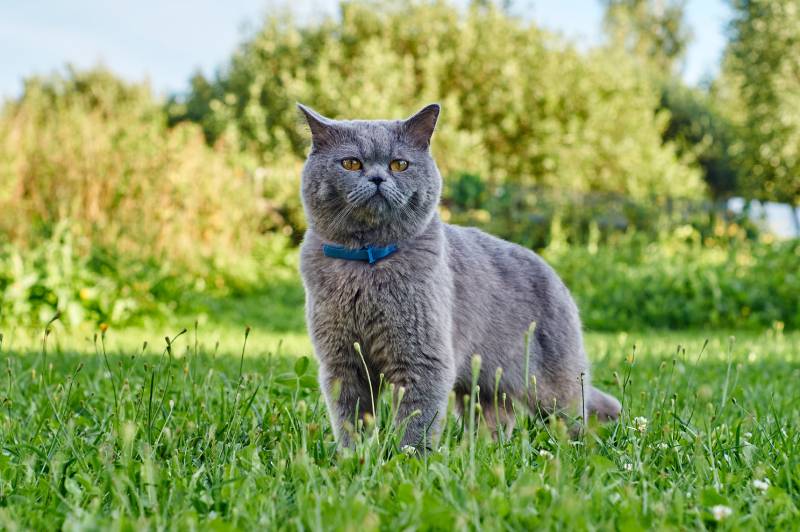
There aren't many reasons not to use a cat collar alongside a microchip. Despite the fear that collars can injure cats, incidents of harm or death are rare. Flea and tick collars may cause minor skin irritation, but with the number of collars available, finding a comfortable option is possible for nearly any cat.
You can also use a collar to protect local wildlife from your cat if it does get out. Studies have shown that predation deterrent collars can effectively keep cats from attacking by interfering with the cat’s movements or warning nearby prey of their presence.
Conclusion
Microchipping is inexpensive, fast, and low-risk, so there’s no reason to keep your cat unprotected. A lost pet is stressful for owners and their families, especially when the outcome is anything other than a safe return. You’ll help yourself, your local shelters, and, most importantly, your cat when you use proper ID. Applying a microchip and updating your information takes less time than reading this article.
Sources
Featured Image Credit: Lucky Business, Shuttersto
Get Hepper In Your Inbox


Pet care tips from our vets and experts, straight to your inbox.
You may opt-out at any time. View our Privacy Policy for more information.
Nicole is a lover of animals of all sizes but is especially fascinated with the feline variety. She’s the proud mom of Baby, a Burmese, and works every day so he can relax in the sunshine or by the fire. She’s always had a cat in her home and has spent countless days with others, observing behaviors and softening up even the grouchiest of the lot. Nicole wants to share her kitty expertise with you so you and your cat can live happy, healthy, and care-free.
Join the conversation
Ask a question, share your story, or send private feedback.