Hepper is reader-supported. When you buy via links on our site, we may earn an affiliate commission at no cost to you. Learn more.
How To Find a Lost Cat With a Microchip: 3 Crucial Steps

One of the best things you can do for your cat is to make sure that they get microchipped. Although no one wishes to lose their beloved pet, accidents happen, and a family cat can get lost or displaced. If your cat has a microchip, it increases the chances of helping your pet reunite with you. Therefore, make it a priority to get your cat microchipped.
We’ll break down exactly how you can put your feline’s microchip to use in the event that they go missing.

Before You Start
Once your cat gets microchipped, follow the instructions likely provided by the veterinarian who inserted the chip (or perhaps the breeder) and contact the microchip company to register the microchip and provide your contact information. Make sure your information is up to date each time you relocate or change contact numbers; otherwise, anyone who finds your cat will be unable to reach you.
The 3 Steps To Finding a Lost Cat With a Microchip
Although microchips don’t act like GPS trackers, they can help increase the chances of finding your cat. In fact, about 38% of microchipped cats end up reunited with their owners.
1. Contact the Microchip Company
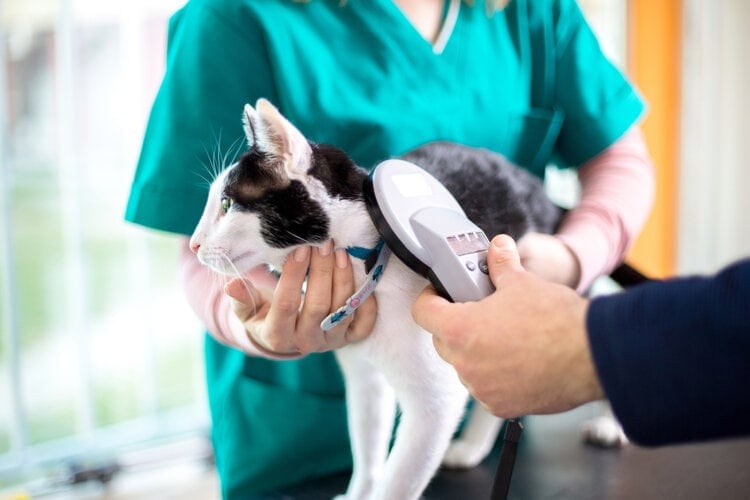
The microchip company will have a registry that contains your pet’s information. You can enter the serial number of your cat’s microchip and report that your cat is missing. Once you report your missing cat, the registry will know to be on the lookout for any scans completed on your cat.
2. Update Information on Microchip Registries
There isn’t an official national database for pet microchips, but there are several common ones that pet owners use, such as Found Animals and AKC Reunite.
You can use these registries to report your missing pet and receive alerts if your cat has been located.
3. Call Local Animal Control and Animal Shelters
Once you notice your cat’s missing, start calling your town’s animal control and local animal shelters and providing your cat’s information. Let them know that your cat has a microchip and provide the serial number. Make sure to leave your contact information so that the shelter knows how to reach you with any updates.

4. Post Flyers of Your Lost Cat
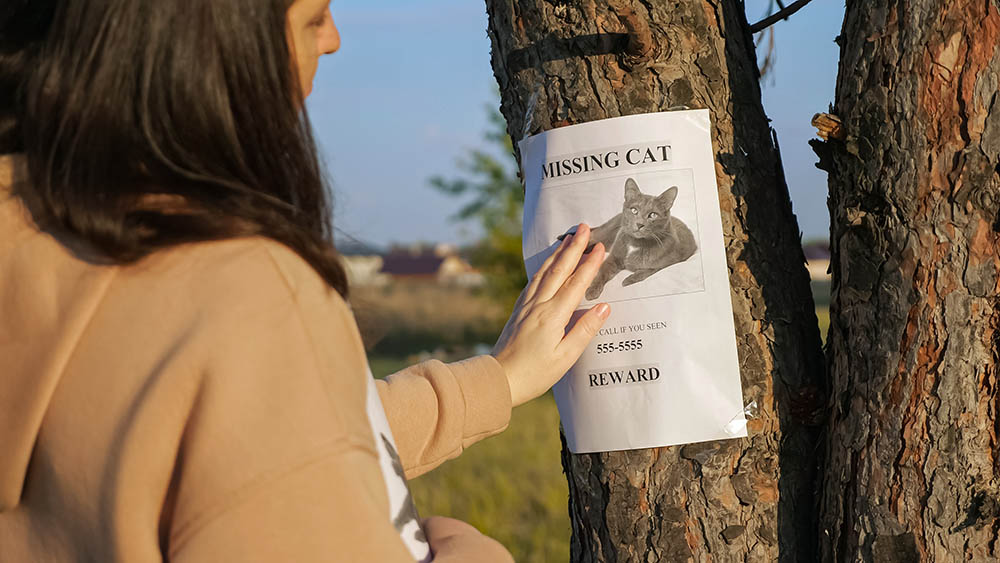
Posting lost pet flyers can also help increase the chances of finding your cat. Make sure to include a clear photo and any tips on how to lure your cat. The contact information on the flyer should be legible so that people have an easy time contacting you.
You can post flyers in the area where you last saw your cat. It also doesn’t hurt to ask nearby veterinarians’ offices and animal shelters if you can post your flyers.
5. Make Follow-Up Calls to Animal Shelters
Some animal shelters won’t follow up with lost cats. So, it’s important to stay proactive and call the animal shelters for any updates. You don’t want to swamp them with calls, but a call every few days or a week can help you to know the status of your missing cat.

How Pet Microchips Work
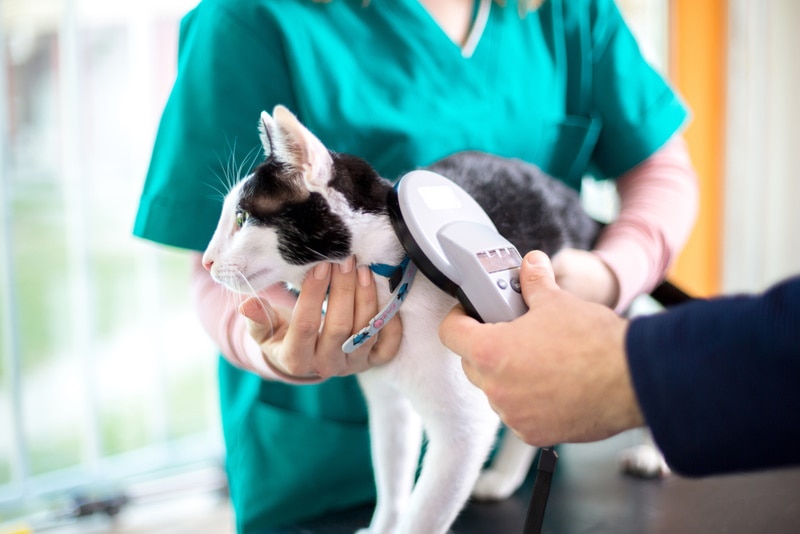
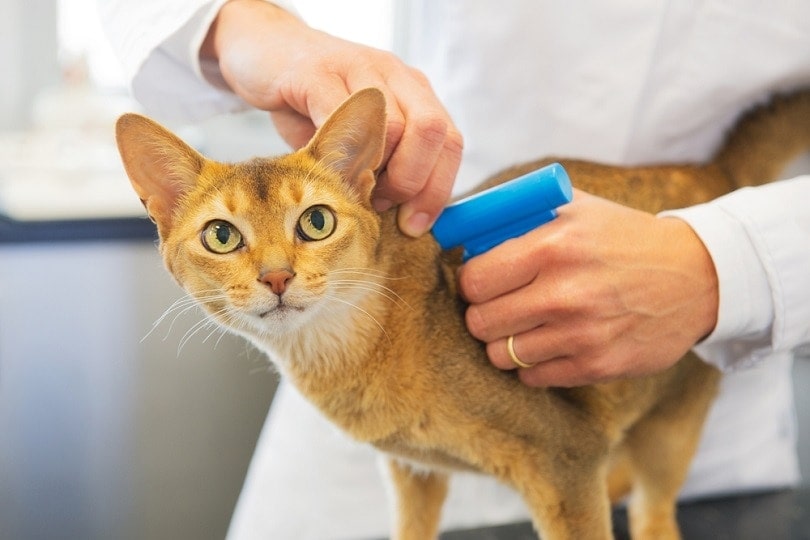
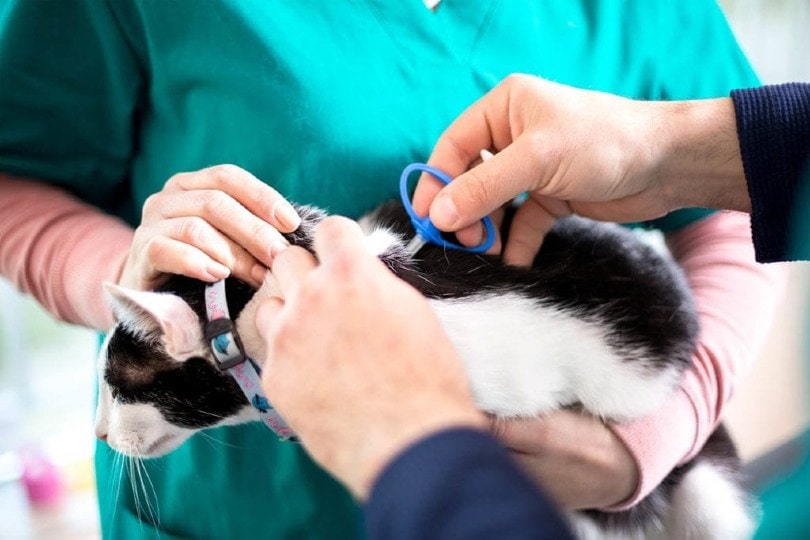
Microchips can be inserted by veterinarians. It’s a simple procedure where a veterinarian injects the chip between a cat’s shoulder blade. It’s rare for the microchip to move around the body because the muscle tissue typically bonds with it to keep it in place.
Microchips usually last for about 25 years. They can’t completely replace pet ID tags for several reasons. First, different microchip companies may use different types of microchips that are compatible with a limited selection of scanners. So, if an animal shelter doesn’t have a scanner compatible with your cat’s microchip, it won’t pick it up.
Animal shelters can also be swamped and busy. So, a worker could accidentally miss the microchip during a scan, and it’s unlikely that they’ll go back again to check for a microchip in the same cat.
Therefore, it’s best to use a collar with ID tags and a microchip. Both these items will increase the chances of successful reunification.
Final Thoughts
It’s important to act right away if you notice your cat’s missing. If your cat is microchipped, be sure to report it on the microchip company’s registry. You can also use other registries to increase the chances of receiving an alert about a missing cat.
Microchipping and having your cat wear ID tags are some of the best ways you can help your cat find its way home. So, make sure to have it done as soon as possible and stay on top of updating it if your contact information changes.
See Also: Cat GPS Trackers: Pros & Cons
Featured Image Credit: Ivonne Wierink, Shutterstock
Get Hepper In Your Inbox


Pet care tips from our vets and experts, straight to your inbox.
You may opt-out at any time. View our Privacy Policy for more information.
Jessica is a freelance writer who spends most of her day reading and writing while her fluffy Cavapoo, Nora, naps beside her. She loves and appreciates pets and animals because there’s so much to learn from them, and they do so much for people. As a dog mom, she understands the special relationship that pet parents have with their pets. So, she loves sharing helpful information that people can use to better understand their pets. When she’s not writing, you can find her walking dogs, tending to her plant babies, or drinking her nth cup of coffee.
Join the conversation
Ask a question, share your story, or send private feedback.