Hepper is reader-supported. When you buy via links on our site, we may earn an affiliate commission at no cost to you. Learn more.
What to Do if Your Indoor Cat Gets Out: Expert Advice & Tips

In this article
Sometimes, no matter how much work you’ve put into cat-proofing your home, indoor cats slip out unnoticed. Understandably, this is incredibly upsetting and worrying for loving cat parents, but taking action calmly and rationally is the best approach in this scenario, beginning with a thorough search of the vicinity.
It may reassure you to learn that the majority of indoor cats that get out don’t stray very far from their homes. According to a 2017 study, most cats don’t usually go any further than 500 meters away1. With this in mind, here’s what to do if your indoor cat gets out.

Top 4 Tips to Find Your Indoor Cat if They Get Out
1. Start Searching
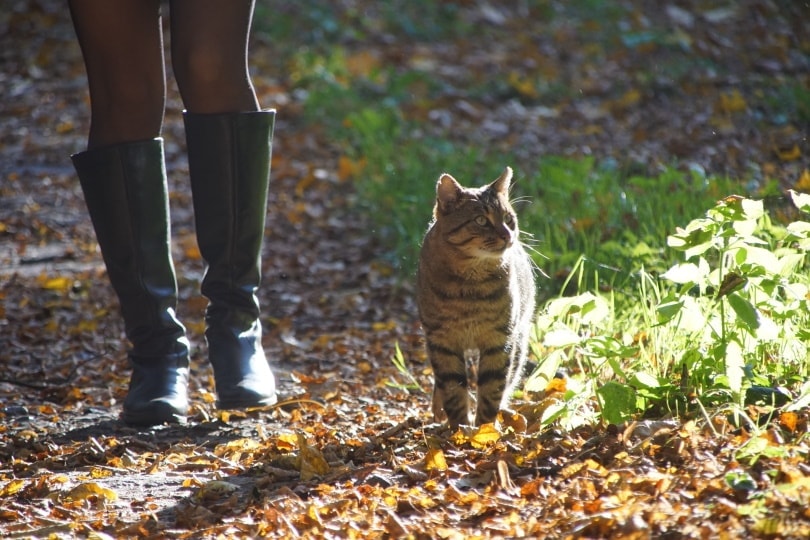
Assuming you’ve already conducted a thorough indoor search (including easily forgotten areas or dark or warm areas where cats may be sleeping, hiding, or stuck like basements, attics, behind the fridge, up chimneys, etc.), it’s time to start searching outdoors in your yard and close to your home. Most indoor cats are found within a three-house radius, so your initial search should begin in this area.
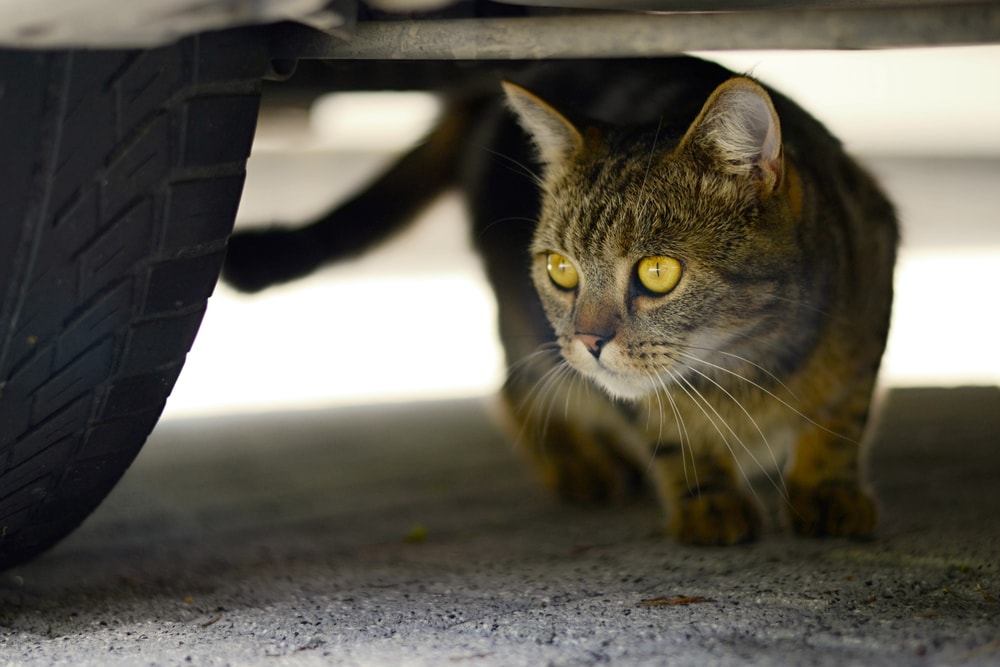
When you step outside your door, think about which way your cat is most likely to have gone. Indoor cats are unfamiliar with the outdoors, so their first instinct is to hide when they get out. Check your shed, under your car, in the bushes, in the garage—pretty much anywhere your cat might be hiding.
Leave no stone unturned, because cats sometimes show up in the most unexpected places. Softly call your cat’s name as you search and take a bowl of kibble with you to shake, or even a bowl of canned tuna. The fishy smell is very attractive to cats and may get them out of hiding. You can leave a bowl of food outside, too, to tempt them to come back.
If you don’t find your cat in the area surrounding your home, you’ll want to extend the search by walking or driving around the neighborhood. It’s important to note that some cats take days to come out of hiding, especially if they have a shy or nervous nature. If you don’t find your cat during the day, search again when it’s dark, as cats are more likely to come out at night. Use a flashlight to aid in the search.
2. Inform Neighbors
Let your neighbors know that your cat is missing, and ask them to check their porches, decks, sheds, cars, bushes, garages—anywhere the cat could be hiding. If there’s a possibility your cat could have snuck into your neighbor’s house (confident and inquisitive cats may do this), ask your neighbor to check indoors, too. Show a recent photo of your cat to neighbors and ask them to keep an eye out.
3. Get the Word Out
Social media is a great tool for spreading the word when a pet goes missing. You can post on local groups and/or local lost pet groups as well as your own newsfeed and ask your friends to share your post. You might also want to post on sites like Craigslist or lost pet sites (we’ll share some useful sites further down).
Upload a recent photo of your cat with your post and ask people to contact you directly if they think they’ve seen your cat instead of posting the location publicly. If this happens, someone well-intentioned might go to the area to try and retrieve your cat for you, which might scare your cat and make the situation worse.
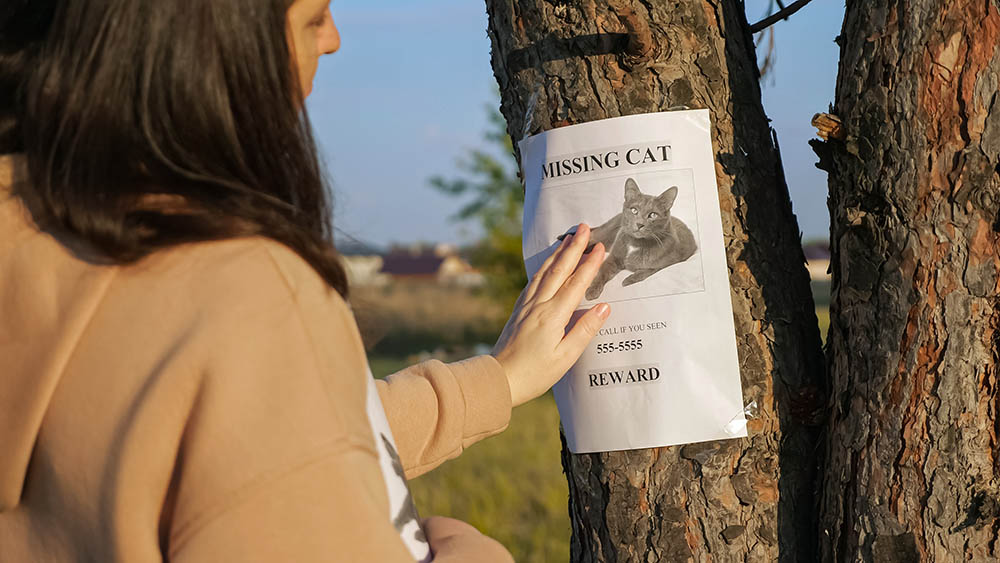
Include information about your cat’s personality: Are they easily spooked or are they confident? Are they likely to be comfortable enough to approach a stranger? You can also make bold, ideally neon-colored lost cat posters and hand them out around your neighborhood as well as putting them up in areas where they’re sure to be seen.

4. Contact Shelters & Vets
One of the most important steps to take is to phone local shelters, animal control/pet warden agencies, and veterinary clinics, as your cat might have been found and handed in. This also makes local vets and shelters aware of the situation in case your cat ends up in their hands.
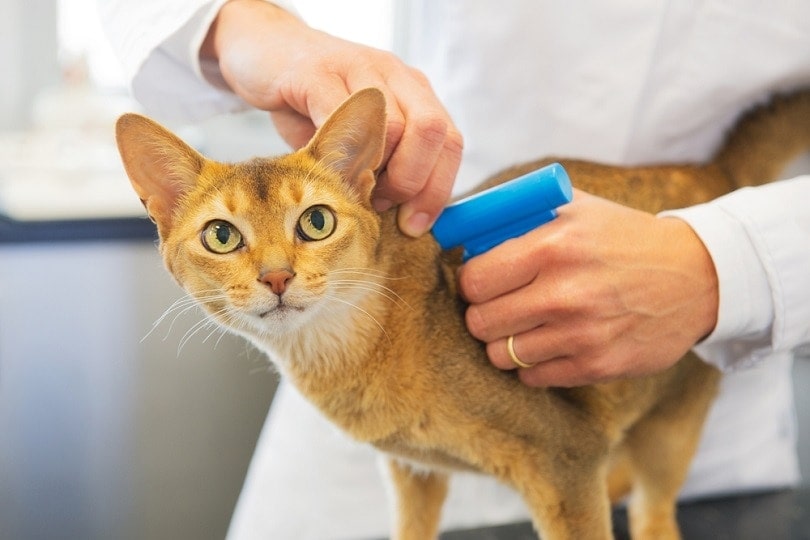
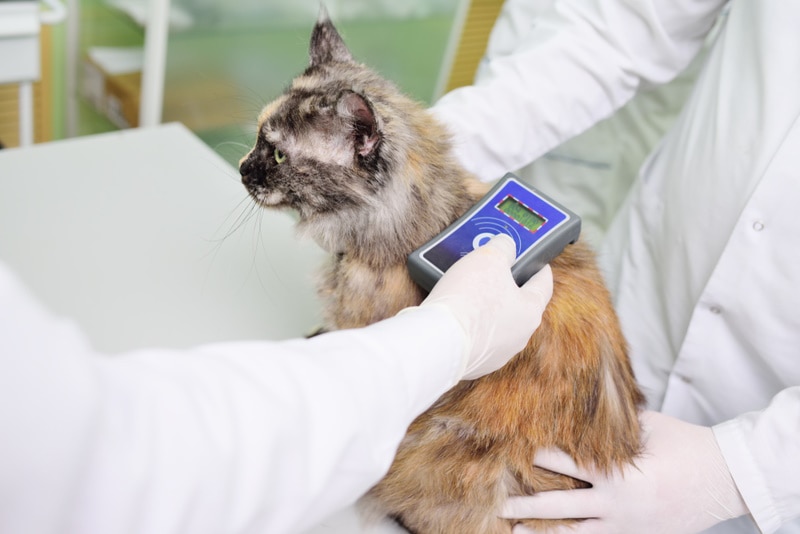
If you suspect that your cat might have been stolen, contact your local police department to report it. If your cat is microchipped, contact the microchip company to flag them as missing.
Make sure these establishments have a recent photo of your cat and your contact information. It’s ideal if you can physically deliver a photo to the staff. If your cat doesn’t turn up at first, keep checking back with shelters, vets, and animal control agencies on a daily basis. Some cats aren’t handed in until weeks after they first went missing.
Extra Search Tips
- Consider buying or renting a humane trap. Just beware that you may unintentionally capture wildlife. If this happens, release the animal efficiently and safely—call an animal control agency if you need advice on how to do this.
- Place strong-smelling food, like tuna, outside to encourage your cat to come back.
- Place or hang some things that smell like home, like blankets or clothes, outside. You can also try putting your cat’s litter box outside.
- Consider setting up a motion-activated camera near some food outside to see if your cat visits that area to eat.
- Avoid sending big groups of people to look for your cat, as this might frighten the cat and make it harder to retrieve them. If people want to help, it’s better for them to drive around the neighborhood and look out for the cat.
- Don’t delay when it comes to contacting shelters—some put cats up for adoption within just days if nobody claims them.
Safety Tips
- Be mindful that scammers may claim to have your cat and ask for money in order to get them back.
- Don’t meet anyone in private to retrieve your cat—this could be dangerous.
- Ask for a full description of the cat if someone claims to have them. Pick a non-obvious physical feature your cat has and leave this detail out of social media posts so you can ask callers to describe it.
Prevention
- Have your cat microchipped.
- If your cat is microchipped, make sure your details are kept up to date with the registry.
- Make sure your cat wears a breakaway collar with an ID tag.
- Check your home for potential escape routes and seal them off.
- Install window barriers to prevent cats from jumping or falling out.
If An Indoor Cat Gets Outside, Will It Come Back?
It depends. Some have to be sought out, while others come back in their own time. Some are handed into shelters or vet clinics. Sadly, some are never found. The one reassuring factor is that the majority of indoor cats don’t go far, and most are found nearby.
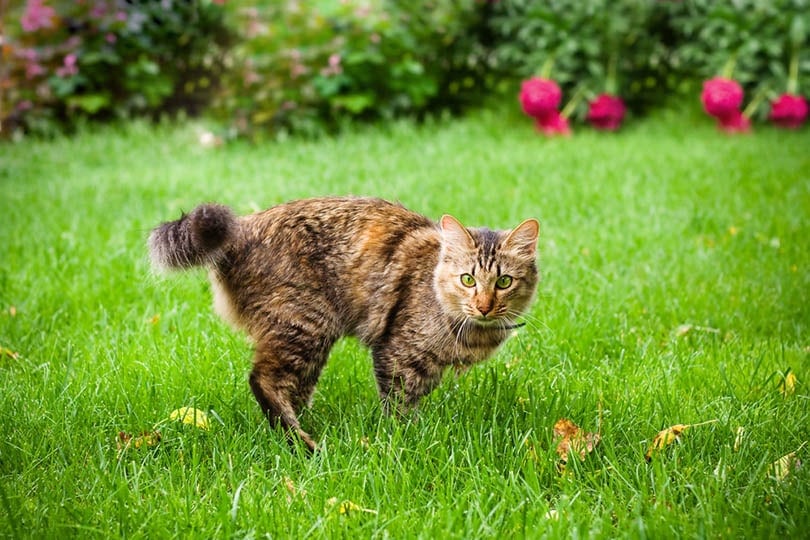
Your cat’s personality can play a role. Cats with especially gregarious or curious personalities might end up a little further afield, whereas cats with nervous or reserved personalities are more likely to hide out close to where they escaped from. Confident, people-oriented cats on an “adventure” are often easier to spot and pick up due to their tendency to approach strangers.
Confident cats may also initially hide but be easily tempted out. It could take several days for your cat to come out of their hiding spot, especially if they have a nervous disposition, so don’t give up if you don’t find your cat at first.
Useful Sites
If you’re looking to spread the word further or find more useful information, you may find these sites helpful:
Final Thoughts
In brief, your first step after ascertaining that your cat is not hiding or sleeping somewhere in the house is a thorough outdoor search before moving on to a wider neighborhood search. You should also inform your neighbors, contact local vets, animal control agencies, your microchip company, and shelters, and spread the word via social media and physical posters/flyers.
Sources
Featured Image Credit: StockMediaSeller, Shutterstock
Get Hepper In Your Inbox


Pet care tips from our vets and experts, straight to your inbox.
You may opt-out at any time. View our Privacy Policy for more information.

Nicole is a lover of animals of all sizes but is especially fascinated with the feline variety. She’s the proud mom of Baby, a Burmese, and works every day so he can relax in the sunshine or by the fire. She’s always had a cat in her home and has spent countless days with others, observing behaviors and softening up even the grouchiest of the lot. Nicole wants to share her kitty expertise with you so you and your cat can live happy, healthy, and care-free.
Join the conversation
Ask a question, share your story, or send private feedback.