Hepper is reader-supported. When you buy via links on our site, we may earn an affiliate commission at no cost to you. Learn more.
How Long Can a Cat with Diabetes Live Without Treatment? Vet-Reviewed Facts & FAQ


In this article
Caring for a diabetic cat can be difficult and costly. Regular doses of insulin are required to prolong the life of your cat, but what happens if you don’t treat them? The answer to this question largely depends on what type of diabetes your cat has, their specific level of insulin production, and their insulin sensitivity.
Since there is no single formula, let’s look at the factors that affect a diabetic cat’s survival rate in the absence of insulin treatment.

How Long Can a Diabetic Cat Live Without Insulin Treatment?
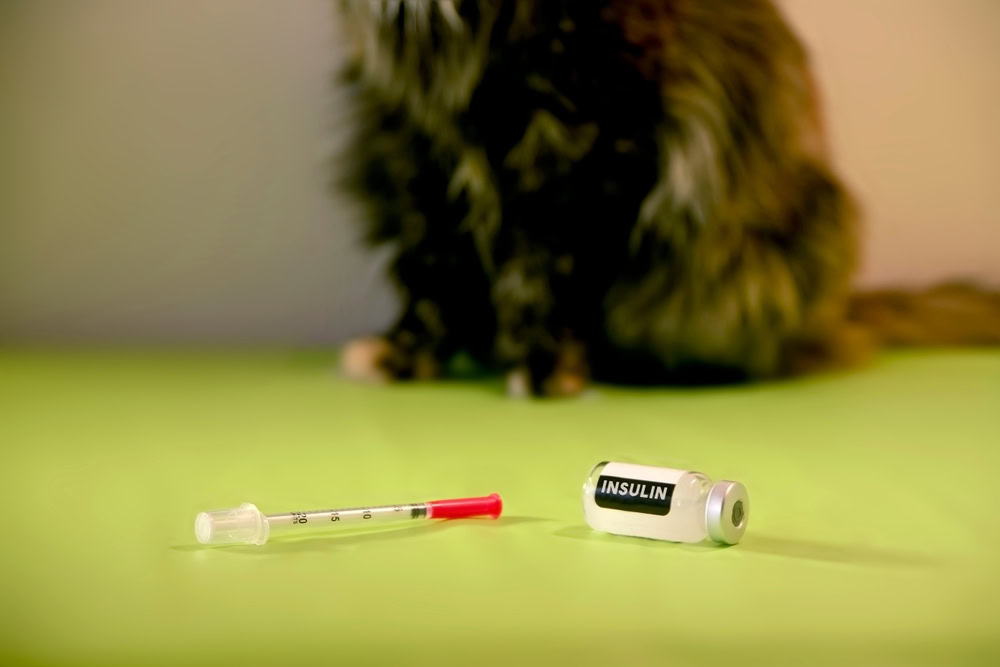
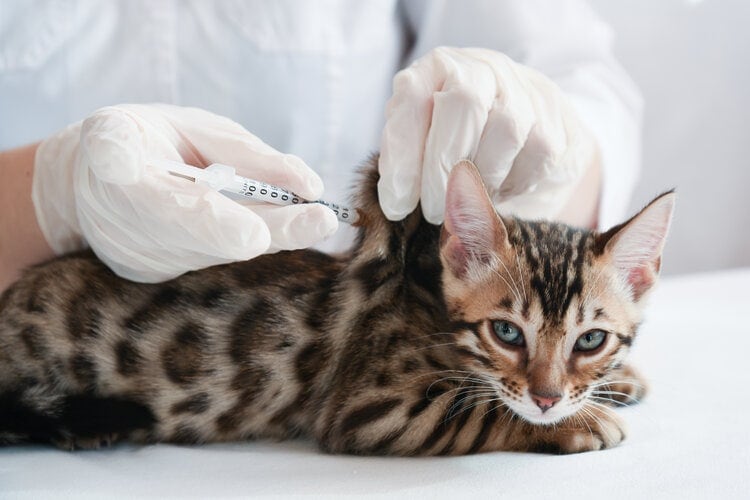
If your cat has been diagnosed with diabetes that requires insulin shots, there’s a reason your vet advises you not to ever miss an injection. Insulin shots are given on a very specific schedule to ensure your cat has a steady supply available to regulate its blood glucose levels.
There are some consequences in an emergency situation where you can’t get home to give your cat their insulin. As a rule, each insulin shot will provide insulin for your cat for between 12 to 24 hours. Once it wears off, their blood glucose will start to rise and lead to life-threatening ketoacidosis.
Diabetic ketoacidosis, or DKA, is a serious condition. Once an insulin shot has worn off, glucose cannot go into the cell to be used as energy, and the body will then look for an alternative energy source to keep the brain, heart, and other vital organs functioning. Fat stores then have to be used for energy and they will be broken down by the liver into a fuel called ketones.
Unfortunately, this isn’t natural, and it is life-threatening if not treated. Ketones are acidic and lower the blood’s pH causing acidemia. If this phase lasts too long, ketones begin appearing in the urine, and this is the phase where the condition becomes life-threatening.
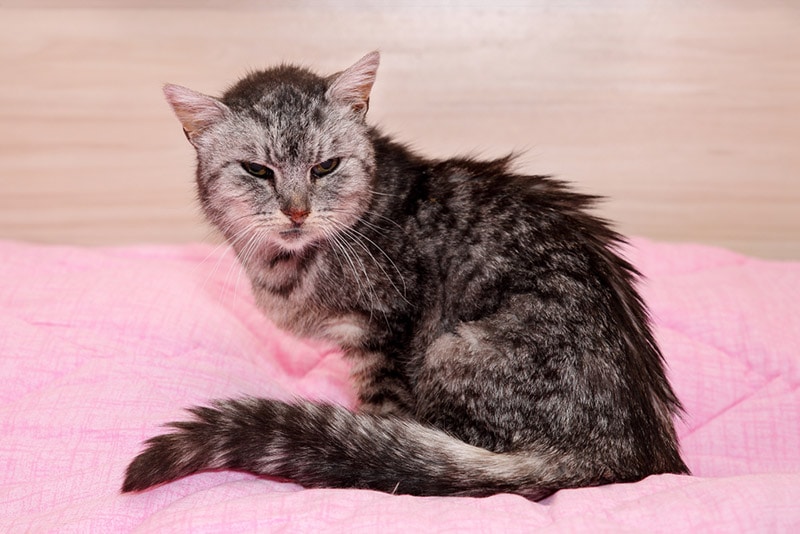
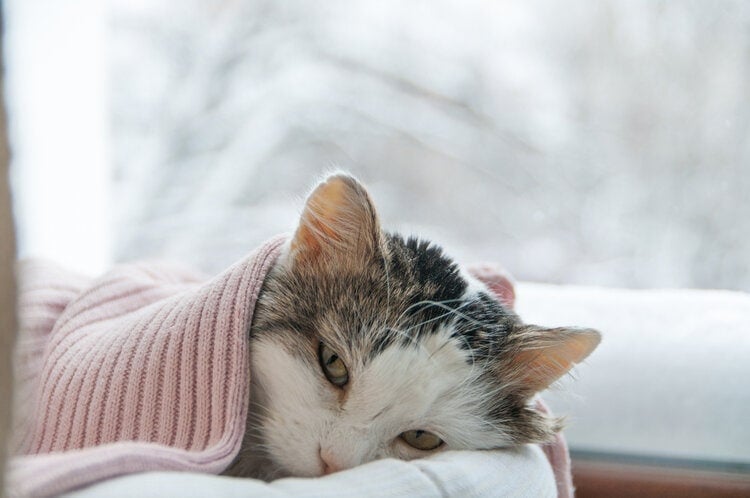
Once cats are in DKA, they won’t eat or drink. After a day or two, they will be seriously dehydrated and lethargic. Without treatment, the cat will slip into a coma and subsequently die. The exact time frame it takes for this to occur can vary from 2 to 3 days in a kitten, while some older cats can hang on for a few weeks.
Do All Diabetic Cats Require Insulin?
Some cats with diabetes won’t need insulin shots but require only a special diet plan to improve their health and quality of life. Although it requires intensive hands-on care, it will help your cat to maintain a normal blood glucose level.
Other cats require a few insulin shots as an initial treatment, but they can then regulate their blood glucose levels with a special diet. Many overweight cats with diabetes go into remission after losing excess weight and sticking to a low-carb and species-appropriate diet.
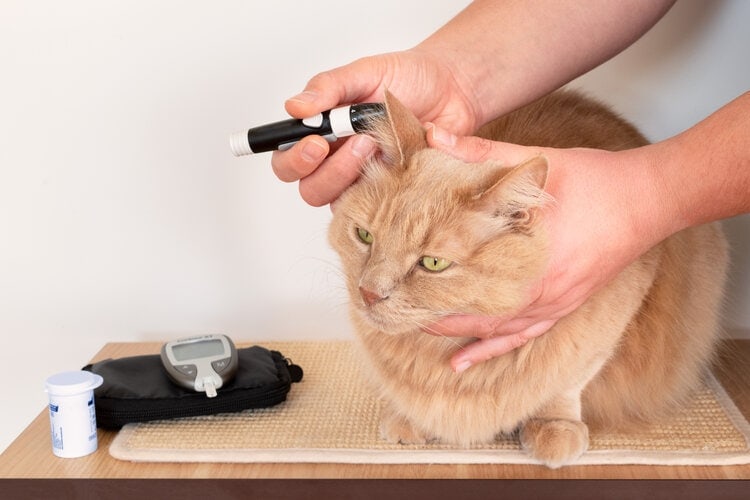
Whether a cat needs insulin shots or not, if your cat has been diagnosed with diabetes, learning how to monitor blood glucose levels and regularly testing glucose and ketones in urine will be necessary in order to prevent a complication. Knowing these values allows you to provide adequate treatments. You will also need to record levels and be in constant communication with the veterinarian, and your cat will need to be checked at the clinic regularly.
Can Diabetic Cats Survive Without Insulin?
If your cat is able to maintain a normal blood glucose level for four weeks without receiving an insulin shot, they are considered to be in diabetic remission. There are many cats that can live with diabetes and without insulin for years. Some relapse after only a few months, so once a cat has been diagnosed with diabetes, it will need continued monitoring of its blood sugar levels.
Between 17 and 67% of diabetic cats who undergo insulin therapy will subsequently go into remission. This is a wide range, so there is no guarantee, even with intensive treatment. There are still some things you can do to help improve your cat’s odds.
Should a Diabetic Cat Be Put Down?
Euthanasia should only be reserved for the worst cases when all possible treatment options have been considered in consultation with your veterinarian.
If your cat’s diagnosis is poor or your cat is very old, your vet may advise you to consider putting your cat down. The reason for this is that treatment is unlikely to improve your cat’s condition, or it would be very expensive. Euthanasia is recommended when treating your cat would only put her through more suffering.
Sometimes, diabetic cats are euthanized because the owners aren't financially capable of supporting their care. While this decision is heartbreaking, many owners are left with no choice.
Summary
Diabetes is a manageable condition for most cats. They do, however, require regular insulin injections or special diets to normalize their blood glucose levels. If a diabetic cat goes without treatment, the condition will become fatal in 2–14 days. Euthanasia is only recommended in severe cases where treatment would cause more suffering to the cat.
Featured Image Credit: Andreas Almstedt, Pixabay
Get Hepper In Your Inbox


Pet care tips from our vets and experts, straight to your inbox.
You may opt-out at any time. View our Privacy Policy for more information.
Nicole is a lover of animals of all sizes but is especially fascinated with the feline variety. She’s the proud mom of Baby, a Burmese, and works every day so he can relax in the sunshine or by the fire. She’s always had a cat in her home and has spent countless days with others, observing behaviors and softening up even the grouchiest of the lot. Nicole wants to share her kitty expertise with you so you and your cat can live happy, healthy, and care-free.
Join the conversation
Ask a question, share your story, or send private feedback.