Hepper is reader-supported. When you buy via links on our site, we may earn an affiliate commission at no cost to you. Learn more.
Diabetic Neuropathy in Cats: Vet Explained Signs, Cause & Treatment


In this article
Diabetes is one of the more common diseases found in senior cats; in fact, it is their second most commonly diagnosed endocrine disorder1. Unfortunately, signs of diabetes can be relatively non-specific in that several other conditions may also share these signs, making early diagnosis without regular testing tricky. Of these signs to watch for, though, signs of diabetic neuropathy, which are present in about 8% of diabetic cats, are usually less subtle and easier for pet parents to identify2.
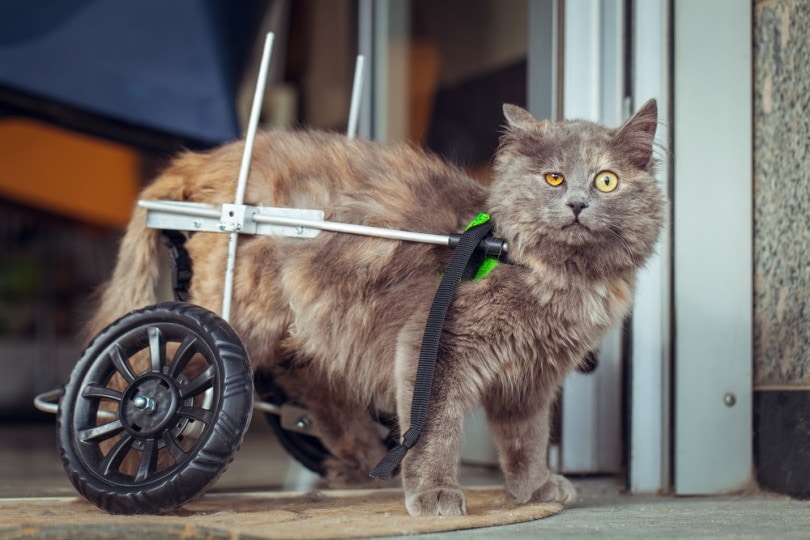
Diabetic neuropathy is the bilateral, progressive loss of sensation, reflexes, and strength of the limbs due to nerve damage from chronically high blood sugar. While nerves all throughout the body can be affected, in cats specifically, the hindlimbs are almost always affected first, creating a recognizable group of signs to monitor for.

The 10 Signs of Diabetic Neuropathy in Cats

The Cause of Diabetic Neuropathy in Cats
Persistently high blood sugars, potentially with glucose also seen in the urine, lead to toxic accumulations of sugar in the cells associated with nerves, which can degrade and kill them over time. As many as 90% of diabetic cats may show signs of affected nerves in specialized tests, and the longer their blood sugars remain high, the more likely they are to develop neurological signs3.
What Are Other Signs of Diabetic Neuropathy?
While all nerves have the potential to be affected, different species will have different susceptible nerves. While highly unlikely to be seen on their own, other neurological symptoms that may be seen concurrently in cats could be facial paralysis, changes to pupil dilation, eye position changes, or breathing difficulties.
It is also highly likely that your cat will exhibit some other signs of diabetes beyond those of diabetic neuropathy.
Diabetes in Cats
Cats (and all vertebrates except most fish) have an organ located near the beginning of the intestinal tract called the pancreas. The pancreas has two jobs, to produce enzymes to help digest food, and to produce a hormone called insulin, which controls how much glucose, or sugar, enters cells across the body, which is then used for energy.
What we know as diabetes is actually diabetes mellitus, a condition in which an animal fails to move glucose into cells, and it instead builds up levels in the blood.
Diabetes mellitus is most often broken down into two categories:
Does the Type of Diabetes Matter?
Type 2 diabetes is by far the most common type in cats. Factors such as weight, genetics, and activity level can be related to a cat’s risk of developing diabetes in their lifetime. Control of diet, weight, and blood sugars can, therefore, also allow a diabetic cat to potentially go into remission, where their cells become more appropriately sensitive to insulin again.
While this is relevant for strategies to help a cat with persistently high blood sugar levels respond to treatment, the type does not appear to affect diabetic neuropathy directly in cats.
Common Causes of Diabetes in Cats
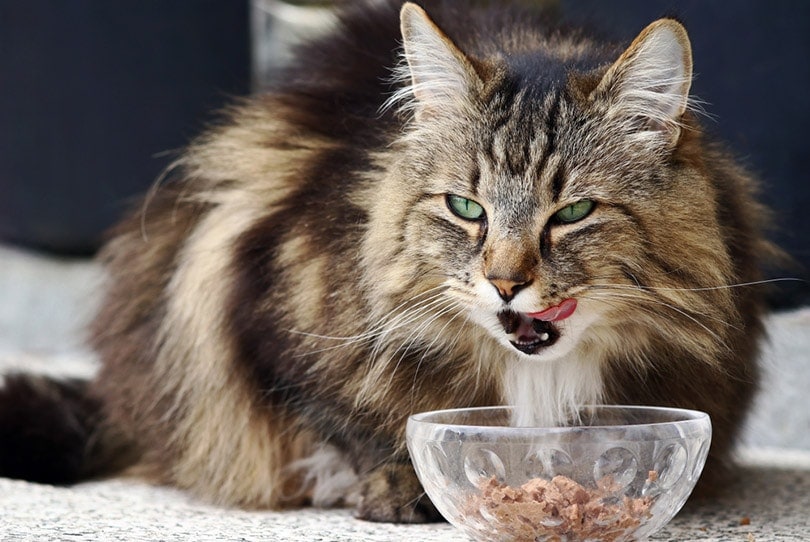
- Weight, genetics, and activity levels are the largest risk factors contributors to diabetes in cats.
- Burmese, Norwegian Forest cats, and Tonkinese breeds can be more susceptible to developing diabetes.
- Diabetes is present in males far more often than in females.
- On average more than half of diabetic cats are overweight and obese cats are about 3.9 times more likely to develop diabetes than their ideal body weight counterparts.
- Diabetes is more common in middle-aged to senior cats.
- Diabetes can also be transiently present in pregnant cats or secondary to some cancers.
Diagnosis of Diabetes
- Blood glucose readings over 400 mg/dL
- Fructosamine levels over 400 µmol/L
- Glucose in the urine
- History of relevant symptoms
Treatment of Diabetes in Cats
Currently, there are several different ways to approach treating diabetes, which is great for our feline patients who can vary widely in their cooperation with receiving medications and treatments, eating special diets, or having their blood sugars screened regularly.
Here are the common facets of treatment below:
Some cats will not tolerate insulin injections or regular diagnostics, but some can go into remission from diet changes, even just changes to wet food alone, so it is always best to try as much as possible to treat. In cases that are late to diagnosis or do not respond well to treatment, even if doing everything, diabetic neuropathy is more common.
Frequently Ask Questions: Diabetic Neuropathy in Cats
How Do I Know If My Cat Has Diabetic Neuropathy?
If a cat is diagnosed with diabetes and has any of the above signs, that is enough for a diagnosis. In special cases, biopsies of the muscles and nerves can be done to confirm a diagnosis.
Can Diabetic Neuropathy be Treated in Cats?
Unfortunately, while diabetic neuropathy can be indirectly treated, it cannot be cured. Quick identification of the problem and reduction of blood glucose levels can sometimes improve symptoms marginally, but weakness and muscle loss are usually permanent. The goal is to slow the progression of the condition and maintain the quality of life of the cat.
Conclusion
Persistently high blood sugars due to diabetes can cause toxic damage to cats' nerves, known as diabetic neuropathy. Signs often include hindlimb weakness, instability, muscle loss, and a characteristic plantigrade stance. While there is no cure, control of diabetes can ease symptoms and slow progression.
If you have a cat exhibiting any of the signs of diabetes listed above or have a diabetic cat with signs of diabetic neuropathy, please speak to your veterinarian, as early identification of either condition can significantly improve outcomes for your pet.
Sources
Featured Image Credit: Mahlebashieva, Shutterstock
Get Hepper In Your Inbox


Pet care tips from our vets and experts, straight to your inbox.
You may opt-out at any time. View our Privacy Policy for more information.
Dr. Zayas has a passion for sharing her extensive knowledge base with everyone she can. She lives in Colorado with her dogs, cat, and fish and has traveled all over the world with them. Her various life and work experiences have allowed her to focus on not only clinical practice, but also providing informative, accurate answers to almost any question her clients and readers can ask of her.
Education
Dr. Zayas received her Bachelor’s degree from Bryn Mawr College and her Doctor of Veterinary Medicine degree from Ross University School of Veterinary Medicine.
Experience
Dr. Zayas owns a house call small animal and exotics veterinary practice. She has special interests in allergies, pain management, end of life/hospice care, and finding unique solutions tailored to her patients’ and families’ individual needs. She has worked in shelter medicine, home health, and everything in between.
Join the conversation
Ask a question, share your story, or send private feedback.