Hepper is reader-supported. When you buy via links on our site, we may earn an affiliate commission at no cost to you. Learn more.
What Can I Feed a Diabetic Cat to Gain Weight? Management Advice From Our Vet

Diabetes is a relatively common endocrine disease in cats, with some studies estimating a prevalence of around 1%, while others postulating a prevalence of around 0.25%. Other studies have brought forth the possibility of certain breeds showing a higher susceptibility to the disease.
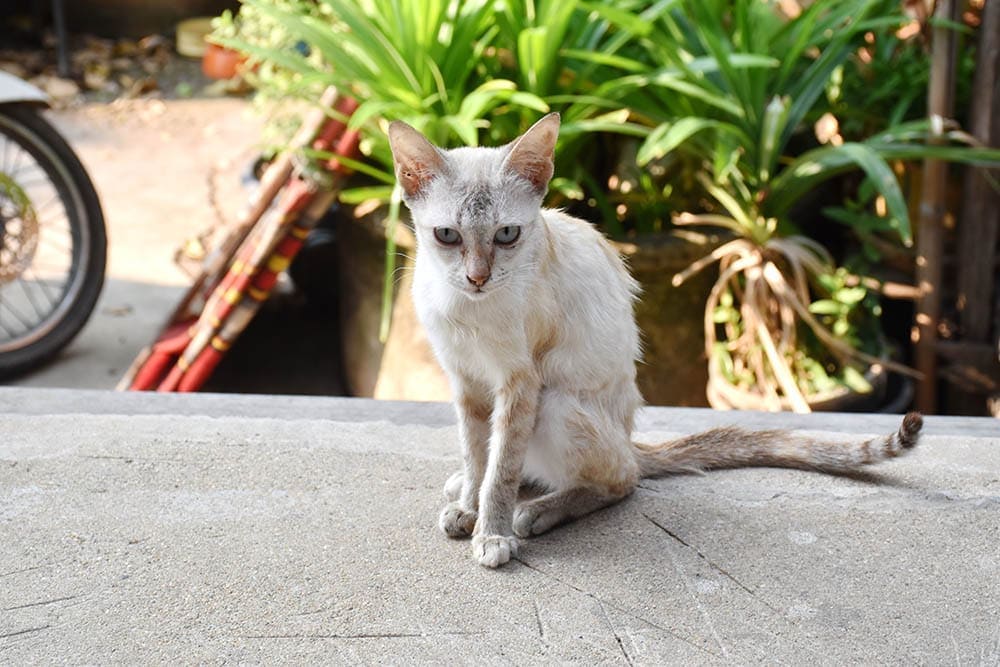
For most pet owners, a diagnosis of diabetes for their cat can be very heartbreaking yet equally daunting, as their role in managing their cats plays a very large role in the prognosis for their pets and the chances of their pets going into remission. Even more heartbreaking, perhaps, is watching their once healthy pet slowly lose body and muscle conditioning and appear very unkempt and skinny.
Weight management is indeed a very critical aspect of managing diabetes in cats. In this article, we’ll go over the basics of managing a diabetic cat in a way that allows the best opportunity for them to gain back weight they lose during the disease process.

The 4 Steps to Managing a Diabetic Cat to Gain Weight
Important
1. Veterinary Input
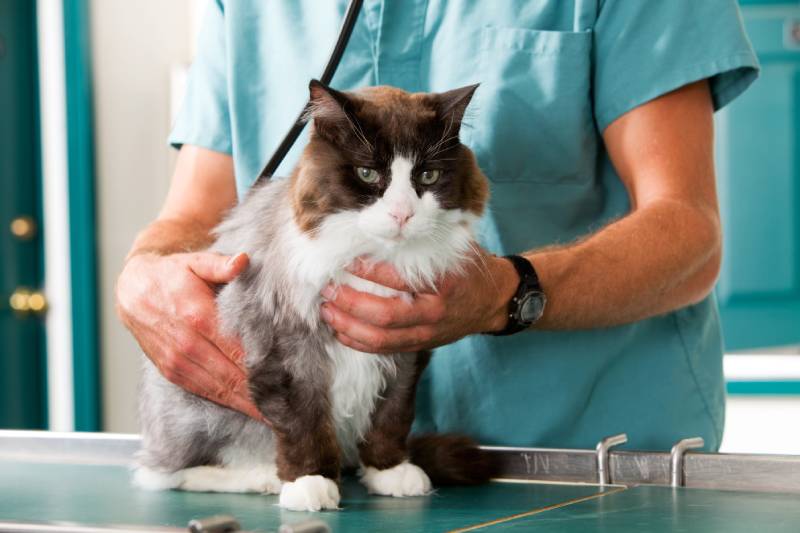
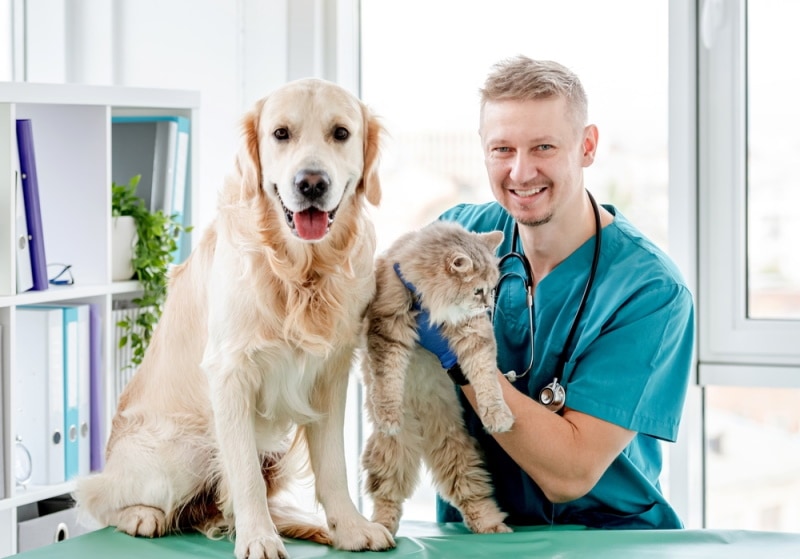
Veterinary care is the first and most important step to managing your cat on their road to recovery from diabetes. It is not possible to diagnose diabetes in cats at home. Likewise, it is also not correct to assume your cat’s weight loss is due to diabetes.
Veterinary input and diagnosis for a diabetic cat is important for several reasons.
Why Veterinary Input Is Important for Diabetic Cats
The initial diagnosis process is often quite overwhelming for many owners; however, it is important to remain as calm as possible and understand that your compliance will offer your pet the best chance of recovery. When cats are newly diagnosed with diabetes, you’ll often have frequent periodic visits to the vet in the early phases of recovery, which you should mentally prepare yourself for.
2. Using Insulin Properly
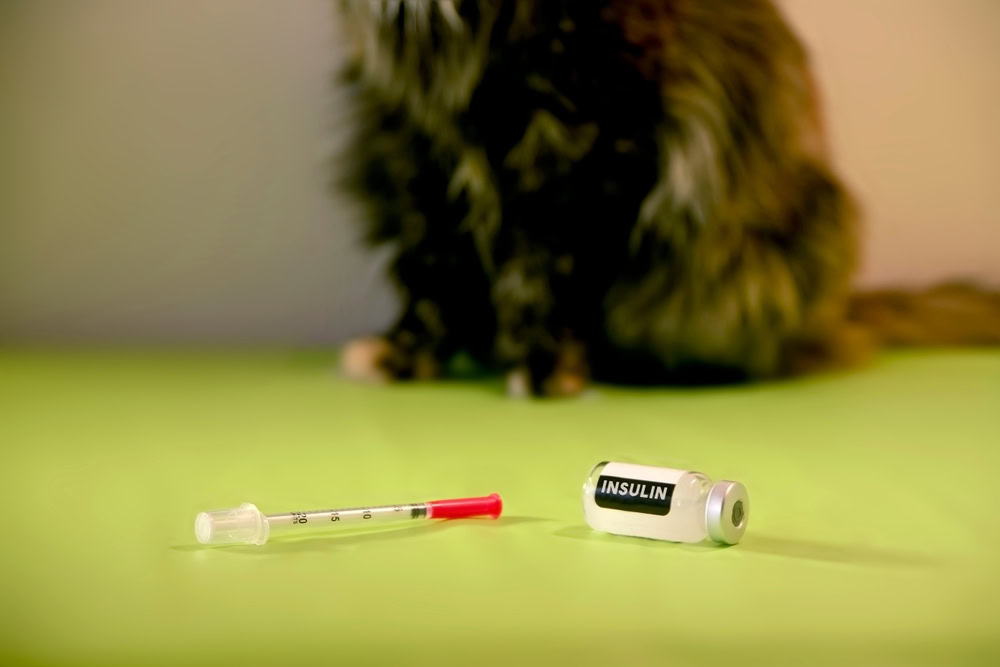
It is very important to not underestimate the importance of your cat’s insulin medication throughout their recovery process. You should follow the dose set by your veterinarian and never make any modifications to it without your vet’s permission. For cats, insulin glargine is the insulin of choice, and it is often given to cats every 12 hours (twice a day). Other forms of insulin include detemir (often used as an alternative to glargine, lente, and degludec).
You should time these doses in a way when you will be around to give your cat their medication. For example, if you leave for work at 9 AM, and return at 6 PM, try to time your cat’s medication at 8 AM and 8 PM, respectively. This ensures that you’re always around to dose your cat.
The importance of ensuring you do this properly is very important, as glargine has been shown to play a major role in allowing cats to go into remission (alongside dietary modifications).
3. Dietary Modifications
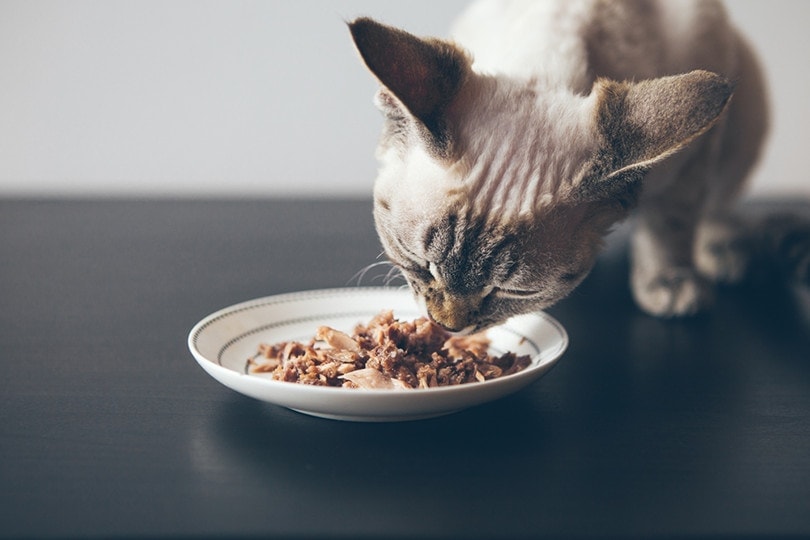
Cats with diabetes are often placed on a high-protein and low-carbohydrate diet. Cats are efficient at metabolizing animal-based proteins and fats for energy, and cats have a relatively poor capacity to metabolize a very high carbohydrate load.
The average carbohydrate content of commercially available cat food might be too unreasonable for most cats that have diabetes. For cats that are at risk of diabetes, a diet containing under 12% of its total caloric content from carbohydrates (classified as “low carbohydrate”) is advised.
For cats that are diagnosed with diabetes, remission rates are best when fed a very low-carbohydrate diet. In such a diet, carbohydrates contribute to less than 6% of the total calorie content of the diet.
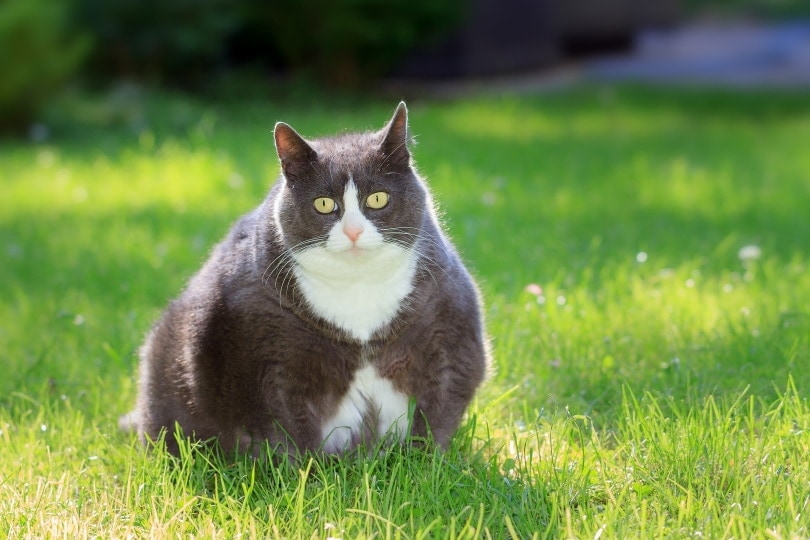
Though cats can process animal fats better than they can process protein, it is important to note that obesity is a contributing factor to diabetes, and diabetic cats can, at times, be overweight (particularly during the earlier phases of the disease). Several diets for such patients are focused on weight loss.
A cat that has lost muscle and body condition from their diabetes will likely benefit from fats to a certain extent; however, their diet should be protein-focused. Cats with diabetes also tend to find wet or fresh food as more palatable. Such food also has the added benefit of helping a cat manage their weight by making a cat feel full sooner (as the moisture in these foods increases its volume/weight).
Keep your cat's diet in check with our calorie calculator here.
4. Record Keeping
Finally, record keeping on your part will play a massive, often overlooked role in your cat’s chances at recovery and remission. The most important component of record keeping is monitoring your cat’s blood glucose with a reliable glucose meter. This should be done twice a day (before you give your cat their insulin).
Your vet can assess your cat’s blood glucose as well. However, cats are prone to developing high blood glucose levels during periods of stress, including a trip to the vet’s office. This is part of the reason why the initial diagnosis for most cats requires multiple tests, repeated measurements of similar parameters, and prolonged hospitalization (usually). At home, though, your pet will likely be less stressed, and therefore, your ability to take their glucose readings at home is very crucial for your vet to assess your pet’s progress.
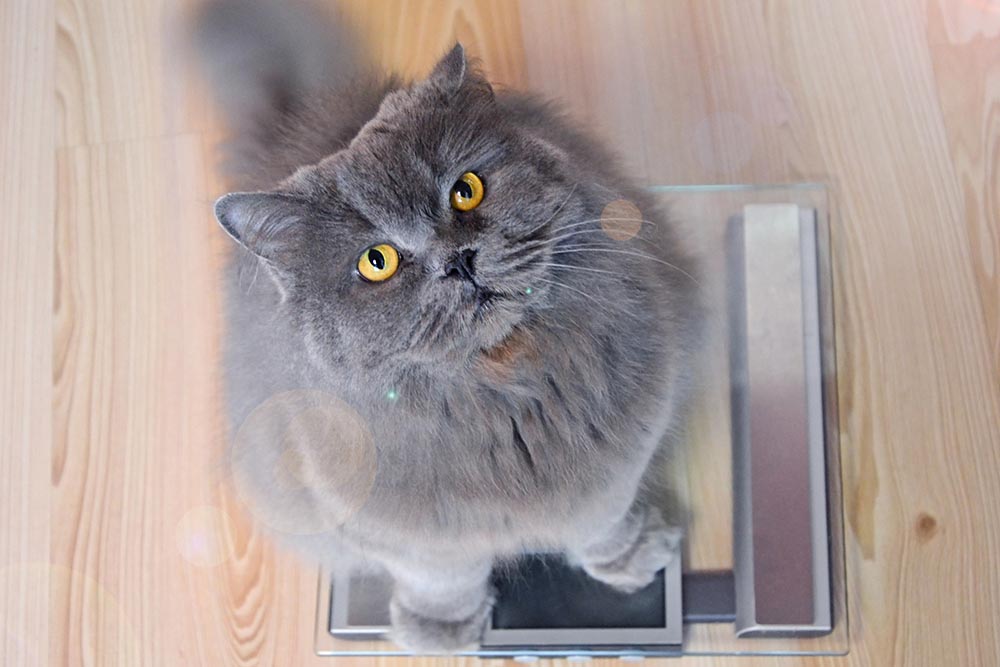
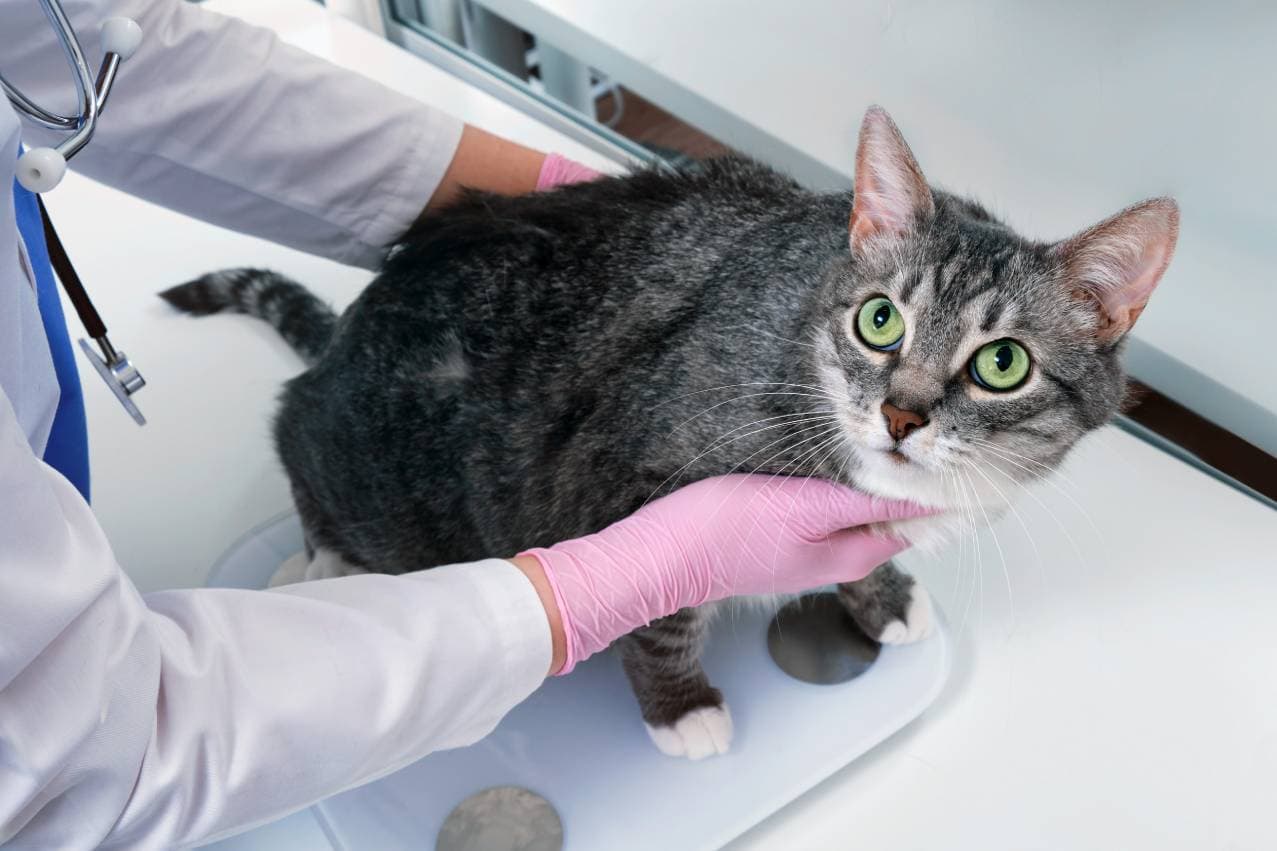
In addition to your pet’s blood glucose levels, you should also monitor their weight at home. A weekly measurement (taken at around the same day and time each week) will help you recognize if your pet is gaining weight, losing weight, or successfully maintaining their weight. This is very important in determining how the treatment is progressing.
Other things to keep track of include the following:
Home Record Keeping For Diabetic Cats

Some Considerations
The most important aspect of your pet’s diagnosis is understanding that feeling overwhelmed is completely normal and understandable. However, you should not feel entirely helpless, and always remember that your compliance with your veterinarian’s instructions definitely plays a major role in your cat’s odds at making a recovery.
Contrary to popular belief, diabetes in cats isn’t always a lifelong condition, and some cats can and do go into remission. This means that these cats may no longer have the requirement of daily insulin and can return to being their healthy, normal selves.
However, to get to that state, it is paramount to consistently work with your veterinarian and follow up with them on a regular basis. Often, these follow ups are relatively frequent during the earlier stages of diagnosis, and eventually, once your cat seems to be on the right track, their frequency is much less.
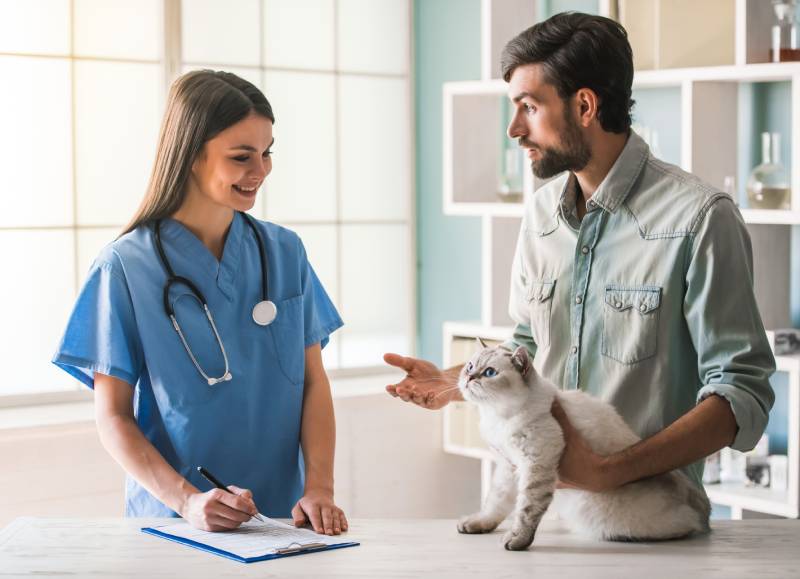
Can Cats With Diabetes Gain Weight?
Cats with diabetes often gain weight once they are on an appropriate diet and appropriate, consistent medication. The key is knowing that the process of weight gain (for an underweight diabetic cat) isn’t as simple as overfeeding them. In fact, doing so can be very dangerous for them. Instead, it is important to ensure you follow a management plan, which involves more than just their diet to ensure that you are able to manage their weight well.
Keep your cat's diet in check with our calorie counter here.
Final Thoughts
Weight loss and debilitation are heartbreaking signs that can accompany a diagnosis of diabetes in your cat. However, when dealing with diabetes, it is important to understand that getting your cat to gain weight involves more than just feeding them an abundance of calories. The correct type of dietary modification in conjunction with at-home monitoring of your cat are likely to yield the best results for your cat.
It is equally important to ensure that your cat frequently goes for their follow-up visits with a vet to ensure that they are on the right track when it comes to their recovery. With good compliance on your part, it is entirely possible that your cat will show signs of improvement, beyond just their weight returning to a normal level.
Featured Image Credit: Benchamaporn Kanlapungha, Shutterstock
Get Hepper In Your Inbox


Pet care tips from our vets and experts, straight to your inbox.
You may opt-out at any time. View our Privacy Policy for more information.
Dr. Luqman grew up with an extreme fondness for animals and turned a childhood dream into reality by becoming a veterinarian. His goals are now focused on helping pet owners understand their pets better in order to ensure the best quality of life for all pets globally. He is passionate about wildlife, exotic pets, pet owner education, and animal welfare. Luqman has 3 years of professional experience working with a variety of animal species. He has skills in demonstrating proper animal husbandry and training some exotic species, such as parrots. Additionally, he has decades of personal experience with keeping many exotic pets: freshwater fish, parrots, songbirds, chickens, ducks, turtles, and hamsters.
Dr. Luqman grew up with an extreme fondness for animals and turned a childhood dream into reality by becoming a veterinarian. His goals are now focused on helping pet owners understand their pets better in order to ensure the best quality of life for pets all around the world. His passions are wildlife, exotic pets, pet owner education, and animal welfare.
Education
Luqman received his degree from Universiti Putra Malaysia.
Experience
Luqman has 3 years of professional experience working with a variety of animal species. He has skills in demonstrating proper animal husbandry and training some exotic species, such as parrots. Additionally, he has decades of personal experience with keeping many exotic pets: freshwater fish, parrots, songbirds, chickens, ducks, turtles, and hamsters.
Join the conversation
Ask a question, share your story, or send private feedback.