Hepper is reader-supported. When you buy via links on our site, we may earn an affiliate commission at no cost to you. Learn more.
How Long Do Cats Take to Recover From Spaying? (Vet Answer)
A spay is a surgical procedure that you may consider for your pet to prevent unintended pregnancy in your female cat or kitten. While the procedure is common and routine, surgery for your feline friend may have you feeling anxious—what does the procedure entail, and how long will it take for your cat to recover?
The good news is that most cats will be feeling back to their normal selves within a day or two after surgery and can return to their normal routine within 10–14 days of the procedure. Below, we’ll discuss spaying in further detail, including its timing, benefits, recovery, and risks of this important surgical procedure, to provide you with the information necessary to make the best decision for the health of your cat.

What Is a Spay Procedure?
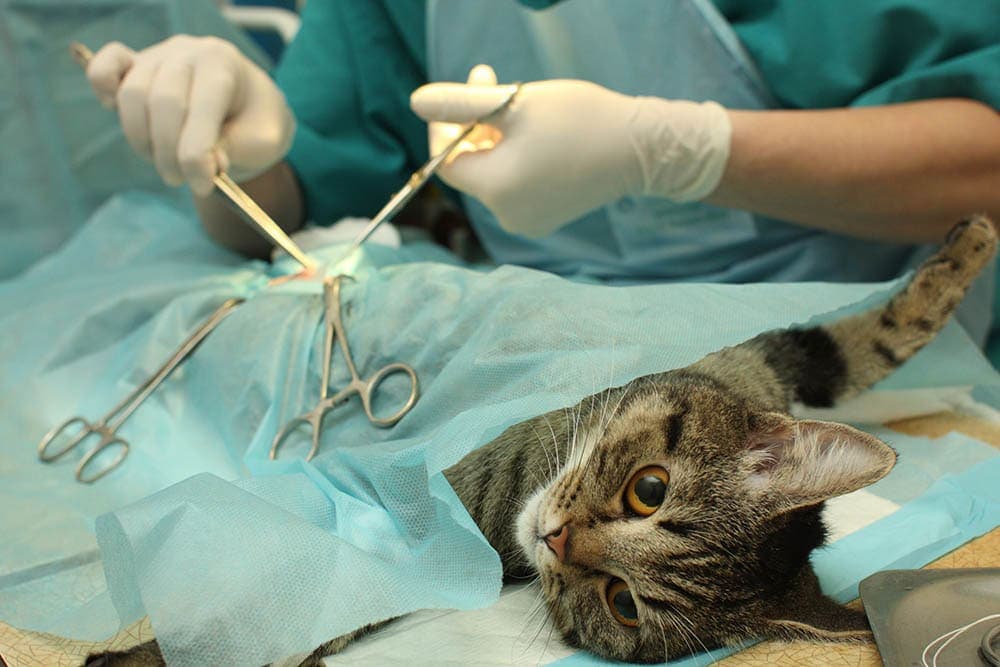
A spay most commonly refers to an ovariohysterectomy (OHE), which is the surgical sterilization of a pet via removal of the ovaries, fallopian tubes, and uterus. An OHE is an abdominal surgery performed under general anesthesia, so your cat will be “asleep” while the procedure is underway. Once an OHE has been performed, your cat will no longer be able to reproduce, and will no longer experience heat cycles or the behaviors associated with cycling. While an OHE is the sterilization procedure most commonly performed in the United States, surgical alternatives such as ovariectomy (removal of the ovaries only) and hysterectomy (removal of the uterus and part of the fallopian tubes) exist and may be considered for your cat. A discussion with your veterinarian can help you determine which surgical procedure may be most appropriate for your pet.
Why Should I Have My Cat Spayed?
Spaying your feline has several important benefits:
When Should I Have My Cat Spayed?
According to the Veterinary Task Force on Feline Sterilization, cats should be spayed by 5 months of age. This recommendation is based on the known benefits of spaying and the lack of adverse effects related to spaying kittens at a young age. Wide support for this evidence-based recommendation is present, and it has been endorsed by the American Veterinary Medical Association (AVMA), the American Association of Feline Practitioners (AAFP), the American Animal Hospital Association (AAHA), and the Association of Shelter Veterinarians, among other groups.
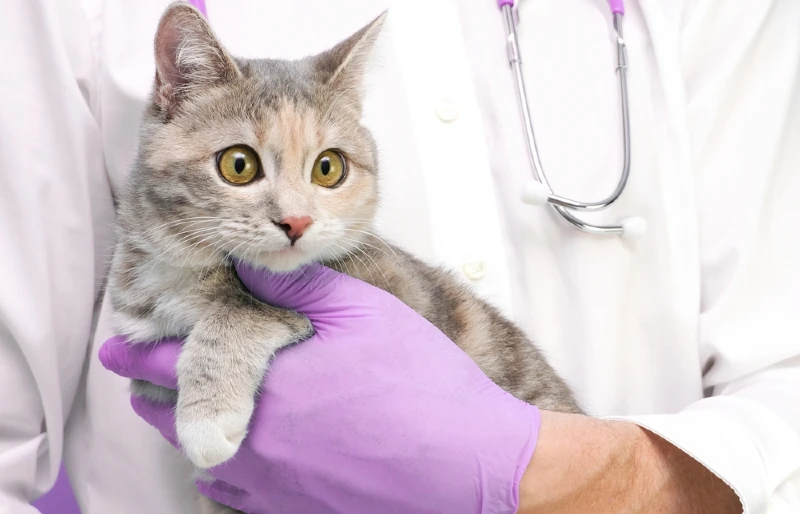
What Can I Expect on the Day of My Cat’s Surgery?
The most important thing you can do to ensure that the day of your pet’s procedure goes smoothly is to follow the specific instructions provided by your veterinarian. On the morning of your cat’s surgery, you may be asked to withhold food. This is recommended because general anesthesia may cause nausea and vomiting in some animals, which can be dangerous for a sedated pet.
Once your pet has arrived at the veterinary clinic, it will receive a physical examination by the veterinarian to ensure that they appear healthy enough to undergo surgery. Pre-anesthetic blood work may also be recommended to help identify any conditions (such as kidney or liver disease), which may put your cat at a higher risk for complications from general anesthesia. Once your cat or kitten has been cleared for surgery, you can generally expect the procedure to take approximately 20 minutes. Your pet will be monitored by veterinary staff throughout their surgery and after they wake up, and they will likely be able to return home the evening of their procedure.
How Do I Care For My Cat During Recovery?
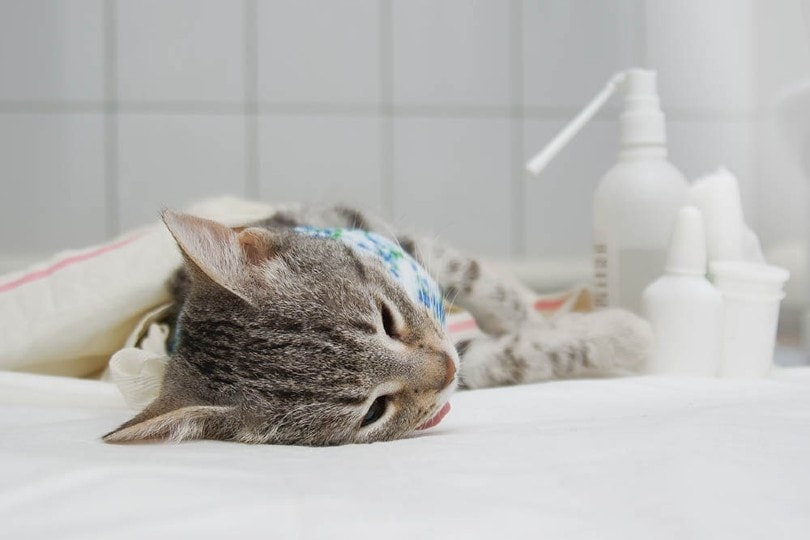
For the first 24 hours after surgery, your cat may seem a bit “off” compared to how they usually behave. This is common and expected as your feline is recovering from major abdominal surgery. Your veterinarian may recommend offering a small meal on the evening of their procedure, as your cat may feel nauseated after their procedure. It may also be recommended to keep them in a small or confined area—such as a bathroom or laundry room—where you can easily monitor them during this immediate postoperative period. Grogginess, a temporary decrease in appetite, increased vocalization, or irritation may all be noted and can be a normal part of recovery after general anesthesia.
The following signs should be evaluated promptly by a veterinarian:
Within a day or two of surgery, your cat or kitten will likely seem back to their normal selves! At this point, it may be tempting to let them return to their normal activities.
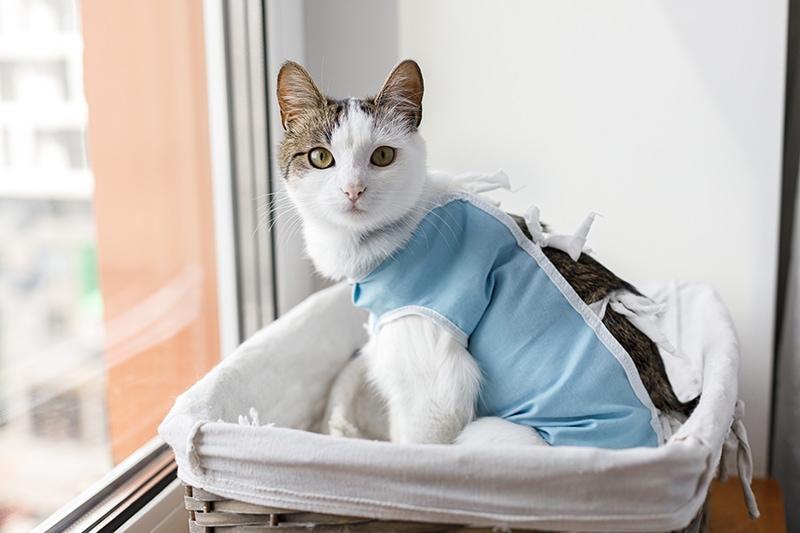
The following changes are needed for 10–14 days after surgery to heal appropriately:
Most veterinarians will recommend a check-up after 10–14 days to ensure that your pet’s incision has healed appropriately and that there have been no post-operative concerns. If your cat has any skin stitches from their surgery these will also be removed at this time. Once your veterinarian has evaluated your cat and given the go-ahead, they should be able to fully return to their normal routine!

What Are Potential Complications From a Spay Procedure?
Feline spay procedures are very routine and are among the most common surgical procedures performed by veterinarians. Like any surgical procedure, however, there is a potential risk for complications related to either general anesthesia or the surgery itself. The most commonly noted surgical complications associated with spay procedures include bleeding, incisional swelling, pain, and incisional dehiscence (opening of the incision). Thankfully, the risk of complications following sterilization surgery in felines is very low.
Will My Cat’s Personality Change After Spaying?
While your cat’s pleasant personality will not be affected by having her spayed, behavior changes associated with the lack of hormones present following surgery may be noted. The increased vocalization, affection, and restlessness previously associated with your cat’s heat cycle should disappear after she has recovered from her procedure.
One important change to note following your cat’s spay procedure is that once sterilized, she will be at a higher risk of becoming overweight. Providing ample opportunities for exercise and play daily will help ensure that your frisky feline maintains an appropriate weight. Additionally, discussing your cat’s diet and eating habits with your veterinarian can help ensure that they are on the right track when it comes to staying fit.

Final Thoughts
In conclusion, spaying your female cat is an important decision with the ability to positively affect their health long-term. Following your veterinarian’s post-operative instructions and contacting them with any questions or concerns is essential and will go a long way to ensuring a smooth recovery for your feline friend.
Featured Image Credit: De Visu, Shutterstock
Get Hepper In Your Inbox


Pet care tips from our vets and experts, straight to your inbox.
You may opt-out at any time. View our Privacy Policy for more information.
Dr. Leigh is a US-based veterinarian with over 9 years of experience. She is a lifelong animal lover who grew up with all kinds of pets, including dogs, hamsters, and fish. Leigh received her Doctor of Veterinary Medicine degree from the University of Minnesota and has specialized in shelter medicine and small animal clinical practice ever since. She enjoys small animal preventative medicine and surgery and loves helping pet owners by sharing her knowledge on a wide variety of veterinary topics. Leigh lives with her husband, two young children, and Hershey, her elderly pug mix. Outside of work Leigh likes traveling, reading, and hanging out with her family.
When Dr. Leigh was a child, her passion for animals started. She grew up tending to hamsters, guinea pigs, rats, fish, and dogs. She now shares her home with her husband, her two young children, and Hershey, her geriatric pug mix. When she's not working, Leigh loves spending time with her family, reading, and traveling.
Education
Leigh graduated from the University of Minnesota, where she received her Doctor of Veterinary Medicine degree. She has worked in both small animal clinical practice and shelter medicine since graduation.
Experience
Dr. Leigh has over 9 years of veterinary experience. She enjoys small animal preventative medicine and surgery and is passionate about helping pet owners through sharing her knowledge on a wide variety of veterinary topics.
Check out some of our top posts written by our veterinarian team:
Can I Put Vaseline on My Cat’s Paws? Is It Safe?
Join the conversation
Ask a question, share your story, or send private feedback.