Hepper is reader-supported. When you buy via links on our site, we may earn an affiliate commission at no cost to you. Learn more.
How Long Does an Alaskan Malamute Live? Average Lifespan, Data & Care


In this article
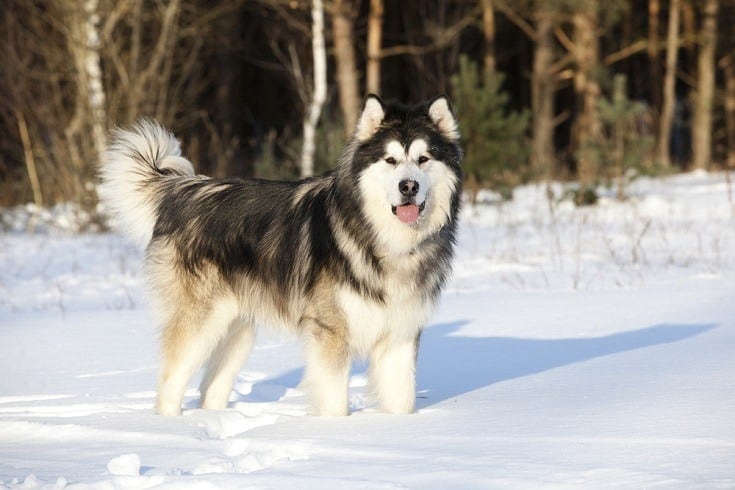
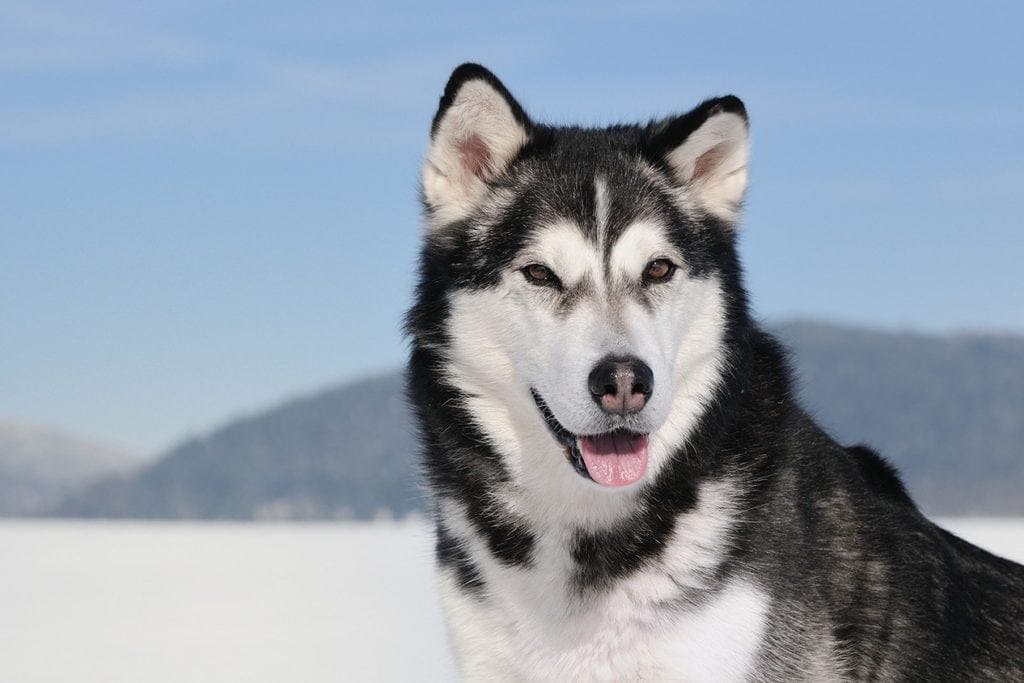
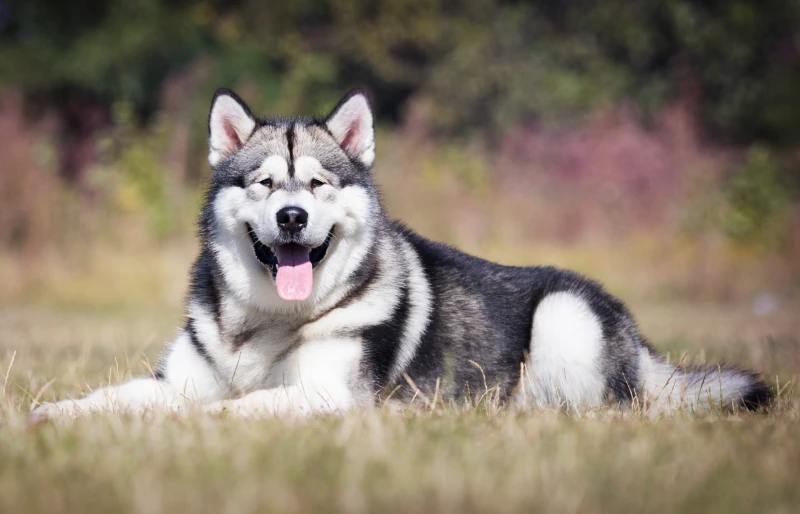
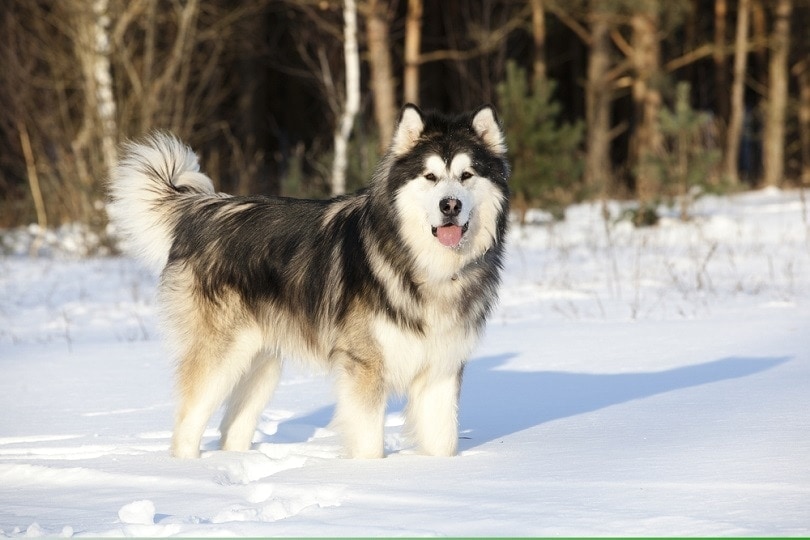
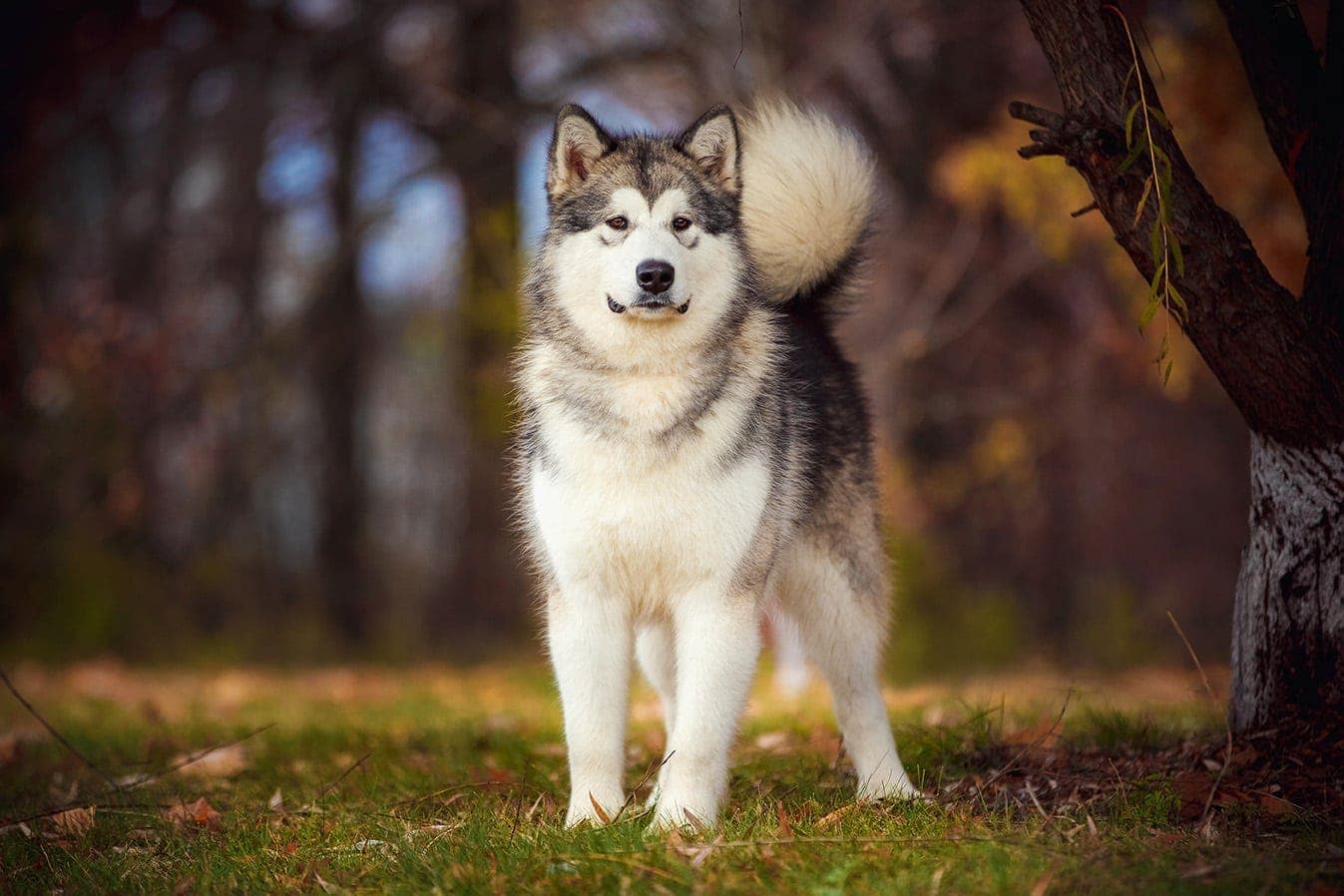
The Alaskan Malamute is a wonderful dog that can be a wonderful addition to your family, but they are not for the inexperienced dog owner. They have an attractive appearance, sort of like large, fluffy wolves, and are intelligent enough to learn complex tasks. Bred for pulling sleds in the harsh Arctic climates, these dogs are certainly built for resilience, but how long does an Alaskan Malamute live? These gorgeous fluff-monsters have an average lifespan of 10-14 years, but this will depend on many different factors. Keep reading to learn more about what influences this breed’s longevity, as well as some tips and tricks to help you ensure that they live as long as possible.

Alaskan Malamute Average Lifespan
The lifespan of an Alaskan Malamute typically ranges from 10 to 14 years but can vary significantly depending on factors like genetics, diet, exercise, and overall care. Pets that receive proper nutrition, regular exercise, and routine veterinary care tend to live longer than those that don’t receive the same level of care. Some may reach the upper end of the lifespan range, while others might have shorter lifespans due to health issues or other factors. This variation can even occur in dogs with the same parents or similar genetic makeups.
How to Care For Your Alaskan Malamute for a Long Lifespan
The following considerations apply to caring for all dog breeds, but there are some specific points that apply to Malamute care. Being familiar with as much information about the breed will enable you to meet their needs.
1. Feeding & Diet
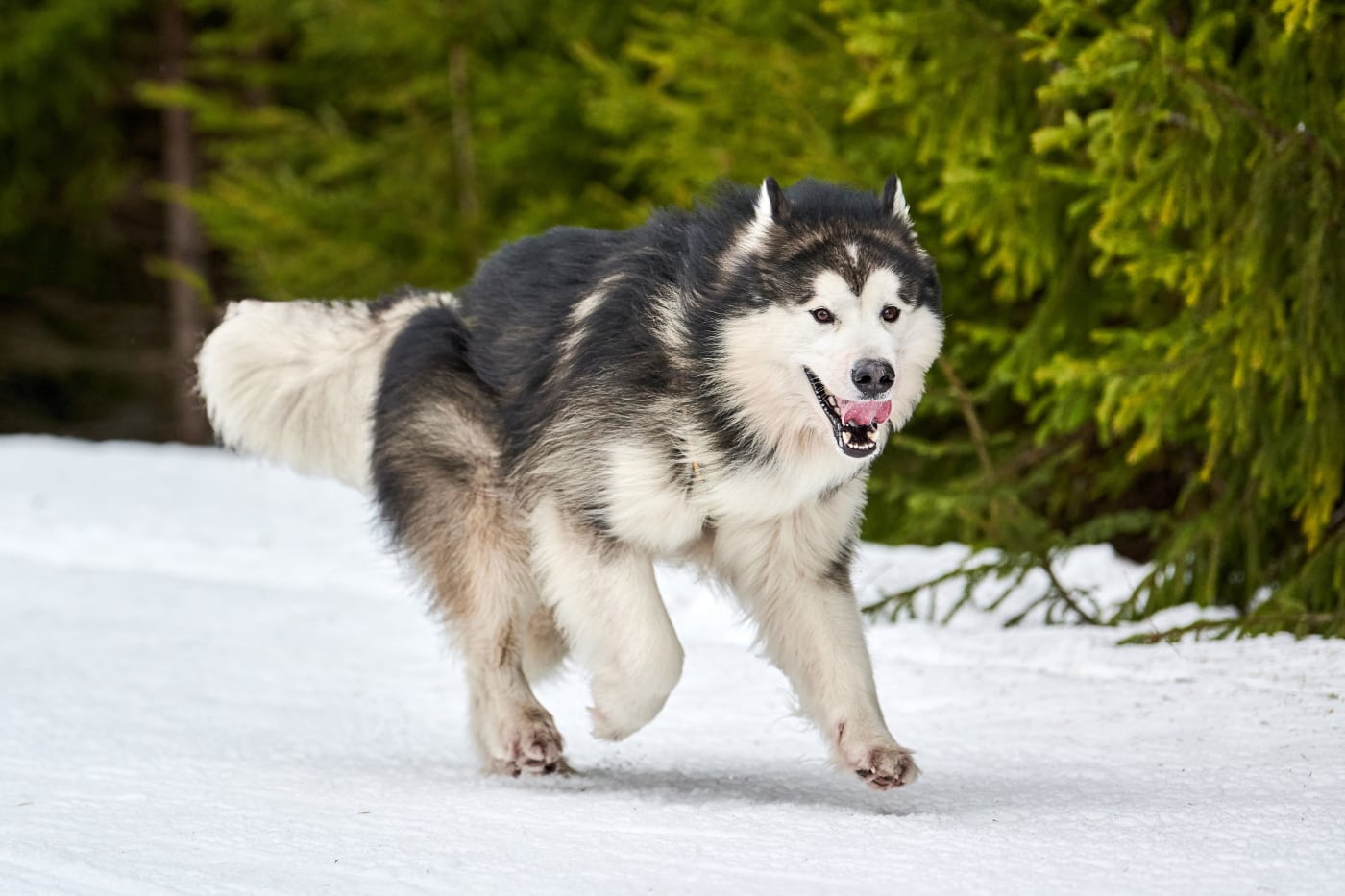
High-quality dog food with real meat like chicken, turkey, or beef listed as the first ingredient is the highest priority when you’re hoping to increase your pet’s lifespan through a proper diet. The Alaskan Malamute is a large and active breed that will benefit from a diet with high protein content. Omega-3 fatty acids will help with coat and brain development. Look for foods that contain real fruits and vegetables to help your pet get the vitamins and minerals that they need and keep their digestive system balanced.
However, paying close attention to portion control is vital so your pet doesn’t consume too many calories, which can lead to obesity. Dog breeds that were bred for work, like the Malamute, can be prone to excessive weight gain when their lifestyle doesn’t involve expending hundreds of calories pulling dog sleds. Avoid feeding foods formulated for “working dogs” unless your pet is actually in work.
2. Environment
Alaskan Malamutes are large and active dogs that need plenty of space. They do best in homes with a yard or access to open areas where they can run and play. Malamutes do like to dig, so you will need a strong fence that goes into the ground. Make sure your yard is securely fenced to prevent them from wandering.
Plan daily exercise sessions, including long walks, hikes, or even sled pulling, to help them burn off energy. Mental stimulation is also important, which you can provide through training and puzzle toys. These dogs are well-suited to cold weather due to their thick double coat, but they require plenty of shade and even air conditioning in the warm months.
3. Training
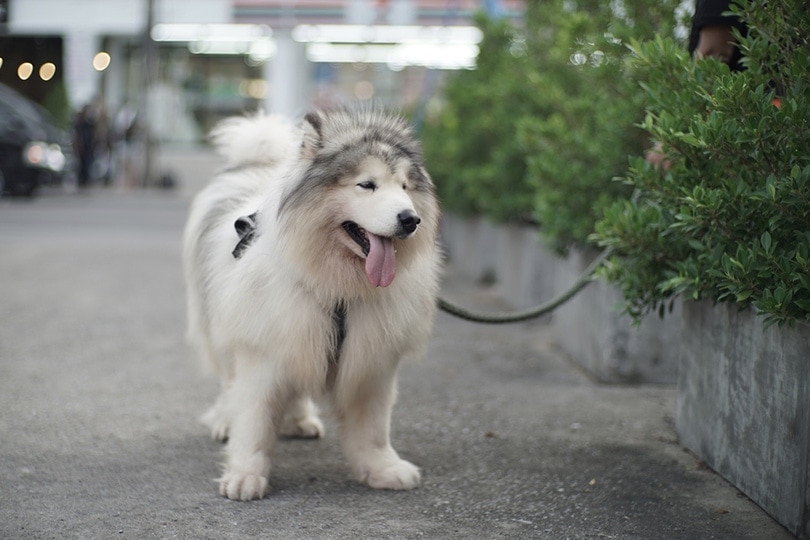
Begin training as soon as you bring home your Malamute puppy. These dogs can be quite stubborn, so the earlier you start to get them into a routine, the better. Use positive reinforcement methods, such as treats, praise, and toys, to reward good behavior, and never get angry if things aren’t going how you thought they would.
If your pet perceives that they are not pleasing you, they will be less likely to want to continue. Short training sessions at consistent times have the best results. If your pet struggles to stay focused, holding your sessions after playtime can help because they will have a chance to burn off extra energy.
Be aware that Malamutes tend to have a naughty adolescent phase where they will start to push boundaries, seeming to “forget” much of the training they once knew. Be patient, persistent, and consistent during this period. They can be quite headstrong, but it will be worth it in the long run. We don’t recommend the Malamute for inexperienced dog owners because they are a large and powerful breed, with the potential to be unruly, even dangerous, if you are not super savvy with dog training and obedience.
4. Grooming
Grooming an Alaskan Malamute is a crucial part of their care routine, as they have a thick double coat that requires regular maintenance. Brush it at least a few times a week, and during shedding seasons, you may need to brush it daily to remove loose hair and prevent matting.
These are usually clean dogs that don’t need many baths, but you will need to trim the nails if you hear them clicking on the floor. You will also need to brush their teeth manually with a pet-safe toothpaste to slow the progression of dental disease, which affects most dog breeds, including the Malamute. Get them used to having their mouths opened, teeth brushed, ears examined, and feet touched, from a very young age. This will make your, and your vet’s, life a lot easier!
5. Social Interaction
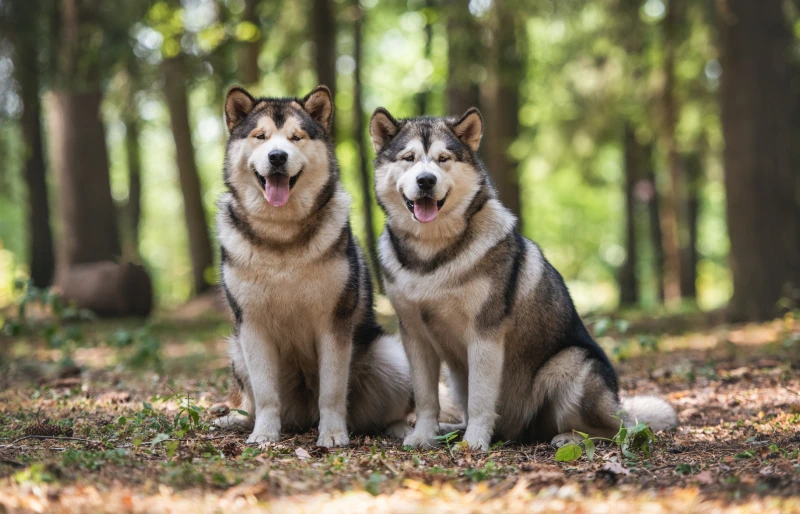
Malamutes are social dogs that thrive on human companionship. They may not do well if left alone for long periods, so consider dog daycare or a dog walker if you’re away from home for extended hours. Exposure to various people, animals, and environments can help them become well-adjusted and friendly, as many of these dogs tend to be protective and wary of strangers. Make sure you get their vaccinations started as early as you can to allow socialization from a young age.
6. Healthcare
Schedule annual checkups with your veterinarian to monitor your dog’s overall health and discuss any concerns that you have. Ensure that your Malamute receives vaccinations to protect against common canine diseases like rabies, distemper, parvovirus, etc., and consider spaying or neutering your pet to help prevent unwanted pregnancies and health issues later in life. Get regular dental checkups, and assemble a first-aid kit for your dog, including supplies for minor injuries and illnesses.
The Malamute is generally quite robust, but there are a few health conditions that are more common in this breed that you should be aware of:
Hip dysplasia
Cataracts
Hypothyroidism
Chondrodysplasia
Polyneuropathy
Day blindness, due to cone degeneration

The Life Stages of an Alaskan Malamute
Puppy Stage (0–1 Year)
Puppy Malamutes grow quickly and need plenty of attention. It’s essential to begin training them and socializing them with as many people, places, and other animals as possible so they can grow into well-behaved adults. Puppies may also experience teething, so provide plenty of chew toys so they don’t start chewing the furniture, and be VERY strict about not allowing them to chew you or your family.

Adolescence (1–2 Years)
Adolescent Malamutes usually start to get quite big, but they are still puppies at heart. They may sometimes need even more supervision, as they will be more capable of solving problems like figuring out how to open doors or get under the fence. As we mentioned earlier, adolescent Malamutes can be quite challenging to deal with, but it is important to stand your ground and do not let them get away with ignoring or disobeying you.
Adult Stage (2–6 Years)
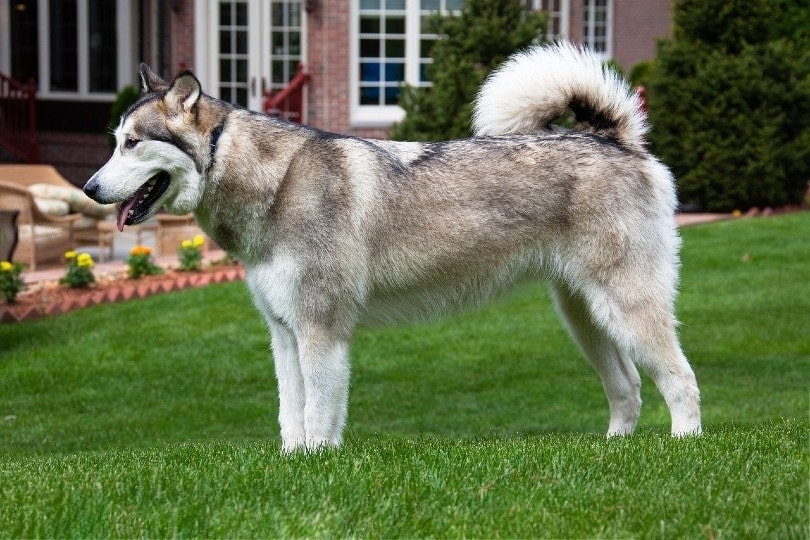
The adult stage is when your Malamute reaches physical maturity. They are typically more settled, but still active and require regular exercise to keep them healthy and happy. All the things that they “forgot” during their adolescent periods, suddenly seem to fall back into place.
Senior Stage (6+ Years)
As your Malamute enters their senior years, they may start to show signs of aging, including reduced activity, a faded or greying coat, and the onset of health issues. You may need to take your pet to the vet more often, and they may also need a special diet. Talk to your vet about starting your Malamute on joint support from this age. Arthritis is basically a certainty in older, large breed dogs, and joint supplements will be of most benefit before any signs of arthritis.
How to Tell Your Alaskan Malamute’s Age
If you don’t know your dog’s date of birth, you can look at their teeth to make an estimate. The older the dog gets, the more wear and tear you will see, with older dogs also having more plaque and tartar buildup. A puppy’s teeth will be clean and sharp. Your vet should be able to estimate your pups age accurately if they are between 8 weeks and two years old. From this point, it can be more difficult to tell as individual dogs will have varying wear and tear on their teeth, depending on their diet, dental hygiene, and chewing habits.
Older dogs also tend to have less energy, and their coat can fade or lose color. Over the age of 7-8 years, dogs will develop a condition called nuclear or lenticular sclerosis, which is when the pupils develop a hazy appearance. This is a completely normal feature of aging.


Conclusion
The Alaskan Malamute usually has an average lifespan of 10–14 years. Providing your pet with a healthy diet that includes real meat as the first ingredient can help ensure that they get plenty of quality nutrients to keep them healthy. Socialization with other pets, places, and people will help them feel more comfortable, and training will help keep them safe, which can all help lead to a longer lifespan.
Sources
Featured Image Credit: Tatyana Kuznetsova, Shutterstock
Get Hepper In Your Inbox


Pet care tips from our vets and experts, straight to your inbox.
You may opt-out at any time. View our Privacy Policy for more information.
Ed Malaker is a veteran writer who has contributed to a wide range of blogs that cover pets, tools, guitars, fitness, and computer programming. When he’s not writing, Ed is usually performing DIY projects around the house or working in the garden. He’s also a musician and spends a lot of time helping people fix their guitars and composing music for independent films.
Join the conversation
Ask a question, share your story, or send private feedback.