Hepper is reader-supported. When you buy via links on our site, we may earn an affiliate commission at no cost to you. Learn more.
11 Vet-Reviewed Alaskan Malamute Facts


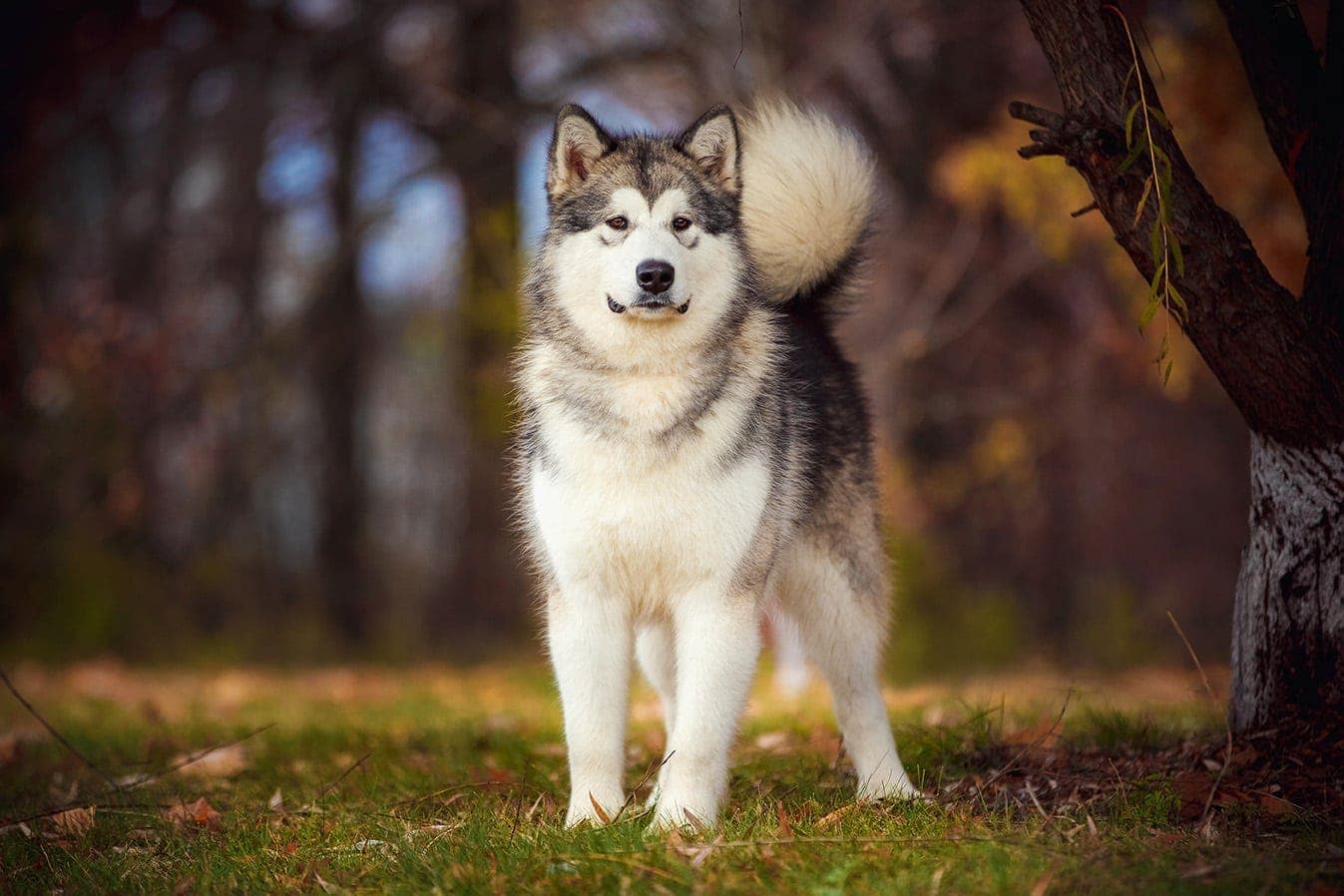
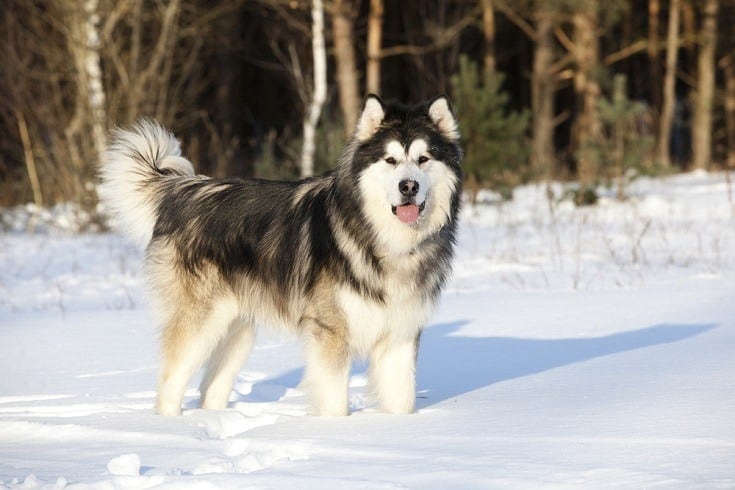
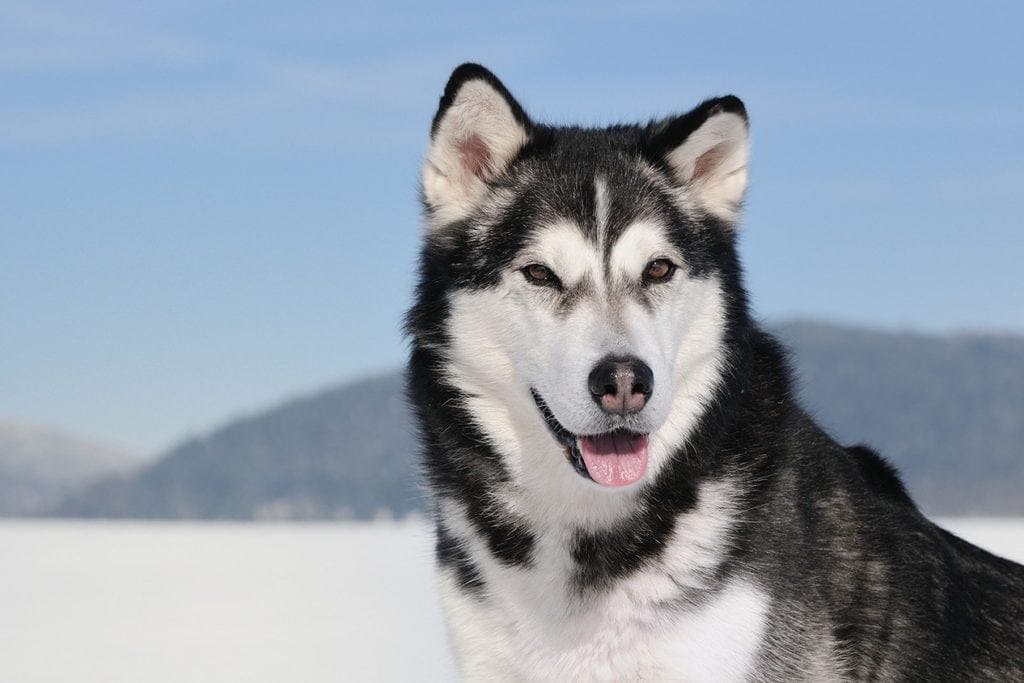
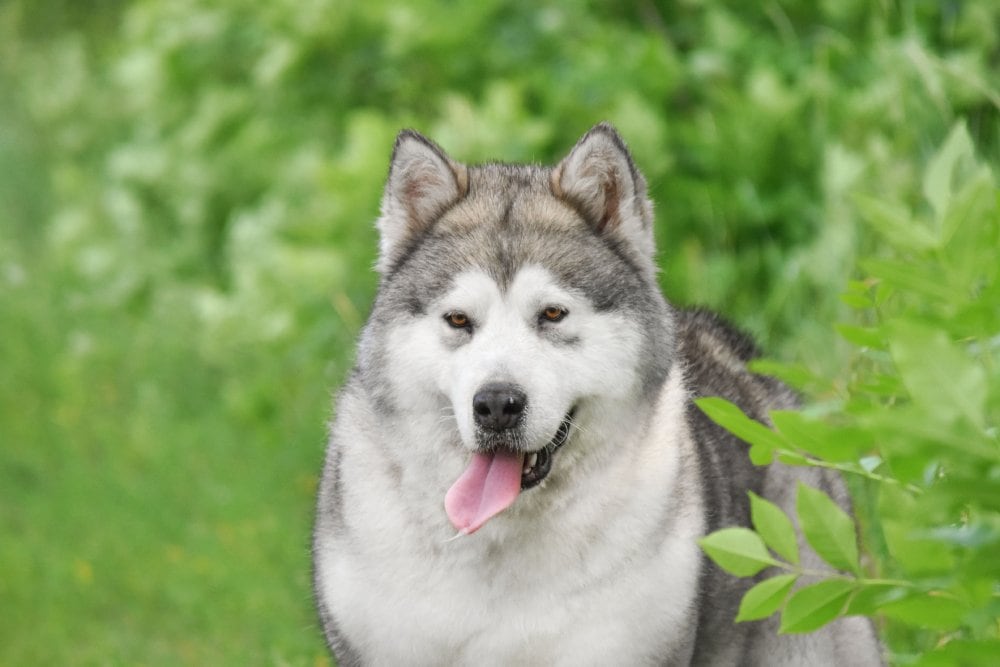
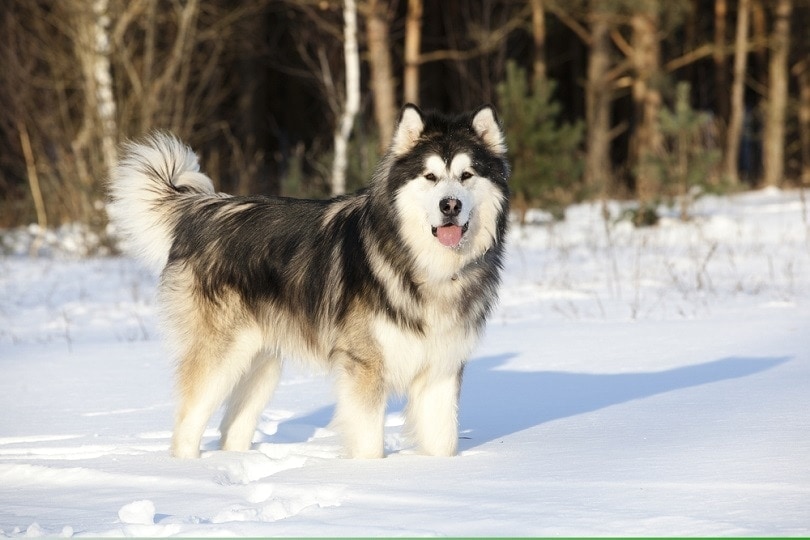
Alaskan Malamutes are powerful spitz dogs built for endurance and heavy-duty work. They have a long history that intertwines with humans, although they are better known today as reliable family pets. Alaskan Malamutes are large with heavy-boned bodies covered with thick, dense fur with distinctive markings. The American Kennel Club (AKC) recognizes Alaskan Malamutes as playful yet loyal dogs with protective personalities.
As an ancient dog breed, the Alaskan Malamute is bound to have surprising facts surrounding them, which will be discussed in this article.

The 11 Facts About Alaskan Malamutes
1. Alaskan Malamutes Have an Ancient History
Alaskan Malamutes are deemed one of the oldest Arctic sled dogs in the world with an ancient history.1 The ancestors of this respectable dog breed date back centuries to the Arctic regions of Siberia. They were originally introduced to North America by the Bering Strait roughly 4,000 years ago.
Alaskan Malamutes were developed as companions and working animals.They are most known for pulling heavy sleds to transport supplies in freezing conditions. They may have also helped their masters hunt and provided protection.
2. They Get Their Name from the Inuit Tribe of Mahlemiut
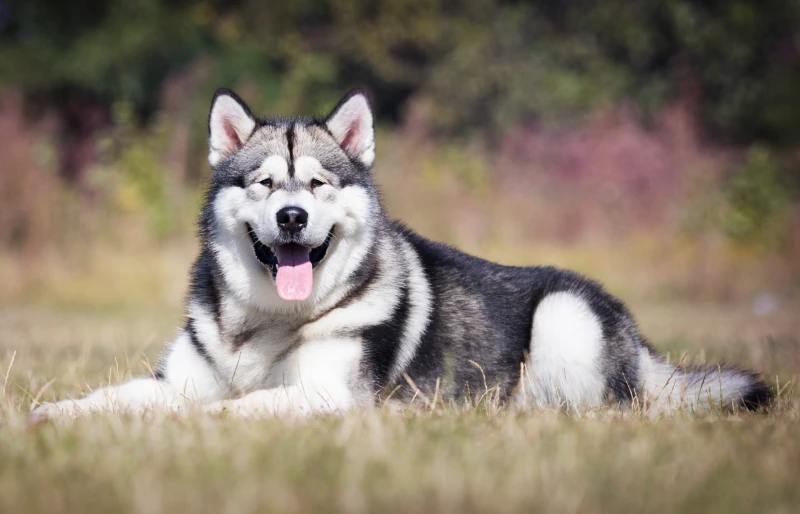
The Alaskan Malamute’s name is derived from the Mahlemut people of the Inuit Tribe of Mahlemiut who owned and bred these dogs for Arctic sledding. The Inuit Tribe of Mahlemiut settled in northwestern Alaska (previously called “Alyeska”) near the Kotzebue Sound shores. These dogs were commonly mentioned in the tribe’s early literature, as they depended on the Alaskan Malamute for survival.
3. Some Alaskan Malamutes Carry a Gene That Causes Day Blindness
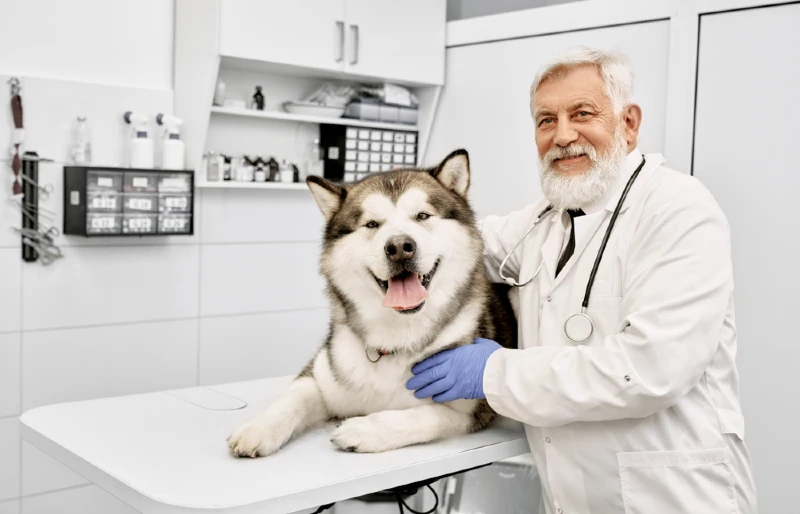
Day blindness or hemeralopia, is a relatively rare inherited health condition that affects Alaskan Malamutes. This condition was first recognized in the 1960s by Dr. Kenneth Bourns of Boru Kennels and found to be an autosomal recessive condition.2 Day blindness is caused by degeneration of cone cells in the dog's eyes and the first signs can appear as early as 7 weeks. Affected dogs are blind in brightly lit conditions but can see in dim light.
This condition can be debilitating for Alaskan Malamutes, and there is unfortunately no current cure.
4. Alaskan Malamutes Almost Went Extinct
According to the AKC, Alaskan Malamutes almost went extinct during the 1896 Klondike Gold Rush. Sled dogs were in demand and the Alaskan Malamute was crossbred with dogs from other areas to keep up with the need. The purity of the Alaskan Malamutes bloodline was nearly lost. Fortunately, the Alaskan Malamutes bloodline was saved thanks to the Mahlemut people’s isolated existence.
5. Alaskan Malamutes Are One of the Largest Sled Dog Breeds
The Alaskan Malamute is a large dog breed and is one of the largest sled dogs. The males have an average weight of up to 85 pounds, standing up to 25 inches tall, whereas the females are slightly shorter at 23 inches tall with a weight of 75 pounds.
Alaskan Malamutes are naturally muscular dogs that excel at pulling heavy loads in snowy conditions. Their deep chest, broad shoulders, and steady gait allow them to pull heavy weights tirelessly.
6. The Alaskan Malamute was Named Alaska’s Official State Dog in 2010
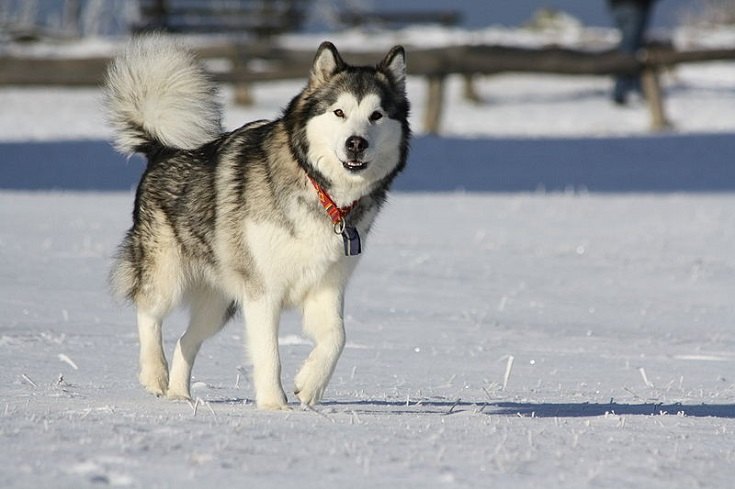
On the 8th of April 2010, the Alaskan Malamute was voted as Alaska’s official state dog.3 This was possible through the efforts of students and teachers from a school in Anchorage. The Alaskan Malamute was chosen out of the other breeds because of their origins on the North American continent, along with their major role in Alaska’s history.
7. Alaskan Malamutes Are Slower Than Other Sled Dogs
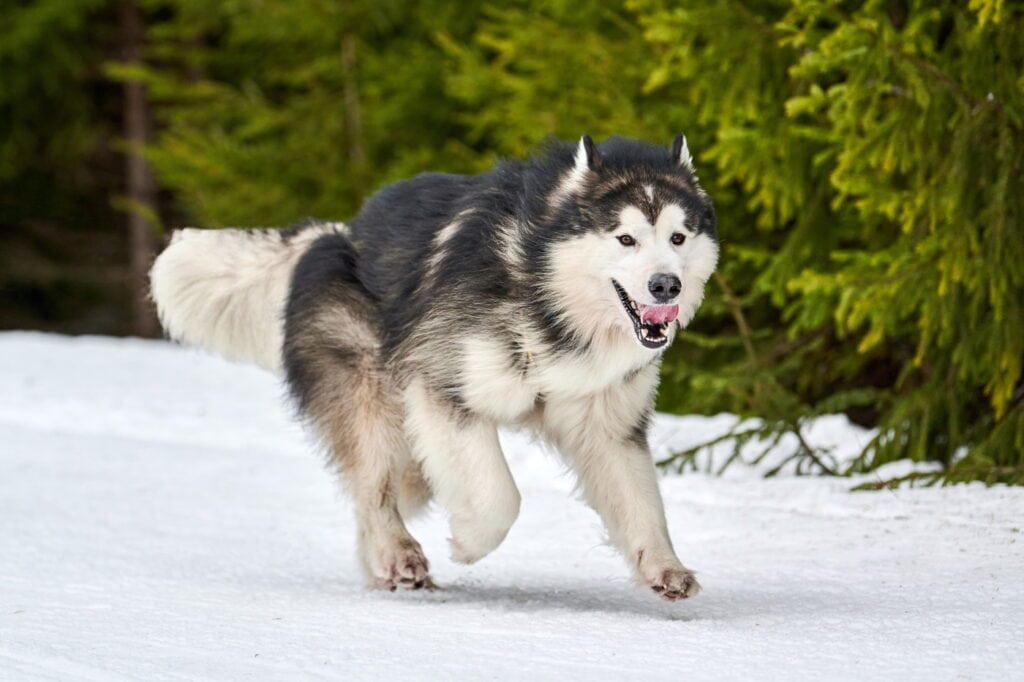
Alaskan Malamutes are not built for speed, but rather endurance and strength for pulling. Their large bodies are a good size for freighting without tiring quickly. Alaskan Malamutes are not as fast as other sled dogs, but they can pull heavy cargo for long distances at slower speeds.
Furthermore, Alaskan Malamutes can freight in extreme weather conditions thanks to their protective coats, muscular bodies, and stamina.
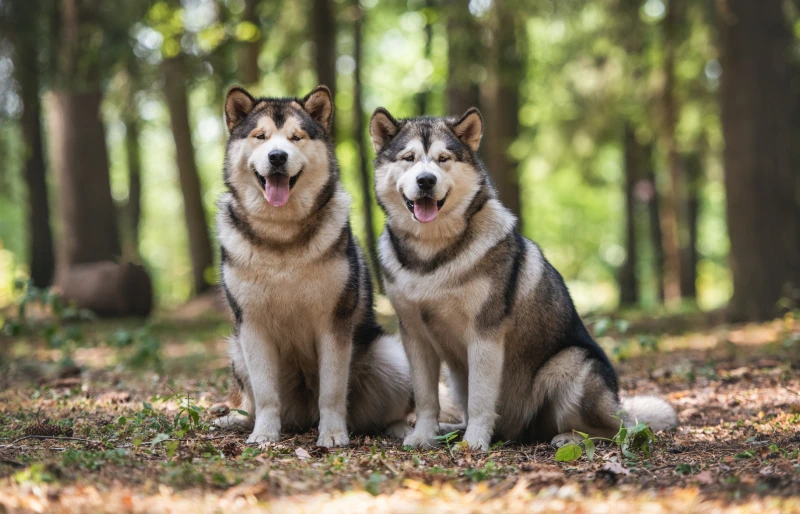
8. Alaskan Malamutes Are Not the Same as Siberian Huskies
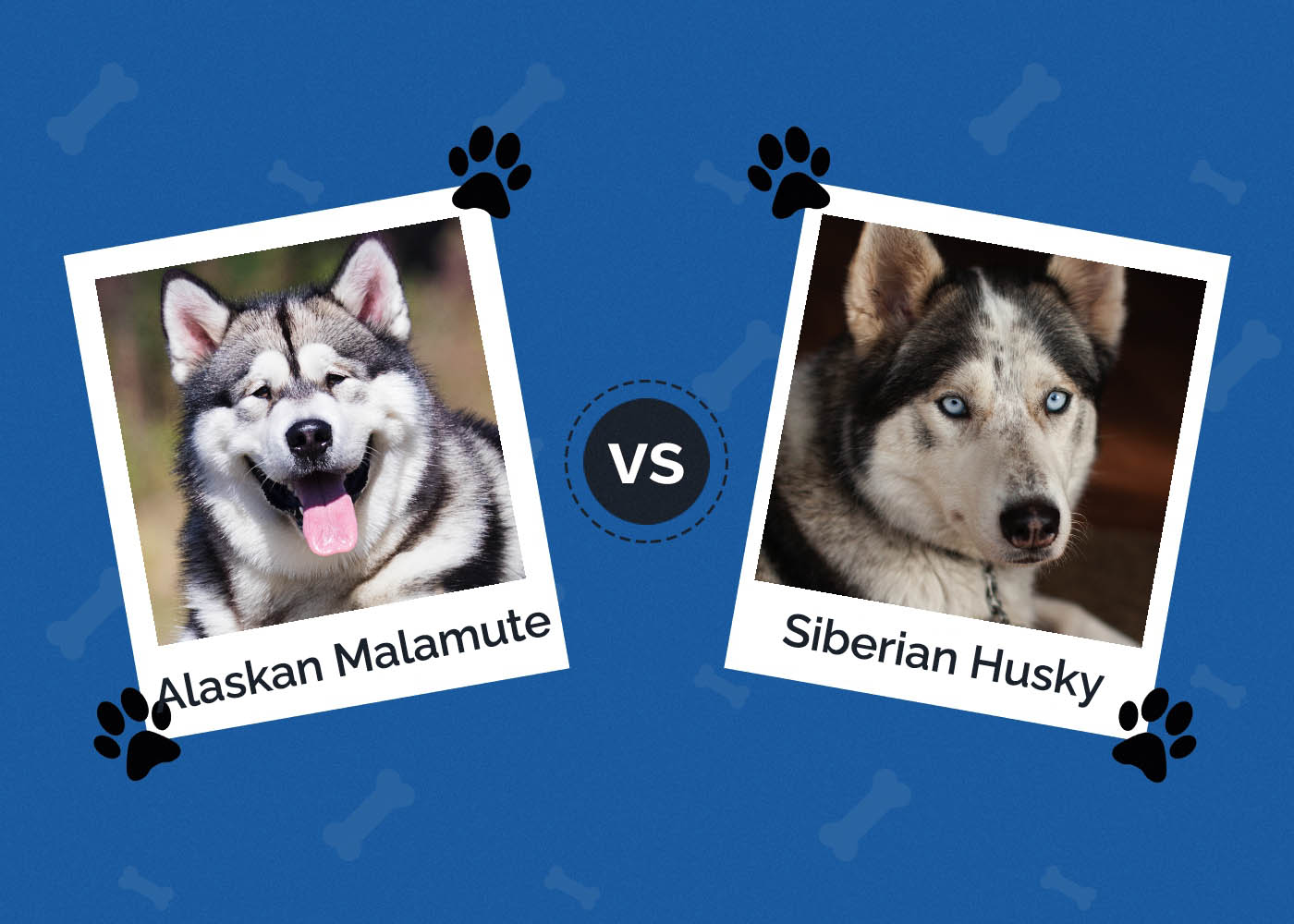
Siberian Huskies and Alaskan Malamutes are sometimes confused for the same dog breed, although they are different. Both dogs were developed for arctic sledding and appear to have common ancestors, but they vary in appearance and have different origin stories.
Siberian Huskies, like Malamutes, originate from ancient Siberia where they remained to be raised as a working dog breed by the Chukchi people of Siberia. They are fast and agile dogs with a slimmer appearance than Alaskan Malamutes. The coat of a Siberian Husky is significantly shorter in comparison and maintains a similar length throughout their body, whereas the Alaskan Malamute is a heavy freighter dog developed for pulling heavy cargo for long distances.
Both dog breeds make loveable family pets, although Siberian Huskies tend to howl and bark more.
9. Their Coat Helps with Temperature Regulation
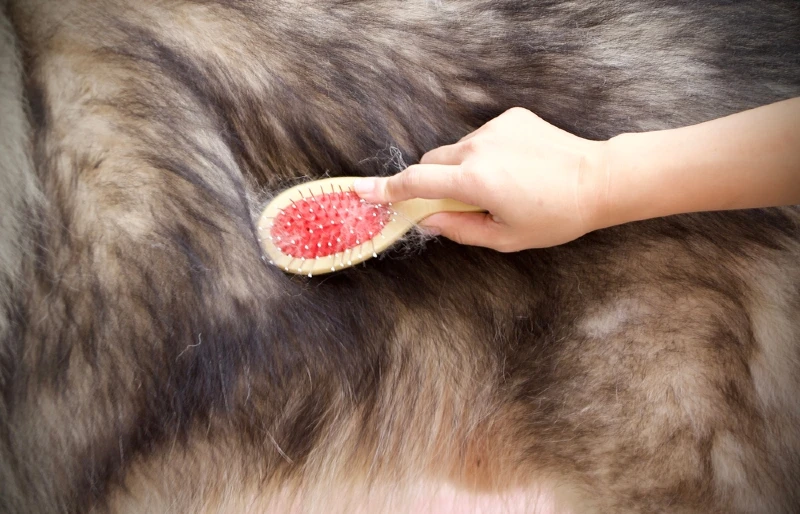
An Alaskan Malamute’s cost is one of their most distinctive features. Their coat is wooly, thick, and waterproof, which helps them stay dry in snow and subzero temperatures. Alaskan Malamutes are heavy shedders, and their double coat requires more maintenance than many other dog breeds.
Their coat insulates them against the cold but can be oppressive in hot weather. You should take the appropriate measures to keep your Alaskan Malamute cool in hot climates and avoid exercise at hotter temperatures. Shaving their coats is a much debated topic. Some claim that the coat repels heat from their body while others report their dog being more comfortable in the heat when shaved. What is certain is that the hair commonly does not grow back well.
10. Although They Do Not Bark Much, They Do Like to Howl
Unlike Siberian Huskies, the Alaskan Malamute is not an overly vocal dog. They are not excessive barkers and instead express themselves in other ways—Alaskan Malamutes enjoy letting out short howls and “awoo” sounds. They can be chatty at times especially when they are doing something fun or playing with you.
11. Purebred Alaskan Malamutes are Derived from One of Three Bloodlines
According to the Alaskan Malamute Club of Belgium, the purebred Alaskan Malamutes that you find today are all derived from one of the three main bloodlines—the Kotzebue, Hinman, and M’loot. The first breed standard for Alaskan Malamutes was named the Kotzebue line. The AKC recognized the Kotzebue line's breed standard back in 1935.
Around the same time, dedicated breeders Paul Voelker and Dick Hinman were creating two more bloodlines for the Alaskan Malamute. Paul Voelker composed the M’Loot line, while Dick Hinman the Hinman line.
Conclusion
The modern Alaskan Malamutes’ large body structure, endurance, and willingness to please their owners are evidence of the breed's ancient history. Their origins date back thousands of years and played a part in Alaska’s history throughout most eras.
Nowadays, Alaskan Malamutes make great family-orientated pets with a reliable and loyal temperament.
See also: How Long Does an Alaskan Malamute Live?
Sources
Featured Image Credit: Tatyana Kuznetsova, Shutterstock
Get Hepper In Your Inbox


Pet care tips from our vets and experts, straight to your inbox.
You may opt-out at any time. View our Privacy Policy for more information.
Sarah is residing in South Africa with her partner and pets. She currently is interested in veterinary science and ichthyology, which she wants to study alongside her main passion: pet content writing. Sarah has over 60 fish including goldfish, tropicals, shrimp, and snails. She also keeps hamsters and a tarantula and wishes to provide quality content for readers and allow others to learn from her knowledge and experience. Sarah has much experience in all aspects of pet care, and providing the world with knowledge on ethical pet ownership is her lifelong dream.
Join the conversation
Ask a question, share your story, or send private feedback.