Hepper is reader-supported. When you buy via links on our site, we may earn an affiliate commission at no cost to you. Learn more.
How Long Will It Take for Cat Laxatives to Work? Vet-Verified Facts


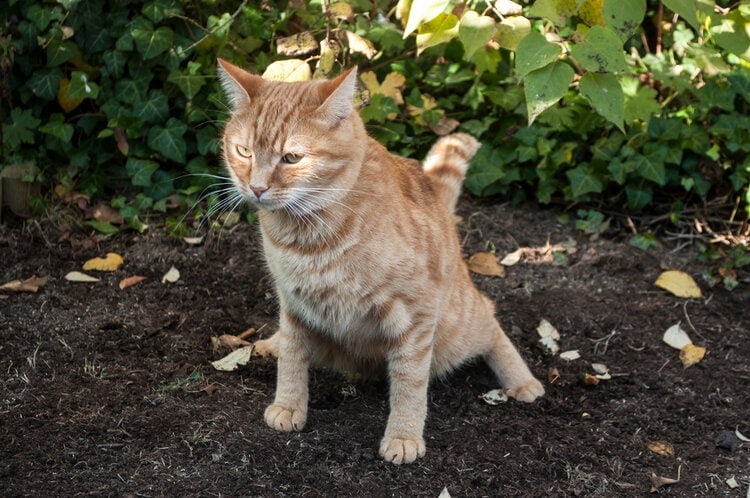
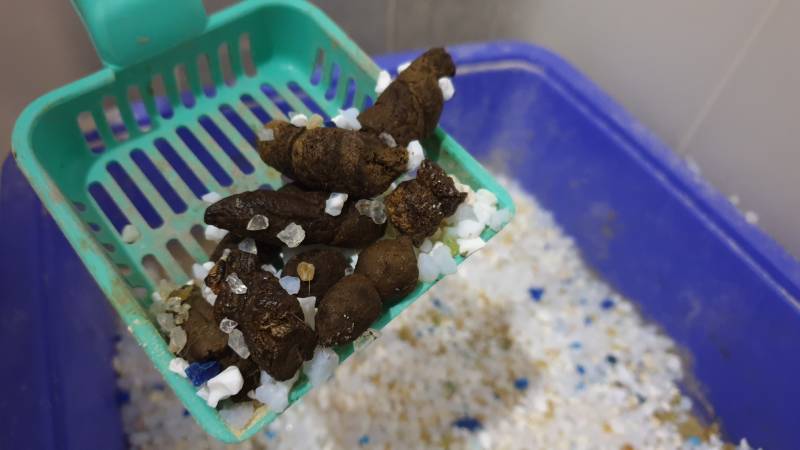
It’s an unfortunate fact that constipation is common in cats.1 Constipation is often caused by dehydration, and many cats don’t drink enough water throughout the day. One way to treat constipation is to use laxatives for cats.
There are several different types of laxatives, and they typically take about 1-2 days to take effect. Here’s what you need to know about them and how you can help your cat if it's experiencing constipation.

About Cat Laxatives
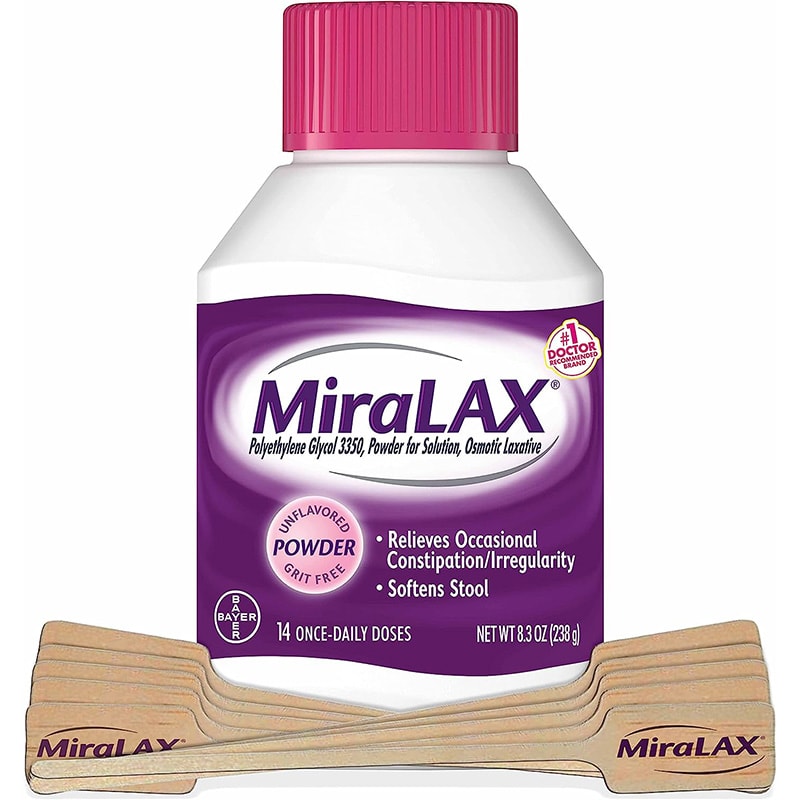
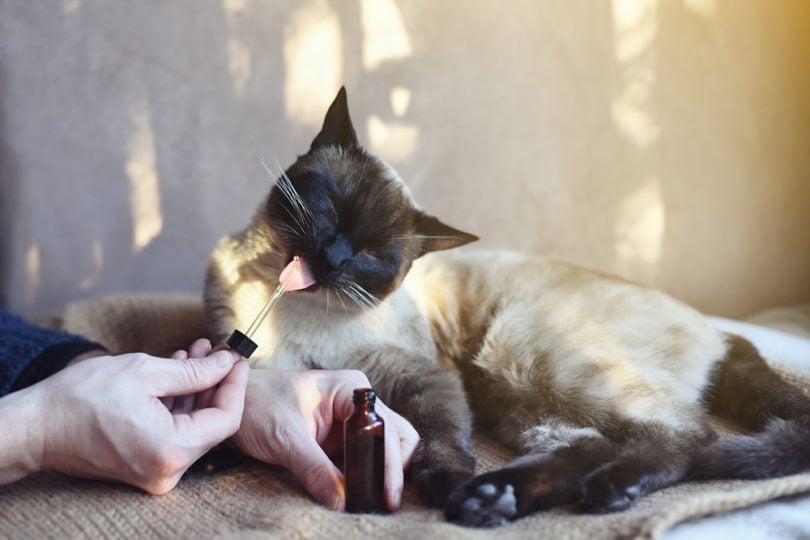
You can find a couple of different over-the-counter laxatives used for cats but these are human medications. Some common laxatives that you can find stocked in stores include Miralax and Colace. Both Miralax and Colace work by increasing the amount of water that stools absorb in the gut. This softens the stool and allows easier passage through the intestines.
Although Miralax and Colace are over-the-counter laxatives, they should still be taken with great caution. Overdosing can lead to severe diarrhea, which can cause dehydration and a slew of other painful side effects. Therefore, make sure to consult with your veterinarian before buying these laxatives for your cat.
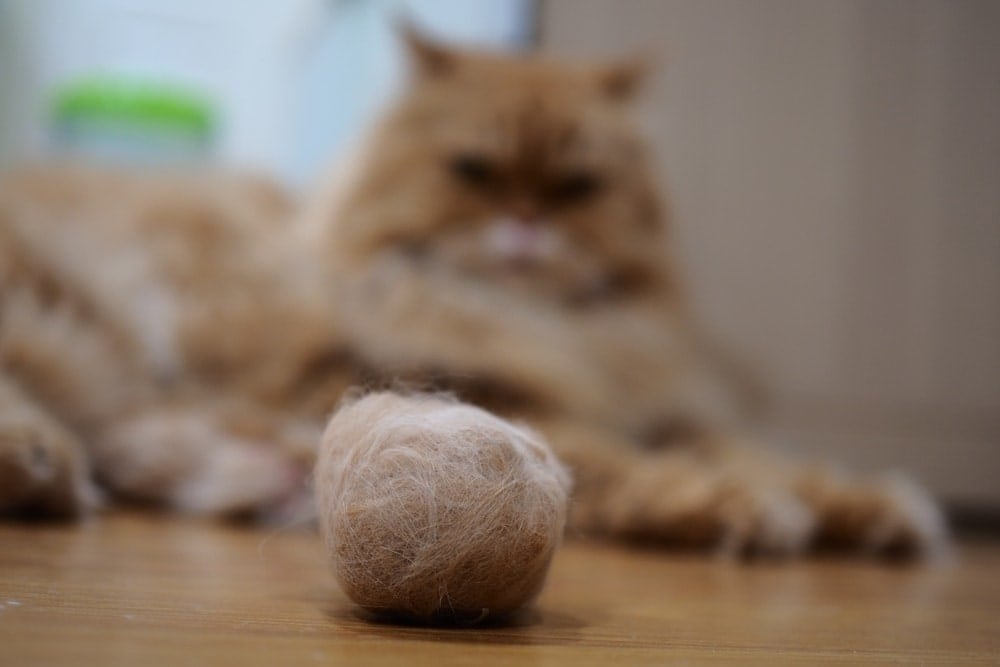
Another type of cat laxative is Laxatone. Laxatone is an oil-based medicine that’s often used to reduce hairballs, but it can also be used to treat constipation. It helps to stimulate and encourage bowel movements in cats.
Miralax and Colace can work as quickly as within a day, while it can take about 5 days to see Laxatone take effect. Make sure to confirm with your veterinarian the number of days you can expect the laxatives to work. If you don’t see any results within this expected number of days, contact your veterinarian right away.

Other Cat Constipation Treatments
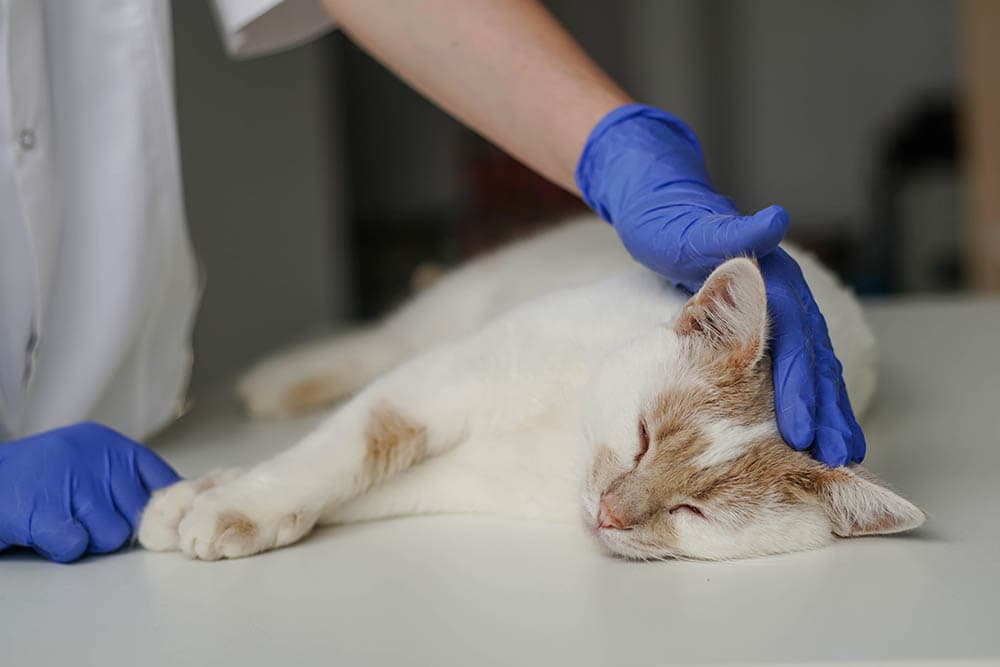
There are several other things you can do to help your cat out if it experiences repeated occurrences of constipation.
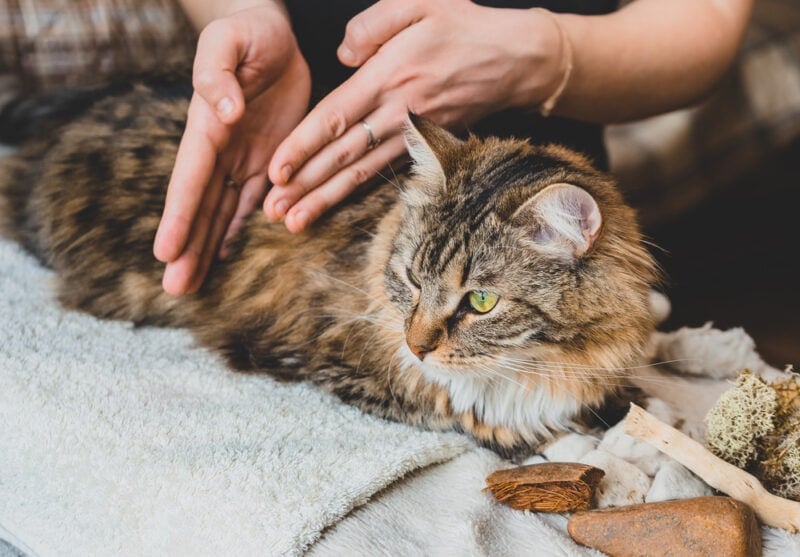
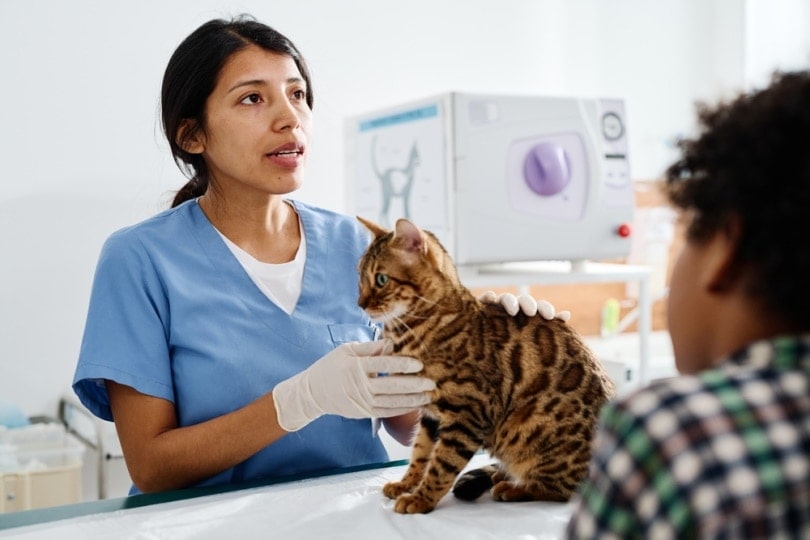
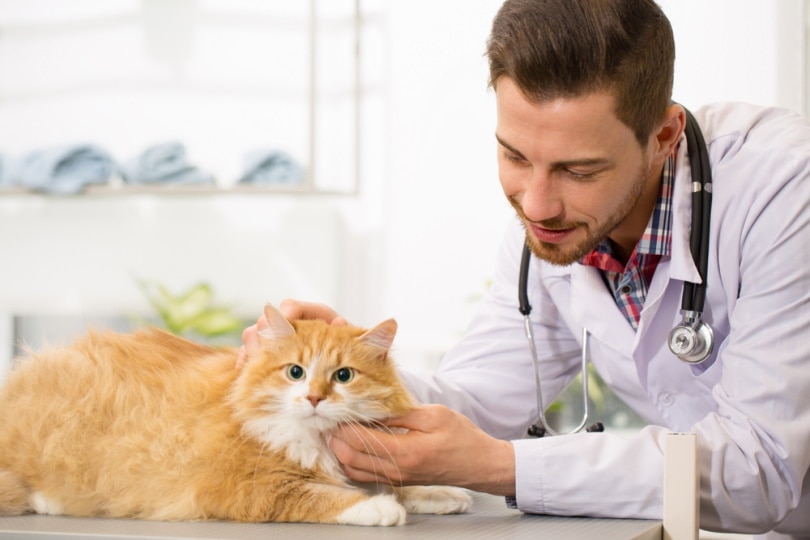
When you take your cat to the veterinarian, they will examine to find underlying causes of constipation. If possible these underlying conditions such as arthritis or kidney disease will need to be treated or managed to reduce the occurrence of constipation.
Lifestyle Changes
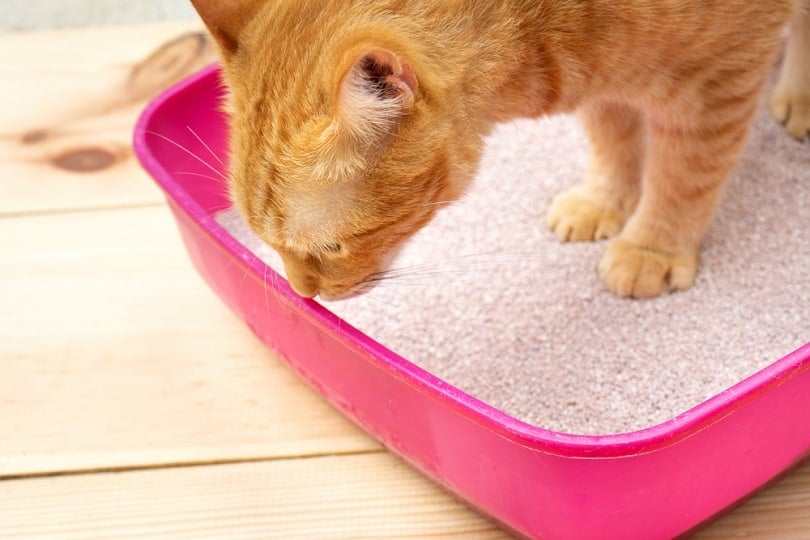
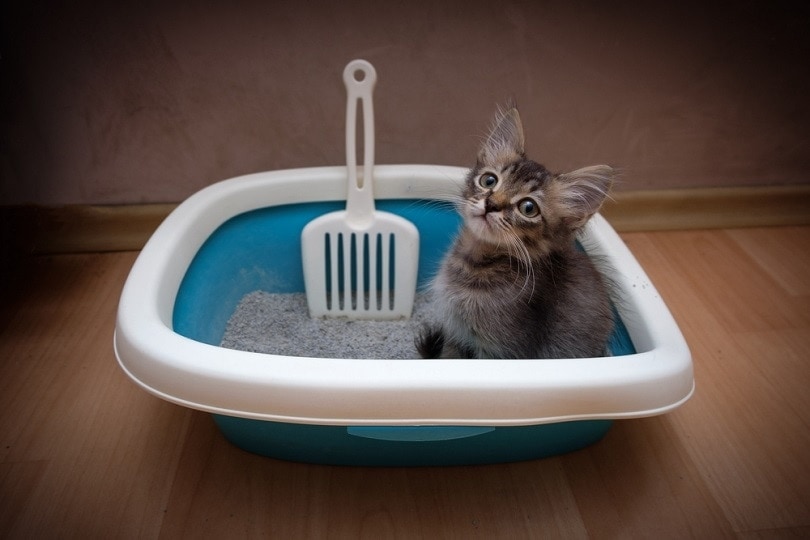
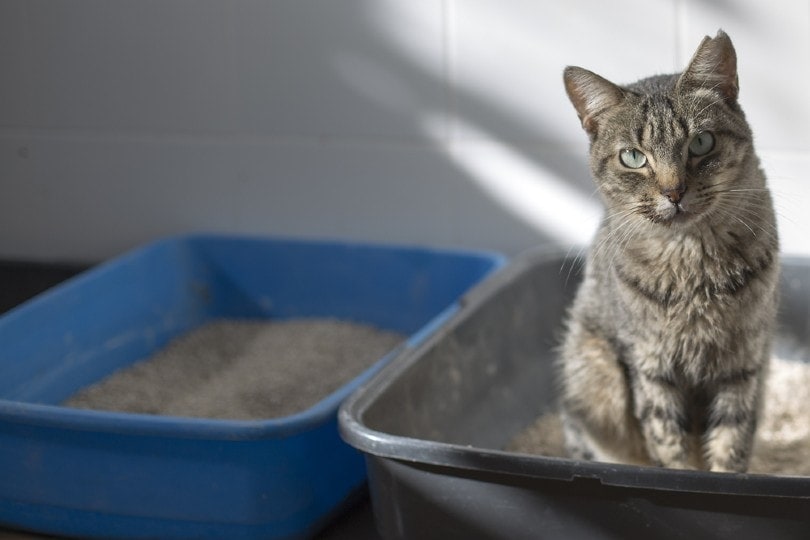
You can also try making some lifestyle changes for your cat. Sometimes, cats may choose not to relieve themselves and develop constipation in the process because of litter box issues. You may need to place more litter boxes around the house so that your cat has more clean and accessible places to pee and poo.
Dietary Changes
A new diet can also help reduce the occurrence of constipation in cats. Switching to food with more moisture content, such as canned food, can help cats take in more water. Giving them probiotics and fiber supplements can also help cats have an easier time passing stools. Adding broth to their meals can also be another way to keep them hydrated.
Some cats may also become constipated as a result of food allergies. So, you can try changing your cat’s diet to a limited-ingredient recipe or a recipe that contains a single source of meat protein.
Changes to Water Stations
Changing up your cat’s water station can also help alleviate constipation. Some cats may not like drinking out of a stationary water bowl. A cat water fountain can help encourage cats to drink more water because of the running water and the sound that it makes. Setting out multiple water stations throughout your home can also help encourage them to drink water more frequently.

Conclusion
Cat laxatives are one method of alleviating constipation for cats. They usually take about a day or several days to take effect, and they’re usually remedies for isolated incidents of constipation. So, if constipation is a frequent and chronic occurrence, you may have to consider making some lifestyle changes for your cat in consultation with your vet.
Chronic constipation can be an indicator of an underlying disease or illness, so it should never be dismissed. Cat laxatives should always be used with caution and under veterinary observation. If you don’t see them working for your cat, let your veterinarian know right away so that further treatment can be done to help your cat feel better.
See also:
Featured Image Credit: Nestor Rizhniak, Shutterstock
Get Hepper In Your Inbox


Pet care tips from our vets and experts, straight to your inbox.
You may opt-out at any time. View our Privacy Policy for more information.
Jessica is a freelance writer who spends most of her day reading and writing while her fluffy Cavapoo, Nora, naps beside her. She loves and appreciates pets and animals because there’s so much to learn from them, and they do so much for people. As a dog mom, she understands the special relationship that pet parents have with their pets. So, she loves sharing helpful information that people can use to better understand their pets. When she’s not writing, you can find her walking dogs, tending to her plant babies, or drinking her nth cup of coffee.
Join the conversation
Ask a question, share your story, or send private feedback.