Hepper is reader-supported. When you buy via links on our site, we may earn an affiliate commission at no cost to you. Learn more.
Why Won’t My Kitten Poop? 6 Vet Reviewed Reasons & Solutions


In this article
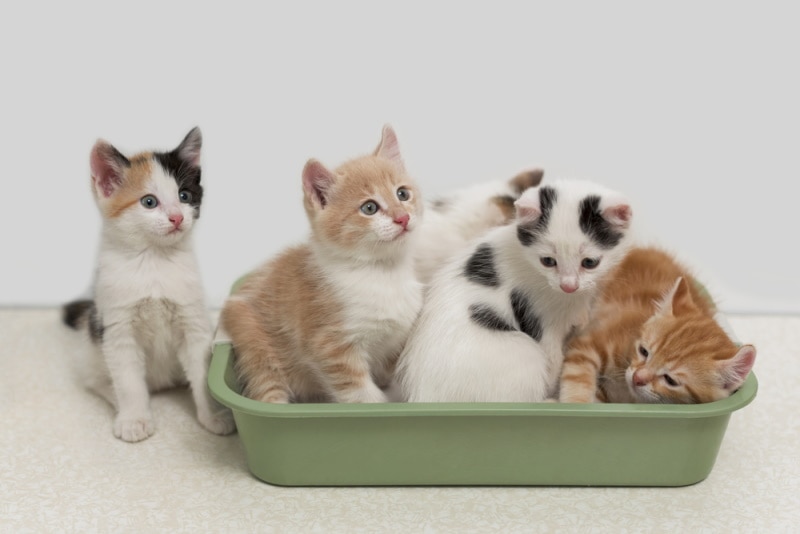
A new kitten in your home provides hours of entertainment and joy, but some cats display troubling symptoms when they are young. Although it varies with the cat’s age, most kittens will eat every 4 hours and poop two or more times a day. If your cat has not defecated in two days, you should visit the veterinarian urgently. Whether the constipation is a temporary condition or a chronic illness, a constipated kitten must be relieved soon to prevent further medical issues.

The 6 Reasons Your Kitten Won't Poop
1. The Cat Is Too Young
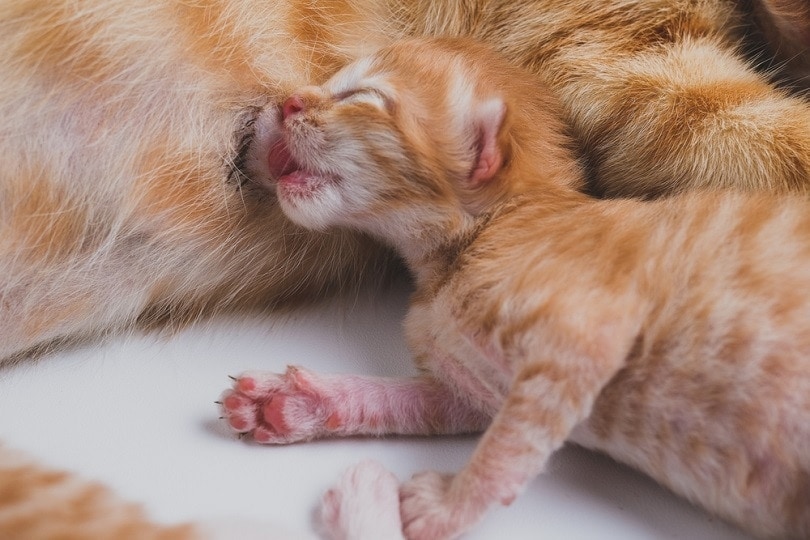
Ideally, kittens should remain with their mothers until they're weaned, but some orphaned kittens are abandoned before they can care for themselves. If your pet is under 2 or 3 weeks old, it may be too young to defecate by itself. The mother usually helps her babies go to the bathroom at this stage by stimulating the anus with her tongue. A healthy kitten that’s too young to release its stool will need help from its owner.
How you can help:
After your kitten has been examined and cleared of other causes for constipation, your vet can demonstrate how you stimulate the anus with a moistened towel. Cleaning the cat’s rear end with sanitary wipes after each bowel movement is vital for keeping the kitty healthy and free of infections. You may have to continue bottle-feeding the cat until it’s at least 4 or 5 weeks old, but that’s when it usually learns to poop by itself.
2. Litter Box Problems
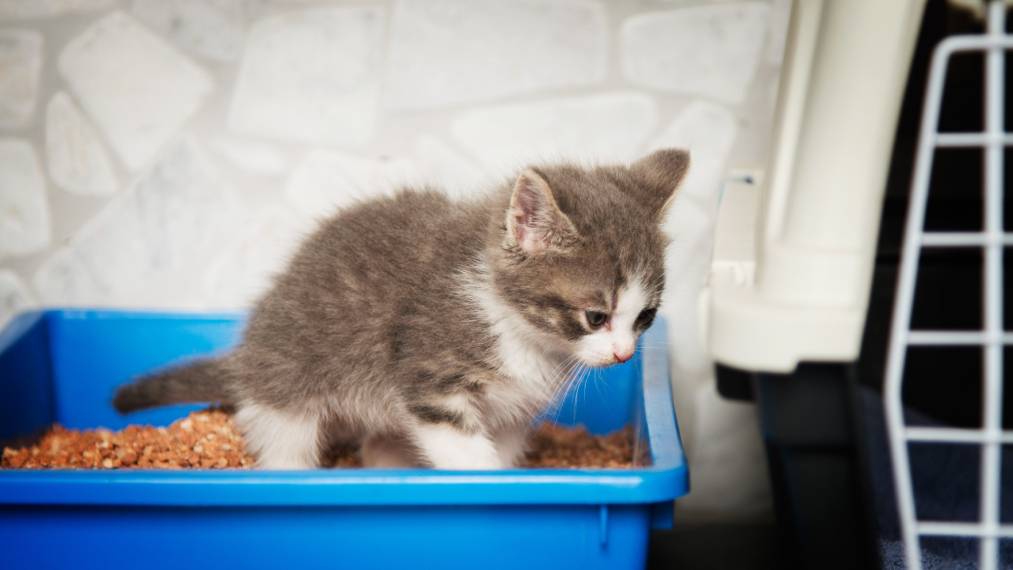
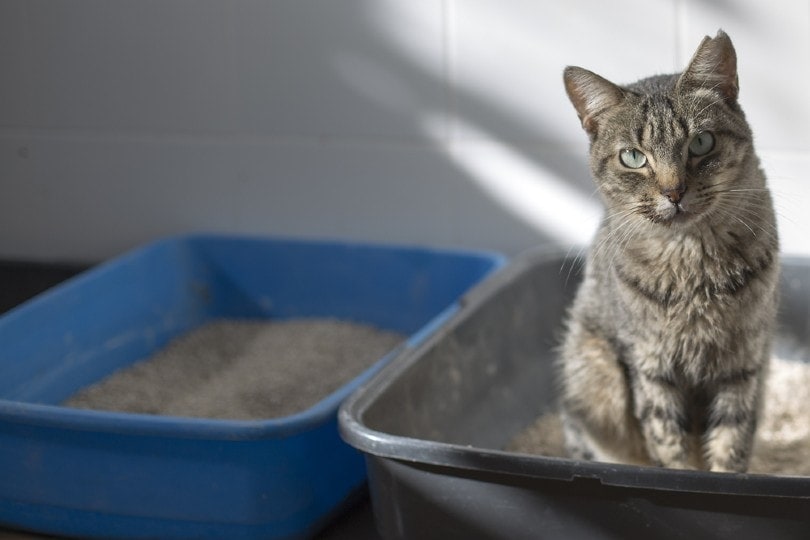
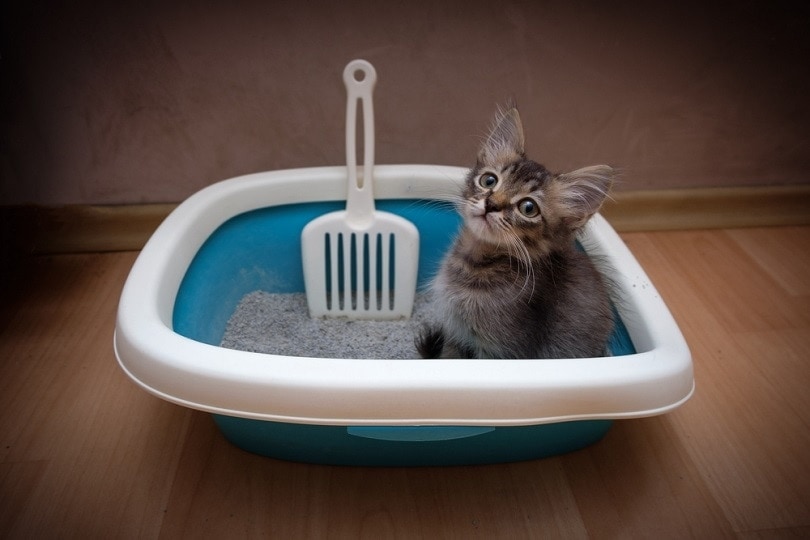
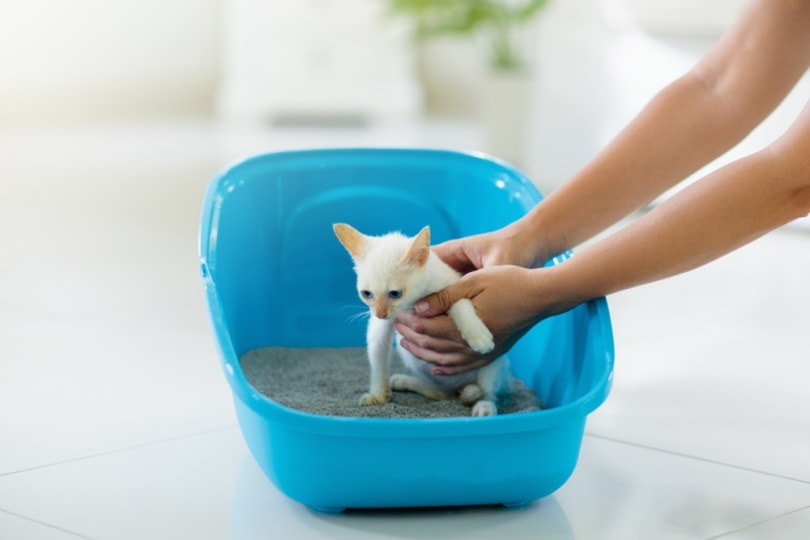
Young kittens only 4 or 5 weeks old should have a shallow litter box with litter. A small box is less intimidating to young cats, and you’ll eventually replace it in a few months when the cat is larger.
A constipated kitten may be hesitant to use the box because:
How you can help:
Open Boxes
Although covered boxes may help contain odors, open containers may be more suitable for inexperienced felines. Cats feel vulnerable when using the bathroom, and a top that restricts their movements can be uncomfortable. For others, being out in the open is worrying. You may need to experiment with the lid on and off to see what they prefer.
Quiet Room
Place the box in a quiet room that the kitten can easily access and prevent other pets from using the same area. You should place litter boxes away from food and water. There should be one litter box per cat in the house and one extra as a general rule. You can experiment with unscented litter made from clay, paper, or wood if your cat's picky about the smell or texture of the current product.
3. Dehydration
Your kitten’s constipation may be related to not drinking enough water, but you should rule out any medical issues with a thorough examination from the veterinarian. Dehydration is dangerous for cats of every age, but it can be especially harmful to a young cat.
How you can help:
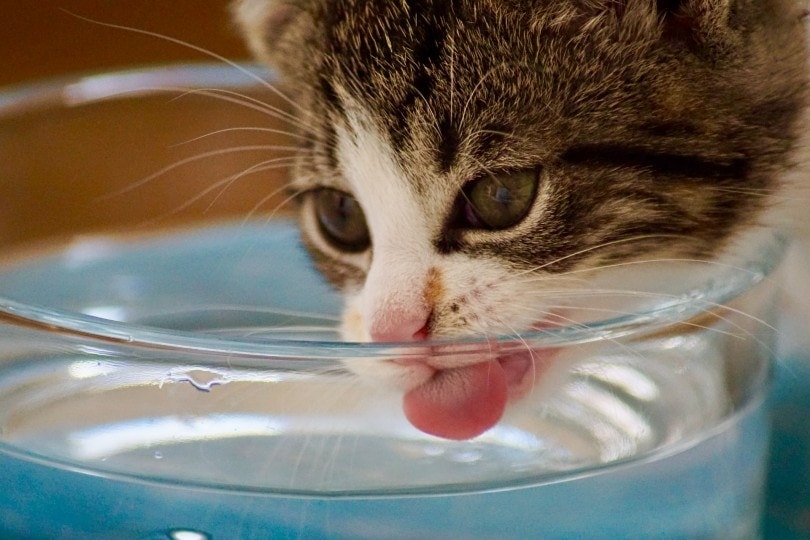
Your pet may dislike the texture of the water bowl or where it’s located. Experiment with stainless steel and ceramic bowls to determine which one your cat prefers and place the bowl in a room away from the litter box and separate from the food. Although they’re cheap, plastic products can harbor bacteria when scratched. Make sure it is wide enough that your cat’s whiskers don’t touch the bowl when taking a drink.
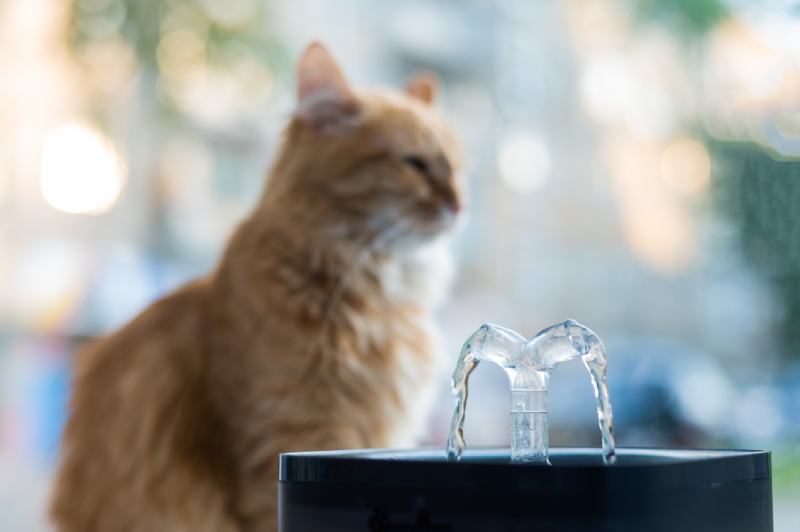
Fresh water should be changed daily, and you have to ensure the bowl is cleaned thoroughly to encourage your cat to drink more. Some felines enjoy sipping from running water, and you can purchase a water fountain if your kitten dislikes the water bowl.
3. Obstructions
Like adult cats, kittens are curious beasts that play with items on your desk or table and sometimes try to eat them. A foreign object can block the intestines and prevent the animal from defecating.
Signs of intestinal obstruction include:
How you can help:
Only a veterinarian is qualified to treat an obstruction, and you should take your constipated pet to the vet quickly if it experiences any of the previous symptoms. Your vet can use IV fluids to hydrate the cat, but an intestinal obstruction may require surgery to remove the object.
4. Anxiety or Stress
Stress can affect kittens and disrupt their ordinary routine. A stressed-out kitten may be holding in its stool because it does not feel comfortable in the environment. Chronic stress is a severe condition that can lead to other illnesses and inhibit the immune response.
How you can help: Since a medical problem can cause stress, your cat should be evaluated by a vet before attempting treatment. Several over-the-counter medications are designed to reduce anxiety, but they should not be administered without speaking to the doctor. Your vet may suggest following a healthy diet and routine feeding schedule, providing a comfortable area to hide, and maintaining a clean litter area to reduce anxiety.
5. Disease
A constipated kitten may lead owners to try commercial enemas designed for humans, but some brands contain a lethal dosage of potassium that can kill your cat. A veterinarian can determine the appropriate treatment options, but unfortunately, the condition could be related to an underlying disease. Some of the medical issues that can cause constipation in kittens include anatomical problems, parasites, and pain.
How You Can Help:
After a complete examination and testing, the veterinarian will remove the feces blocking the intestines and treat the condition.
Preventing Constipation in Your Kitten
You cannot prevent constipation caused by an inherited disease, but several causes of the condition are preventable. A blockage in the cat’s colon can endanger its health, but you can use these tips to ensure your pet maintains healthy stools.
1. Monitoring Your Pet’s Hydration
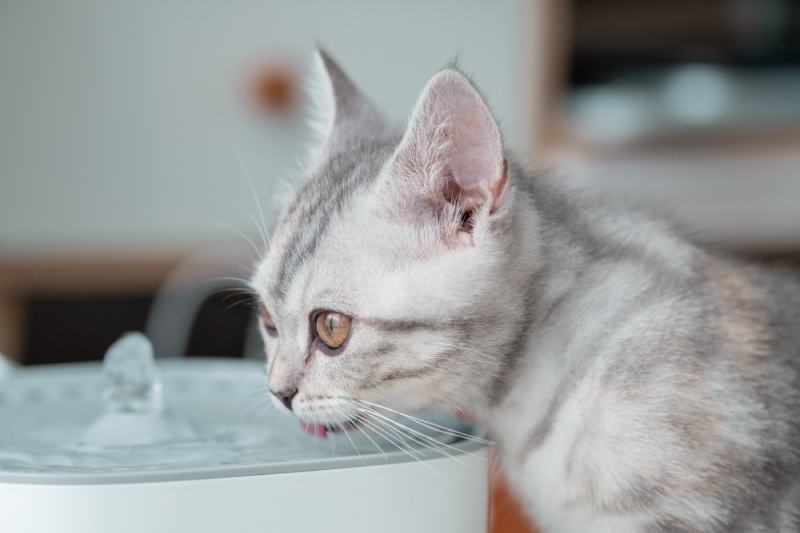
Cats that primarily eat dry food and dislike drinking from water bowls are vulnerable to dehydration. Kibble is packed with protein and essential nutrients, but it lacks moisture. Adding wet food to your cat’s meals can increase the moisture content, but try to reduce the dry food when serving both to prevent overfeeding. Using a water fountain can also increase hydration since many cats prefer sipping from running water.
2. Providing a Healthy Diet
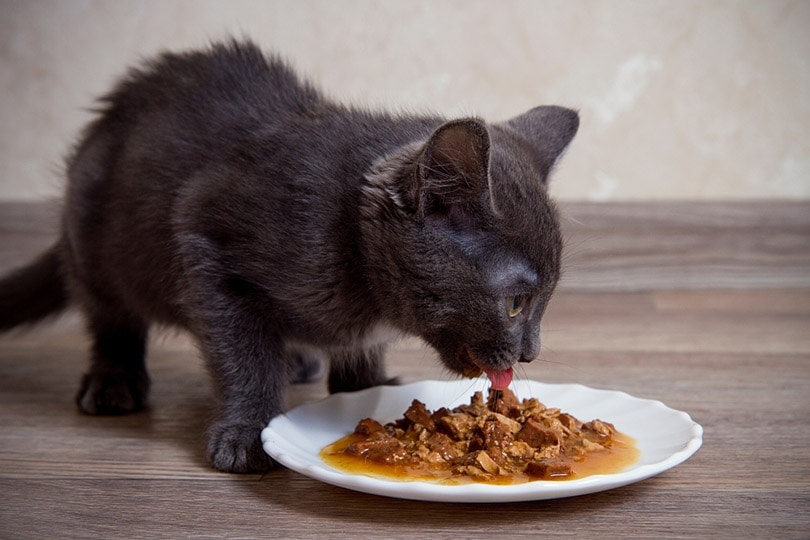
Your veterinarian can help you choose a healthy diet for a picky feline, but you should generally serve high-quality meals with moderate fat, high protein, and fewer carbohydrates. Combining premium wet and dry food can help your cat stay hydrated, but it is important to pick trusted brands that conduct lifetime studies on their recipes.
Lengthy studies help manufacturers determine if any ingredients are unsuitable for the cat’s diet. Cats can take years to react to a substance, and short-term tests may not confirm that a component is harmful.
3. Establish a Feeding Routine
Feeding a cat at different times can disrupt digestion, and most felines are happiest when they follow a routine. If you have a demanding schedule, you can use an automatic feeder to dispense meals. Active breeds may benefit from having access to a full bowl all the time, but most cats are vulnerable to overeating when they do not have an established feeding amount. Most cats will be happiest eating little and often.
4. Maintaining a Peaceful Atmosphere
As we discussed earlier, a stressed-out kitty can experience litter box problems and eventually become constipated. Kittens are inexperienced with the world and unaware of how to react to the stimuli around them. Maintaining a calm environment can help your pet become more comfortable in your home. Your cat should be exposed to children, other pets, and music to improve its socialization, but you can do so carefully so the animal does not become overwhelmed.
5. Increasing Exercise Sessions
Most healthy kittens are fond of running around the house at high speeds, and they typically stay physically fit without their owner’s help. However, it is essential to play with your pet and give it plenty of attention when it’s young to reinforce your bond. Kittens are asleep for most of the day, and you can spare a few minutes with a feather toy when your pet is in high-energy mode.
6. Keeping the Litter Box Clean
Some breeds are pickier than others about their litter boxes, but every cat should have a clean area to use the bathroom. Cleaning the litter and the surrounding area every day will ensure your cat will not wander into another room to poop or risk becoming constipated.

Final Thoughts
Healthy kittens eat and poop more often than adults, and a constipated kitten requires immediate relief to stay healthy. The pet industry produces several laxatives and supplements to help pets remain regular, but you should not use an over-the-counter product unless it’s been approved by your veterinarian. A thorough examination from the doctor will determine the cause of the kitten’s constipation and the appropriate treatments.
You might also be interested in: How to Determine the Gender of a Kitten (3 Easy Methods)
Sources
https://www.petmd.com/cat/care/kitten-development-understanding-kittens-major-growth-milestones
https://www.petmd.com/cat/care/litter-box-training-why-setup-and-placement-matters
https://www.petmd.com/cat/care/8-ways-help-your-constipated-cat
https://www.petmd.com/cat/centers/nutrition/slideshows/signs-your-cat-might-be-stressed#slide-1
https://www.vets-now.com/pet-care-advice/constipation-in-cats/
Featured Image Credit: Andrey Khusnutdinov, Shutterstock
Get Hepper In Your Inbox


Pet care tips from our vets and experts, straight to your inbox.
You may opt-out at any time. View our Privacy Policy for more information.
Nicole is a lover of animals of all sizes but is especially fascinated with the feline variety. She’s the proud mom of Baby, a Burmese, and works every day so he can relax in the sunshine or by the fire. She’s always had a cat in her home and has spent countless days with others, observing behaviors and softening up even the grouchiest of the lot. Nicole wants to share her kitty expertise with you so you and your cat can live happy, healthy, and care-free.
Join the conversation
Ask a question, share your story, or send private feedback.