Hepper is reader-supported. When you buy via links on our site, we may earn an affiliate commission at no cost to you. Learn more.
How Do I Give My Cat Lactulose? Our Vet Answers


In this article
Lactulose is a laxative that is designed to aid constipation in people. Though it is frequently prescribed for cats, its use in veterinary medicine is considered “off-label.” This means that it is not licensed for cats and does not have approved dosages and safety margins. However, vets have used this product for some time and have a good understanding of how to use it with our feline friends. It is primarily used to treat constipation and liver disease and should only be prescribed by a veterinarian.
This article will explore how lactulose works, why it is used, and how to give the product.

What is Lactulose?
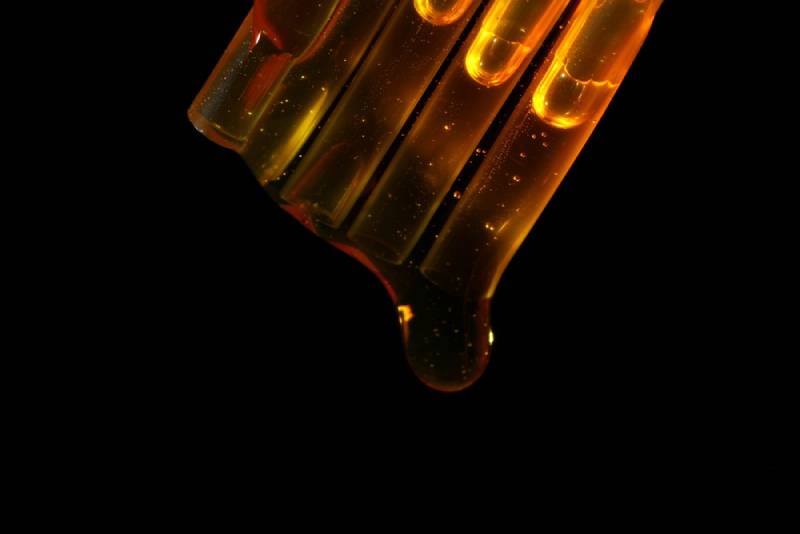
Lactulose is a sugar molecule, though it’s a bit different from basic sugars such as glucose, which are found commonly in food. Lactulose is a disaccharide, meaning the molecule has two sugar molecules chemically bonded together. It is available in both syrup and crystal form.
How Does Lactulose Work?
1. Constipation
Lactulose is not able to be digested by the stomach and small intestines. This means it makes it all the way through the digestive tract to the large intestines, also known as the colon. Here, the colon is able to break down lactulose, releasing a number of different chemical products. These products draw water or fluid into the colon, softening the stool, and aiding in its passage.
2. Liver Disease
Another mechanism by which lactulose works is the acidification of the colon’s contents. By making the contents more acidic, ammonia is brought out of the bloodstream and excreted in stools. Ammonia is a product that builds up in the blood in cases of liver failure, causing toxicity, so its excretion in stool is highly beneficial for cats with liver disease.
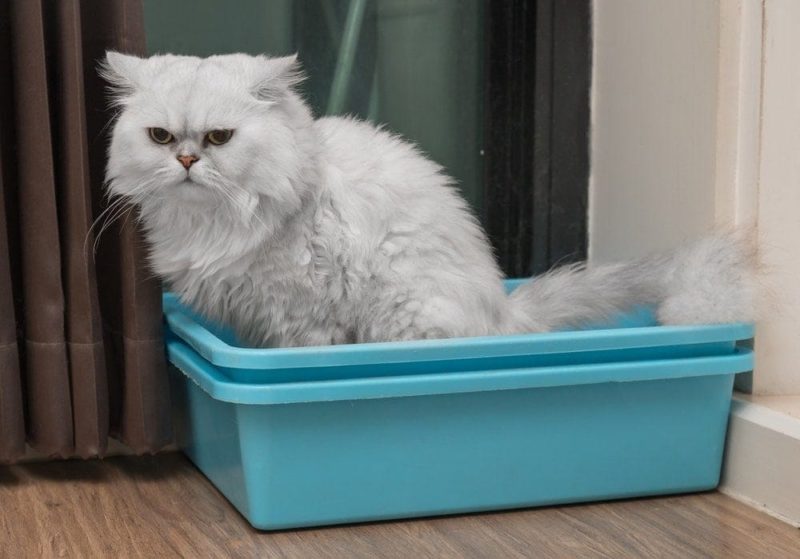
Signs and Causes of Constipation in Cats:
Signs of constipation in cats include:
Causes of constipation in cats:
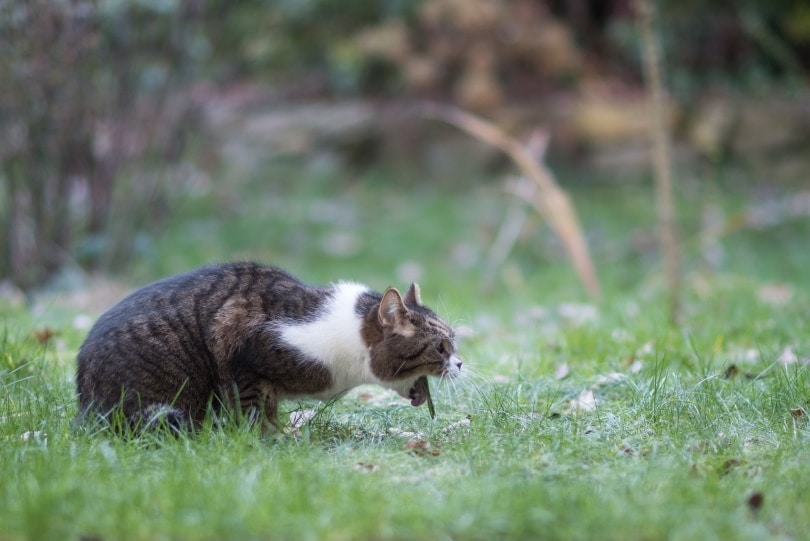
Signs and Causes of Liver Disease in Cats:
Signs of liver disease in cats include:
Causes of liver disease in cats:
How Do I Give Lactulose to My Cat?
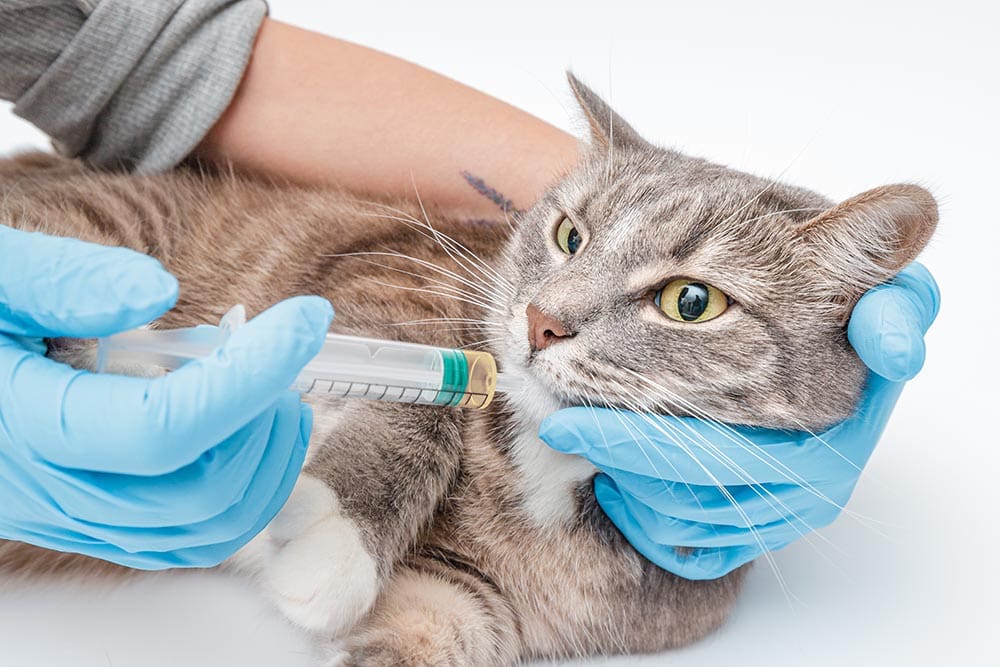
Lactulose, either in its syrup or crystal form, is given orally (via the mouth). It should not be given unless it is prescribed by a veterinarian. In other words, if you think your cat is constipated, or suffering from liver disease, always arrange a consultation with your veterinarian before administering any lactulose.
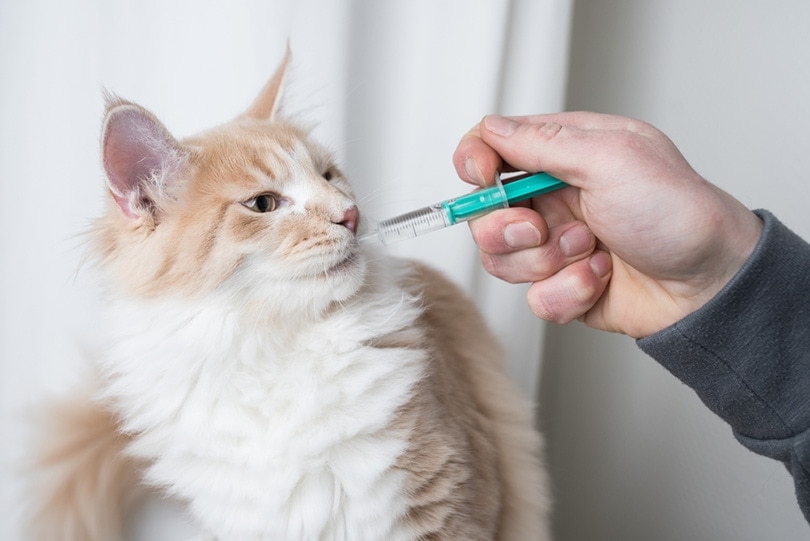
The dose is based on your cat’s weight. If using the syrup, lactulose is typically drawn up in a syringe and given down the side of the mouth. It can be placed in, or mixed with your cat’s food, but this may make them reluctant to eat if they don’t like the taste. Crystals are usually measured with a teaspoon and mixed in food. Lactulose is usually given two or three times per day, but this can be adjusted based on your cat’s response to the treatment.
It is worth noting that lactulose is a sticky syrup, and some cats find it unpalatable. This means that giving lactulose can get messy!
How Long Do I Need to Give Lactulose For?
This depends on why the lactulose is being given. For a “one-off” bout of constipation with no ongoing or underlying cause, it should only be given for a few days. For diseases such as idiopathic megacolon and liver failure, lactulose may need to be given for life.
Are There Any Side Effects of Lactulose in Cats?
Lactulose may have a few side effects in cats:
Most of these side effects are temporary and not life-threatening. However, there are other medications, including certain antibiotics, that should not be given at the same time as lactulose.
Additionally, lactulose should never be given to a cat with diabetes. If your cat has diabetes, discuss other laxative options with your veterinarian.
What Should I Do If I Miss a Dose?
If you miss a dose, don’t stress, and don’t “double up” on the next dose. Just give your cat their next dose as normal, and resume regular scheduling. Never give two doses at once, or extra doses close together.
Conclusion
Lactulose is a sugar-based laxative that, although designed for humans, has proved helpful to many cats. It is typically used to treat constipation or liver disease in cats and should be prescribed by a veterinarian. While generally very safe, it can have side effects, and shouldn't be used in certain cats, such as those with diabetes.
If you think your cat is unwell and may need lactulose, or if you have any questions about administering the product, don’t hesitate to contact your veterinarian.
Sources
Featured Image Credit: taffpixture, Shutterstock
Get Hepper In Your Inbox


Pet care tips from our vets and experts, straight to your inbox.
You may opt-out at any time. View our Privacy Policy for more information.
Joe is a veterinarian from Sydney, Australia and has two beautiful Golden Retrievers who love the ocean as much as he does. Joe completed his Bachelor of Veterinary Biology and Doctor of Veterinary Medicine at the University of Sydney in 2020, and his areas of particular interest include internal medicine, wound management and oncology. His passion for veterinary medicine comes not only from helping pets, but also from helping their owners and working with wonderful teams of people. When he's not working, you can find Joe exercising, cooking, and exploring Australia’s wilderness. He has worked for 2 years at a busy mixed practice on New South Wales’ mid-north coast, treating animals of all sizes.
Joe is a veterinarian from Sydney, Australia. He has two beautiful Golden Retrievers who love the ocean as much as he does. When he's not working, he can be found exercising, cooking, and exploring Australia’s wilderness.
Education
Joe received a Bachelor of Veterinary Biology and Doctor of Veterinary Medicine from the University of Sydney in 2020.
Experience and Interests
Joe has worked for 2 years at a busy mixed practice on New South Wales’ mid-north coast, treating animals of all sizes. The areas of particular interest to Joe include internal medicine, wound management, and oncology. His love for the profession comes not only from helping pets but also from helping their owners and working with wonderful teams of people.
Join the conversation
Ask a question, share your story, or send private feedback.