Hepper is reader-supported. When you buy via links on our site, we may earn an affiliate commission at no cost to you. Learn more.
How Much Exercise Do St. Bernards Need? Breed Facts & FAQ
In this article
St. Bernards have a hard-to-miss lazy streak.
These gentle giants will gladly give up a play session to snuggle with you all afternoon. If you have witnessed first-hand how long they can lie down or stay put, it’s natural to wonder how much exercise they need. Is it necessary to push your pet into an exercise routine?
Generally, your adult dog needs at least one hour of exercise daily.
Read on for in-depth details about the amount of exercise ideal for this dog breed. We'll also discuss how much exercise St. Bernard puppies need and why you must avoid strenuous activities.

How Much Exercise Does an Adult St. Bernard Need?
As a giant dog breed, St. Bernards don’t require much exercise. Their size makes them prone to hip and joint issues, making it crucial to avoid overexertion.
It is important to provide 30 to 60 minutes of moderate-intensity workouts. Avoid strenuous games that involve running or jumping and instead stick to activities like walks or swimming, which are easier on the joints.
You should also provide mental stimulation through obedience training and games like food puzzles.
St. Bernards are native to cold mountain regions and are prone to overheating. Even with their fur trimmed, engaging them in long exercise sessions is unsafe. Instead of taking your dog for a one-hour walk, split your sessions into three and only take 20-minute walks at a time.
How Much Exercise Does a St. Bernard Puppy Need?

St Bernards are giant dogs that take longer to reach physical maturity. Although they grow fast and a one-year-old puppy can ram you down, they are not physically mature until they are about two and a half years old. Before this, strenuous workouts can have potentially damaging effects on their joints.
About 15.56% of puppies are born with hip dysplasia.1 The concern is especially prevalent in giant dog breeds, making it crucial to be extra careful with your puppy’s joints. It is vital to go easy when running and jumping and only provide low to moderate-intensity exercises.
Puppies only need five-minute workouts per month of age.
Therefore, an eight-week-old puppy requires no more than ten minutes of exercise. If your furry friend is 16 weeks, only provide 20 minutes of moderate-intensity workouts. Past this age, split the exercise sessions and keep each at 20 minutes maximum.

Which Are the Best Exercises for St. Bernard Dogs?
St. Bernards have laid-back personalities and don’t need to be constantly entertained. They are happier with scheduled downtime when they can pick their favorite spot next to you and enjoy a movie. They are always up for cuddles and will not mind snuggling with you for hours.
Exercise is vital for your dog’s overall health and well-being. According to the Association for Pet Obesity Prevention (APOP), over 55.8% of dogs in 2018 were obese or overweight.2
Among the leading causes of weight problems is the lack of sufficient exercise. St. Bernards are more prone to orthopedic problems like arthritis when their joints carry too much weight. If you want to ensure your furry friend gets its daily dose of exercise, here are a few reliable suggestions.
Short Walks
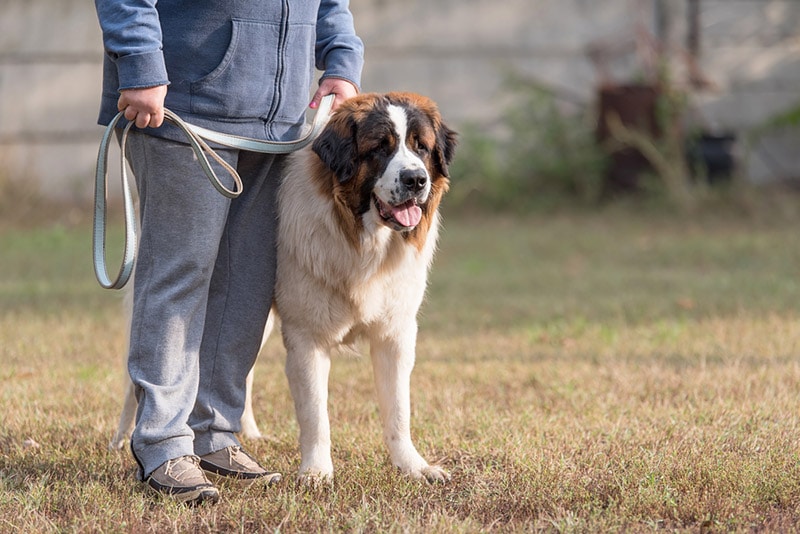
Although St. Bernards are not the best hiking companions, they love short walks. Pick the coolest time of the day and only take shorter walks during hot days. Start slow and pick up a steady pace after five to ten minutes.
Switch your routes regularly to keep your sessions interesting. Moreover, take breaks when necessary and incorporate behavior and obedience training into your routines. It is also perfectly okay to exercise off-leash when jogging around your yard.
Water Games
St Bernards are big, powerful, and pleasant to cuddle. Although they are just big balls of mush that often maintain an even temper, they can go a little crazy if you keep them inside for too long.
Pent-up energy can make them clumsier than usual. Fortunately, they love water and can spend hours swimming in your pool, especially if it’s too hot to go for your regular walks.
You can also take walks around the beach, lakes with trail access, or local ponds where your furry friend can switch between swimming and taking short walks on land. Ensure you carry safe drinking water and take frequent rests under shady spots.
Track on Command
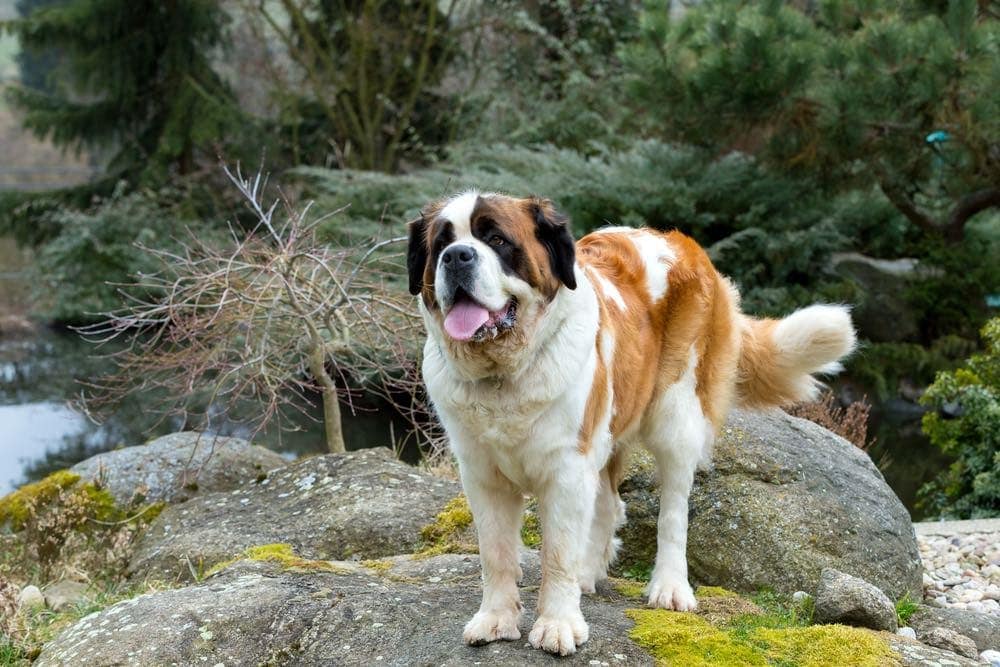
St. Bernards are expert rescue dogs estimated to have saved over 2,000 people in approximately 200 years.
They are great fans of nose work, and it’s no surprise that they also enjoy playing track on command. Even a lazy doggo will be eager to engage in any game that involves retrieving hidden toys and treats.
Track on command is physically and mentally stimulated. The best part is that you can play the game indoors if your furry friend refuses to go outside. A surefire way to keep the game interesting is to use positive reinforcement methods.
Organized Play Dates
If you cannot lure your furry friend outdoors or the weather prohibits outdoor play, consider organizing a doggy play date.
St. Bernards are social creatures and cannot resist the urge to romp around with another dog, especially one of the same breed. They are also non-territorial, obedient, and even-tempered, making it easier to control interactions.
It is imperative to do proper introductions to give the dogs better chances of getting along. Even better, consider adopting a second dog to keep your resident St. Bernard in good company and encourage it to play.
Obedience Training Sessions

Did you know mental exercise is as exhausting and stimulating as physical exercise?
This is especially true for giant dog breeds like St. Bernards. A training session can suffice if you cannot lure your dog out the door for a short walk.
As an intelligent dog breed, St. Bernards learn quickly and excel in puppy training, obedience training, and socialization classes. They love to obey and teaching them good etiquette and new tricks is easy.
If your in-house training sessions are getting boring and monotonous, consider incorporating at least one professional obedience class per week. Your doggo will find the new social setting mentally stimulating and will enjoy the thrill of learning beyond basic tricks and commands.
3 Tips to Keep Your St. Bernard’s Joints in Good Condition
Joint issues are a significant problem, especially for giant dog breeds like St. Bernards. If your dog is adding excessive pounds, it will not be long before they take a toll on its hips, elbows, and knees. One of the surest ways to keep painful orthopedic problems at bay is to ensure your furry friend maintains a healthy weight.
Here are three more surefire tips to keep your furry companion’s joints in good condition.

Final Thoughts
Giant dog breeds like St. Bernards are particularly prone to joint issues, and overexertion increases the risk of developing orthopedic problems in the future. You must avoid strenuous activities or overly long play sessions.
Even if your furry friend seems to have boundless energy, split your playtime into 20-minute sessions.
Despite their large and powerful statures, St, Bernards are not highly energetic. They are lazy and would rather chew your shoes (if they can’t find their chew toys) instead of taking a walk. It would be best to switch things up occasionally to make exercise sessions more enticing.
Sources
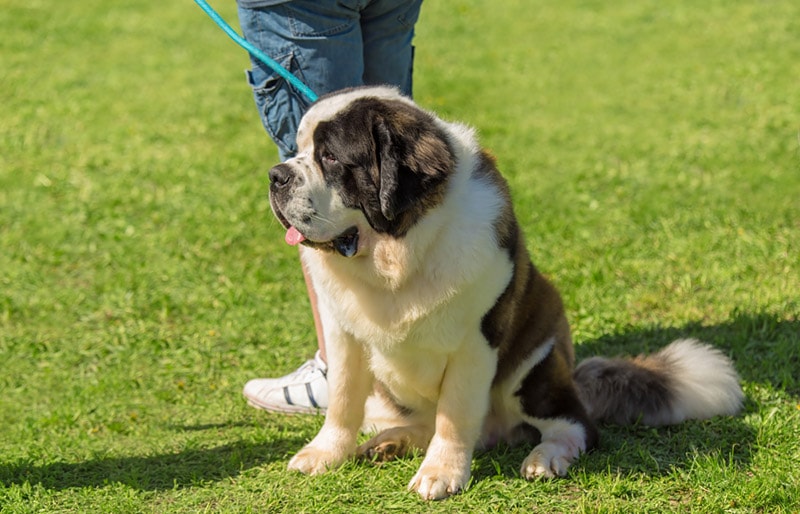
Featured Image Credit: TrapezaStudio, Shutterstock
Get Hepper In Your Inbox


Pet care tips from our vets and experts, straight to your inbox.
You may opt-out at any time. View our Privacy Policy for more information.

Nicole is a lover of animals of all sizes but is especially fascinated with the feline variety. She’s the proud mom of Baby, a Burmese, and works every day so he can relax in the sunshine or by the fire. She’s always had a cat in her home and has spent countless days with others, observing behaviors and softening up even the grouchiest of the lot. Nicole wants to share her kitty expertise with you so you and your cat can live happy, healthy, and care-free.
Join the conversation
Ask a question, share your story, or send private feedback.