Hepper is reader-supported. When you buy via links on our site, we may earn an affiliate commission at no cost to you. Learn more.
How Long Do St. Bernards Live? Average Lifespan, Data & Care Guide


In this article
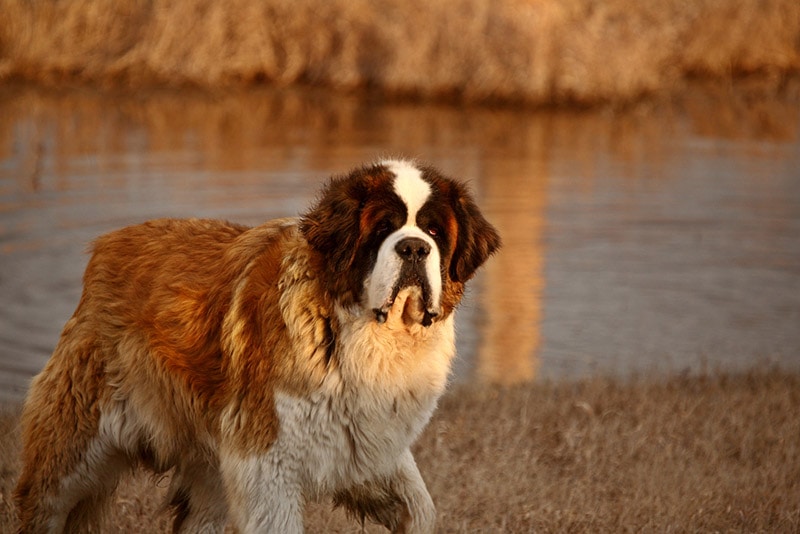
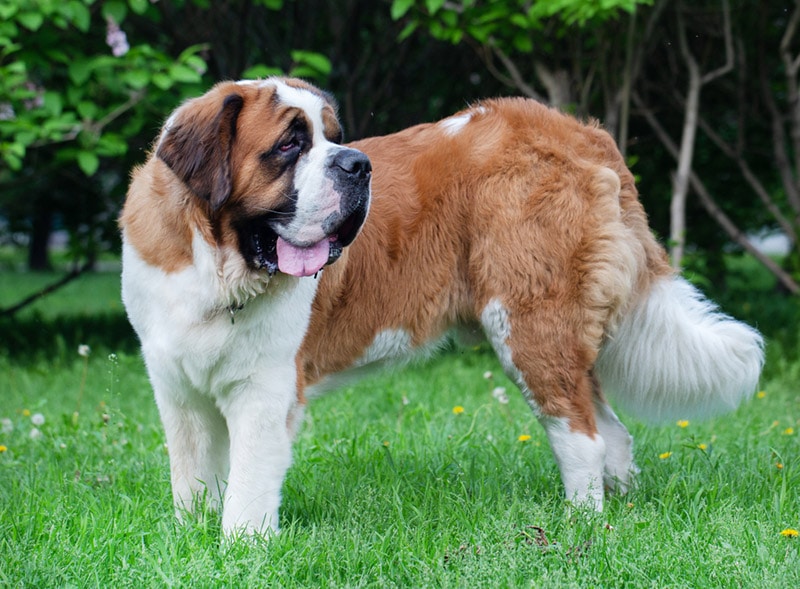
St. Bernards are known for their impressive size, gentle temperament, and iconic role as rescue dogs in the Swiss Alps. They are also gentle and friendly with people and other pets. However, it’s natural to wonder about their lifespan and how long they might live. If you are thinking about getting one of these dogs, keep reading as we discuss St. Bernard’s life expectancy and a few things that you can do to help prolong it.

St. Bernard's Average Lifespan
The St. Bernard life expectancy can vary from individual to individual. You can usually expect a St Bernard to live 8–10 years or longer with proper care, though there have been anecdotal accounts of St. Bernards living as long as 12–14 years old.


How to Care for Your St. Bernard for a Long Lifespan?
Feeding & Diet
When feeding a St. Bernard, choose a high-quality dog food for large breeds or specifically St. Bernards. Look for brands that use real, whole ingredients, and avoid artificial additives, fillers, and by-products. Read the labels to ensure that the food meets the nutritional requirements for the St. Bernard’s life stage, whether they are a puppy, adult, or senior. Follow the portioning suggestions on the package carefully to avoid weight gain, which can lead to several health problems that can shorten your pet’s lifespan. Your St. Bernard will also need access to plenty of fresh, clean water to stay hydrated. You might also want to consider consulting with your veterinarian about the potential need for dietary supplements for your St. Bernard, like glucosamine and chondroitin, which can support joint health; others, like omega-3 fatty acids, can benefit their skin and coat.
Environment
The environment in which a St. Bernard lives can significantly impact their overall health and lifespan. They are well-suited for indoor living due to their calm and gentle nature, and it can also be good for them to stay indoors on hot days because they are so large. It’s crucial to provide adequate ventilation, access to cool areas, and freshwater to keep them comfortable. They should also spend plenty of time outdoors, as they need to get plenty of activity, and exploring the outdoors will help them get mental stimulation, preventing them from becoming bored.
Care
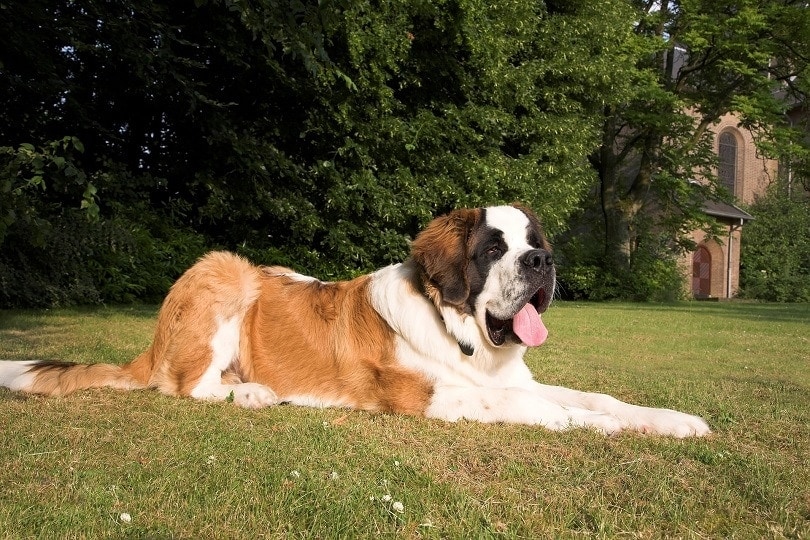
St. Bernards have a dense double coat that requires regular grooming. Brushing their coat at least once a week helps remove loose hair, prevents matting, and keeps their coat healthy. Their ears are also prone to infection, so you will need to check and clean them regularly, and you must trim their nails if you hear them clicking on the floor as they walk. We also recommend manually brushing their teeth as often as possible with dog-safe toothpaste to help reduce the progression of dental disease, which affects many dog breeds.
Cleaning
Bathing your St. Bernard every 6–8 weeks with a dog-safe shampoo can help keep their coat looking its best. St. Bernards can drool quite a bit, so wiping their mouth and the surrounding areas can help keep them clean and drool off the floor. Use a clean, damp cloth to wipe their mouth, chin, and jowls after meals or when excessive drooling occurs. To control and minimize odors, regularly clean their bedding, washable toys, and other items that they frequently use. Use pet-safe deodorizers or sprays specifically formulated for dogs to keep their living areas smelling fresh. If your St. Bernard has an accident indoors, promptly clean up any urine, feces, or vomit stains. Use pet-specific stain removers or cleaners to neutralize odors and effectively remove stains. Enzyme cleaners work especially well, destroying the stain instead of covering it.
Pairing/Breeding
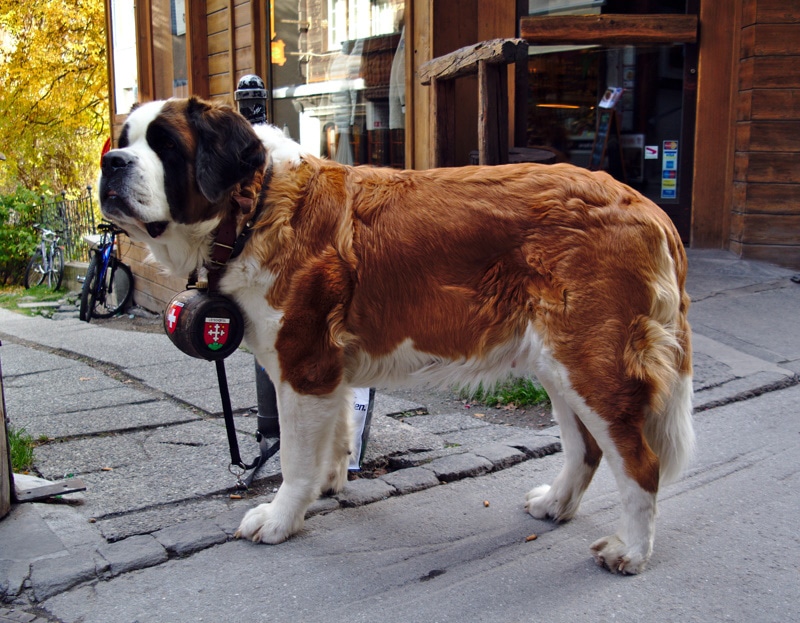
Genetics play a significant role in determining a St. Bernard’s life expectancy. Responsible breeders who prioritize the health and longevity of the breed carefully select breeding pairs to minimize the risk of hereditary health issues and promote overall well-being. By obtaining a St. Bernard from a reputable breeder who performs health screenings on their breeding dogs, you can potentially increase the chances of your St. Bernard living a longer and healthier life.
Healthcare
Your pet will need regular vet checkups to receive their vaccinations. Checkups will also help you learn about any potential problems early when they might be easier to treat. You must also protect your pet from parasites, including fleas, ticks, and mosquitos that can carry life-shortening diseases. You may also want to consider spaying or neutering your St. Bernard, as it can have health benefits and help prevent certain reproductive issues and unwanted behaviors.
The Life Stages of a St. Bernard
Puppy Stage

| Age: | 0–12 months |
St. Bernard puppies are highly energetic and grow quickly. St. Bernard puppies need plenty of love, attention, and positive reinforcement to establish good behavior and become well-rounded adults who get along well with children and other pets. It will also help them feel more comfortable in strange environments and around strangers.
Adolescent Stage

| Age: | 1–2 years |
As St. Bernard puppies grow into adolescence, they may experience a period of increased independence and testing boundaries. They are still developing physically and mentally, and their energy levels may remain high, so training and socialization should continue during this stage. Getting your dog into an exercise routine is also a good idea.
Adult Stage

| Age: | 2–5 years |
By the time St. Bernards reach adulthood, they have typically reached their full size and physical maturity. They become calmer and more settled compared to their earlier years and usually have a gentle and patient nature, making them excellent family pets. Regular exercise, mental stimulation, and a balanced diet are crucial for maintaining their health and preventing weight-related issues.
Senior Stage

| Age: | 6+ years |
St. Bernards become seniors around the age of 6 or 7, though individual dogs may age differently. During this stage, they may experience declining energy levels and be prone to certain health issues, like arthritis or weight gain. Providing them with appropriate veterinary care, a diet tailored to their specific needs, and regular exercise that considers their physical limitations is essential.

How to Tell Your St. Bernard’s Age
Determining the exact age of a St. Bernard can be challenging. However, there are a few indicators. For instance, puppies have small, sharp teeth that eventually get replaced by adult teeth by around 6 months of age. As they age, their teeth may show signs of wear, tartar buildup, or tooth loss, indicating that they are older. Puppies will also have soft, fluffy coats and may appear smaller. As they grow, their coat becomes denser and coarser, and they develop the characteristic size and build of adult St. Bernards. Older St. Bernards may show signs of graying fur, decreased muscle tone, and overall slowing down. Older dogs may also have more difficulty getting up from a resting position.

Conclusion
Unfortunately, due to their massive size, St. Bernards don’t often live as long as most small dog breeds and average 8–10 years with proper care, though you might get a few more. You can help extend your dog’s life by selecting the right breeder, providing them with a high-quality diet, and ensuring that they stay active to help maintain an ideal weight. Keep them inside on hot days to prevent them from getting too hot, and schedule regular vet visits so your pet can get the vaccines that they need and you can learn about health problems early. Manually brushing their teeth can help slow the spread of dental disease, and regular grooming will keep the ears clean and the nails trimmed so your pet can be more comfortable and happier.
Featured Image Credit by: Rita_Kochmarjova, Shutterstock
Get Hepper In Your Inbox


Pet care tips from our vets and experts, straight to your inbox.
You may opt-out at any time. View our Privacy Policy for more information.
Ed Malaker is a veteran writer who has contributed to a wide range of blogs that cover pets, tools, guitars, fitness, and computer programming. When he’s not writing, Ed is usually performing DIY projects around the house or working in the garden. He’s also a musician and spends a lot of time helping people fix their guitars and composing music for independent films.
Join the conversation
Ask a question, share your story, or send private feedback.