Hepper is reader-supported. When you buy via links on our site, we may earn an affiliate commission at no cost to you. Learn more.
How Much Should You Feed a Boxer? (With Feeding Chart)
In this article
Getting a new furry family member is such an exciting time. But with the welcoming comes a world of responsibility. You're probably trying to gather all of the information you need to make sure you have a healthy, happy boy or girl that gets the best care and nutrition.
Portioning food is something you have to master for the overall well-being of your Boxer. You won't want to over or under-feed them. So, how much do you feed them at different life stages? Let's map it out.

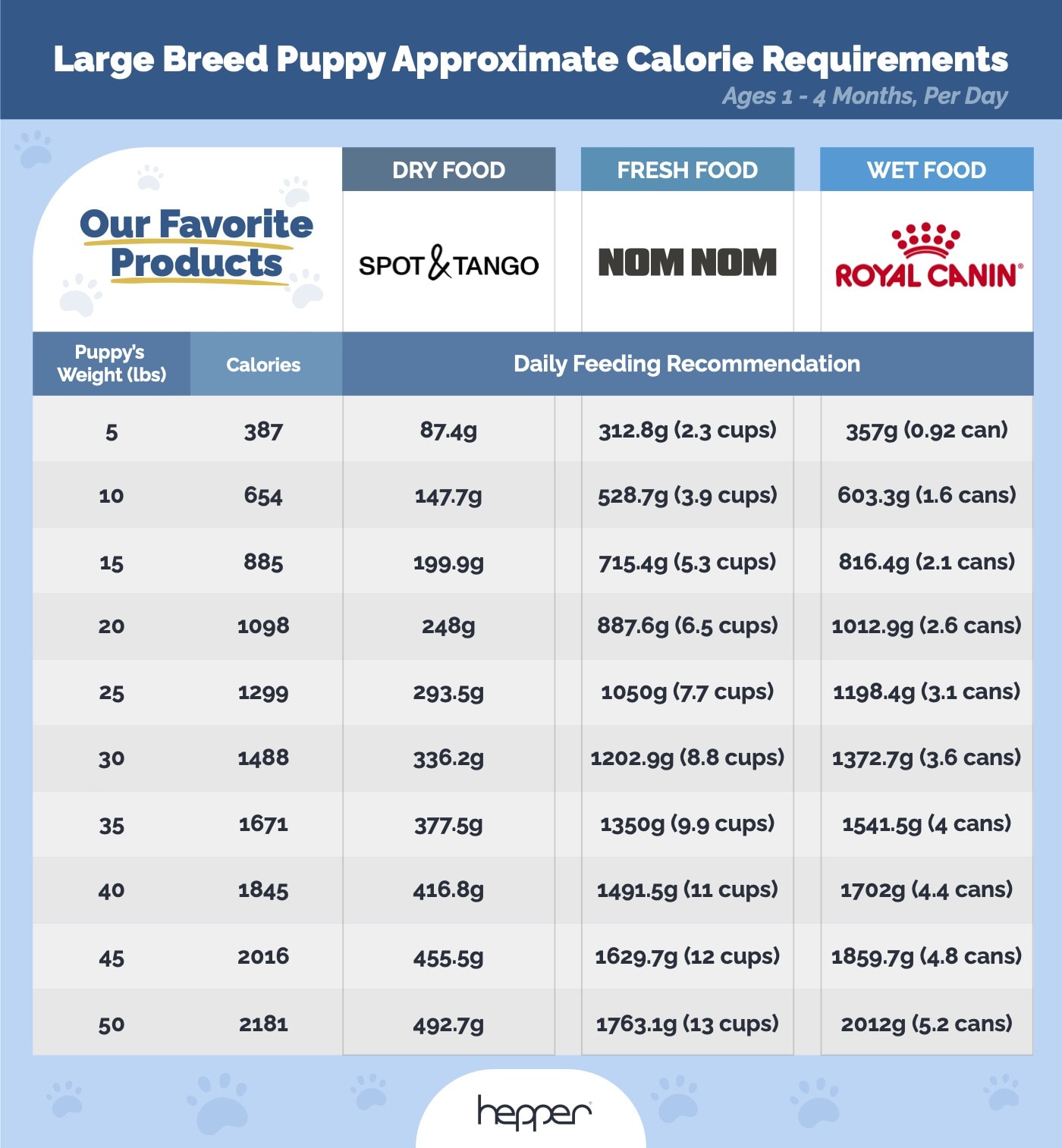
How Much to Feed a Boxer Puppy — Feeding Chart
Important Note: The amount of calories each dog needs for healthy growth and development depends on many factors, including their age, breed, and activity level. These charts are general guidelines for healthy young dogs, but we recommend confirming them with your vet.
You can also complement this guide by using our dog food calculator here:
Dog Calorie Calculator
Recommended Daily Calories
The exact amount of calories an individual animal needs to maintain a healthy weight is variable and influenced by many factors including genetics, age, breed, and activity level. This tool is meant to be used only as a guideline for healthy individuals and does not substitute veterinary advice

What to Feed My Boxer Puppy

You have a couple of different choices when you are feeding your Boxer. You can choose one of these or even try a combination diet to give them the best nutrition possible.
Dry Kibble
Dry kibble is a standard diet for most canines. It has all of the nutrition that they need in one bag. As with anything else, there are many levels of quality when it comes to dry kibble. If you would like to feed your Boxer a dry diet, there are some things that you want to keep in mind first.
First, Boxers are prone to skin allergies, which means their food can trigger a series of skin effects and internal irritation. The most common food allergies for Boxers are from wheat, corn, soy, and other fillers. For this reason, you might consider talking over a grain-free diet with your vet.
If you select dry kibble, it truly helps with dental health. The crunch from the cable keeps your Boxer’s teeth clean and free of plaque buildup that can lead to tartar. Once your dog develops tartar, it can lead to dental disease.
Wet Food
The aroma of wet food is delicious for most canines. But as a pet owner, you may be wondering if it's healthy. However, some wet foods can be best suited for a topper rather than a standalone diet for a Boxer.
Wet food is generally much higher in calories, which can lead to excessive weight gain. It also tends to be more expensive than dry kibble. It's believed that it also relates to dental disease because it lies in the mouth and on the teeth, creating plaque.
Raw Diet
There are raw diets that you can purchase online or in-store that come pre-made. You can also try your hand at an at-home recipe tailored to your dog's needs. If you do make your own, you have to make sure that you add every vital ingredient to give your dog all the nutrition they require.
Raw diets give your Boxer uncooked and unprocessed sustenance, eliminating harmful preservatives, artificial additives, and other fillers. PetMD breaks down the raw food diet's benefits and risks, including potential bacteria dangers in raw meat.
Avoiding Underfeeding & Overfeeding
Giving your Boxer a wholesome diet that has all the necessary nutrients is vital to their lifelong health. Especially during puppyhood, they must be getting the correct balance so that their muscles, bones, organs, and skin can develop exactly as they should.
Underfeeding
Underfeeding your Boxer can cause a wide array of problems that affect every area of the body. When your Boxer isn't getting the right nutrition, it can cause:
Over-feeding
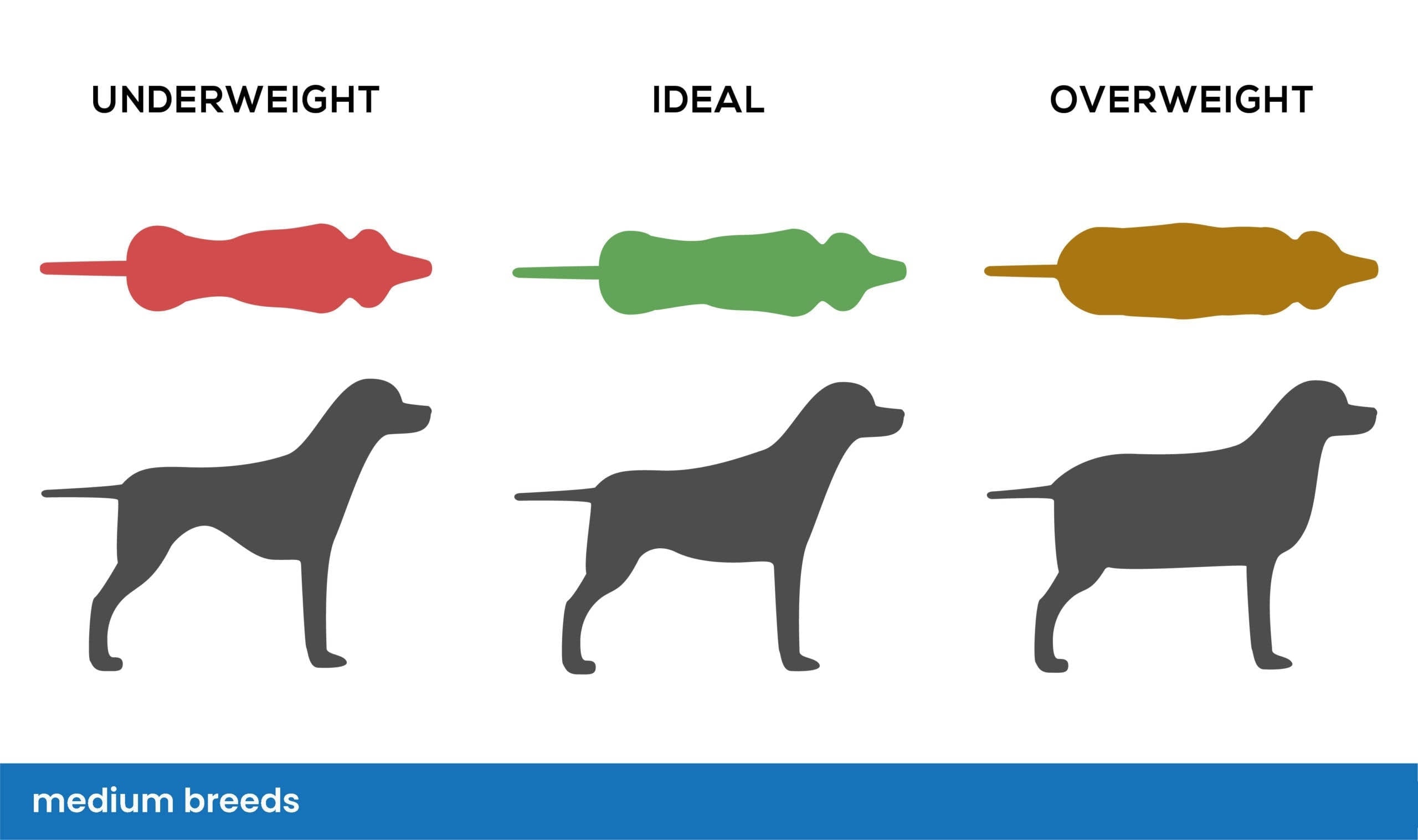
When you think of over-feeding, you might automatically correlate that with weight gain, but there are other consequences, too. Some of these include:

When to Switch from Puppy to Adult Food
Puppies need an abundance of protein, calories, carbohydrates, and other nutrients to grow appropriately. Puppies have more energy and go through rapid development periods, so their bodies need vital nutrients to keep up the pace.
When puppies reach a certain age, it's time to start the transition to adult food. With larger dogs, such as a Boxer, their bodies tend to mature slower than smaller breeds. A Boxer is usually ready for adult chow between 18 to 24 months of age.
As with all changes to their diet, you should always transition your dog gradually over 5–7 days. Most manufactured foods will have directions on the back that tell you how to portion your dog when you're transitioning from one through to the other.

Why Won't My Boxer Puppy Eat?
If you have a Boxer puppy who doesn't want to eat, there is always an underlying reason. Some causes are simple, while others require veterinary attention.
Some reasons could include:
Ways to Jazz Up Their Appetite
If you want to encourage your puppy to eat, you can try a few things like:
When to Take Your Boxer Pup to the Vet
If your puppy isn't eating and you can't spark their interest, it may be time for a vet visit. Consult with your vet if your puppy displays any of the following symptoms:
Your vet can run the necessary tests and examine your puppy to determine the cause.
How Much to Feed an Adult Boxer
The exact amount and type of food you feed your Boxer depend on many factors.
Male
Adult male Boxers are slightly larger than females. Males weigh an average of 60 to 70 pounds, requiring 3 to 5 cups of food.
Female
Adult female Boxers weigh less than their male counterparts, averaging 55 to 65 pounds. This weight range requires 2 to 4 cups of food per day.
Active
An extremely active Boxer will require a higher amount of calories to make up for what they burn. On top of a caloric increase, an active Boxer will also need a protein-rich diet to feed their muscles. A protein-friendly, calorie-dense dry kibble should be offered, and you should follow the instructions based on their weight.
If you have an active Boxer, consider Taste of the Wild Sierra Mountain Grain-Free Dry Dog Food. It has vital nutrients, plus a generous helping of whole protein and healthy carbohydrates to replenish your dog's body.

Sedentary
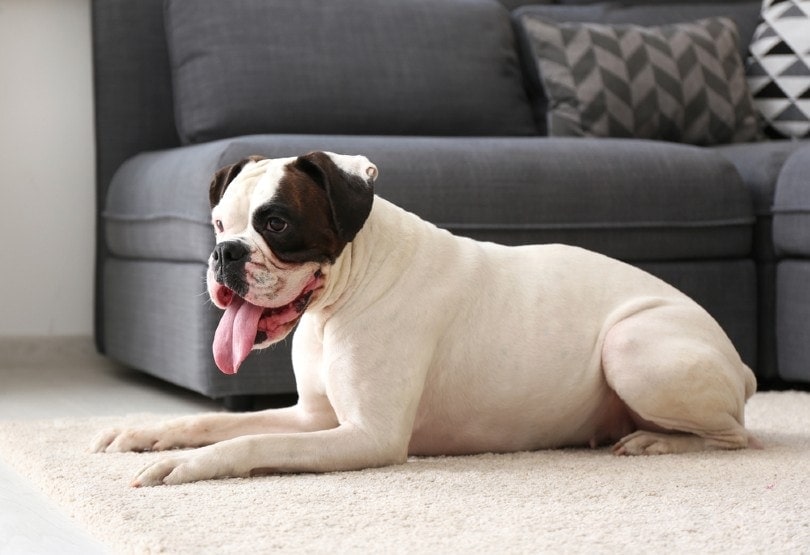
Boxers tend to become overweight quickly if you overfeed them—blame their voracious appetites and love for snacking. If you have a lazy Boxer that doesn't get a ton of exercise, you'll want a low-calorie kibble.
A fabulous choice would be Blue Buffalo Life Protection Formula Healthy Weight. This food offers a low-calorie alternative without skipping out on necessary nutrition.
Spayed/Neutered
There is a misconception that spaying or neutering your Boxer makes them gain weight. However, what really happens is that it decreases their metabolism rate, slowing their energy. This slowing process can cause weight gain if you continue to feed them the same amount of food.
Pregnant/Nursing
When a Boxer is pregnant or nursing, they will need an increase in portions to provide adequate nutrition for the puppies and replenish the mother's body. The puppies always get the nutrients first. So, if you have a food that is lacking in certain areas, the mother will suffer.
If you're looking for an excellent kibble for your pregnant or nursing Boxer, take a look at Purina Pro Plan Puppy Large Breed Chicken & Rice Formula with Probiotics Dry Dog Food. It has an abundance of nutrients to replenish the mother's body, plus the puppies can eat it when they start eating kibble, too.
Boxer Feeding Guide for Seniors
Just like puppyhood has special dietary requirements when dogs reach a certain age, so does old age. Seniors need to eat foods that cater to their life stage to keep them capable, happy, and healthy for their remaining years.
A Boxer transitions into the senior category, usually around 6–9 years of age. If you have your dog on dog food for all life stages, it might be appropriate to continue this diet.
Since your Boxer's metabolism will slow down the older they get, you may want to slightly decrease their intake. A lower-calorie food will also help to prevent your dog from becoming overweight.
If your senior has specific health issues, it might be best to feed them a specific diet that helps with their condition. As time goes on, you can work with your vet to accommodate their special dietary needs.
One fantastic recipe for senior Boxers is Purina ONE SmartBlend Vibrant Maturity 7+ Adult Formula Dry Dog Food. It is formulated specifically for later years.
Why Is My Boxer Always Hungry?
Some dogs have voracious appetites that are never satisfied. It seems like you barely get it into the bowl before they suck it up like a vacuum cleaner. So, how can you appeal to a Boxer who always seems like they're starving?
Free-Feeding—this practice involves making food available to your dog at all times. The danger with this method is that large dogs like Boxers are susceptible to bloat, or gastric dilation-volvulus (GDV). Bloat happens when the dog eats too quickly, causing gas to fill the abdomen. It can be fatal.
This method can also make overeating seem like the norm, which causes bad manners. Feeding your dog smaller, more frequent meals is a better alternative to free-feeding.
Slow-Feeder Bowls—a great way to slow your pooch down, allowing them to digest their food properly, is to give them food in a slow feeder.
A great slow feeder to try is the Outward Hound Non-Skid Plastic Slow Feeder Interactive Dog Bowl. It gives your Boxer unique designs to eat around, stimulating their mental curiosity while slowing them down.
What Foods Are Bad for Boxers?
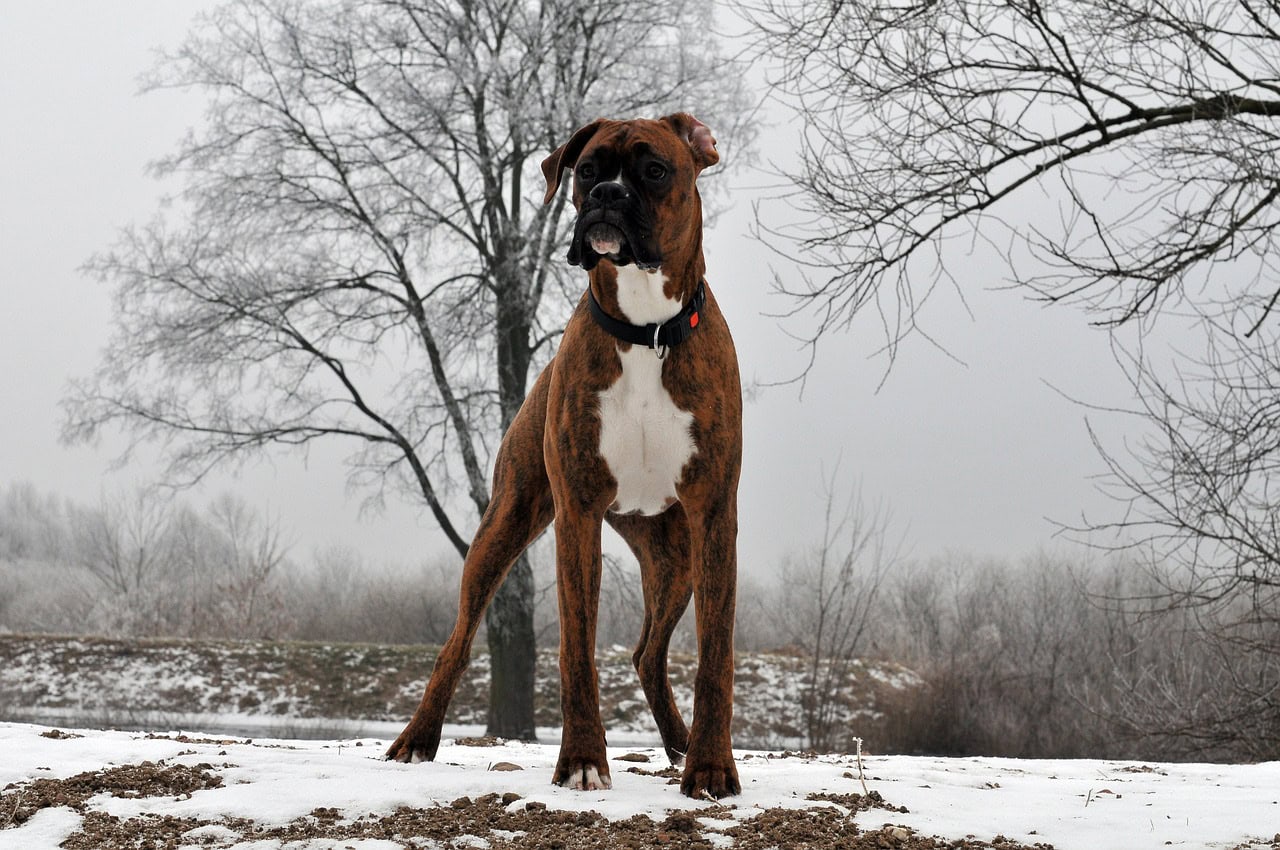
If you are buying commercial food for your Boxer, you want to make sure you are giving them well-balanced nutrition. If you don't know exactly what to look out for, here is a list of additives that can spell trouble for your pooch.
Fillers
Since Boxers are allergy-prone, it is best to avoid any fillers that can trigger reactions. Some things to look out for are:
Artificial Additives
Unfortunately, many commercial dog food is full of artificial flavors, dyes, and preservatives. It is best for your dog if they have a wholesome kibble free of unnatural ingredients. These additives have been linked to cancer and other serious health issues.
Some ingredients to look out for include:
Wet Food
While wet food may work very well as a topper to dry kibble, you should avoid feeding your Boxer only wet food. Not only is it expensive, but it is also not good for their mouths.
Wet food can cause:
Human Food
Of course, most canine owners know the danger of giving your dog table scraps. Dogs should eat food that is formulated for their bodies.
According to the ASPCA, some especially dangerous human foods to avoid are:
Conclusion
As your Boxer puppy grows up, nutrition will be one of the most crucial aspects of keeping your dog healthy and ailment-free. The better nourishment they receive, the less likely they are to contract problems later like diabetes, heart issues, liver disease, and kidney problems.
Now that you know how much to feed your Boxer, you can keep them at a perfect weight for their body type and activity level. They will thank you for it.
Featured Image Credit: Dmitry Kalinovsky, Shutterstock
Get Hepper In Your Inbox


Pet care tips from our vets and experts, straight to your inbox.
You may opt-out at any time. View our Privacy Policy for more information.

Nicole is a lover of animals of all sizes but is especially fascinated with the feline variety. She’s the proud mom of Baby, a Burmese, and works every day so he can relax in the sunshine or by the fire. She’s always had a cat in her home and has spent countless days with others, observing behaviors and softening up even the grouchiest of the lot. Nicole wants to share her kitty expertise with you so you and your cat can live happy, healthy, and care-free.
Join the conversation
Ask a question, share your story, or send private feedback.