Hepper is reader-supported. When you buy via links on our site, we may earn an affiliate commission at no cost to you. Learn more.
How Much Water Does a Kitten Need? Vet-Approved Needs & Healthy Tips


In this article
Despite not needing as much water as adult cats, kittens still need clean, fresh water. But depending on their age and diet, the amount of water that they need varies. Newborn kittens will get their fluids from their mother’s milk, while weaned kittens will get some moisture from their diet and the rest from drinking fresh water. The daily recommended water intake for cats is around 0.9 fl. ounces (28ml) of water per pound of body weight.
This guide will explore how much water your kitten will need as they grow and what affects their water intake. Also included are the signs of dehydration to watch out for so you can help them stay healthy.

How Much Water Should Kittens Drink?
Many things can affect how much your kitten drinks. The biggest factors are how old and how heavy they are. Newborn kittens won’t need to drink water because they get everything that they need from their mother’s milk or kitten replacement formula. They’ll only start drinking or exploring water when they’re older. Once they’ve been weaned, they’ll require access to fresh water and a moisture-rich diet to provide the hydration that they need.
1. Kittens with 4 Weeks
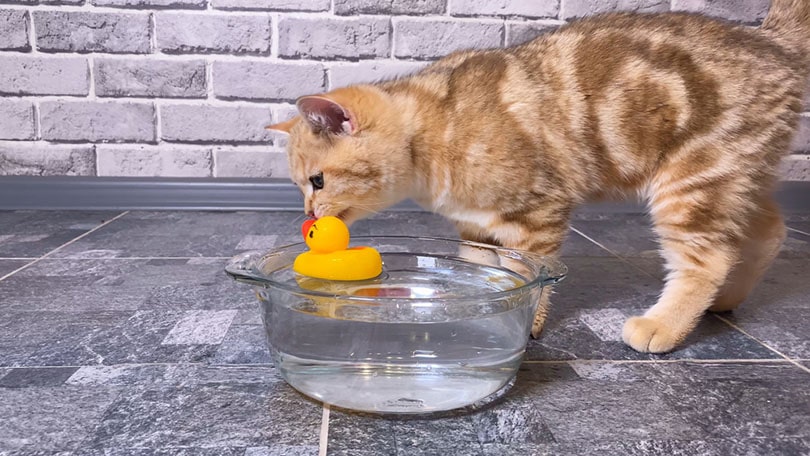
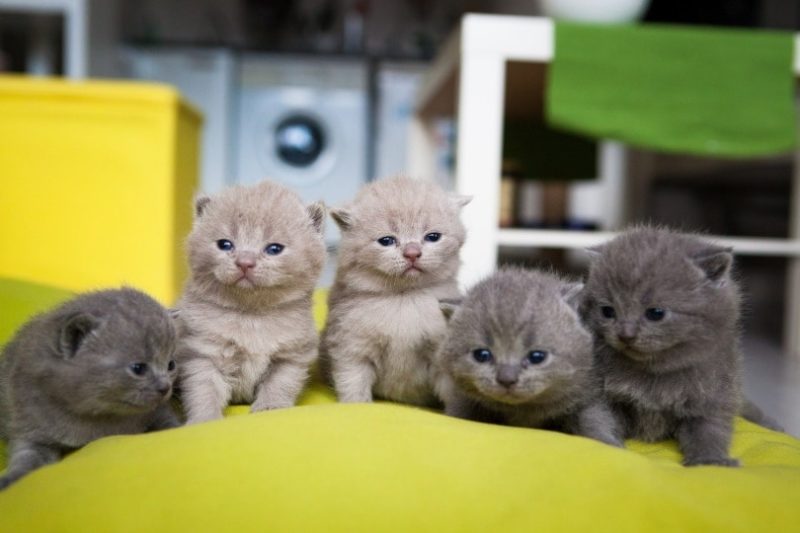
Although 4-week-old kittens are starting to explore the world around them, including food and water, they don’t need much access to water. They’re still drinking their mother’s milk or formula, and most of their nutrition and hydration will come from that.
You might catch your curious kittens dipping their paw in the water bowl or lapping up a few mouthfuls, but don’t be too worried if they’re not that interested. As long as you’re still feeding them formula or they’re still nursing from their mother, they’ll be okay for now.
2. Kittens 8 Weeks Old
At 8 weeks old, kittens are often ready to go to their new homes. They’ll naturally begin weaning themselves off their mother’s milk or formula and rely more on kitten food and water for their nutrition and hydration needs. If their mother is still letting them nurse, your kitten might not drink that much water.
3. Kittens with 12 Weeks
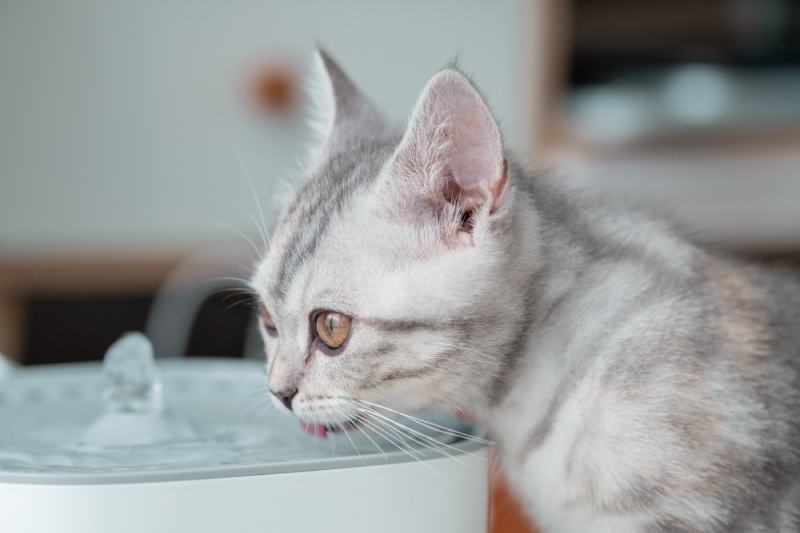
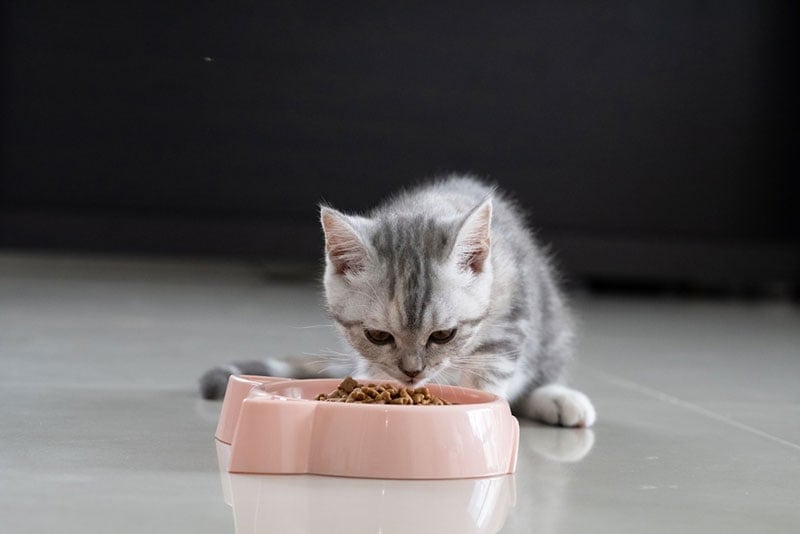
Another milestone for kittens is 12 weeks. At this age, they are fully weaned from their mother’s milk or formula and will be eating solid food and drinking water.
Without milk to provide moisture to their diet, they’ll rely on the water content in wet food and the water that you provide in a separate bowl. At this point, they should be drinking around 70 mls of water a day, this is the equivalent of ¼ of a cup. They might drink more or less depending on the type of kitten food that they eat, their activity levels and the temperature of their environment.
4. When they are 6 Months Old
At 6 months old, kittens are well on their way to being fully grown, but they’re not quite there yet. They’ll need to drink much more water than when they were younger but not quite as much as they will when they’re adults. Six-month-old kittens need at least 135 mls of water a day, the equivalent is ⅓ to ½ a cup of water every day. They can get this by drinking the water in their bowl or by eating wet or fresh food.
5. Adult Cats
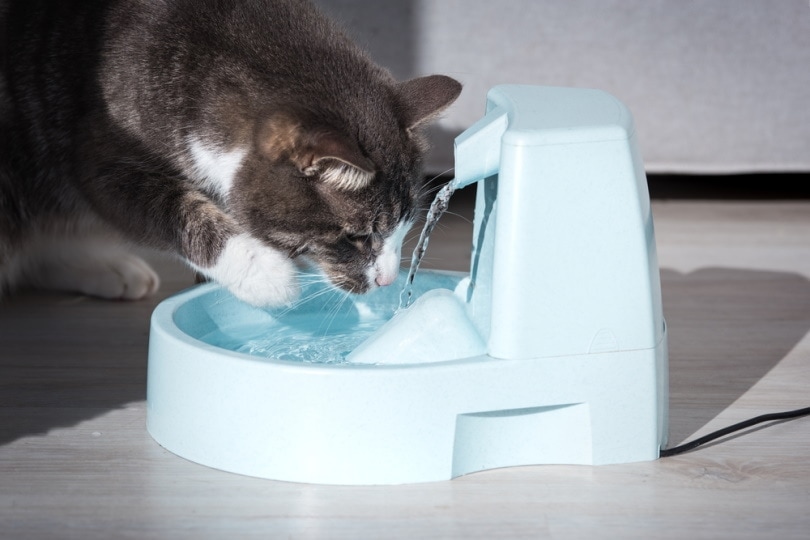
Healthy, fully grown cats need about 1⁄2 a cup of water per 5 pounds of body weight every day. This can also be calculated as 50 ml/kg body weight per day. Like kittens, they moderate their water intake and can get much of their hydration from the moisture in wet food. You might not see them drinking often, but this doesn’t mean they’re not getting water in other ways.
Signs of Dehydration in Cats
Cats of all ages are incredibly particular about where and how much they drink. Unlike dogs, they don’t gulp down water throughout the day, and their drinking habits are much subtler. This can make it difficult for owners to know how much their cats are drinking and whether they have a problem, especially if there is more than one pet in the household.
Since cats can derive a lot of their fluid intake from their food, we don’t always see our kittens drinking much water. If your kitten is behaving normally, eating wet food and passing urine regularly, this isn’t usually a cause for concern. If they eat wet or fresh food, they're likely getting everything that they need from their diet. However, there are cases when your cat isn’t drinking enough, which can lead to dehydration. It is a good idea to monitor when you see your kitten drinking and passing urine, particularly in the early days, to ensure they are hydrated.
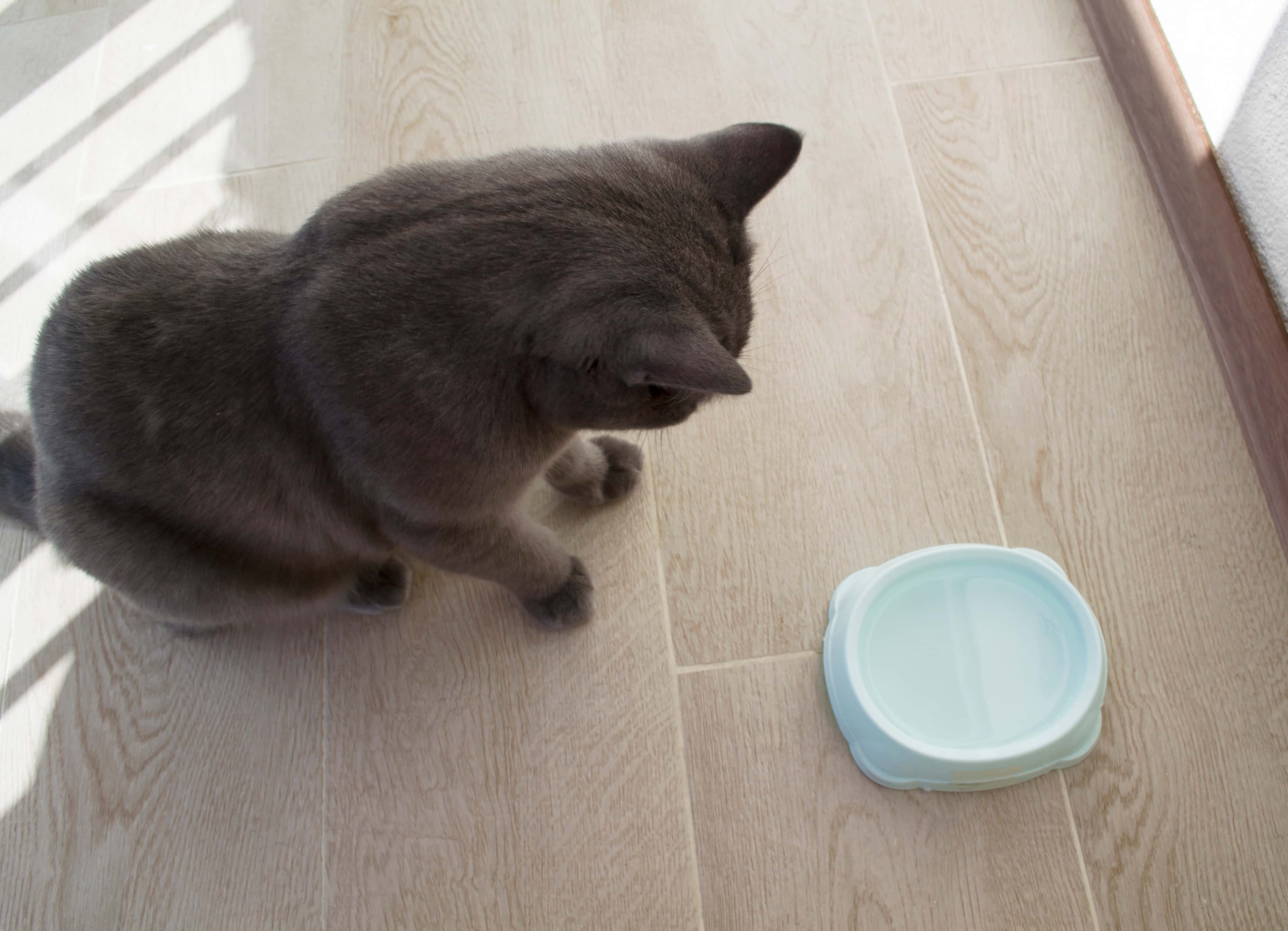
If you don’t see your cat drinking and never seem to fill up their water dish.
Here’s a list of warning signs that your cat might be dehydrated:
You can test your cat’s hydration by gently pinching their skin between their shoulder blades. Pull it up and then let go. If the skin remains tented, it’s a sign that your cat is severely dehydrated and you need to seek urgent veterinary assistance. If your cat’s skin springs back into place immediately but you are worried about your cat’s demeanor or health in any way, it is important to see your veterinarian right away.

How to Keep Your Kitten Hydrated
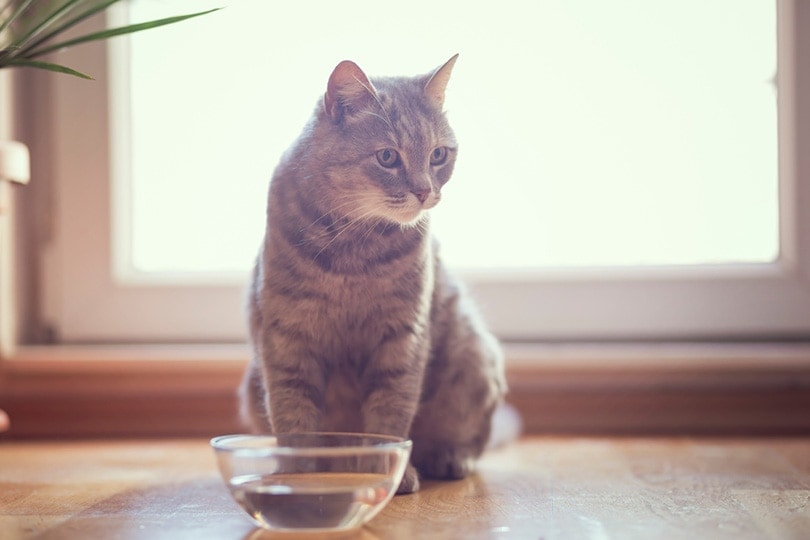
No matter how old they are, cats are good at regulating their water intake. As long as they have easy access to a bowl of clean, fresh water throughout the day, they’ll drink as much or as little as they need to.
How you provide your cat with water can encourage them to drink, or discourage them from drinking. You must have the right setup if you want your kitten to drink enough water to stay healthy.
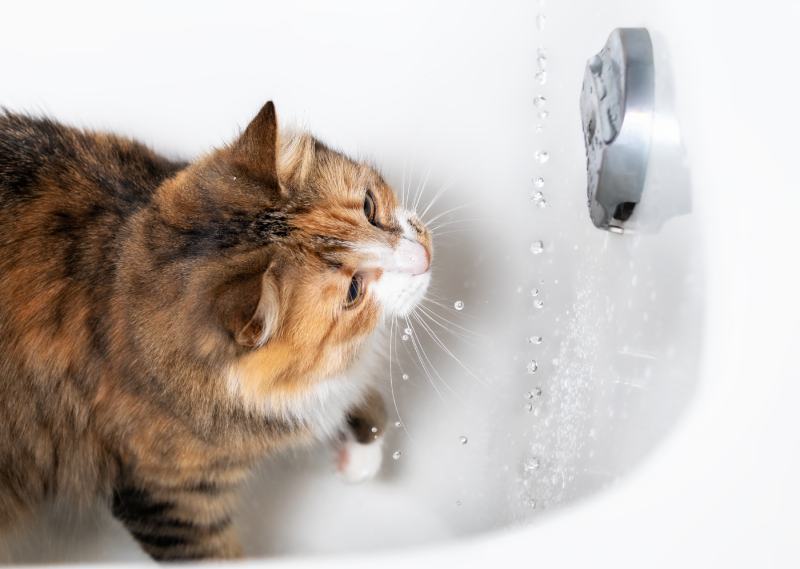
1. Have More Than One Water Bowl
Whether you have one or more pets, it’s always a good idea to keep several water bowls in your house. The general rule should be the number of cats you have plus one. For example, if you have two cats, you should have three water bowls. This also goes for other resources such as food bowls and litter trays. This set up will give your cat plenty of opportunity to drink their fill whenever they need to and will reduce aggressive and stress related behaviors in multi-cat households.
2. Keep the Bowl Clean
Water quickly collects dirt, dust, and saliva when your cat drinks. If the water is filthy or has a bit of fluff floating in it, your kitten might refuse to drink altogether. Make sure you change the water every day, and always scrub the bowl when you do. Washing it regularly can also help prevent a build-up of bacteria and biofilm, preventing bad smells and keeping the water fresh for longer.
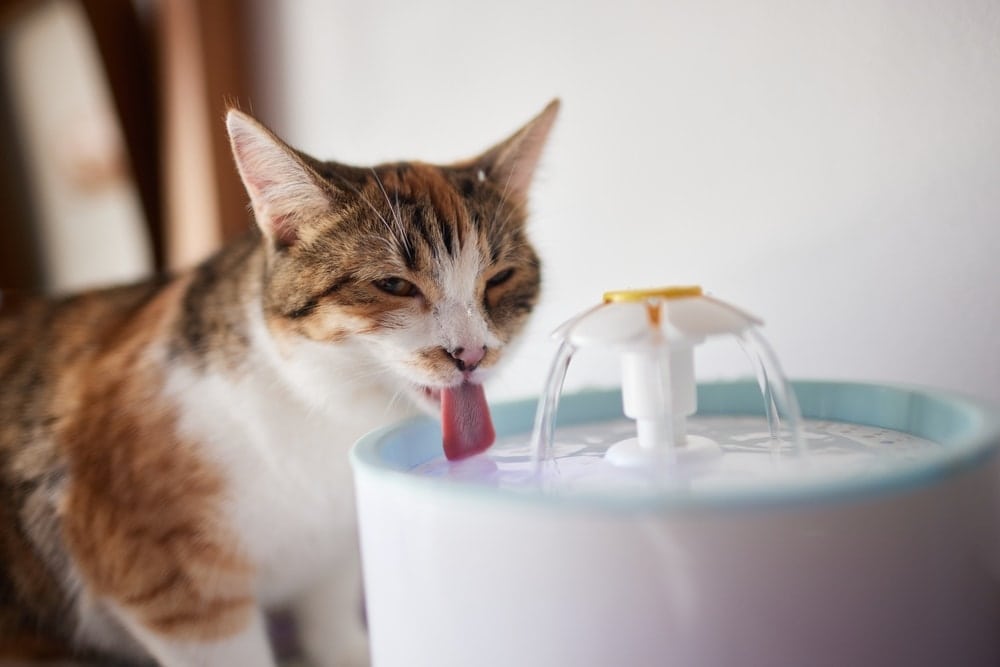
3. Use a Water Fountain
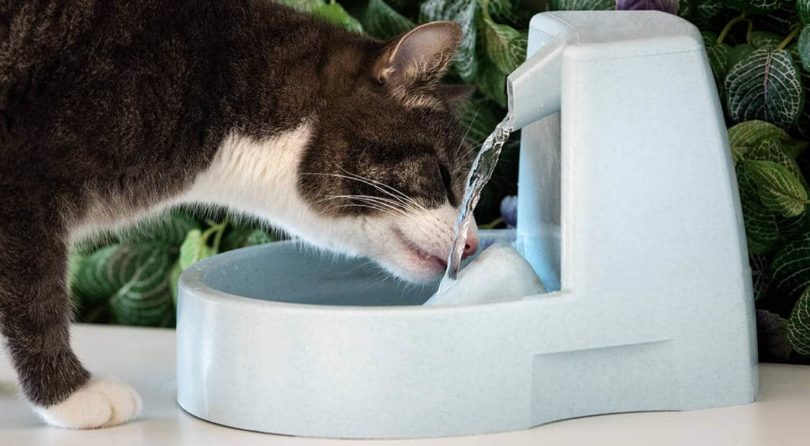
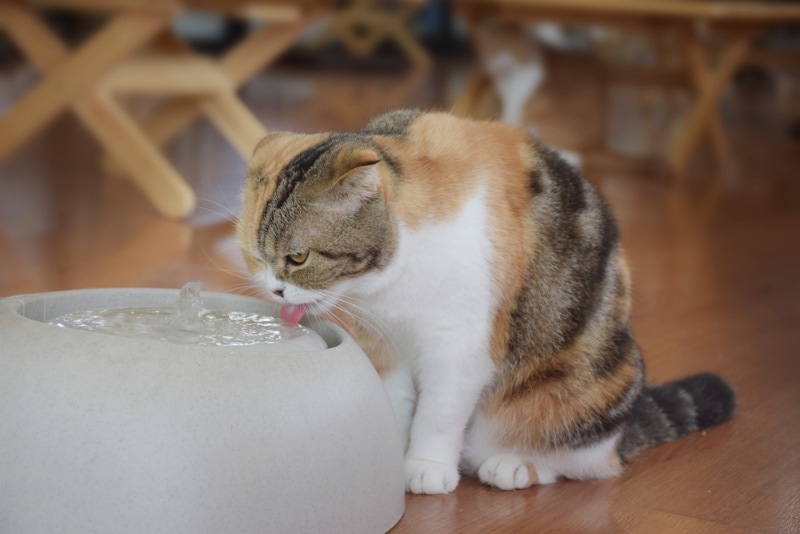
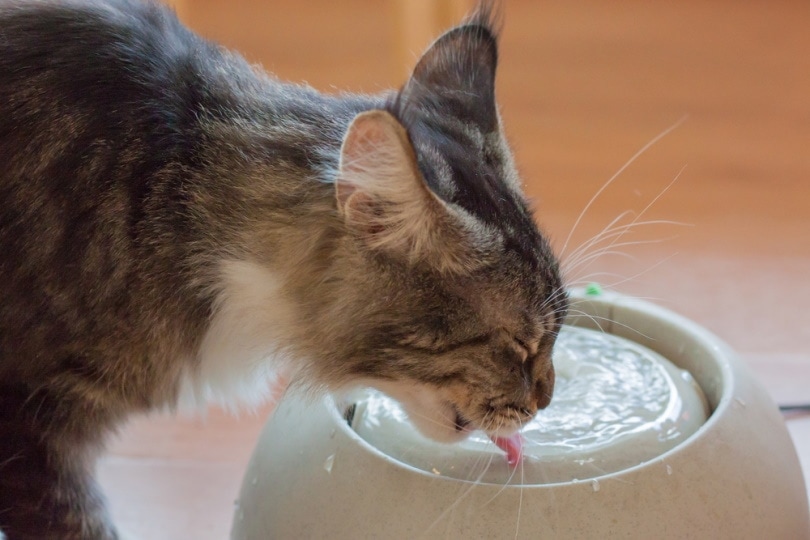
Many cats hate still water and might refuse to drink simply because a stationary water source goes against their instincts. This is where a cat water fountain can help. Although you’ll need to regularly change the filters and clean the bowl itself, a fountain provides moving water for your cat to drink.
A fountain is more expensive than a standard water bowl, but it can be worth the extra expense. If your cat prefers drinking out of a trickling tap, a water fountain is a good option to try.
4. Use the Right Bowl
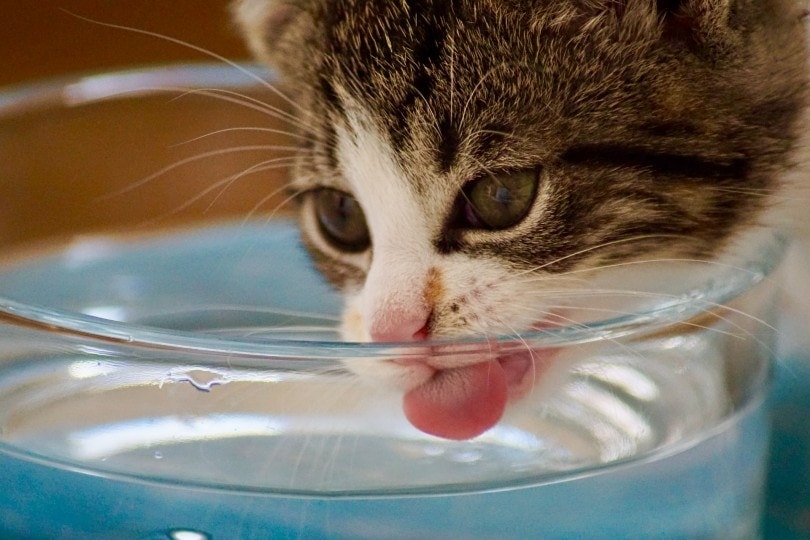
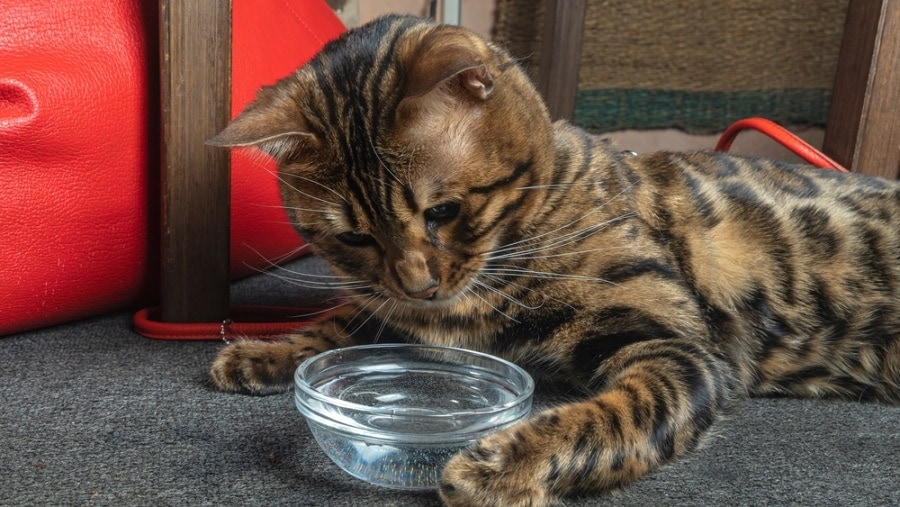
Cats are incredibly particular about where they sleep, where they eat, and even the material of their food and water bowls. Plastic bowls are affordable and lightweight, but many cats dislike them, so using glass, ceramic, or stainless steel is recommended instead. Different cats have different preferences and can also be picky about size and shape.
Choose a wide, shallow bowl so your cat doesn’t have to lower their head into a high-sided bowl where their whiskers brush against the sides.
5. Place food bowls away from water bowls
In the wild, before domestication, cats wouldn’t have eaten where their water source was. To encourage drinking, we recommend owners place the food and water bowls apart from one another and in different locations around the house.
6. Use Wet Food
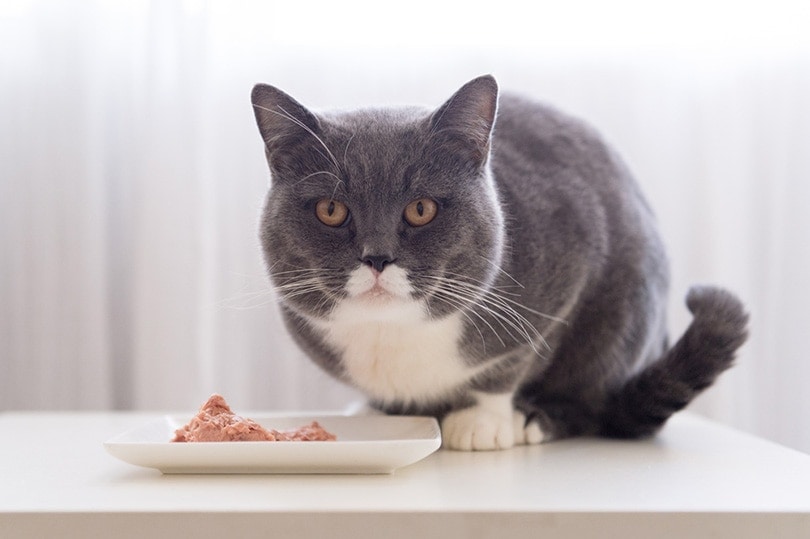
Wet food contains about 80% water and can be a big source of a cat’s hydration. In comparison, dry food contains as little as 10% water. If you are concerned that your cat isn’t getting enough water, consider switching to a wet food diet to add more moisture to their body.
You can give them a mix of wet and dry food to provide plenty of texture, moisture, and flavor to your cat’s meals. Remember to talk to your veterinarian if you’re not sure which foods can be mixed.
In Conclusion
How much water your kitten needs depends on their age, weight and diet. Newborn kittens won’t drink water at all because they get all their nutrition and fluid from their mother’s milk or replacement formula. As they are weaned, they start drinking more water depending on how much moisture they get from their diet. Kittens that only eat dry food will drink more than kittens that are given wet or fresh food.
Remember that drinking too little or too much can be a sign that something is wrong. If you suspect your kitten or cat’s drinking habits have changed, it is important to visit your veterinarian for a check up.
Featured Photo Credit: Carolien van Oijen, Unsplash
Get Hepper In Your Inbox


Pet care tips from our vets and experts, straight to your inbox.
You may opt-out at any time. View our Privacy Policy for more information.
Nicole is a lover of animals of all sizes but is especially fascinated with the feline variety. She’s the proud mom of Baby, a Burmese, and works every day so he can relax in the sunshine or by the fire. She’s always had a cat in her home and has spent countless days with others, observing behaviors and softening up even the grouchiest of the lot. Nicole wants to share her kitty expertise with you so you and your cat can live happy, healthy, and care-free.
Join the conversation
Ask a question, share your story, or send private feedback.