Hepper is reader-supported. When you buy via links on our site, we may earn an affiliate commission at no cost to you. Learn more.
How Often Should You Clean Your Cat's Ears? Vet-Approved Facts & FAQs


In this article
Cats have sensitive ears that can be susceptible to irritation, infections, and other ear problems if not maintained properly. That being said, healthy indoor cats don't usually need their ears cleaned unless a veterinarian instructs you to do so. Healthy ears have systems in place to keep the ear both clean and healthy, and cats’ ears usually don’t need cleaning unless you start to notice any visible grime, discharge, or odor. In this article, we’ll provide you with information about when and how often you should clean your cat’s ears, especially if they venture outside.

How Often Should You Clean Your Cat's Ears?
There is no set schedule for when you should clean your cat’s ears. For most healthy indoor cats, it is usually not necessary to clean their ears unless instructed by a veterinarian. But if you see dirt or debris, your cat needs to be regularly treated for ear mites, or if the ears are emitting a bad smell, you may need to clean them based on your veterinarian's instructions.
Ear Problems that Warrant a Veterinarian's Input
Signs Your Cat Has Ear Issues
Cleaning Guidelines
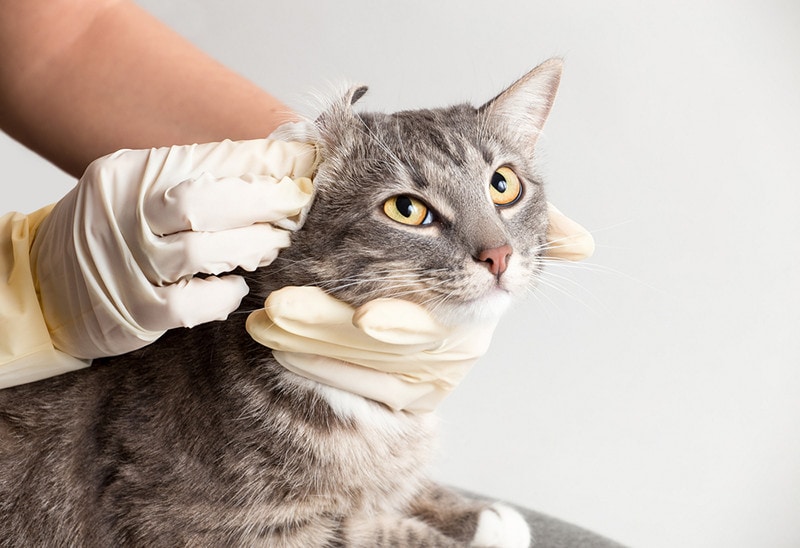
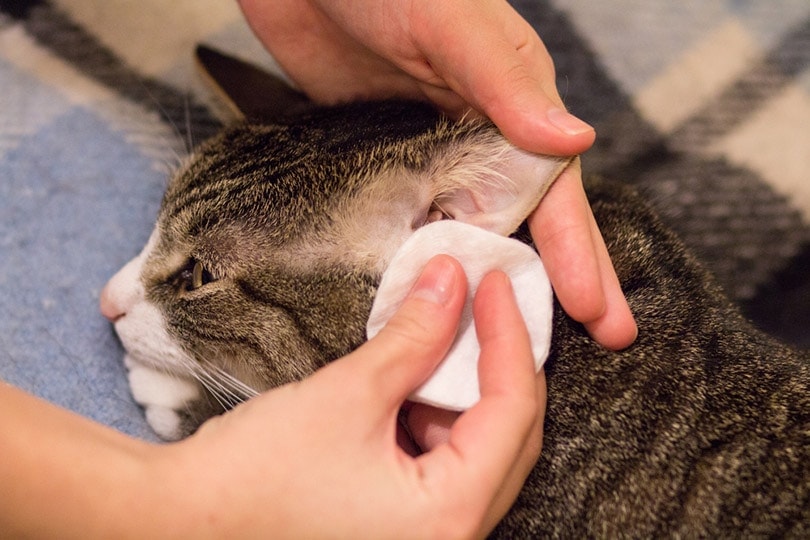
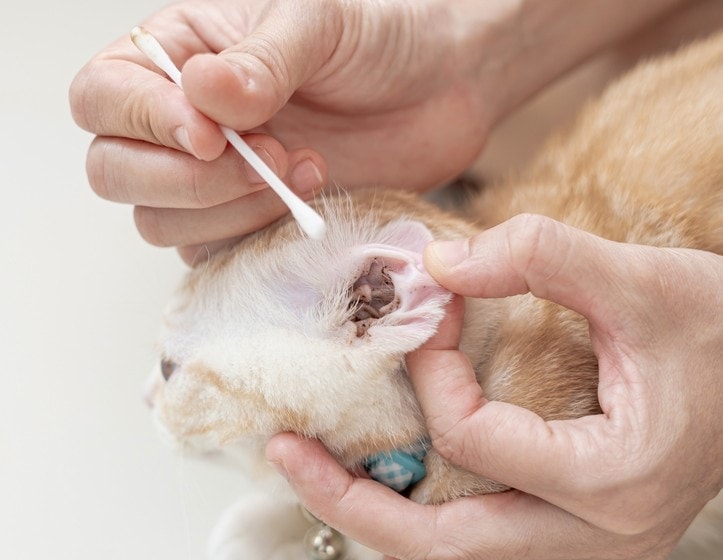
When cleaning your cat's ears, use a clean rag dipped in warm water and gently wipe away any dirt or debris you see inside the ear canal. Be careful not to push too far into the ear as this can damage the delicate inner ear structures.
Avoid using hydrogen peroxide, alcohol, or other harsh chemicals as these can be irritating and painful to your cat's ears. If you're inexperienced, avoid using a Q-tip as these can cause damage to your cat's ears and when used incorrectly will push dirt, grime, and ear wax further down their ear canal. Unless a veterinarian recommends a specific product or medication, only use warm water to clean your cat's ears.
A Note About Ear Anatomy
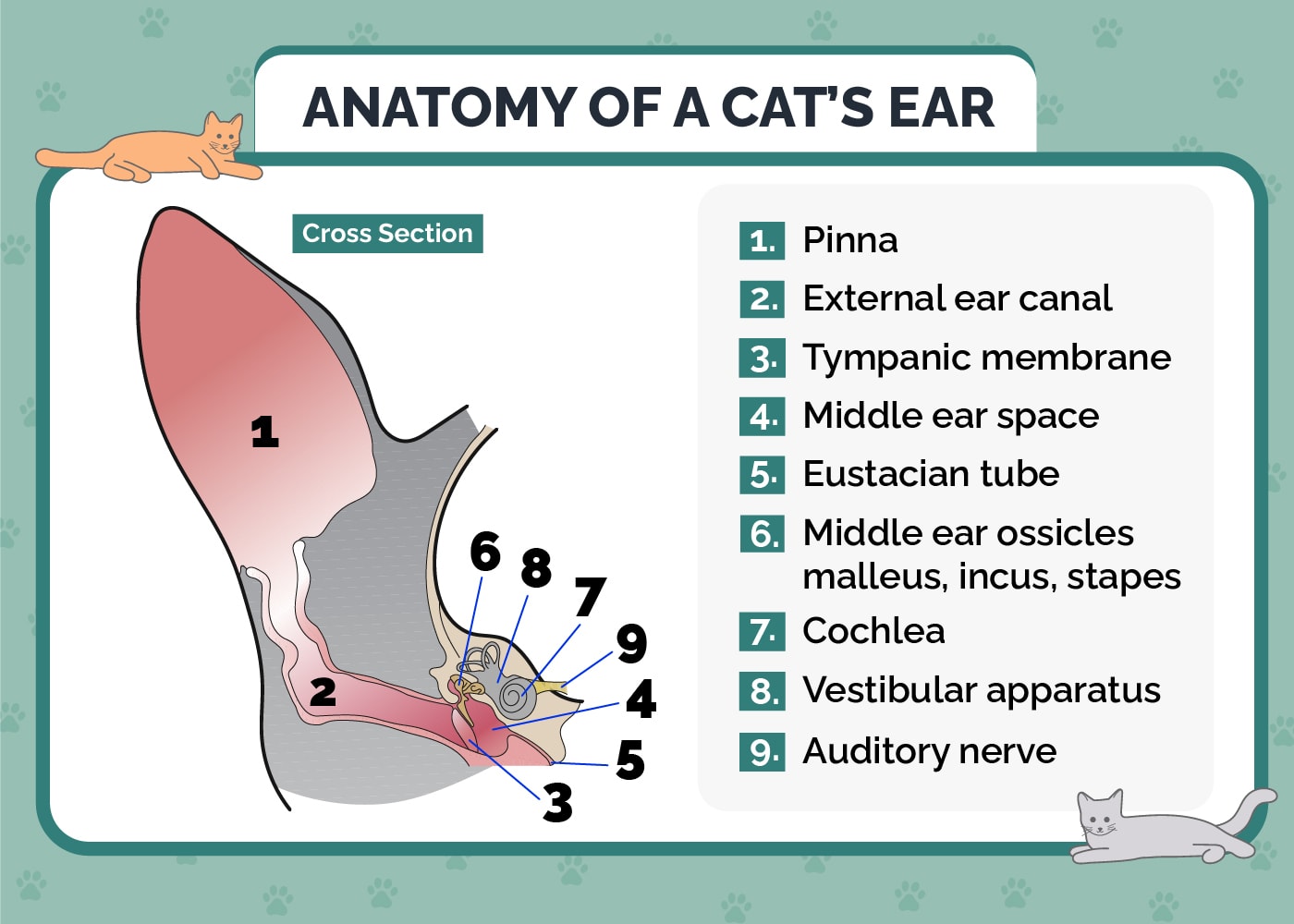
Understanding the shape of a cat's ear can help you understand how to clean it. Your cat's external ear consists of the ear pinna (or ear flaps) that you normally see and a canal that extends inwards towards your cat's skull in an "L" shape.
Other Safety Tips for Cleaning Your Cat's Ears
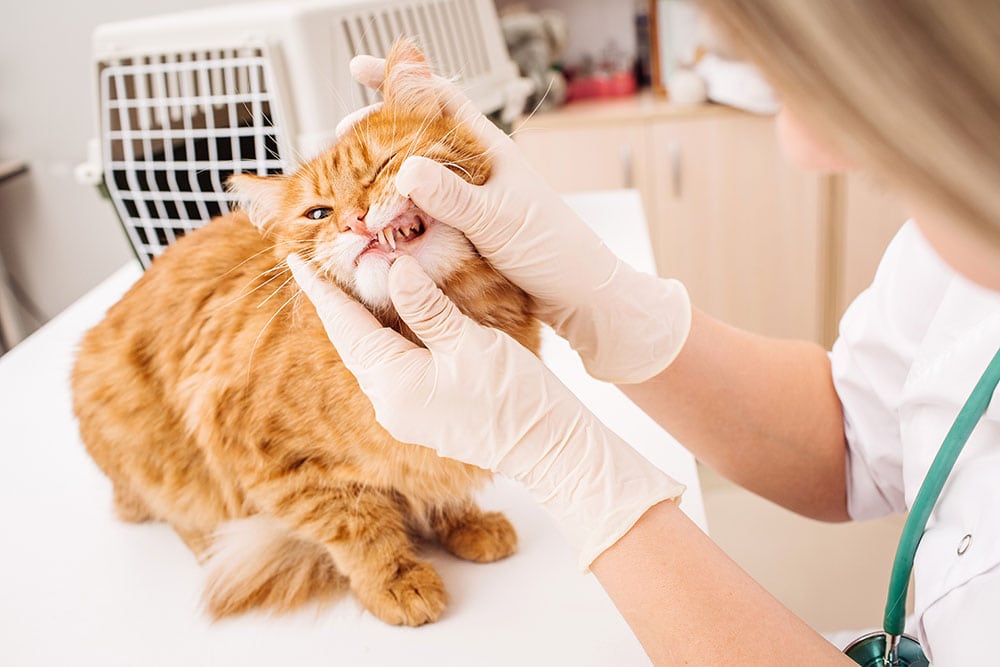
If you are not comfortable cleaning your cat's ears, ask your veterinarian to do it or recommend someone who can. Pet groomers can also help clean your pet's ears if you are unable to do so.
What Should I Do If My Cat's Ears Seem Really Dirty?
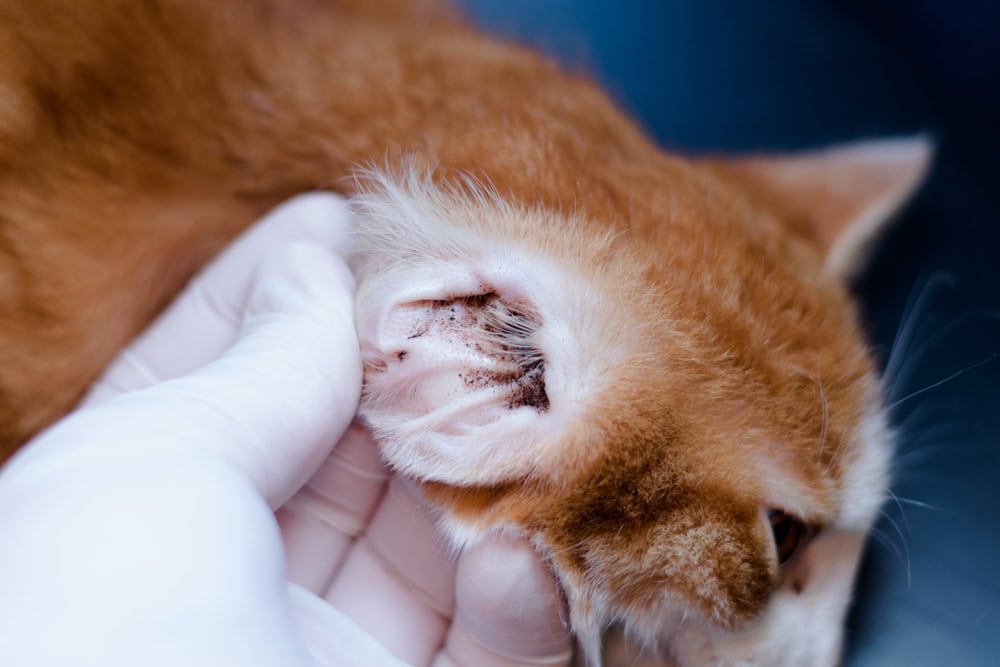
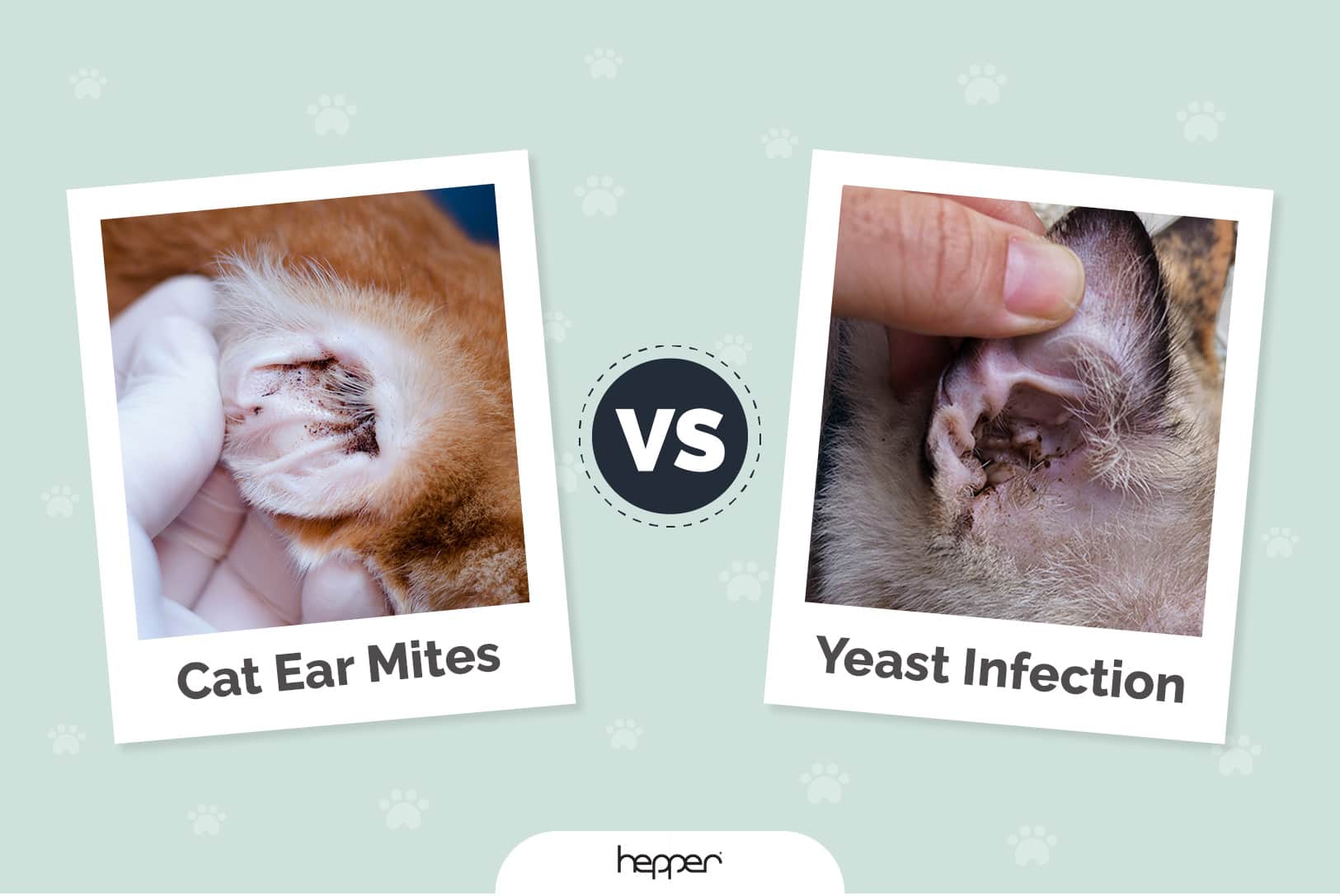
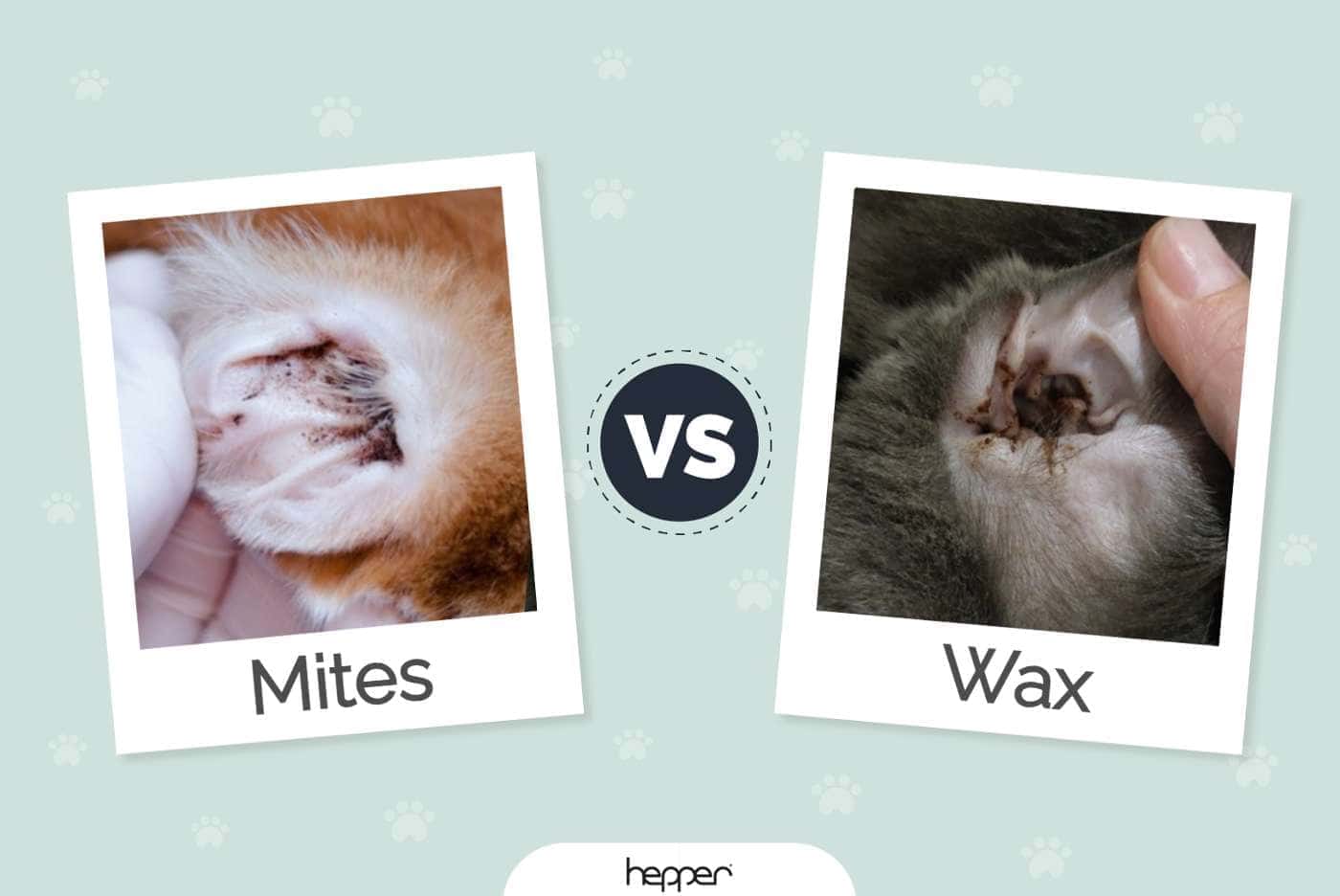
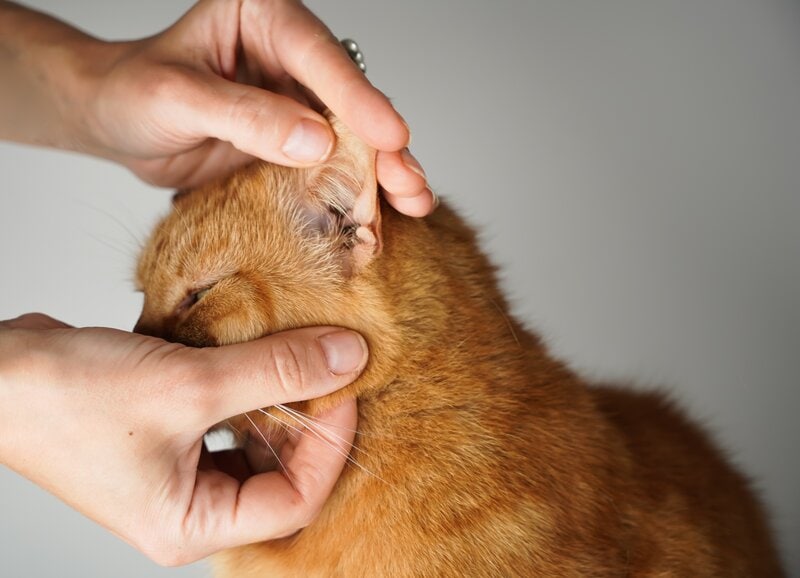
If your cat's ears appear to be excessively dirty, it is best to consult a veterinarian to determine the cause of the problem and proper cleaning regimen. You could be looking at something such as ear mites rather than just dirt. Your veterinarian can diagnose the issue and may recommend a specific cleanser or medication depending on the cause of the ear dirtiness.
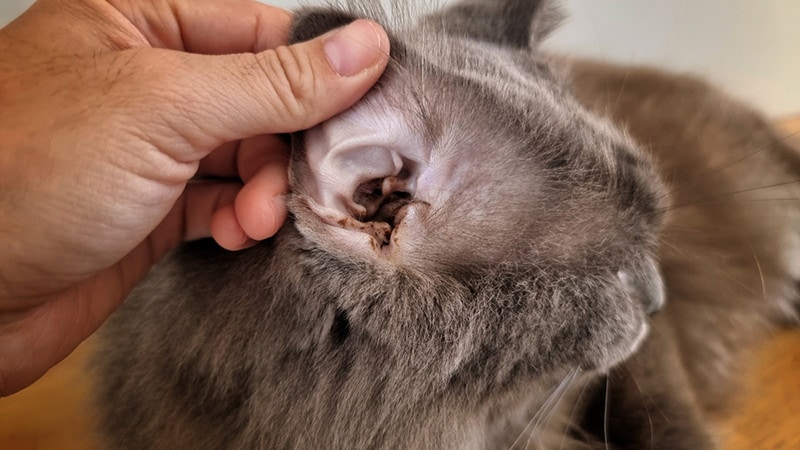
What Are Signs of An Ear Infection in Cats?
Signs of an Ear Infection in Cats
If infections occur in your cat's middle or inner ear, your cat may exhibit signs of poor coordination, an awkward gait, and may have uneven looking pupils.
What Should I Do If My Cat Has an Ear Infection?
If your cat has signs of an ear infection, it is important to take it to the veterinarian right away. The vet can diagnose the cause of the infection as well as provide treatment options such as specific medications or cleaning regimens that can help clear up the infection and reduce pain and discomfort. It is also important to follow all instructions exactly as prescribed to ensure the infection is completely cleared up.
Does Cleaning My Cat's Ears Help Prevent Ear Infections?
Regularly cleaning your cat's ears isn't necessary, unless your vet instructs you to do so. The skin of your cat's ears is delicate, excessively cleaning it may cause damage to the ear or persistent irritation for your cat. If your vet instructs you to clean your cat's ears, only use cat-safe ear drops that are prescribed by your vet. If you are unsure about any aspect of ear cleaning, be sure to consult your veterinarian for advice.
Products to Help Clean Your Cat's Ears
Cats are famously good at grooming themselves, but sometimes they need a little extra help. Natural, hypoallergenic wipes like our Hepper Wash Wipes can help you keep your cat clean without causing any irritation. These wipes are specifically designed to work on all ages of cats, gently cleaning sensitive areas while effectively removing dirt and grime.

- Gentle Care For All Pets - Infused with moisturizing hypoallergenic ingredients & enriched with cucumber & aloe fragrance for healthier fur, coat & skin, the ultimate dog and cat cleaning wipes
- Deep Cleans From Head to Tail - Tackle the toughest dirt & messes with our extra strong pet wipes for dogs, cats and other pets while being gentle on sensitive areas like the face, ears, butt & paws
- Freshness On The Go - Each dog grooming wipes pack contains 30 counts of premium dog wipes that leaves your pets fresh. Packed in resealable packaging, keeping the cat wipes fresh & ready whenever
Conclusion
Healthy indoor cats rarely need their ears cleaned. If their ears appear exceptionally dirty or problematic, you should have them examined by a vet for a check up. When cleaning your cat's ears, use gentle products specifically designed for cats, and be careful not to push too far in the ear canal as this can cause damage.
It won't harm your cat if you clean their ears every once in a while, but you don't need to do it without a reason. You certainly don't need to do it on any kind of regular schedule, and you probably shouldn't do it more than a few times per year. When in doubt, leave it alone and consult your vet first.
Featured Image Credit: Nataliia Dvukhimenna, Shutterstock
Get Hepper In Your Inbox


Pet care tips from our vets and experts, straight to your inbox.
You may opt-out at any time. View our Privacy Policy for more information.
Nicole is a lover of animals of all sizes but is especially fascinated with the feline variety. She’s the proud mom of Baby, a Burmese, and works every day so he can relax in the sunshine or by the fire. She’s always had a cat in her home and has spent countless days with others, observing behaviors and softening up even the grouchiest of the lot. Nicole wants to share her kitty expertise with you so you and your cat can live happy, healthy, and care-free.
Join the conversation
Ask a question, share your story, or send private feedback.