Hepper is reader-supported. When you buy via links on our site, we may earn an affiliate commission at no cost to you. Learn more.
How to Potty Train a Bernese Mountain Dog: 8 Easy & Effective Tips


In this article
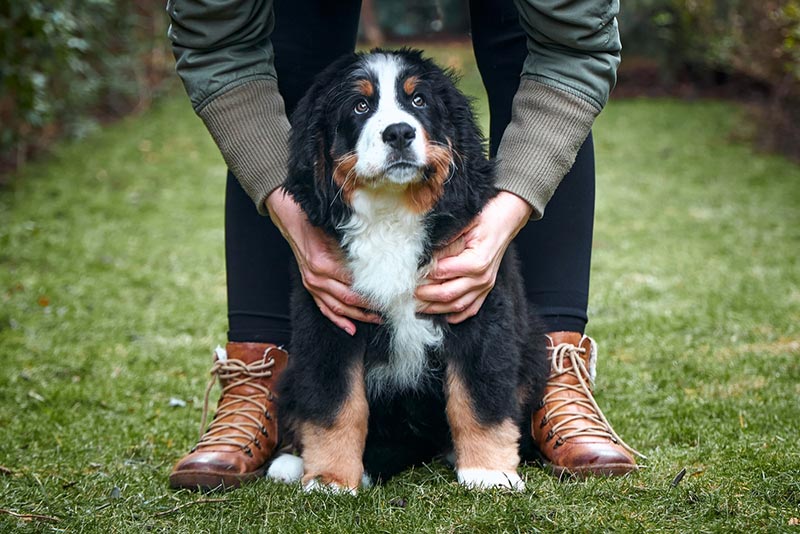
Understandably, you might be feeling some apprehension about potty training. It can feel insurmountable, especially with a mischievous puppy in your life. But when you break down the process into smaller steps, it suddenly isn't quite as daunting. Thankfully, Bernese Mountain Dogs are intelligent and gentle, which makes them the perfect candidate for training.
We’ve found these eight handy tips to help you succeed. Your Berner puppy will be potty trained in no time, and you’ll hopefully get there without ruining your favorite rug!

How to Potty Train a Bernese Mountain Dog
1. Crate Training
Many new owners avoid crate training because they think confining their dogs in a crate is cruel. That isn't true if the crate is used correctly. Dog crates make both of your lives easier and can be used for many reasons, like traveling, training, and safety.
The main principle behind using a crate for potty training is that dogs are clean and don't like living in a urine-soaked mess. When picking a crate, make sure it’s just the right size. Your dog needs to be able to lie down, stand up, and turn around. However, if it’s too big, your dog will use one corner for elimination and the other to settle down away from the mess it’s made. If you don't like the idea of getting a new crate each time your puppy goes through a growth spurt, you can get one with partitions.
When your puppy needs to go to the bathroom, they usually let you know by scratching and whining. The trick is to react immediately because your puppy might lose control in the crate, which isn't teaching them the right message.
2. Consistent Schedule
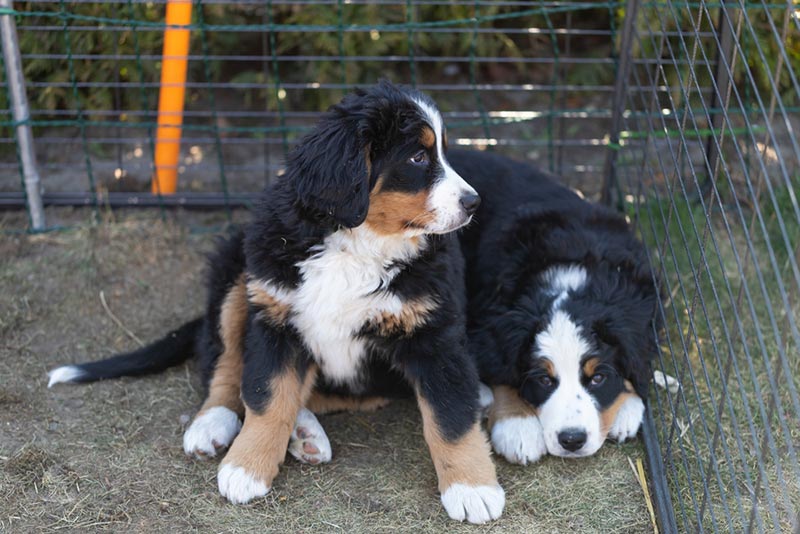
Dogs appreciate a schedule, and consistency during training is essential so your dog knows exactly where it stands. Not only will a routine help your dog with its training, but it will also create trust and help them feel more secure.
To help, you can start by creating a schedule that includes the following:
Make sure everyone in your house is following this same schedule. Puppies don't have complete control over their bladders until around 5 months old. Start by taking your puppy outside every 45 minutes when they’re awake. When taking them outside, do so on a leash, to the same spot each time. Once they do go to the toilet use the same word or phrase to link the two and give lots of praise. Take them out for playtime or a longer walk only once you’ve done this.
Over time, you’ll notice the time between potty breaks lengthens. To determine how long you can wait, use the one-hour-per-month guide. Typically, a 3-month-old puppy can potentially hold it for 3 hours. But it’s important to remember that they will need to build up to this slowly.
3. Offer Rewards
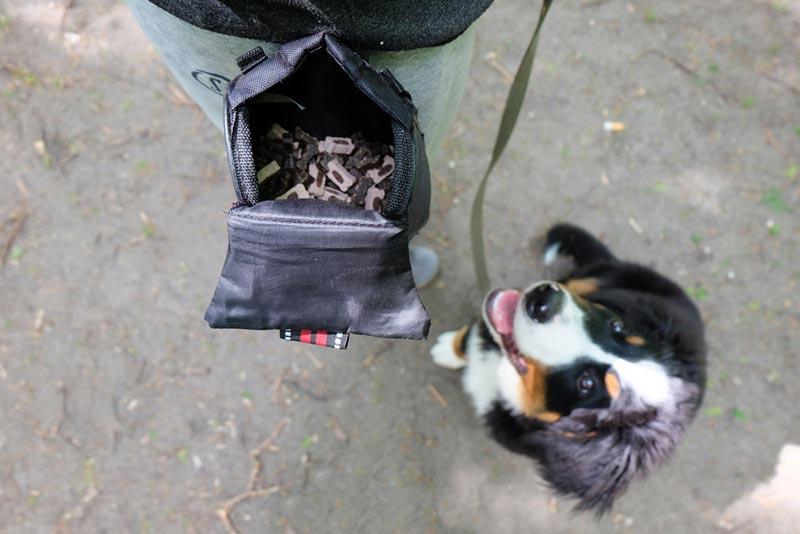
When your Berner successfully goes potty outside, you should reward them by giving them a high-value treat. This is especially important at the beginning. Make this treat something they like, and offer it when they’re done peeing or pooping.
4. Deal With Accidents the Right Way
You can be on top of training, but accidents might still happen. How you handle these accidents will make all the difference to your puppy. Berners are eager to please and affectionate, so while they’re easy to train, they can be sensitive to harsh corrections.
If you catch your puppy in the middle of peeing or pooping in the house, clap and say “No” loudly, but don't shout. However, if you find a soiled spot after the fact, pick it up without making a fuss.
If you get angry, you might frighten your dog, and they won't be able to draw a connection to why you’re mad. Use an accident as a learning opportunity for you. Did your dog fail to make it an hour after their last trip outside? Then, take them out at the 50-minute mark instead.
Make sure you clean the soiled spot effectively to remove any odor. Otherwise, it’s likely your puppy will return to the site.
5. Puppy and Training Pads or Not?
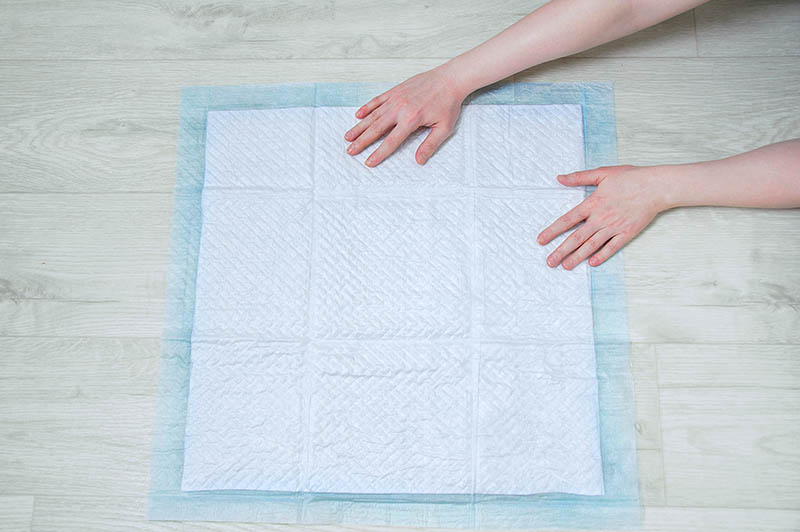
Puppy pads are a divisive topic. Some dog owners use the pads as the first step in their training journey before then moving their dog outside. Others feel that it encourages your pup to toilet inside.
If you have limited access to outside lawn space or you have mobility issues, they may be a viable option, but if you can take your dog outside, it’s always better than using pads.
6. Feeding Schedule
Putting your Berner on a regular feeding schedule will help you then create a potty schedule, which just makes life easier for you both. Take them outside to the toilet before and after each meal.
7. Observation and Supervision
Each puppy is going to show different signs of when they need to go, and some are going to be able to hold it in longer than others. It’s up to you to learn their signals. Do they go after they’ve played, or do they get excited and stop in the middle of playtime to pee? As your bond grows and you spend more time together, you’ll learn more about your pet’s habits.
8. The Diet Is Important
It’s recommended that you split your puppy’s feeding schedule into three periods. Puppies can't really handle a lot of food because of their immature digestive systems. Another thing you’ll need to keep an eye on is the food. Whatever you choose, it should be a high-quality dog brand that agrees with your pup’s tummy.
You can figure out how your puppy is reacting to its food by examining its stool. If they are consistently loose, bulky, and stinky, you should talk to your vet about switching brands. Overfeeding can also result in diarrhea, which makes house training even more difficult. So, keep control of their diet to ensure they’re happy, healthy, and getting through their training with ease.

People Also Ask ...
How Long Does Potty Training Take?
Generally, it takes 4-6 months to get your puppy fully house-trained, but for some, it might take a year, so don't be discouraged if it’s taking longer than you expected. However, the size of the dog will affect the timeframe; larger puppies have larger bladders and don’t need to go outside as much as smaller dogs.
What’s the Best Age to Start Potty Training?
Potty training can start as soon as you welcome your lovely little bundle home around 8 weeks of age. You may not see much progress until your dog is between the ages of 12 and 16 weeks old. At this age, they have enough bladder and bowel control to learn to hold it. If your puppy is older and hasn't been house-trained, it might take longer.
What Could Potentially Stall Potty Training?
There are some things you can't plan for, and certain situations are going to affect your puppy’s training, such as:
- Anxiety/fear of going outside
- Separation anxiety
- Urinary tract infection (UTI)
- Urinating when submissive/excited
If you still need help with training your dog, we suggest speaking to an online vet for tips and tricks.

Conclusion
Potty training isn't a fast journey, but it’s a necessary one. Bernese Mountain Dogs are affectionate, sturdy, and aim to please. They react to training well but won't do well with harsh words. Patience and praise will go a long way when training your Berner. We hope these tips have been helpful and that you’re feeling a little more confident about your potty training journey!
See also: How to Potty Train a Pug: 11 Expert Tips
Sources
https://www.humanesociety.org/resources/how-potty-train-your-dog-or-puppy
https://www.akc.org/expert-advice/training/how-to-potty-train-a-puppy/
https://www.thefarmersdog.com/digest/how-to-potty-train-a-puppy-a-step-by-step-guide/
https://www.akc.org/expert-advice/nutrition/train-bernese-mountain-dog-puppy-milestone-timeline/
Featured Image Credit: Oleg Mitkevych, Shutterstock
Get Hepper In Your Inbox


Pet care tips from our vets and experts, straight to your inbox.
You may opt-out at any time. View our Privacy Policy for more information.
Kerry-Ann lives in Scotland and wishes her garden was bigger so she could have her very own Highland cow. But her dogs probably wouldn’t like that very much. She has a La Chon called Harry who was poorly with a liver shunt when he was a puppy. It wasn't likely he would make it into adulthood, which was difficult, but he beat the odds and is a healthy old man now. She also has a Pug called Maddie who is a big foodie. She’s small, sassy, and every day she finds a new way to mess with her brother.
When she isn’t writing you can find Kerry-Ann going for long walks when the weather isn't bad, reading, or watching cartoons when she should be tidying her house. She would one day like to be a tourist in her own country and travel through the Highlands with her family.
Join the conversation
Ask a question, share your story, or send private feedback.