Hepper is reader-supported. When you buy via links on our site, we may earn an affiliate commission at no cost to you. Learn more.
How Smart Are Cockatiels? Facts & FAQ
In this article
“Smart” is a difficult word to quantify. Scientists struggle with finding an unbiased, non-subjective way to describe it, especially when it comes to determining the intelligence of animals like cockatiels. Instead, they look at social intelligence, concept formation, and problem-solving skills. While most would consider the cockatiel to be relatively smart, we will consider each aspect of animal intelligence to see where the cockatiel stands. We’ll begin with some anatomy and physiology to see if these birds have what it takes to be smart.

Being a Bird Brain
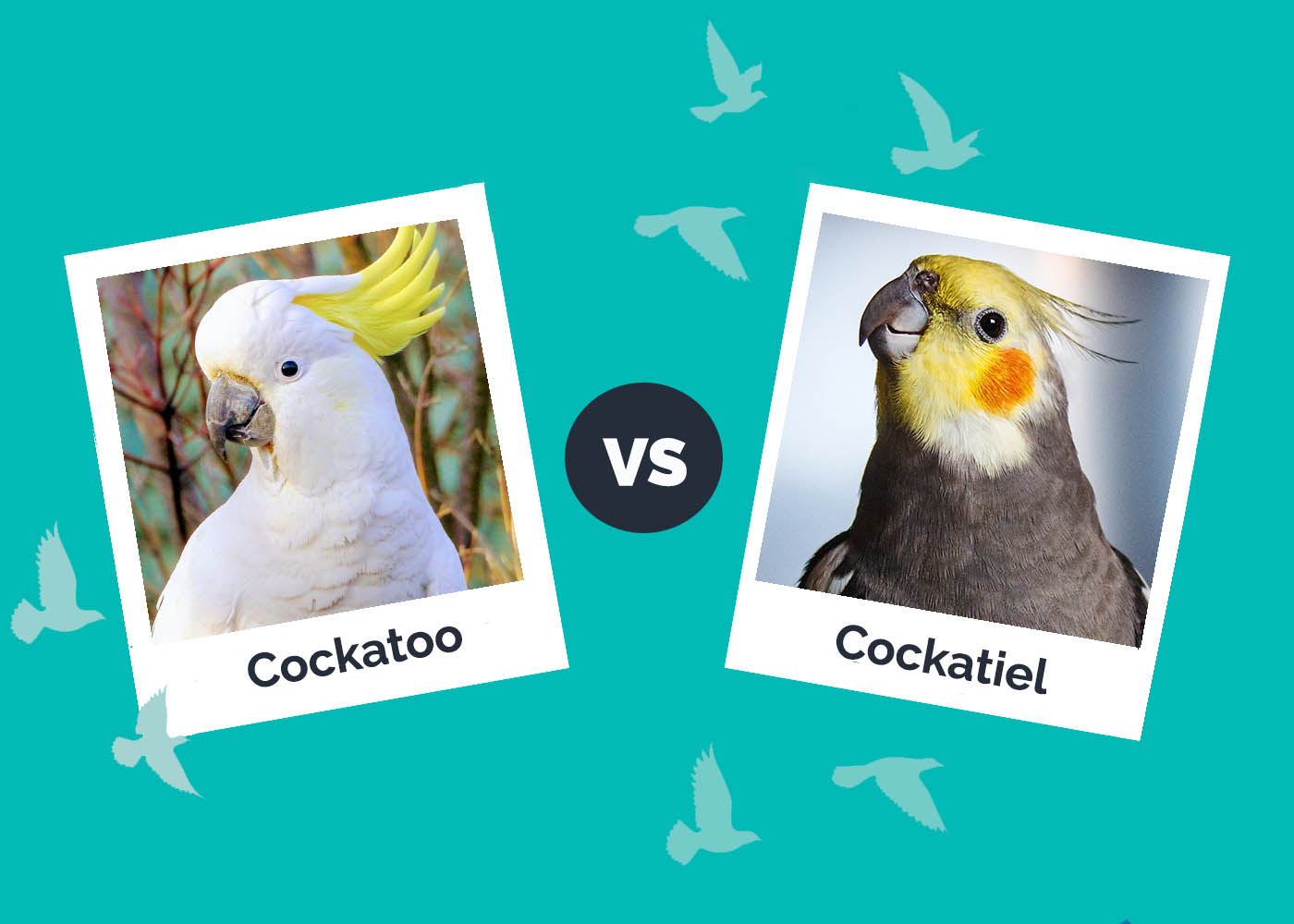
We naturally equate intelligence with the relative brain size of an animal. However, it’s also essential to delve into its structure to answer this question for cockatiels. These birds are members of the Psittacidae family, which includes cockatoos and parrots. The former is significant, given that research on the Goffin’s Cockatoo put it on a par with chimpanzees and humans regarding tool use.1
Scientists have looked at bird brain anatomy for answers to explain these high-order behaviors. One study found that birds have higher densities of nerve cells in their forebrains than mammals,2 including primates and humans. Even though avian brains are smaller, the differences in density might explain the numerous examples of cognitive abilities we see in birds.
Other research considered specific areas of the avian and primate brains,3 specifically the pontine nuclei, which allow for information processing. While the structure wasn’t significantly larger in birds, the scientists did find the avian brain had more prominent medial spiriform nuclei. Mammals lack this area. However, the structure was enlarged in parrots.
This neural connection allows for high-order functions of more complex behaviors. It can play a direct role in all three aspects of intelligence assessment we discussed. Another study discovered the existence of the dorsal ventricular ridge in the avian brain.4 That’s significant because this structure allows humans to understand language, spatial reasoning, and sensory perception.
Consider these findings and the things you, as a pet owner, may have observed in your cockatiel, such as tool use, vocal learning, and mimicry. Let’s delve deeper into these abilities and how they explain cockatiel intelligence.
Problem-Solving
Cockatiels are also a part of the subfamily Cacatuinae, which includes cockatoos. The latter provides an amusing take on problem-solving with the so-called “trash parrots” of Australia. These birds have figured out how to open garbage cans, much to the chagrin of homeowners. It shows that they use the unique brain circuitry they have to solve problems and come up with solutions.
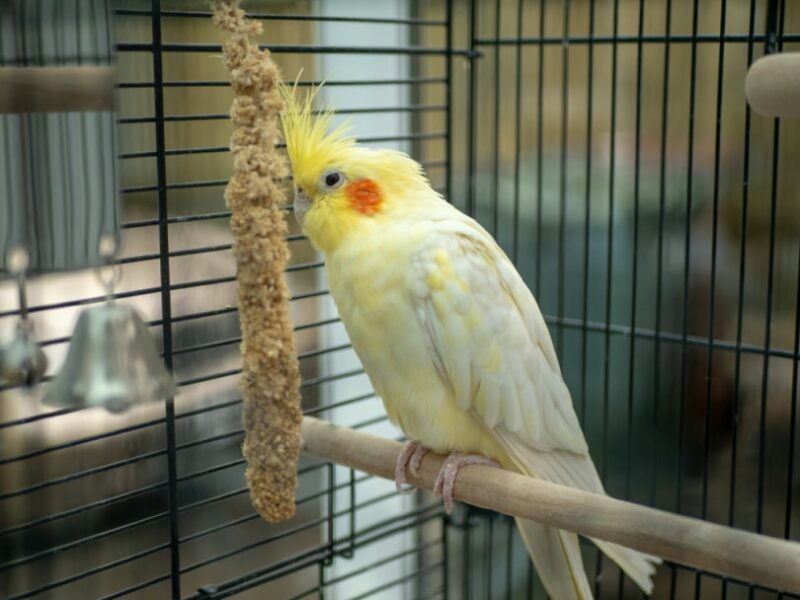
Cockatiels are ground foragers with a diet that includes nuts, seeds, fruits, and insects. Another example of problem-solving involves cracking open the foods they want to eat. These birds have zygodactyl feet, meaning two toes pointing forward and two backward. That helps them get around in the grasslands and savannas of their native land.
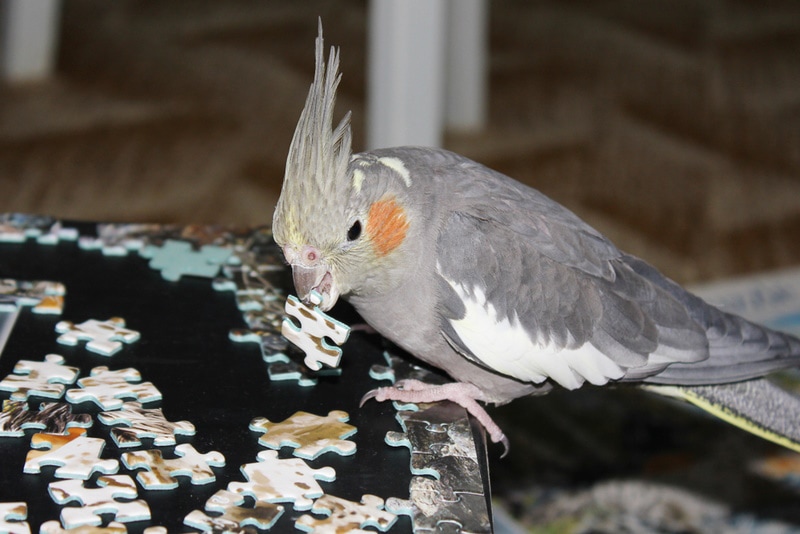
Cockatiels use their feet to grasp food and shell the seeds using their beaks and tongues. Problem solved! Undoubtedly, you’ve observed your pet cracking open sunflower seeds, scattering the remains all over the floor. You may have seen it figure out puzzle toys or even how to get out of its cage.

Talking Ability
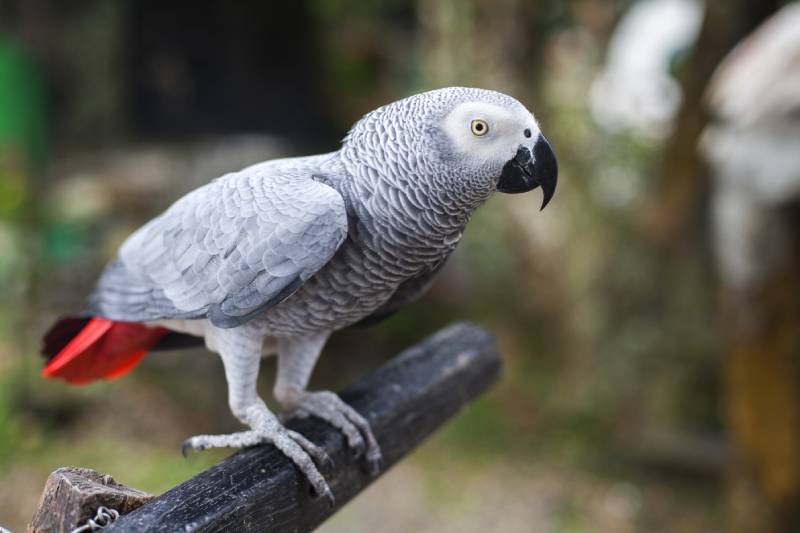
Talking is a unique trait that humans only share with birds. Cockatiels aren’t the talkers like their other avian counterparts, such as the African Grey Parrot or Budgerigar. Singing and mimicry are where they take center stage. These skills show signs of intelligence. They also demonstrate memory. These birds aren’t only learning songs and sounds, but they’re recalling them.
An Emotional Response
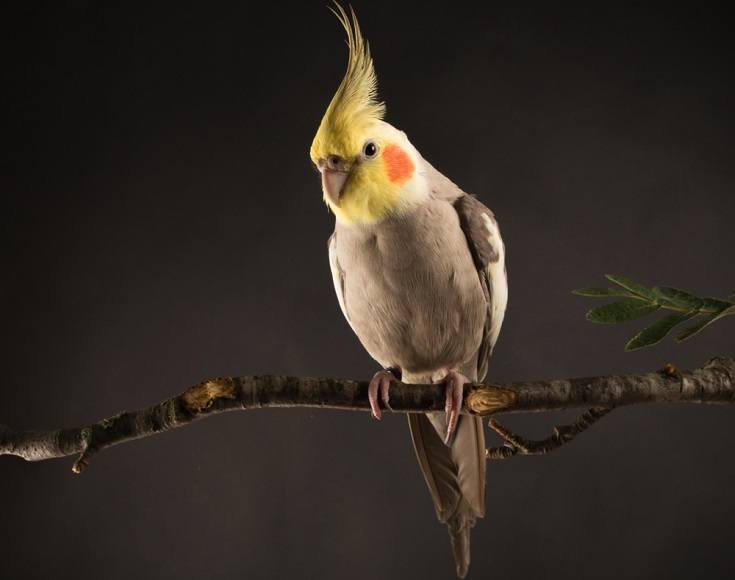
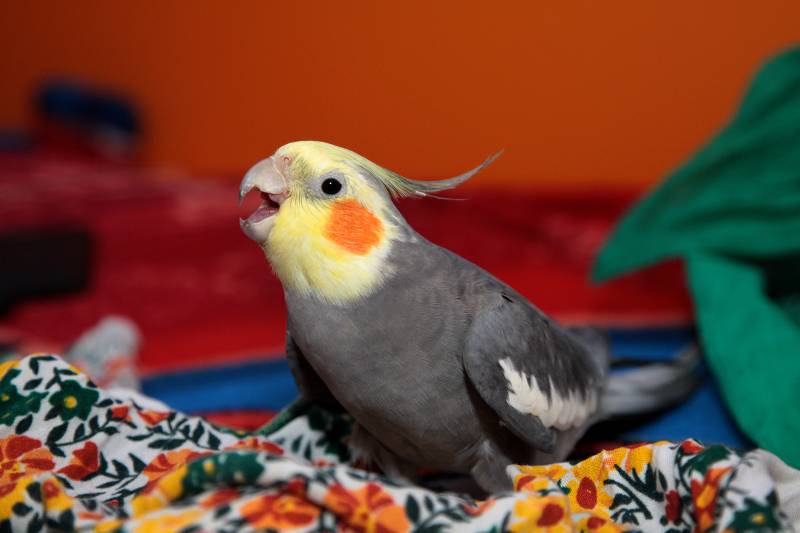
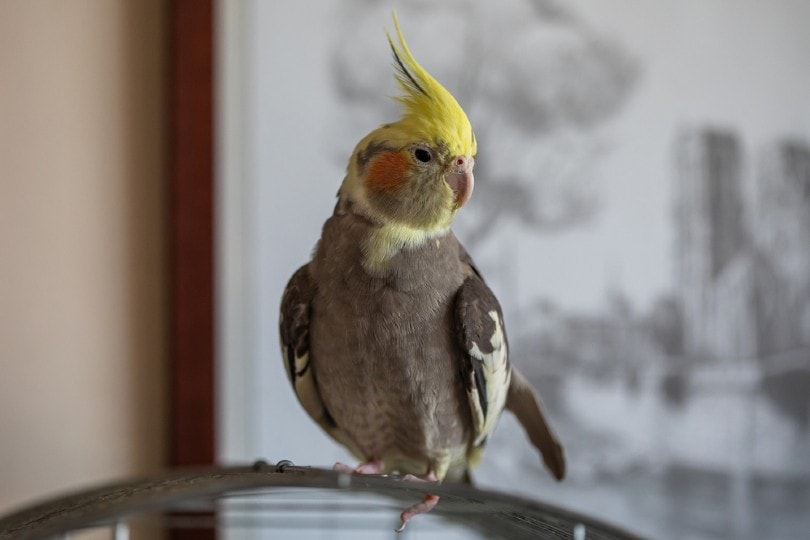
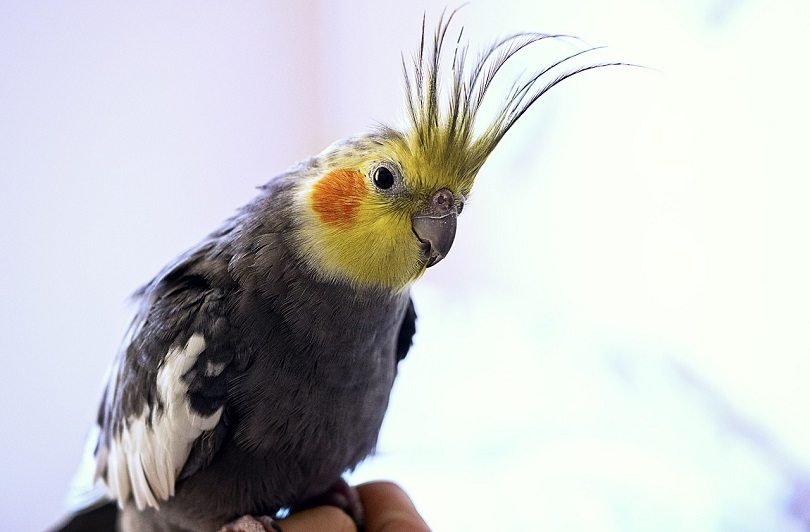
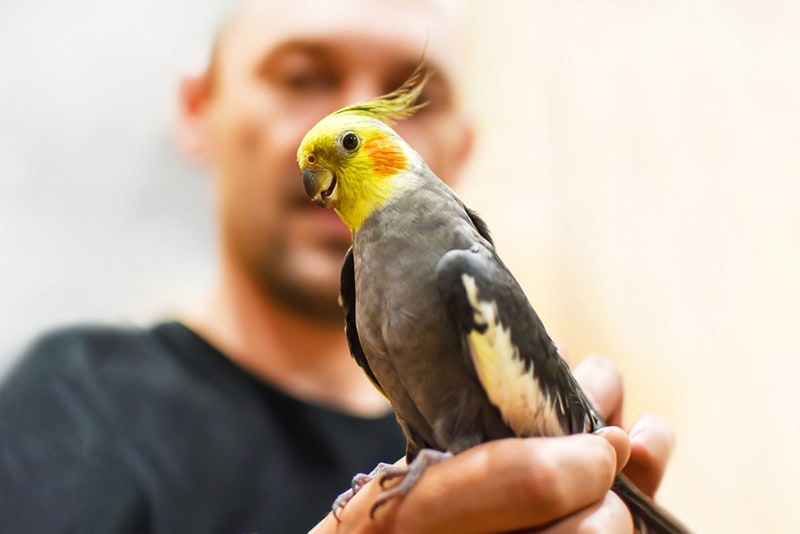
Cockatiels let you know what’s going on in their heads by their body language. An angry bird may bang its beak or ruffle its feathers. On the other hand, a content cockatiel may click its tongue or grind its beak. Of course, there also is its crest. An alert bird will keep it straight up in anticipation of whatever is going to happen next. A happy cockatiel will lay it down on an angle.
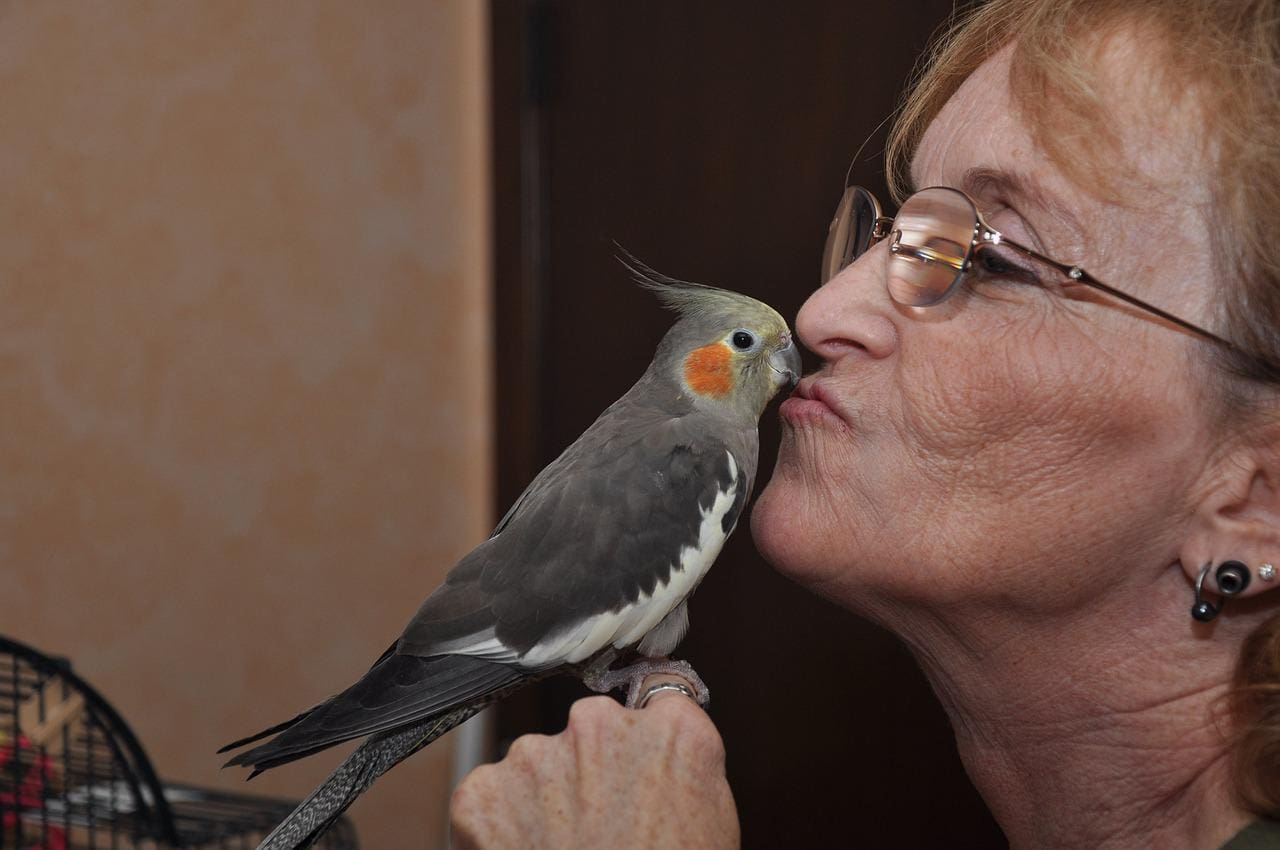
Interestingly, research has also shown that cockatiels display empathy, particularly with a bird familiar to them. That’s not surprising given how social these birds are. They also form pair bonds early in life and remain loyal to their mates. These findings provide further evidence of higher-order functioning in these birds.
The Need for Mental Stimulation
All this information points to a critical aspect of bird care: mental stimulation. An intelligent animal like a cockatiel must have things to do to thrive. Being smart comes at a price when it comes to being raised in captivity. Given the content of its diet and how it feeds, it’s not a stretch to say most of a cockatiel’s day in the wild is spent foraging.
A study from the University of Guelph investigated what aspects of captive life affect different parrot species for both good and bad. The researchers concluded that a directly proportional relationship exists between a bird’s intelligence and its need for mental stimulation. They recommended that pet owners provide more natural diets and aviaries to fulfill this requirement.
The scientists further explained that species vary in the capacity to manage stress and adapt to a life with little enrichment. Cockatiels handle captivity well. The ease of breeding these pets is proof of that assertion. However, a bored bird might engage in self-destructive behavior, like feather-plucking. That makes daily interaction vital to a pet’s well-being.
Researchers discovered a modern-day twist for providing mental stimulation through video calls between birds. The scientists worked with 18 parrots, including two cockatiels. Caretakers showed them the process of using video calls. Not only did they learn, but all the avian participants seemed to enjoy it. Pet owners reported dramatic improvements in behavior.
The researchers surmised the calls provided much-needed social contact even when done remotely. The evidence of behavioral changes offered further proof of the importance of this aspect of parrot welfare. It showed the cockatiel’s capacity to learn and remember the procedure, another sign of avian intelligence. It also demonstrated concept formation and the ability to make associations.
Conclusion
The science of bird intelligence is starting to take flight. Already, research has revealed some surprising facts about our avian companions. The body of anecdotal evidence has solid scientific support that backs our observations of our pets. The cockatiel provides ample confirmation that it is indeed a smart bird. It ticks off all the boxes for the ways scientists measure animal intelligence.
Featured Image Credit: Tanya Hamster, Shutterstock
Get Hepper In Your Inbox


Pet care tips from our vets and experts, straight to your inbox.
You may opt-out at any time. View our Privacy Policy for more information.

Chris is an experienced pet writer specializing in science topics, with a particular passion for health and the environment. She has been a writer for over 15 years and lives with her husband and three cats in Michigan.
Beyond writing about cats and dogs, Chris loves to learn about wine. She has WSET 1 and 2 certifications and is currently pursuing her Certified Wine Specialist Award (CSW).
Join the conversation
Ask a question, share your story, or send private feedback.