Hepper is reader-supported. When you buy via links on our site, we may earn an affiliate commission at no cost to you. Learn more.
How to Get a Cockatiel to Trust You: 13 Vet-Approved Tips


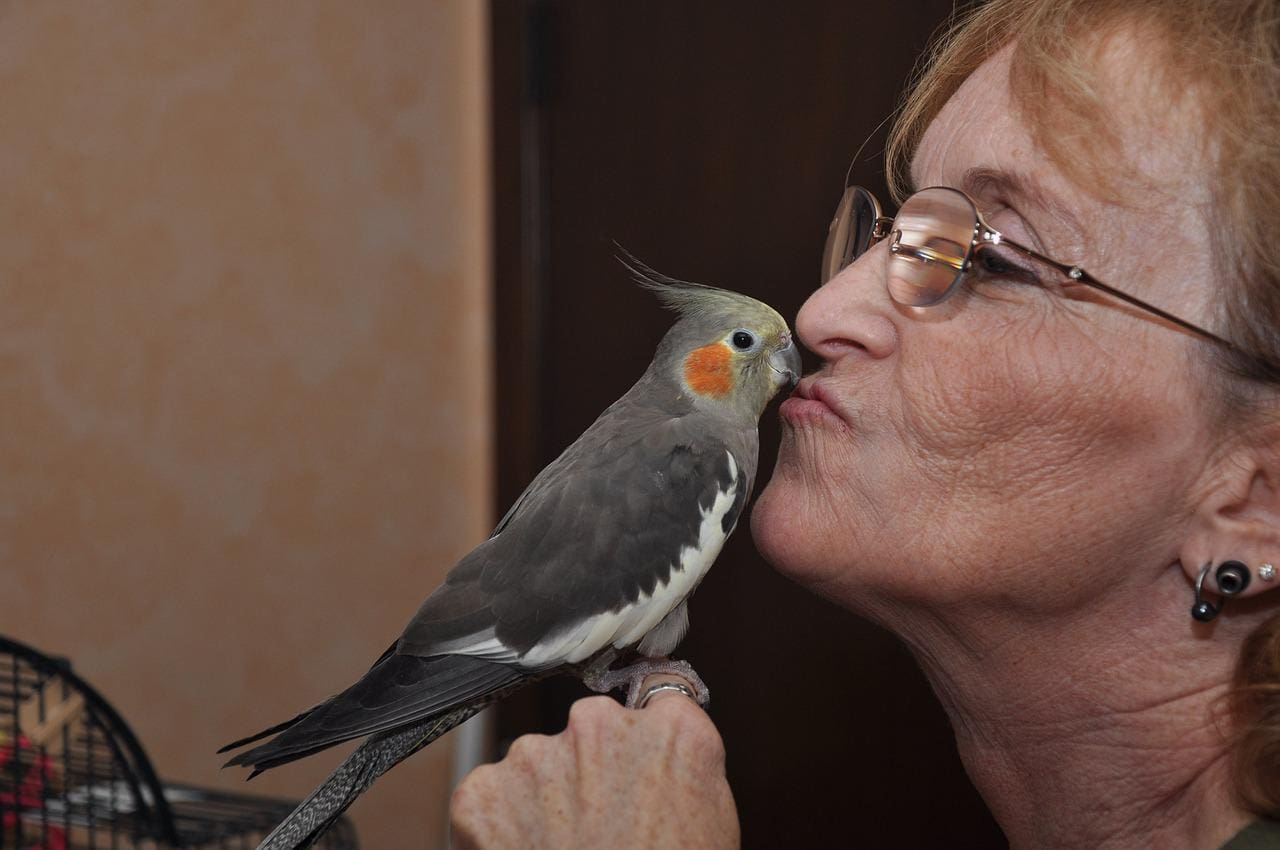
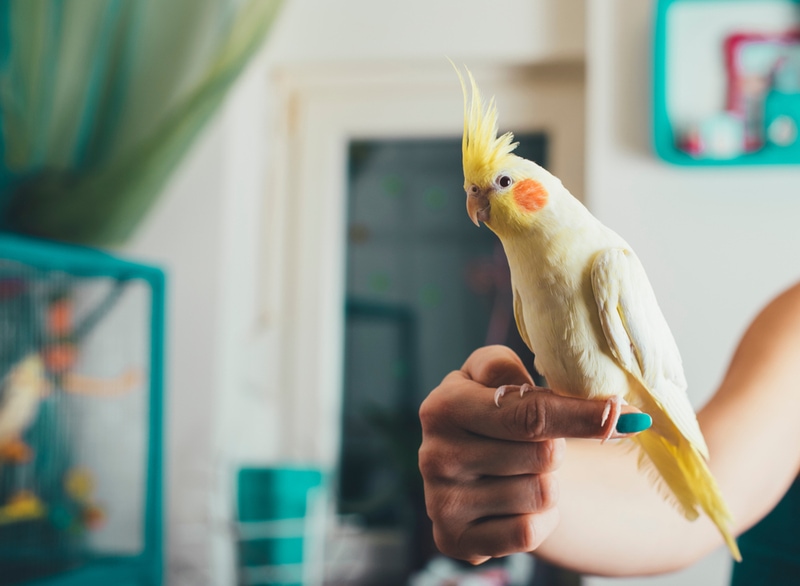
Cockatiels can make great pets for the right owner. They're intelligent, fun, and lively, and they can really enjoy being handled. But, to enjoy spending time with you, a cockatiel needs to trust you. Whether yours is a young bird or you have an older bird that has never been handled and has no real experience with people, it's possible to get a cockatiel to trust you.
Below, we detail 13 tips to help get a cockatiel to trust you.

The 13 Tips on How to Get a Cockatiel to Trust You
Important
1. Cage Location
As the saying goes in real estate, location is key, especially in ensuring your cockatiel can adjust through the initial days after being adopted. Cockatiels are sociable birds that like company and enjoy interaction. However, a sudden change of scenery can definitely be stressful. Though in time you would want to socialize with them in a relatively bustling area of your house, ensuring they have a private place is very important to minimize stress for your pet.
2. Let Them Settle In
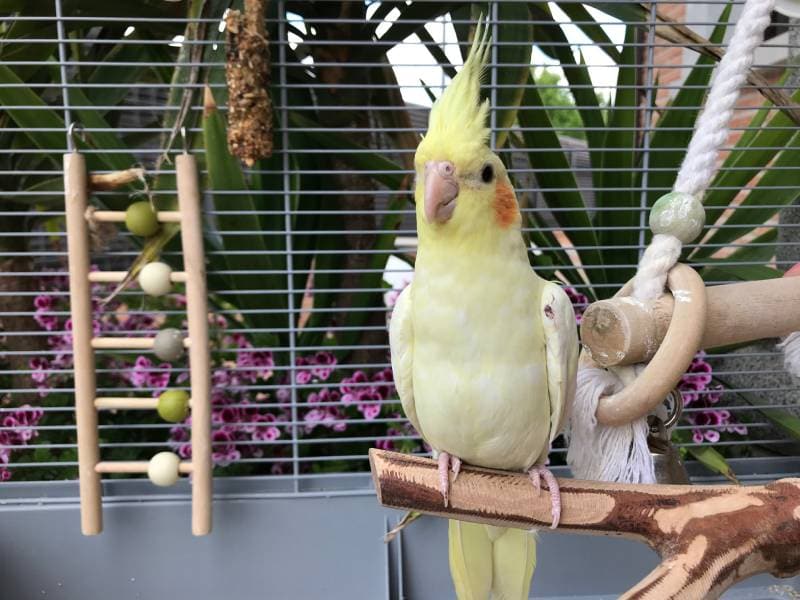
Don’t start trying to grab your new cockatiel as soon as it has moved in. Let the bird have some time to itself to get used to its new cage, the room, and its general environment. This will also give you time to see how the bird reacts to noises like your voice, any other animals in the house, and how they act generally. When you first start trying to interact with the bird, you will want to do so when they are calm and not stressed, and by monitoring them during the first few weeks, you will be able to ascertain the best time.
3. Talk to Your Cockatiel
Talk to the cockatiel frequently and regularly. Use a calm and understanding voice and chat with them like they are a member of the family. Your bird will get used to the pitch and timbre of your voice over time and will learn that you aren’t a threat even before you open the cage door for the first time. Over time, your cockatiel will answer, typically with whistles and song rather than by mimicking your voice, although very rarely some cockatiels do learn to speak human words.
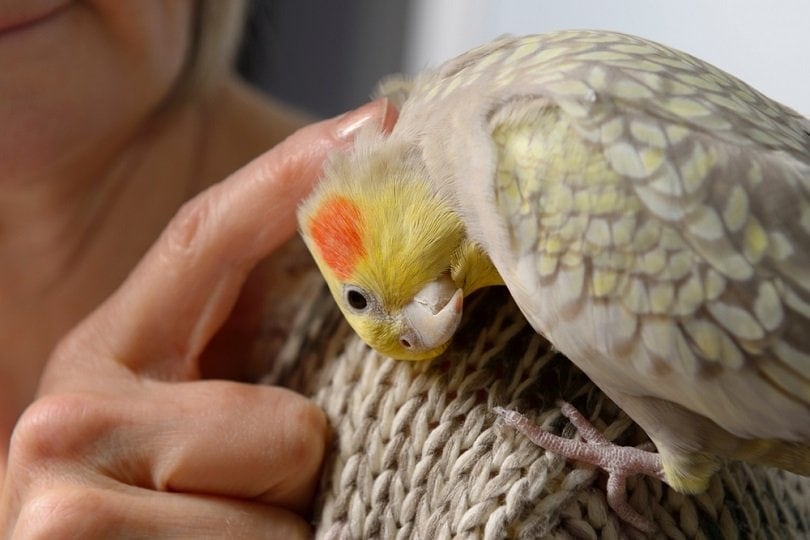
4. Give Treats
Treats work on birds just as well as they work on other pets. Initially, you can pop the occasional treat through the bars of the cage. You want your cockatiel to associate you with positive experiences. Ensure the treats are safe for cockatiels, and remember that you cannot use dog or cat treats for parrots. Millet and sunflower seeds tend to make good treat choices, but some may also enjoy small pieces of fruit.
5. Feed Treats From Your Hand
Once your cockatiel is willing to come to the cage to see you or to listen to you talk, you can progress to feeding treats from your hand. As your ‘tiel gets more comfortable with you, you can use the feeding of treats as a form of positive reinforcement, so you feed a treat whenever your bird does something that you want to encourage. When training them to get on your hand, for example, you can feed a treat when the bird lands and stays where you want them.

6. Open the Door
Important: Ensure your cockatiel’s room is bird-proofed before letting them out of their cage!
Once your ‘tiel will take a treat from your fingers, through the cage, you can open the cage door. Open your hand out flat and put a small pile of treats on. Move your hand into the cage and wait for the bird to come to you. Don’t try grabbing at your cockatiel suddenly; you may startle them and undo all the progress you have made so far.
7. Have the Cockatiel Eat on Your Hand
Initially, your cockatiel may take the food from your hand and then walk or fly off to eat it. It takes a lot of trust to eat food while sitting on your hand, but this is something to consider working up to. Again, don’t try and force the bird to stay. When they are comfortable and confident enough to stay on your hand and eat, they will. And they will naturally get the positive reinforcement you need to help further encourage it.
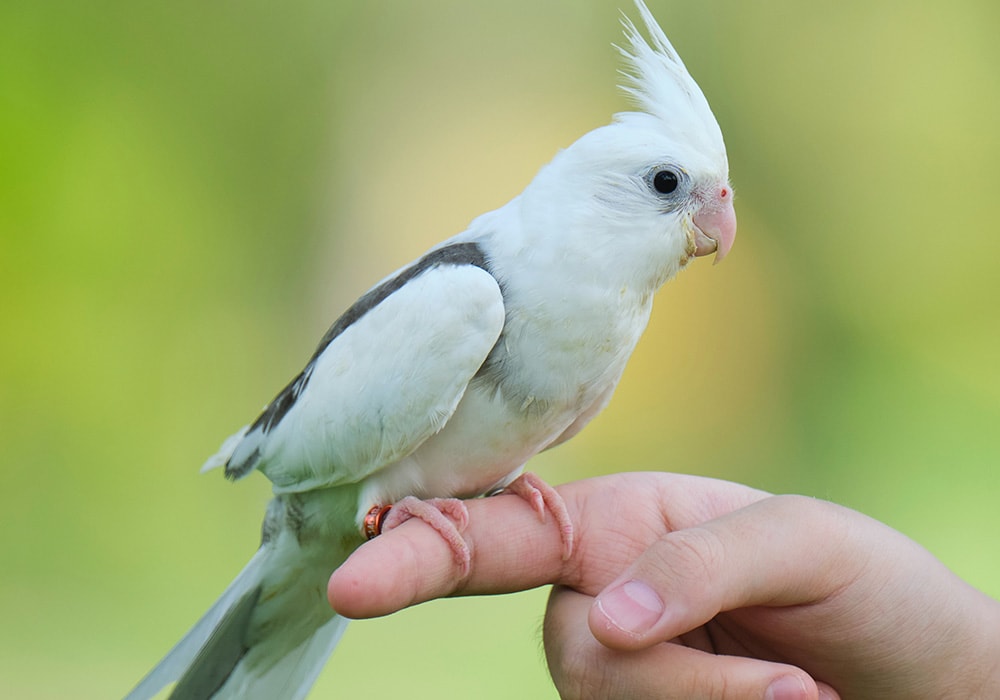
8. Play With Toys
When the ‘tiel will eat from your hand, you can start to take your hand out of the cage with the bird still eating. They may fly off to explore the room, but you have built a foundation which means that you will be able to attract them back to your hand with treats later. You should be encouraging your bird to come out of their cage every day, in this way, and as well as offering food, you can introduce toys and start to play games or train your cockatiel.
9. Positive Reinforcement
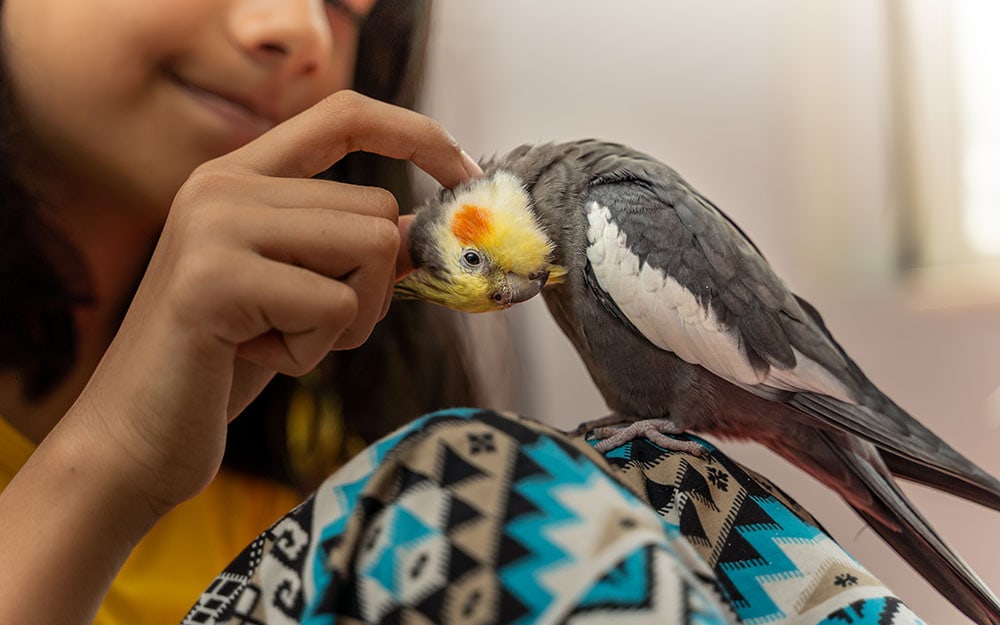
Whether you’re encouraging them to eat from your hand or training them to play with a new cockatiel toy, take things slowly and gradually. Don’t try rushing anything and don’t force the bird to do anything they aren’t comfortable with. If they have a harrowing experience, it will make it more difficult next time. You should not stroke your pet anywhere except on their face and on top of their head, as petting or stroking them elsewhere may inadvertently stimulate them.
10. Don’t Yell
Parrots do not necessarily associate loud noises as a negative response. Though a sudden loud sound may startle your cockatiel, if you constantly yell at them, they will simply take this as a positive. In nature, cockatiels are always vocalizing and calling out to their flock mates with sounds. Therefore, yelling at your cockatiel will not lead to positive results. Please note that, in most instances, a parrot can easily win a yelling match versus a human.
11. Take Breaks
Over time, you should let your cockatiel out of their cage for at least a couple of hours a day. They will spend this time exploring new sights and sounds, flying around the room, and also sitting on you and other family members. Initially, though, you don’t want to overwhelm the bird.
The first few times you allow them outside their cage for exercise and socialization, it’s best to place them on a bird stand and let them become acquainted with the environment around them. You can gradually increase the exposure they get by introducing them to other family members and other rooms around your house. This should prevent them from getting overwhelmed.
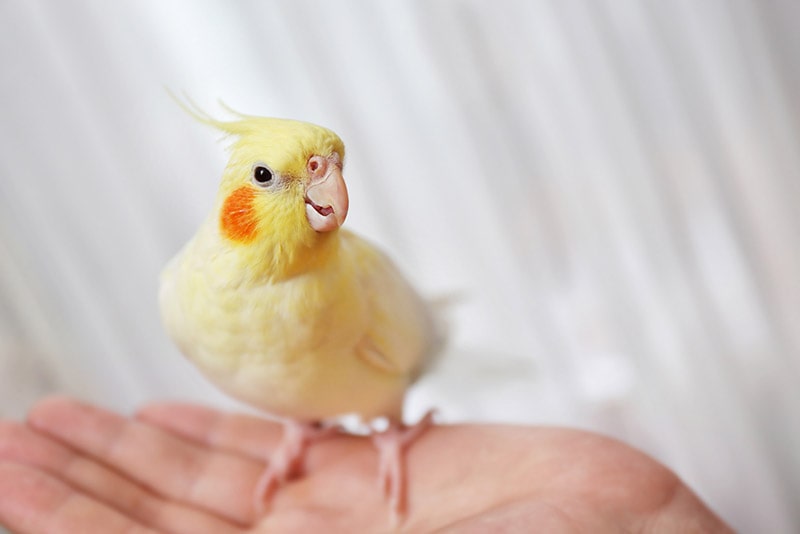
12. Spend Time With Your Cockatiel Every Day
The more time you spend with your cockatiel, and the more you interact with them, the more they will want to spend time with you. It is good for the bird’s development and stimulation, as well as ensuring that they become a part of the family. Make time every day to spend with your ‘tiel and give the bird time out of their cage every day, too.
13. Introduce Them to the Rest of the Family
You will want your cockatiel to get on with all members of the family. This will provide further stimulation and ensure your cockatiel is good with all people. Once they have gotten used to you, you can start to gradually introduce your ‘tiel to other members of the family. Start slowly and determine how well your pet takes to new people before introducing them to yet more people.

Final Thoughts
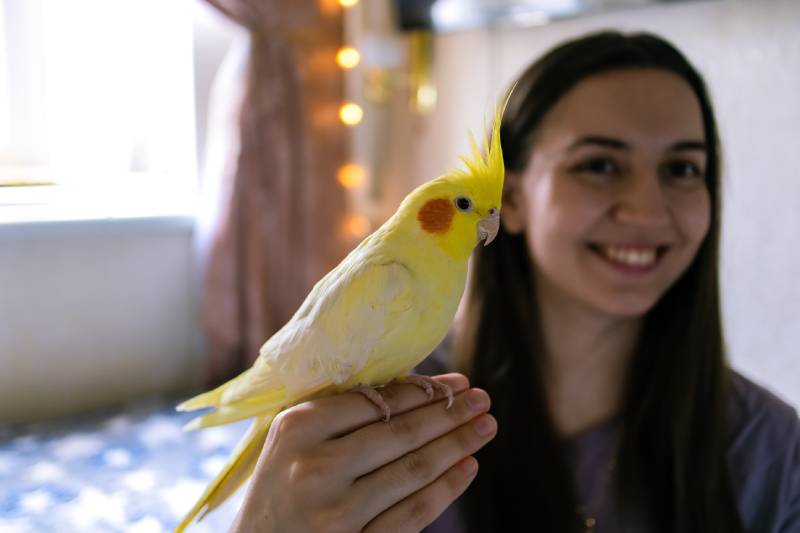
Some cockatiels will love the company of humans and will enjoy spending time with their owners almost straight away. Others can be a little more apprehensive about the whole situation. Start slowly and don’t try pushing things too far, too soon. Let the bird get used to their environment, your voice, and your presence before you start trying to handle them regularly. Once they're comfortable with you, you can also start trying to introduce them to new people so that your pet becomes one of the family.
See Also: How to Train a Cockatiel
Sources
Featured Image Credit: Patricia J Zito, Pixabay
Get Hepper In Your Inbox


Pet care tips from our vets and experts, straight to your inbox.
You may opt-out at any time. View our Privacy Policy for more information.
Nicole is a lover of animals of all sizes but is especially fascinated with the feline variety. She’s the proud mom of Baby, a Burmese, and works every day so he can relax in the sunshine or by the fire. She’s always had a cat in her home and has spent countless days with others, observing behaviors and softening up even the grouchiest of the lot. Nicole wants to share her kitty expertise with you so you and your cat can live happy, healthy, and care-free.
Join the conversation
Ask a question, share your story, or send private feedback.