Hepper is reader-supported. When you buy via links on our site, we may earn an affiliate commission at no cost to you. Learn more.
How to Train a Cockatiel: 13 Vet-Approved Tips


In this article
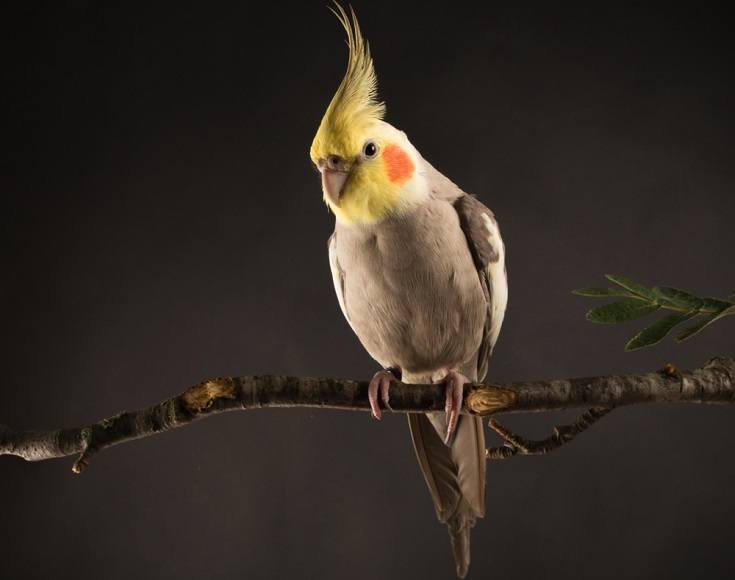
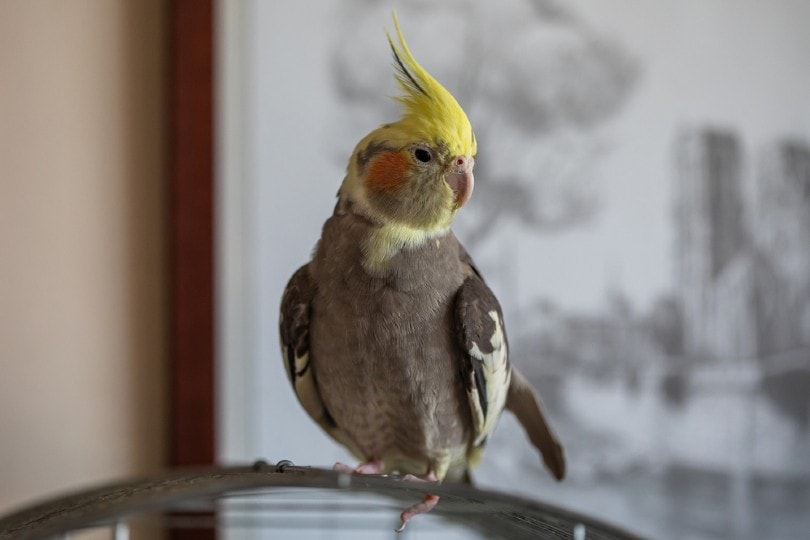
Cockatiels are an extremely intelligent species that can be taught to talk and perform many tricks. So, if you are wondering how you can get your cockatiel singing, dancing, and hamming it up like the birds you see on TikTok and YouTube, we can help.
Training your cockatiel requires time and patience, but it's more than worth the effort. Keep reading to find our tips on how to train your cockatiel.

Create a Bond
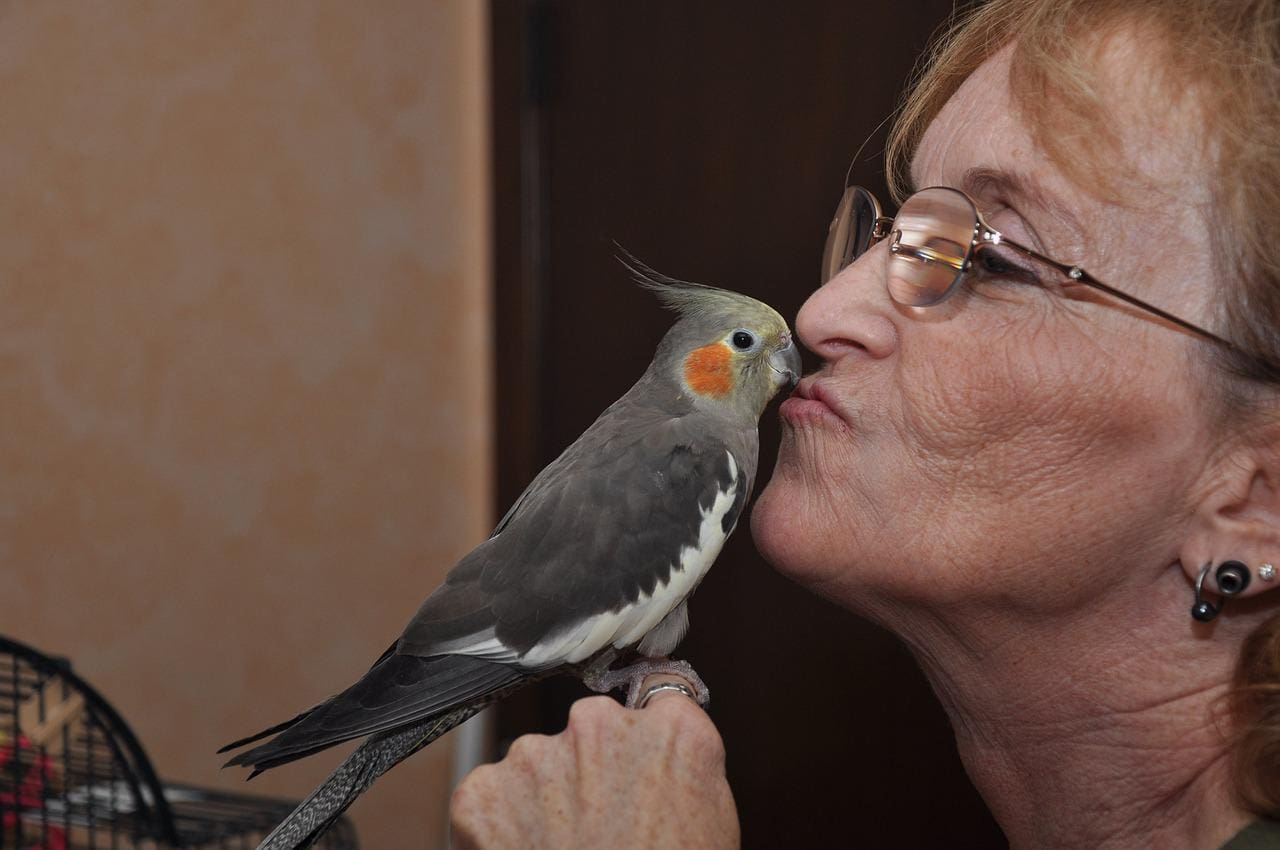
Positive human interaction is key for training cockatiels. You can't pick up your bird from the breeder and expect them to learn tricks on day one or even week one.
Before you begin training, you need to bond with your birds and get them accustomed to their new home and your presence.
1. Use an Appropriate Voice
You can create a beautiful friendship with your feathered friend in many ways. First, use a low and inviting voice when speaking with them to keep them calm and relaxed.
Loud noises and raised voices can be terrifying for birds.
2. Be Consistent With Socialization
Help your cockatiel warm up to you by socializing with them every day. If they're nervous when you approach the cage, take some time daily to talk to them while they're in their safe space. Desensitizing your bird to your presence is the best way to get them used to socializing with you.
Bring your bird out of their cage as often as possible, provided they're giving you the green light and aren't afraid of your presence. In time, you'll find that birds who enjoy your company anxiously await to be taken out of their cage every day to interact with you!
3. Approach the Cage Slowly
Use slow movements when approaching your bird to help promote feelings of safety. All birds can be skittish around humans because their instincts tell them they're potential predators. Until your cockatiel has a chance to become comfortable around you, always move slowly so you do not inadvertently startle them. Calm verbal communication as you move about the room is also recommended, as this helps the bird know exactly where you are.

4. Use Food as a Bribe
Food bribes are great for bonding and during any training session, too. Offering your cockatiel their favorite treat to make them eventually see you as a friend. You might even consider sharing your food to help your bird see you as part of their flock. Of course, you'll want to choose food that's safe for birds to eat. In the wild, bonded birds will regurgitate food for each other, so sharing your food with your cockatiel can help them realize you're not going to do any harm.
5. Let Your Pet Be Your Guide
Never force your cockatiel into training sessions. Instead, let their mood be the guide. If they're not feeling like coming out of the cage one day, don't force them to come out just for training's sake.
Hand Taming Your Cockatiel

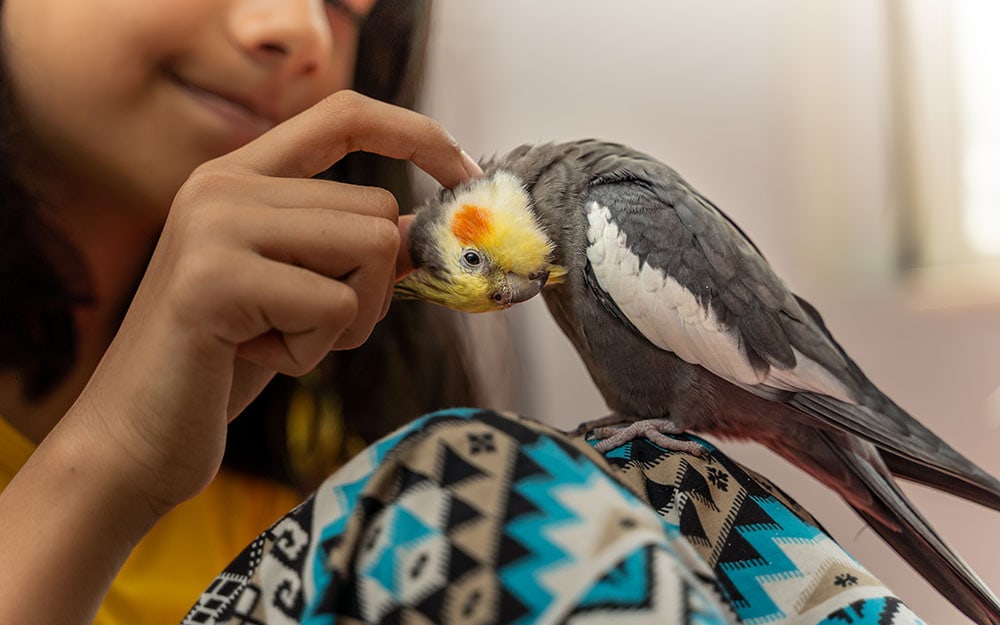
Hand taming is necessary before you can train your cockatiel to do anything else.
1. Start Slowly
One or two five-to-ten-minute sessions daily are a good place to start with your hand-taming sessions. However, too much too soon can cause stress for your cockatiel and won't help them create positive associations with your hands.
2. Use Food to Start
An easy way to get your cockatiel accustomed to your hand is by attempting hand feeding. Hand-feeding tasty treats will help them associate your hand with happy experiences. Use one of their favorite foods to make them less suspicious.
3. Put Your Hand in the Cage Without Food
Once your cockatiel is comfortable taking food from your hand, put your hand with one or two fingers extended inside the cage without any food. It may take a few tries before your cockatiel saunters over to your hand without the treat inventive, but it will happen eventually.
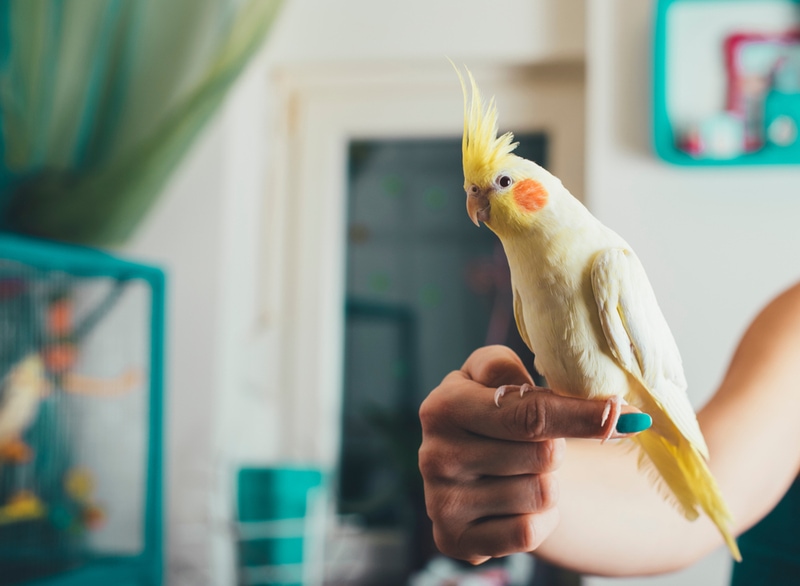
Once they're comfortable with your hand being in their cage, move your hand alongside their perch. Then, wiggle your fingers so they touch your bird's feet. The next step is to move your fingers slowly to their stomach area and gently push upwards while slowly saying "up" so they can hop onto your finger and use it as a perch.

4. Be Calm and Confident
There may come a point when your cockatiel tries to peck at your hand. If this happens, do not make a sudden movement or sound to move away. This can frighten your pet, who's just trying to check you out and get a feel for your intentions.
Remember, cockatiels use their beaks as a third hand, so they may reach out to you beak-first when inspecting you. Put some trust in your bird and be confident that they are not approaching you to bite.
5. Teach "Step Up"
Once your cockatiel is comfortable with your hand, you can verbally instruct it to step onto your finger using the simple "step up" command. Every time they begin to step onto your finger, say a phrase like "up", "come", or "step up" and give praise when they follow through.
Training Your Cockatiel to Do Tricks
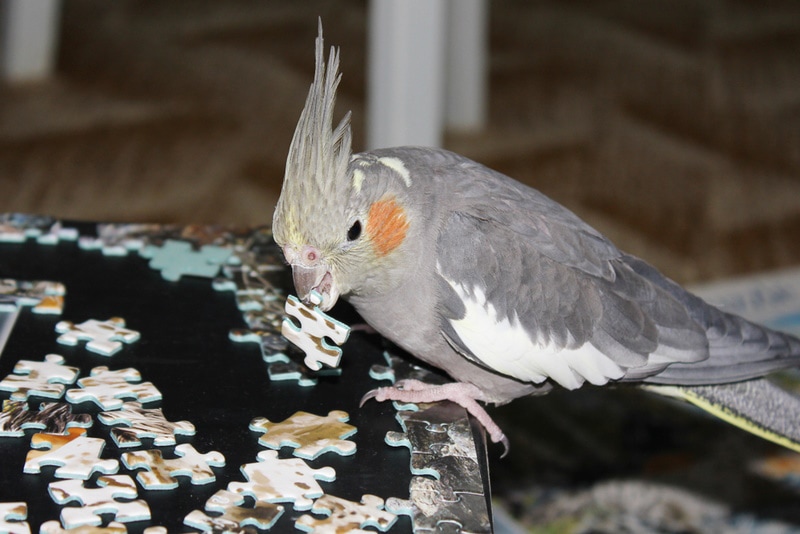
Cockatiels are highly intelligent birds capable of learning many tricks.
1. Repeating Words
Though cockatiels don't have the vast vocabulary as other companion birds, many owners can successfully teach theirs to talk.
The more time you spend talking to your bird, the more likely they will be to conversate with you. The best way to teach your cockatiel to talk is to label everything you do when you're with them. Imagine your bird is a young child and you're trying to explain everything to the child to keep their attention on you.
For example, when offering a piece of fruit, say, "Want a strawberry?" While taking your bird out of its cage, say, "Want to come out?"
Repetition will help your cockatiel eventually understand that the word you're saying relates to the item you're offering or the action you're performing.

2. Walking on a Tightrope
Tightrope walking is a popular trick many cockatiel owners want their birds to learn. Thankfully, it's pretty simple for them to grasp as they're already very accustomed to climbing on branches in the wild and the perches in their cage.
Create a sturdy tightrope by hanging a durable rope between two supports. Encourage your cockatiel to move along it by providing treats for its progress. Encourage your cockatiel to move along it by providing treats and praise for their progress. Once they're used to walking along the tightrope with treats offered periodically through the journey, put your bird on one side of the rope and hold the treat on the other. Say your command and watch as your bird traverses the rope to get to their reward.
3. Singing Songs
The easiest way to get your cockatiel to sing a tune is to whistle one yourself. Again, repetition is key here. Start with an easy song and repeatedly whistle the first few bars during the time of day when your bird is most active.
Alternatively, you can find countless bird whistle training YouTube videos you can play for your cockatiel, so they can learn on their own.
Additional Tips
Here are some additional tips that may help you when it comes to training your cockatiel.
Additional Training Tips and Tricks
Final Thoughts
Training your cockatiel starts with creating a strong bond with it. Once the two of you have a relationship with one another, you can begin teaching it to do other things. As with training any other animal, patience is key. Let your cockatiels' comfort guide your training sessions, and always remember to provide lots of yummy treats and praise for a job well done.
Featured Image Credit: Birute Vijeikiene, Shutterstock
Get Hepper In Your Inbox


Pet care tips from our vets and experts, straight to your inbox.
You may opt-out at any time. View our Privacy Policy for more information.
Nicole is a lover of animals of all sizes but is especially fascinated with the feline variety. She’s the proud mom of Baby, a Burmese, and works every day so he can relax in the sunshine or by the fire. She’s always had a cat in her home and has spent countless days with others, observing behaviors and softening up even the grouchiest of the lot. Nicole wants to share her kitty expertise with you so you and your cat can live happy, healthy, and care-free.
Join the conversation
Ask a question, share your story, or send private feedback.