Hepper is reader-supported. When you buy via links on our site, we may earn an affiliate commission at no cost to you. Learn more.
How Long to Let Fish Acclimate to a New Tank: Our Vet Explains

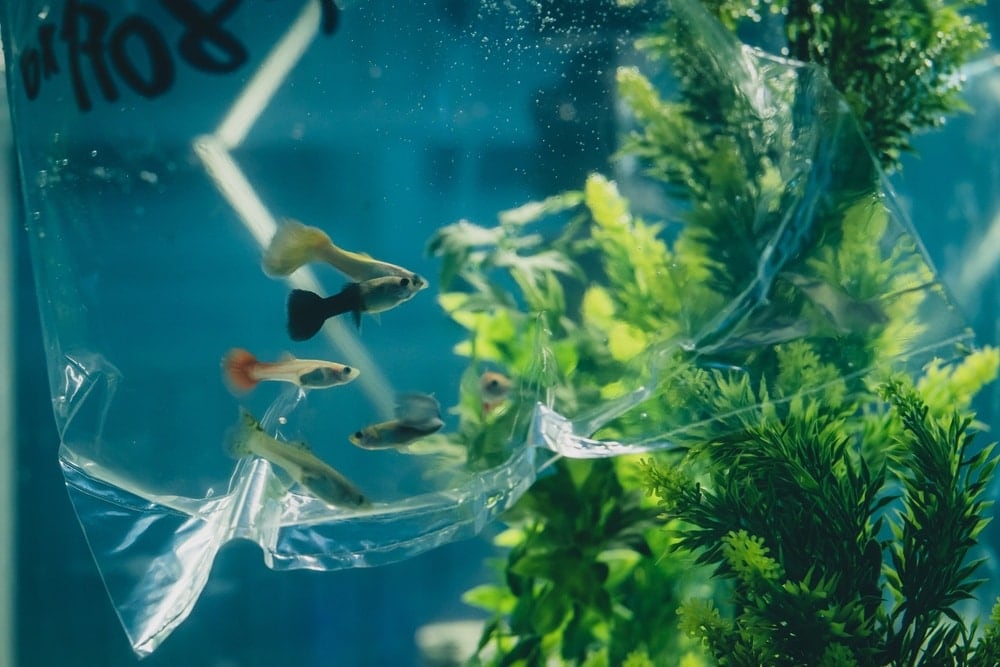
Bringing home a new fish can be extremely exciting, whether it’s your first fish in a new tank or a new addition to an existing tank. It can also be a difficult time for the fish, though. Bringing home a fish can be stressful for them, and the potential for a sudden change between the water they’re used to and the water in their new home causing shock is high, especially if they are not acclimated properly. To ensure the health and safety of your new fish, follow these steps.

Before Adding a Fish to an Existing Tank
If you’re bringing home a new fish to introduce to a tank that already has other creatures in it, then you need to quarantine the new fish in its own small tank first. The quarantine can last 4–8 weeks or more, but it is a necessary step when introducing a new fish.
New fish can bring a variety of parasites and illnesses into the tank with them. A quarantine period allows you to monitor the new fish for signs of illness, as well as treats them preemptively for any potential problems. This will reduce the risk of illnesses being transmitted to your current fish or tank.
How to Acclimate Fish to a New Tank
Whether you’re moving a fish from quarantine to your existing tank or adding your first fish to a new tank, you need to take steps to carefully acclimate the fish to their new environment.
1. Float the Bag
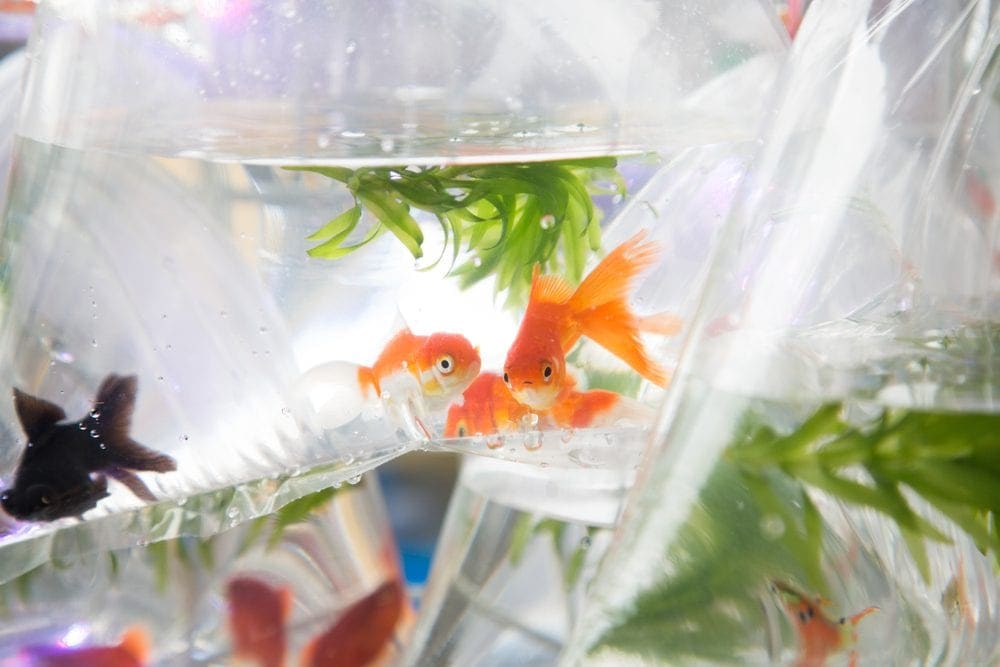
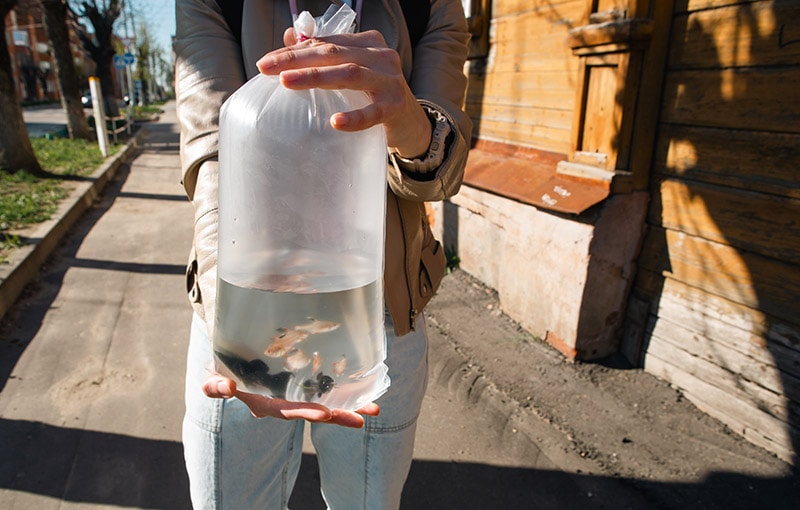
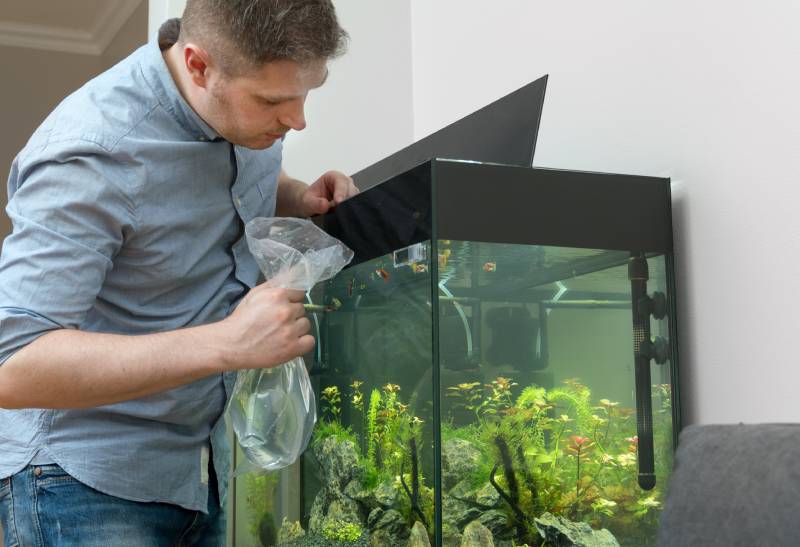
Begin by floating your fish’s bag in their new home while it is still sealed for a period of at least 20 minutes. If your fish isn’t a bag, you should place them in one and carefully close it.
Ensure that the current in the aquarium isn’t too strong as to thrash the bag around. It is also a good idea to turn the aquarium’s light off for this process, as a bright light very close to the bag may cause the water inside the bag to quickly heat up, which can be stressful for your fish.
Keep a close eye on your fish to gauge for any signs of stress. These include a sudden change in your fish’s color, a lack of curiosity, or your fish appearing to breathe heavily. If they do so, remove the bag from the aquarium and see how they behave after about 5 minutes. Check the aquarium’s water using your test kit to ensure that it is appropriate for your fish.
2. Add Aquarium Water
After 20 minutes have elapsed, gently open your fish’s bag and add a little bit of aquarium water into the bag. While doing so, do not allow the water from your fish’s bag to spill into the tank. The amount of water you add from the aquarium should be only about 10% of what’s in your fish’s bag. Re-tie the bag and allow your fish to float again for a period of about 5-10 more minutes.
3. Add More Water
After 10 minutes of floating with some aquarium water in their bag, repeat the process by adding even more aquarium water into the bag. The amount of water you’ve added from the aquarium into the bag should now be around 20-25% of the water in your fish’s bag. Float your fish for another 5-10 minutes.
4. Repetition
Every 5-10 minutes, repeat step 3 by carefully adding more aquarium water into the bag and monitoring your fish as you continue to float them.
Do this until you are confident that over half the bag in your fish’s bag is from the aquarium, and they seem to be adjusting to the water without any signs of stress.
5. Scoop Out
After about 45-60 minutes (longer in some cases), your fish should be ready to make the transition to their tank. To do so, carefully open their bag, and use the net to gently scoop out your fish.
With your fish secured in your net, gently lower the net into the aquarium to let your fish swim free into their new home. It is very important to not invert the net to “toss” your fish into the tank but rather be gentle with the process. Once submerged, the net can slowly be maneuvered to release your fish into their home. Be especially careful when transferring fish with sharp spines this way, as their spines can get caught in a net. A delicate cloth-based net is recommended for such fish.
It is also very important to NOT introduce water from the bag into the aquarium. This is done in case there’s something in the water which is harmful for your aquarium. You do not want these harmful agents in your aquarium.
6. Observe Your Fish
With your fish in their new aquarium, ensure you place the lid back onto the aquarium. Allow your fish some time to explore their new home. It is advised to not feed them for the first day, they are usually too curious to explore their new surroundings and often don’t show interest in food for a day or so. Uneaten food may spoil and cause an unwanted ammonia spike in your aquarium.
If your fish is in a bag from shipping or the fish store, float the bag in the container you’ll be adding them to for 10–20 minutes to allow the water temperatures to become similar. If there is enough water in the bag with your fish, you can simply add them with their water to the empty holding container. The water depth needs to be enough to keep them safe and help reduce stress. After this, add your fish to the holding container. Add a cup of water from the new tank to the holding container and wait at least 10 minutes.
Depending on how much water is in your holding container, you may need to repeat the step of adding water from the new aquarium a couple of times. If you kept the water level relatively low, then your fish can be added to the tank at this time.

Can I Speed Up The Process?
As a rule of thumb, the risk of rushing the acclimation process is not a worthwhile experiment. The acclimation process may seem very long, especially the first time you do it. Many first-time pet owners are curious about shortcuts to speed up the process. With a few extra steps, you may be able to speed the process up slightly.
The extra steps are water parameter checks that compare your aquarium water to the water inside your fish’s bag. The key parameters you should check are the following:
- pH
- Temperature (very important)
- Water hardness (dH)
- Salinity
The more similar these values are from both sources, the shorter the acclimation period would be for your fish (as they would be used to “such waters”). Many of these parameters require individual purchases of an appropriate testing kit.
Caution: All these tests should not be done in water that contains live fish; collect some water and test it without any life form inside. Be especially careful when testing for salinity, as the salinity meter runs an electrical current through the water.
If the parameters are exceptionally close, you would likely only need to acclimate your fish for a period of about 25-30 minutes. However, if one or more of them are different, you should not rush the acclimation process.
Conclusion
Most fish can be acclimated to a new environment over a period of about an hour. Sensitive fish might require more time. Though the process may seem cumbersome, it is important that you not rush it. This is a slow process that ensures the safety and well-being of your fish.
Related Reads:
Sources
Featured Image Credit: Anze Furlan, Shutterstock
Get Hepper In Your Inbox


Pet care tips from our vets and experts, straight to your inbox.
You may opt-out at any time. View our Privacy Policy for more information.
Dr. Luqman grew up with an extreme fondness for animals and turned a childhood dream into reality by becoming a veterinarian. His goals are now focused on helping pet owners understand their pets better in order to ensure the best quality of life for all pets globally. He is passionate about wildlife, exotic pets, pet owner education, and animal welfare. Luqman has 3 years of professional experience working with a variety of animal species. He has skills in demonstrating proper animal husbandry and training some exotic species, such as parrots. Additionally, he has decades of personal experience with keeping many exotic pets: freshwater fish, parrots, songbirds, chickens, ducks, turtles, and hamsters.
Dr. Luqman grew up with an extreme fondness for animals and turned a childhood dream into reality by becoming a veterinarian. His goals are now focused on helping pet owners understand their pets better in order to ensure the best quality of life for pets all around the world. His passions are wildlife, exotic pets, pet owner education, and animal welfare.
Education
Luqman received his degree from Universiti Putra Malaysia.
Experience
Luqman has 3 years of professional experience working with a variety of animal species. He has skills in demonstrating proper animal husbandry and training some exotic species, such as parrots. Additionally, he has decades of personal experience with keeping many exotic pets: freshwater fish, parrots, songbirds, chickens, ducks, turtles, and hamsters.
Join the conversation
Ask a question, share your story, or send private feedback.