Hepper is reader-supported. When you buy via links on our site, we may earn an affiliate commission at no cost to you. Learn more.
How to Quarantine New Fish Properly: 4 Steps (Vet Answer)

In this article
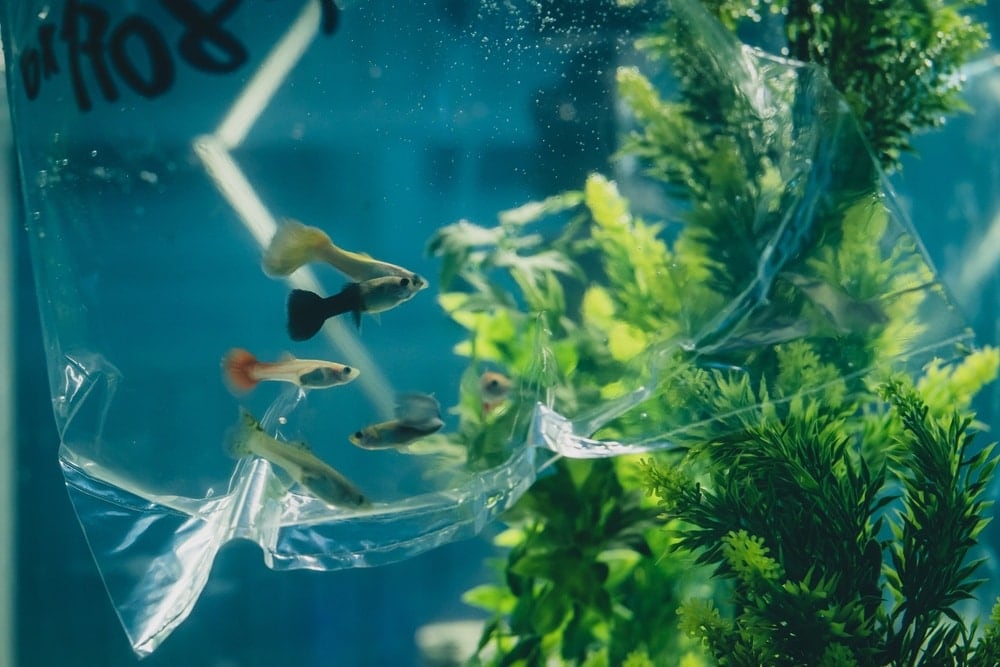
An important concept of fish keeping is quarantining any new fish or live plants you purchase before introducing them to an established, healthy community aquarium. Unfortunately, this is an often overlooked aspect of fish care as well. Ignoring this process is extremely risky and not advised.
In this article, we’ll explain why it is important to quarantine your new fish or plants, what you’ll need to quarantine them, and a step-by-step guide on the entire process.

Why You Should Quarantine New Fish
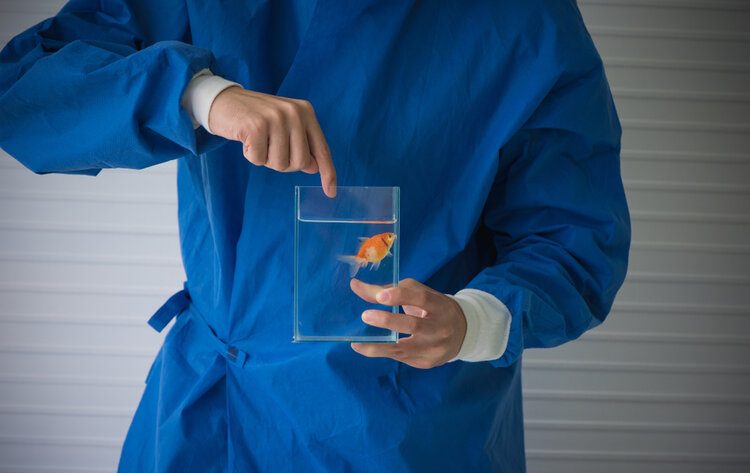
Quarantine is a period of isolation that is typically used to prevent the spread of disease. It is usually done for the longest possible incubation period of most diseases. The incubation period is when a fish you adopt may be carrying a contagious disease but not showing any signs of the disease.
As a fish keeper, you wouldn’t want new diseases introduced to your community tank. Diseases can spread rapidly in the correct conditions and can be very difficult to eradicate in some cases. Worse yet, they may sometimes cause permanent damage to your beloved pets.
Quarantine isn’t just meant to protect your community fish. It’s also useful for the new fish you’ve adopted. Fish should be quarantined because being moved is often quite stressful, and fish placed in a community tank out of the blue might face increased levels of stress, which can make them immunologically weaker and more susceptible to diseases. However, when placed in quarantine, they might be able to better adapt to their new home.
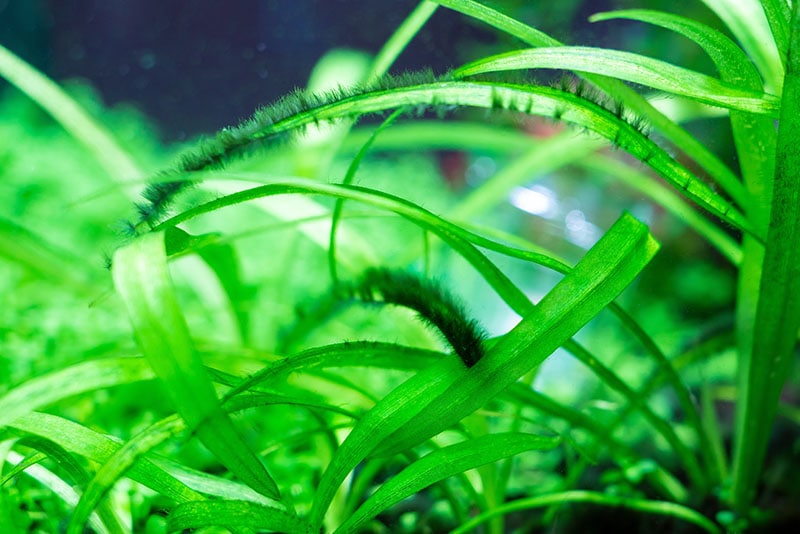
The reason for placing plants in quarantine is similar. Plants rarely introduce diseases that are harmful to your fish into an aquarium. However, they are often accompanied by unwanted hitchhikers (such as snails) or algae, which can spread in your community tank and cause issues.

What You Need for Quarantine
Here’s a breakdown of what you’ll need to quarantine your new fish.
Quarantine Tank
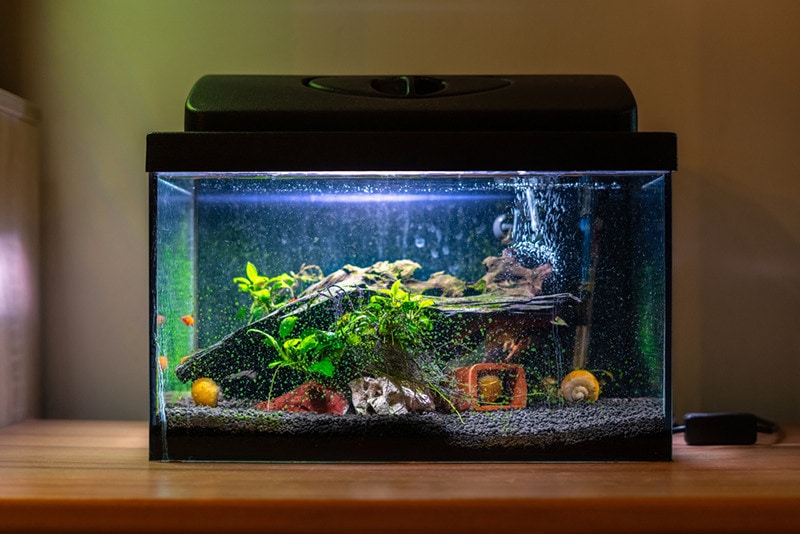
You’ll need a quarantine tank. This tank should be appropriately sized for your new fish. In addition, it should have filtration and be completely cycled before you add any fish to it.
This tank will need its own supplies, which you shouldn’t share with your other community aquariums. This includes its own fish nets, gravel vacuum, cleaning supplies, buckets, and anything else you need for your fish.
If you’re bringing multiple fish home at once, you might be wondering if they can be placed in the same tank. Here’s a good breakdown of certain scenarios you might find yourself in:
- If the fish were purchased from the same store and are compatible tank mates, they can be quarantined in the same tank, provided the tank is big enough to accommodate them.
- If the fish are schooling fish, they should be quarantined together (if purchased from the same store, breeder, or supplier).
Spare Hospital Tanks (Recommended)
Having a spare hospital tank for your quarantined fish is a fantastic idea. If you notice an individual appearing especially unwell or lethargic, you might want to isolate them in their own hospital tank and treat them for a specific ailment.
Prophylactic Medicines
A prophylactic medicine is any medicine used to prevent a disease from occurring. When placing fish in quarantine, it’s NOT a good idea to add prophylactic medicines to their aquarium to treat them for certain conditions or ailments. However, it's good to have these on hand to treat ailments that present themselves during the quarantine process.
A good example of prophylactic medicines you can consider for your quarantine fish are as follows:
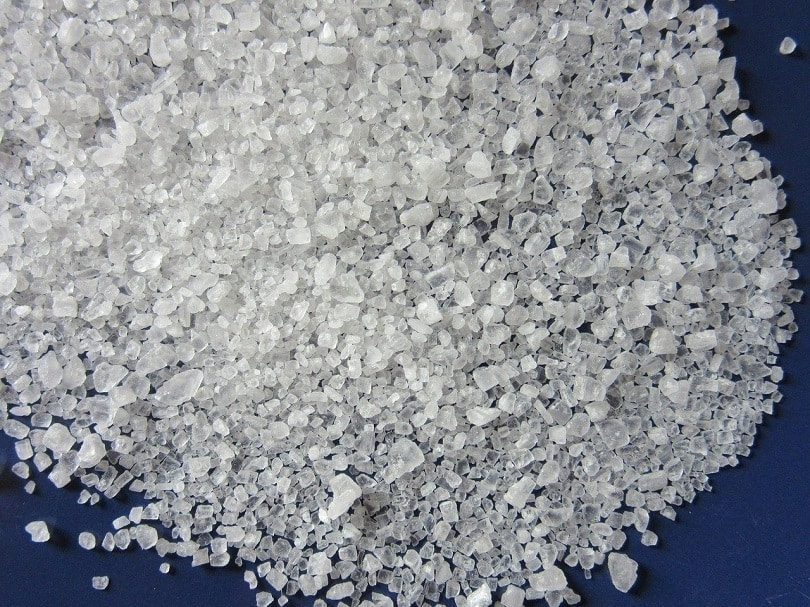
- Aquarium salt
- Stress medication (often incorporated into water conditioners)
- A broad-spectrum antibiotic (prescribed by your veterinarian)
- Over-the-counter medications that are meant to treat a wide range of fungal or parasitic infections (such as Hikari PraziPro, Seachem ParaGuard, and Seachem Kanaplex)
For plants, bleach can be purchased and used in a dilution for a quick dip (which we will explain later).
Water Test Kit
As always, you’ll need a water test kit in order to ensure that the water in your quarantine aquarium is appropriate for your fish.

The 4 Steps to Quarantine New Fish:
1. Tank Setup
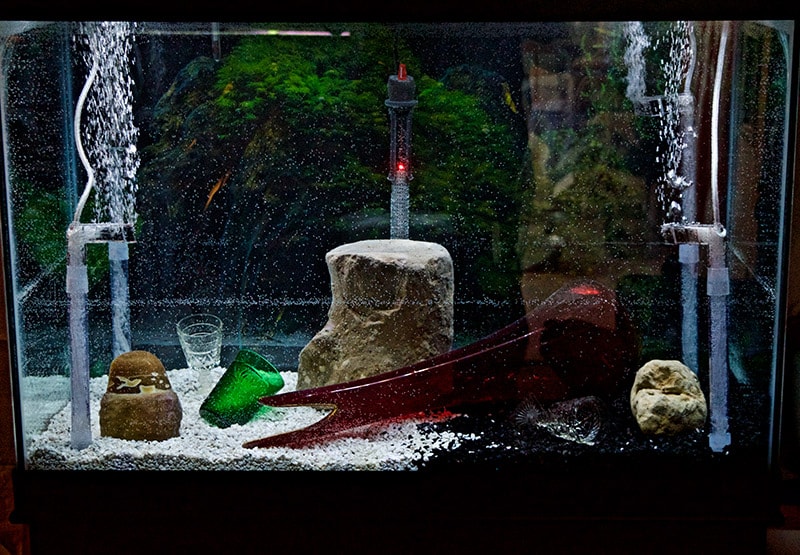
Ensure your tank is fully up and running before adding any new fish. Your filtration should be functioning properly, and the water should be well-aerated. The aquarium should be cycled before you bring your fish home; this process takes up to 4–6 weeks.
2. Introduce Fish or Plants
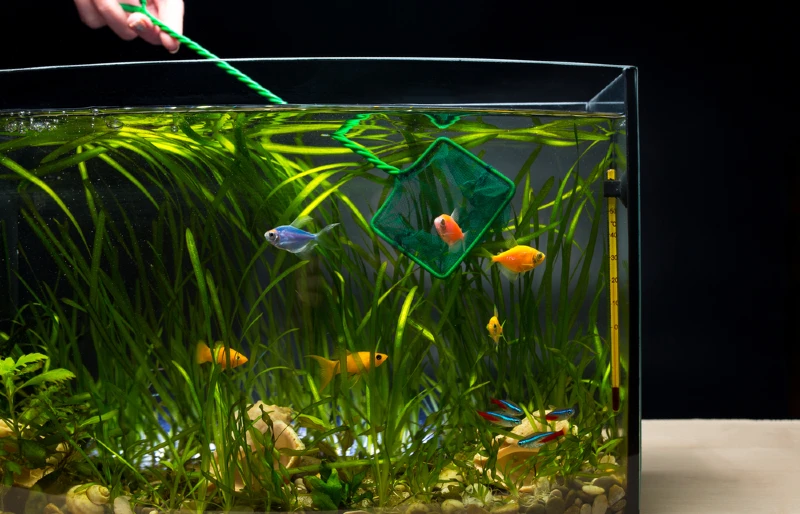
When you first purchase your fish or live plants, add them to the quarantine tank when you bring them home. Fish should be gently acclimated for an average of 30–60 minutes before being added into the aquarium.
Plants can either be added directly to an aquarium or given a bleach bath before being added in (to rid them of most snails and some algae). A diluted bleach solution (1 part bleach to 20 parts water) should be used for such a dip.
Please keep in mind that this dipping method will focus on ridding your plants of potential hitchhikers and prominent algae, but algae can still show up in your aquarium due to other factors. You should not dip the plants for an excessive length of time. Consider the following guidelines:
- Thinly leaved/delicate plants and plants with sensitive stems: 90 seconds (1 min 30 seconds)
- Most other plants: 120 seconds (2 minutes)
- Exceptionally hardy plants (Anubias species, Java ferns): 150 seconds (2 mins 30 seconds)
You should have a separate bucket with dechlorinated water ready before you dip your plants. Be sure the plants are thoroughly rinsed and soaked in the dechlorinating solution before adding them to your aquarium.
Important: Children should not be allowed to use bleach, even with supervision. Bleach is very corrosive and a respiratory irritant. Always wash your hands before and after handling bleach, and only handle it with proper protective attire (such as disposable gloves) in a well-ventilated area.
3. Monitor Your Fish For 4–6 Weeks
After the broad spectrum treatments of your fish, the next few weeks are spent observing your fish for any signs of illness or disease and treating them accordingly. During this time, you should perform weekly partial water changes. These water changes might have to be increased in frequency if fish are being medicated for any ailment.
It’s best to tend to your quarantine aquarium after you tend to your other community tanks. This reduces the risk of cross-contamination from the quarantine tank to your community tank. Always wash and dry your hands before and after tending to your quarantine aquarium.
4. Move Your New Fish
After the quarantine period of 4–6 weeks has elapsed without any signs of disease, your fish are ready to move into their new home! The quarantine process should last 4 weeks at least, but it can easily last 6 weeks or longer. Don’t rush the process. You want to make the quarantine period as safe as possible for your new fish and you want to quarantine properly for the safety of your current fish.
Important: If you notice any disease or ailment in your fish during the quarantine period, then you should treat them promptly (following your veterinarian’s guidance and instructions) and reset the quarantine “timer.” Fish should be disease and problem-free for at least 4 weeks before being added to your community aquariums.

What if I Already Introduced New Fish Without Quarantining?
If you’ve already introduced new fish to your tank without quarantining them, you should go for the next best solution. This solution is to do nothing, especially if the new fish have already been in the tank for a few weeks.
Your best bet now is to roll with the risk and hope the fish you added to your aquarium are disease-free. The option to use prophylactic medicine for the entire aquarium in this scenario is done on a case-by-case basis and is something you should discuss with your aquatic veterinarian. The use of prophylactic medication in the absence of diagnostic testing is strongly discouraged as it may contribute to resistant bacterial infection and other complications.
You can choose to closely monitor the tank and watch for any signs of illness in your new or old fish. This means you’re watching for signs which include the following:
- Fin clamping
- Unexplained rapid darting around the aquarium (also known as flashing)
- Attempting to jump from the tank after excessive darting
- Glass surfing
- Difficulty breathing or rapid breathing
- Breathing at the water surface (also known as piping)
- Sores
- Lethargy
- White dots or bumps on the fins
- Rubbing against the ornaments, gravel, filter intake, air stones, or plants in the aquarium
- Raised, missing, or broken scales
- Color changes
- Jagged or torn fins
- Inappetence or difficulty eating
In the event of a disease in your community aquarium, you must treat your fish for the specific disease. For example, Ich will not respond to an antifungal medicine, as it is a parasite. Likewise, fungal fin rot will not respond to an antibiotic.
If you're terrified of passing on any bugs your new fish may have to your entire aquarium, or just want to be sure you do the quarantine process right, we recommend you read our best-selling book The Truth About Goldfish before you put them in.
It has detailed instructions on a seamless quarantining process and so much more. Your fish will thank you!
If you’re still unsure as to what disease has set in your tank, it’s best to consult your veterinarian. Be mindful that, at times, multiple outbreaks may occur simultaneously.
Conclusion
It is indeed a very exciting prospect to bring him new fish and add them to a community setup. However, you shouldn’t rush this process. Quarantining new fish is an absolutely crucial step and a cornerstone of responsible fish keeping and ownership. Your fish will thank you for this decision, and their health will also offer you years of companionship and spare you the heartache of an unfortunate outbreak in their aquarium.
Sources
Featured Image Credit: dien, Shutterstock
Get Hepper In Your Inbox


Pet care tips from our vets and experts, straight to your inbox.
You may opt-out at any time. View our Privacy Policy for more information.
Dr. Luqman grew up with an extreme fondness for animals and turned a childhood dream into reality by becoming a veterinarian. His goals are now focused on helping pet owners understand their pets better in order to ensure the best quality of life for all pets globally. He is passionate about wildlife, exotic pets, pet owner education, and animal welfare. Luqman has 3 years of professional experience working with a variety of animal species. He has skills in demonstrating proper animal husbandry and training some exotic species, such as parrots. Additionally, he has decades of personal experience with keeping many exotic pets: freshwater fish, parrots, songbirds, chickens, ducks, turtles, and hamsters.
Dr. Luqman grew up with an extreme fondness for animals and turned a childhood dream into reality by becoming a veterinarian. His goals are now focused on helping pet owners understand their pets better in order to ensure the best quality of life for pets all around the world. His passions are wildlife, exotic pets, pet owner education, and animal welfare.
Education
Luqman received his degree from Universiti Putra Malaysia.
Experience
Luqman has 3 years of professional experience working with a variety of animal species. He has skills in demonstrating proper animal husbandry and training some exotic species, such as parrots. Additionally, he has decades of personal experience with keeping many exotic pets: freshwater fish, parrots, songbirds, chickens, ducks, turtles, and hamsters.
Join the conversation
Ask a question, share your story, or send private feedback.