Hepper is reader-supported. When you buy via links on our site, we may earn an affiliate commission at no cost to you. Learn more.
How to Become a Dog Trainer: 7 Steps to Success

If you love dogs but hate your current career, then perhaps a job involving those lovable canines is up your alley. There are many ways to be involved with dogs in your professional career, but being a dog trainer allows you to help many people and dogs while constantly improving your own understanding of these animals.
A career training dogs may sound like a dream job to many, but it’s more accessible than you might think. In fact, anyone can get started in a successful career as a dog trainer if they follow a few simple steps. To help you get started, we’ve taken the liberty of outlining the specific steps you’ll need to take in order to become a professional dog trainer. Follow these steps, and your dream career is much closer than you imagine.

The 7 Steps to Dog Training Success
These seven steps are placed in the order that you should follow them if you're becoming a dog trainer. They’ll start easily with your own dog and graduate up in difficulty and time investment from there. Depending on how dedicated you are, you could complete most of these steps and get your career started in just a few weeks, or you can slowly work your way through and have a career in dog training in several months to a year or more.
Remember, it’s not a race. What’s most important is that you truly understand canines, their behaviors, and how to deal with different dogs of varying temperaments.
1. Training Time With Your Canine
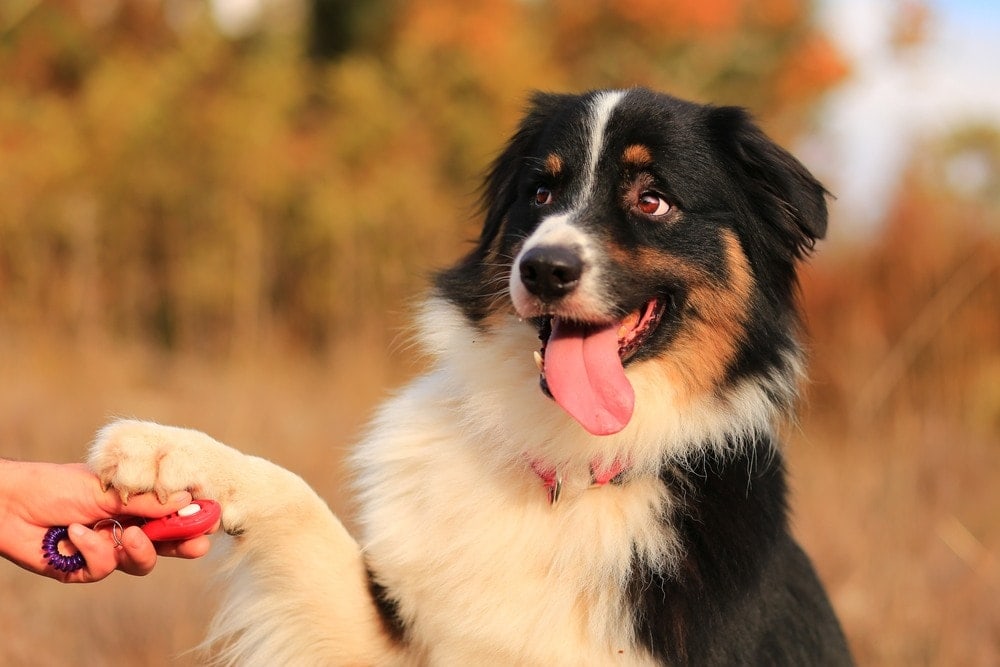
The first step is to spend time training your own dog. If you want to train canines professionally, then you’re going to need experience training them on your own. Naturally, the best place to start is with your own dog.
If you don’t own a dog, then now is a great time to get one so you can start to learn the ins and outs of dog ownership. But if that’s not in the cards, then you’ll need to find a dog that you can spend a lot of time with and train for practice.
At this stage, you’re just trying to learn all the basics and even some advanced techniques. Start with the basic commands like sit, stay, and lay down. From there, you need to graduate to more advanced skills, such as getting your dog to perform commands when there are other distractions present. You can also practice distance skills, like having your dog sit and stay while you walk away from them.
Another great choice with your dog is to start a dog sport. Training your dog for a sport will begin to help you understand some of the more advanced concepts of dog training. You’ll start to master timing, rewards, placement, and even rate of reinforcement.

2. Practice With Other Pooches
Of course, training your own dog is just a start. Once you’ve got a good feel for training your dog, you’ll want to move on to training other peoples’ dogs. After all, that’s what you’ll be hired to do.
To begin with, you’ll want to find friends and family with dogs that could use some additional training. It’s possible you’ll find some dogs that are completely green and you’ll have to train them from the ground up.
Keep in mind, when you start training dogs professionally, you won’t just be getting healthy and happy pups. Many people will be coming to you with unruly dogs that they have a hard time controlling. As such, you shouldn’t shy away from dogs that seem more difficult to train at this stage. They can help to give you the type of real-world experience that will translate to better training down the road.
Remember, dogs are all different, just like people. What works with one dog in a particular situation might not apply to other canines and different situations. As a trainer, it’s your job to know many different methods that you can employ in a variety of situations so that you can work with any dog.

3. Start Training People Instead of Pups
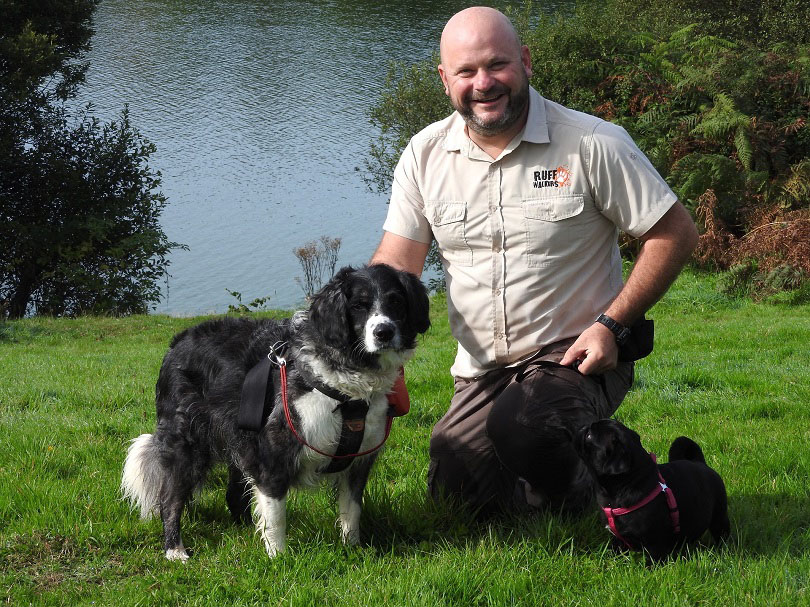
Though it’s called dog training, most often, you’ll be actually training the owners more than the canines. This is because many undesirable behaviors that dogs exhibit are being taught to them by well-meaning owners who don’t know any better. As a trainer, your job is just as much to help the owners learn how to handle their dogs as teaching the dogs to obey and listen.
At this point, you’re not quite ready to charge for your services. But you’ve already been training the dogs that belong to your friends and family. Now is the time to start training your friends and family as well. Teach them how to better interact with their dogs and watch how their bonds grow.
4. Continue Your Education
Your education is never over. If you want to be the best trainer you can be, then you’ll be on a lifelong mission to continue improving your skills and understanding of dog training and the different ways that dogs can be trained.
Today, the best training methods are based on the science of animal learning and behavior, so you’ll need to study these subjects and become a fountain of knowledge regarding the related concepts. But you don’t have to do this on your own. There are quite a few different training schools that you can learn from.
Luckily, in today’s connected world, you don’t even have to go to a training center to further your education. You can enroll in an entirely online academy and continue to advance your education from the comfort of your home. Best of all, you can take what you’re learning and apply it to your dog and the dogs of your friends and family for some real-world application.

5. Get a Professional Organization Behind You
At this point, you’re about ready to start training dogs professionally. But right now, you’re just a random person with some skills related to dog training. If you want to appear as a professional, then it’s a good idea to get the backing of a professional organization.
This might sound complicated, but it’s actually quite easy and can pose some serious benefits to your budding business. Organizations like The Association of Professional Dog Trainers are a great place to start. A membership here can do a lot for you, such as helping you to continue your education with their many learning resources. More importantly, you’ll be added to their trainer database, which can make it much easier to start filling up your client roster.

6. Certifications Comfort Clients
In truth, no certifications are required to sell your services as a dog trainer. But you’ve already come this far, why not take the next step and give yourself an even more professional appearance? While clients may not know any of the certifying bodies for dog trainers, seeing that you have a certification can put them at ease and instill confidence that you know what you’re doing.
One such resource is the Certification Council for Professional Dog Trainers. Maintaining their certification will keep you up to date on the latest dog training science and can make potential customers feel more confident in your services. To get this certification, you’ll have to prove a minimum of 300 hours of dog training experience within the last three years. You’ll also need signed statements from a vet, and you’ll have to agree to their code of ethics. Finally, you’ll need a passing score on their exam.
While this all sounds like a substantial amount of work, the benefits it can pose for your business could far outweigh the upfront investment of time.
7. Build Up Your Client Base
By the time you reach this step, you’re a professional dog trainer. But you might not have many clients. Hopefully, you’ve taken the initiative to join dog training organizations and certify yourself. These can help you to get clients, but if you want a full roster of paying customers, you’ll need to work diligently to build up your client base. This is something that takes time and dedication, but with the right attitude and a little perseverance, you can build a steady base of clients that will keep you working as much as you’d like.

Final Thoughts
For many dog lovers, a career training dogs seems like a long shot that’s unattainable. But the truth is, it’s not a difficult career to break into. If you're wondering how to become a dog trainer, you’ll need some experience training dogs and plenty of information, but you can gather that without major monetary investment. All you need is the strong desire to become a professional dog trainer and the willpower to see it through. Then, follow the seven simple steps we’ve outlined and your career as a dog trainer is much closer than you might think.
Featured image credit: 825545, Pixabay
Get Hepper In Your Inbox


Pet care tips from our vets and experts, straight to your inbox.
You may opt-out at any time. View our Privacy Policy for more information.

Nicole is a lover of animals of all sizes but is especially fascinated with the feline variety. She’s the proud mom of Baby, a Burmese, and works every day so he can relax in the sunshine or by the fire. She’s always had a cat in her home and has spent countless days with others, observing behaviors and softening up even the grouchiest of the lot. Nicole wants to share her kitty expertise with you so you and your cat can live happy, healthy, and care-free.
Join the conversation
Ask a question, share your story, or send private feedback.