Hepper is reader-supported. When you buy via links on our site, we may earn an affiliate commission at no cost to you. Learn more.
How to Breed Parakeets: Vet Approved Step-By-Step Guide


In this article
Parakeet is a term restricted to small parrots with long graduated tails. There are about 110 species of parakeet within the psittacidae sub-family, and they are mostly Pacific and Asian in distribution. For the purpose of this article, we will be talking about the Rose-ringed parakeet (Psittacula krameri).
Rose-ringed parakeets are fantastic companion birds and the most popular type of pet bird worldwide. They're typically easier to care for than many other members of the Psittaciformes order, which is part of what makes them such a favored species.
If you've been keeping parakeets for a while, you might have started thinking about breeding them. As easy as breeding birds sounds on paper, it is an involved process that isn't necessarily right for every parakeet owner. Breeding birds is best undertaken by an experienced bird owner because requirements for breeding are complex, and vary between species. Many captive birds will not breed successfully.
If you feel you are in a good position to breed your parakeets, speak to an avian veterinarian first to ensure you’ve considered all the aspects of it. If you are keen to breed once you’ve done your research, read on to find the steps you should follow.

Before You Start: Things to Consider
There are some things you need to do before you can begin breeding your parakeets to ensure you're giving them the best chance at making healthy chicks.
1. Ensure You Have a Breeding Pair
Perhaps the most important first step before you try encouraging your birds to breed is ensuring that you have a breeding pair. Any two parakeets, regardless of their sex, can bond closely if they have no alternative. So, you may think you have a breeding pair, but you may have two males or two females.
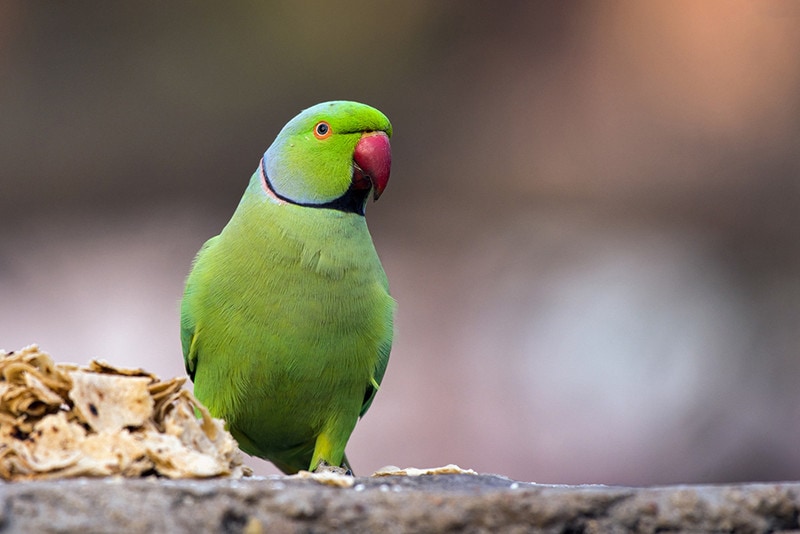
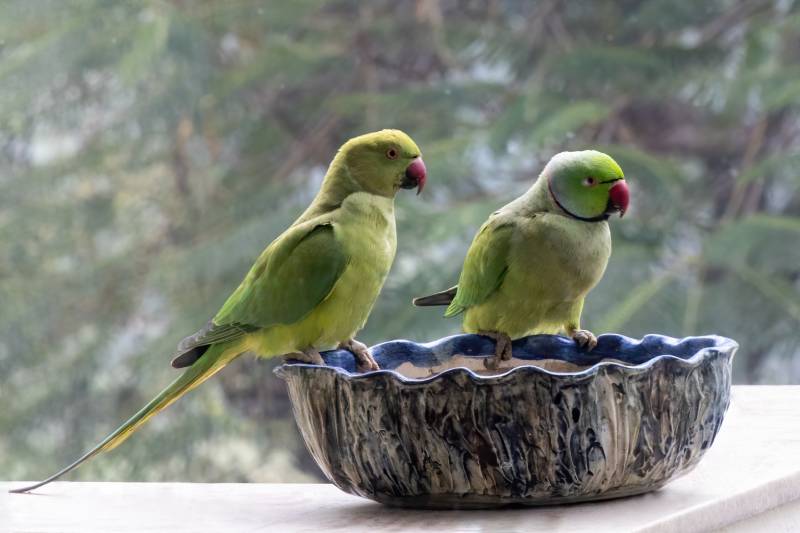
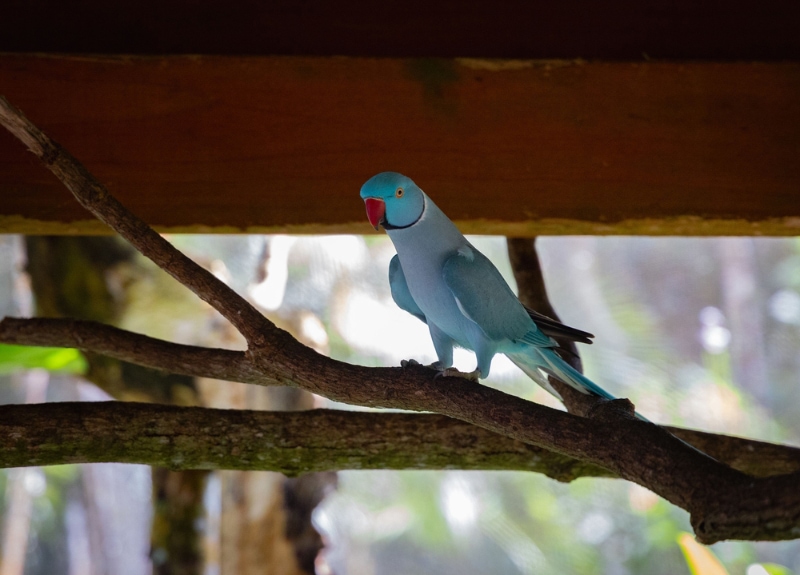
Luckily, rose-ringed parakeets are sexually dimorphic, meaning you can tell their sex by looking at their appearance. Sexually mature males have a dark purplish color around their necks, giving the rose-ringed parakeet its name. The female bird doesn’t have this ring around her neck.
2. Ensure Your Pair Has Bonded
The rose-ringed parakeet is monogamous, meaning a female and male will bond and only mate together. Your parakeets must be bonded to one another before they will breed. In a perfect world, you'll pair the birds as juveniles and allow them to grow up together. It is still possible, however, for adults to pair naturally.
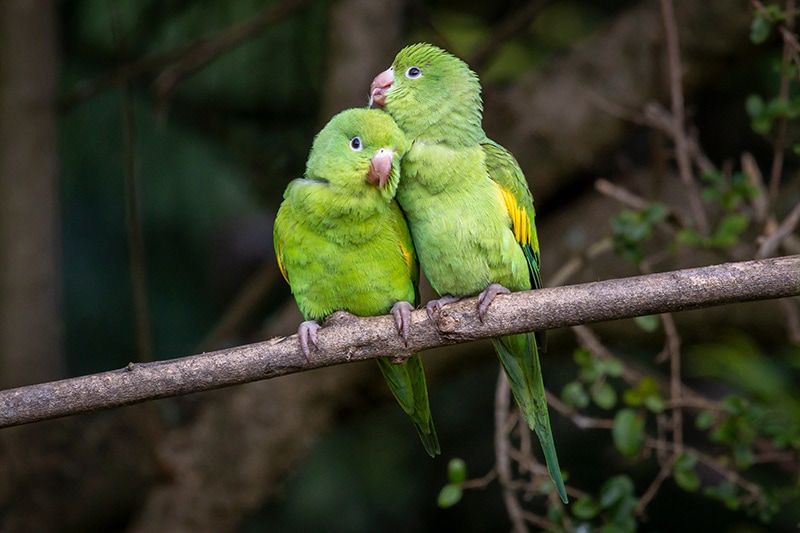
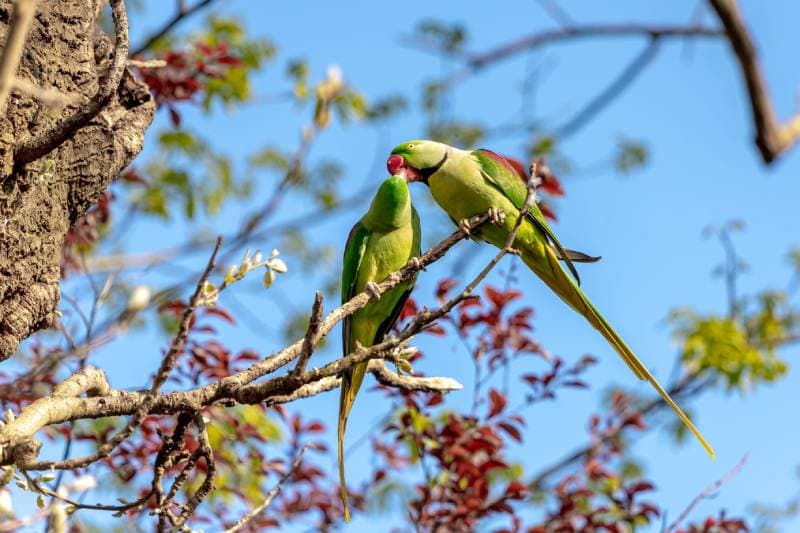
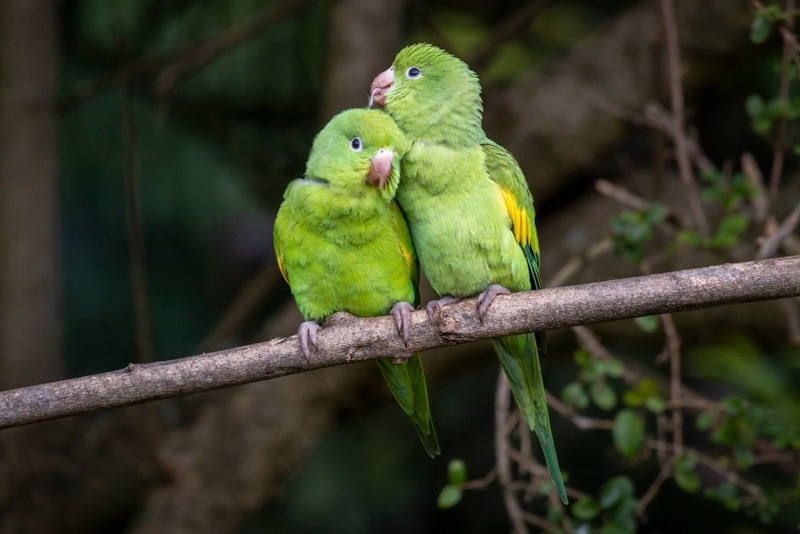
Put the pair you intend to breed in a roomy cage together and allow them time to get used to one another. You'll know they're bonded when they sit next to each other on the same perch and follow one another around. Eventually, you may see the male feeding the female and rubbing his beak against hers. That's when you'll know the pair have bonded.
3. Wait Until They're Mature
Rose-ringed parakeets reach sexual maturity at about three years old, so if either of your pair is younger than this, then breeding won’t be successful until they are. A male’s sexual maturity is shown by the purple ring around his neck, but a female doesn’t have this obvious sign.
4. Gather Your Supplies
Once your parakeets are ready to breed, you'll need to give them the best environment so they can nest and go about their business.
You'll need:
5. Provide a Nutritious Diet
Breeding pairs with an abundance of healthy food on their menu are more likely to nest and have a successful breeding season. Feeding your parakeets a healthy and high-quality parakeet pellet mix, supplemented with fresh fruits and vegetables, is great for getting them into the right frame of mind for breeding. You should also provide your female with cooked, chopped-up eggs and their shells for the extra protein and calcium she needs to prevent egg binding.
6. Get the Go Ahead From Your Avian Vet
It's a good idea to have your breeding pair examined by your avian veterinarian to ensure they're healthy and in a good state to breed. Once you have been given a clean bill of health and the blessing from your vet, it's time to begin.

How to Breed Parakeets
1. Watch for Signs of Pairing
Once your birds begin showing signs of bonding, such as mutual preening and feeding, you'll know that the bonding process is solidifying. In most cases, parakeets won't breed with each other until they've first had a chance to bond.
2. Ensure it is the right time of year
Wild rose-ringed parakeets breed in the winter months, between January and December, although this may vary when birds are housed indoors all year round.
3. Leave Your Birds in the Cage Alone Together
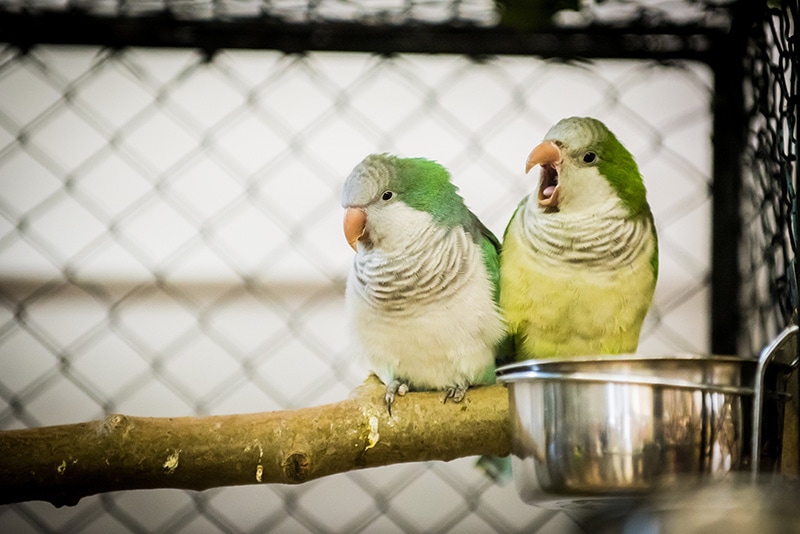
Put your breeding pair in their own private cage and give them time alone together. It's not a bad idea to keep a close eye on them, still. If they start fighting, you'll need to take a step backward and separate them. If fighting occurs, we recommend putting them into two separate cages and leaving the cages near each other. Watch closely for signs of bonding behavior, like preening one another through the cage bars, and once they're getting along, you can put them back in the same cage again.
4. Set the Mood
Your parakeets need a particular environment to encourage breeding.
First, you should know that they'll be more inclined to breed during their natural mating season. Parakeets in the wild typically breed in the winter months.
Keep the temperature in your bird's room between 65°F and 75°F to encourage breeding.
Cover the cage every night for at least 12 hours. Your breeding pair needs time to rest and recover. Cover and uncover their enclosure at the same time daily. For example, remove the cover at 7:00 a.m. and replace it at 7:00 p.m.
5. Introduce the Nesting Box
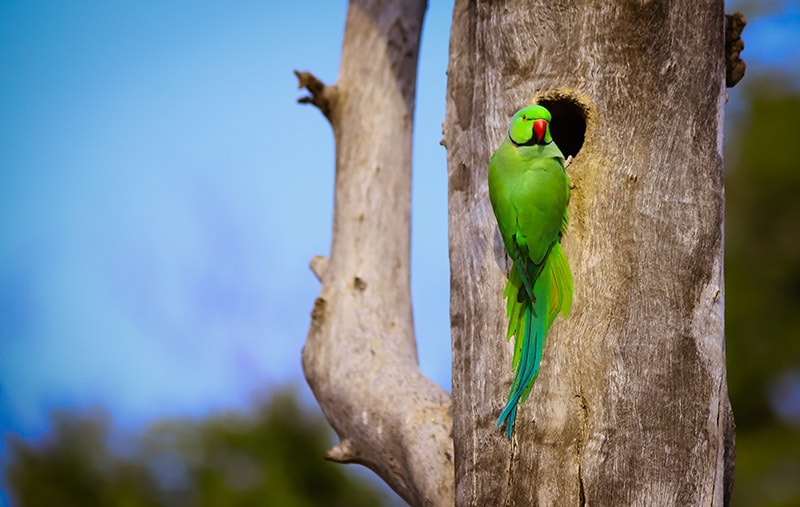
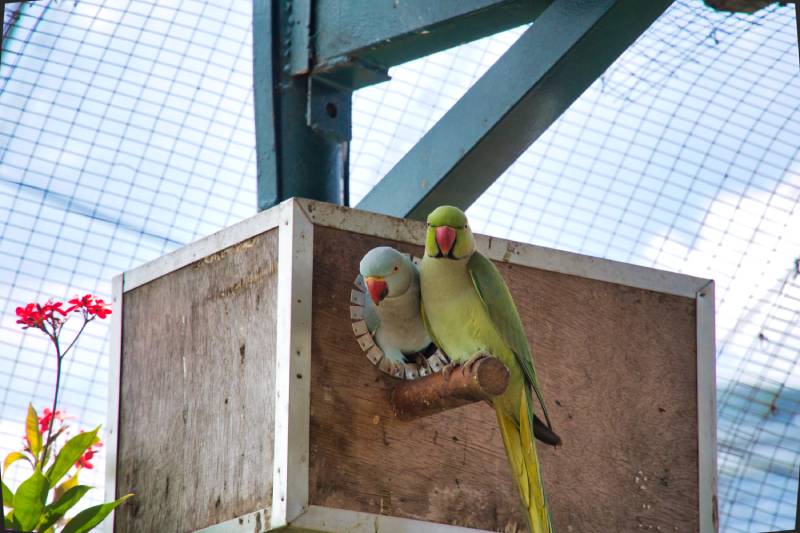
Once the pair has bonded and been provided with a suitable environment, they'll need a nesting box. You can buy one from your local pet store and hook it to the opening on the side of your cage. The box will have a hole on one side that allows the female to enter. The male should encourage the female to enter and inspect the box. It may take a few days for her to be satisfied with the box, but once she's happy with it, she will spend most of her time there, and then the two will begin to mate.
6. Watch for Breeding Behavior
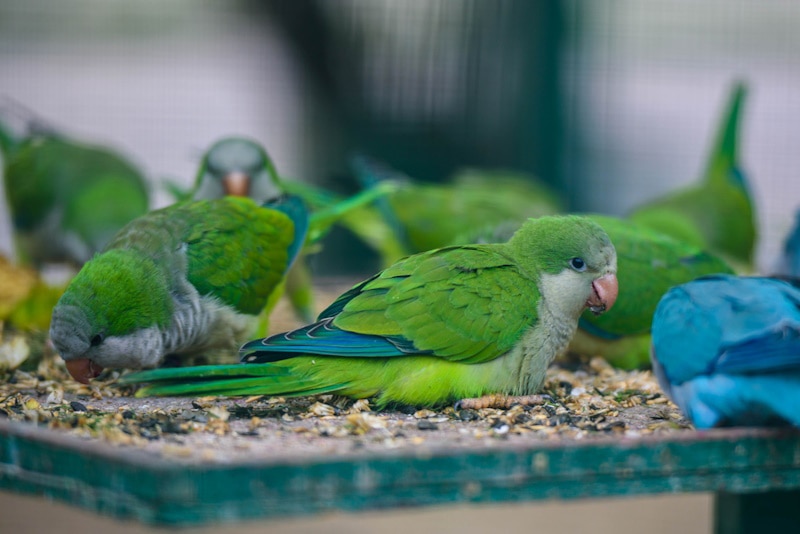
During courtship, a male rose-ringed parakeet will strut around, stamping his feet on the perches. He may also move his head in a figure-of-eight fashion, rub beaks with the female, and feed her.
The female initiates mating by rubbing her head against the male’s head, opening her wings, and leaning forward. Copulation will follow straight away and will be repeated several times a day throughout the breeding season.
While you should keep an eye out for breeding behavior, don't check on your birds too often. They need time alone to get comfortable with each other and won't be interested in breeding if you're meddling in their affairs.
7. Look for Eggs
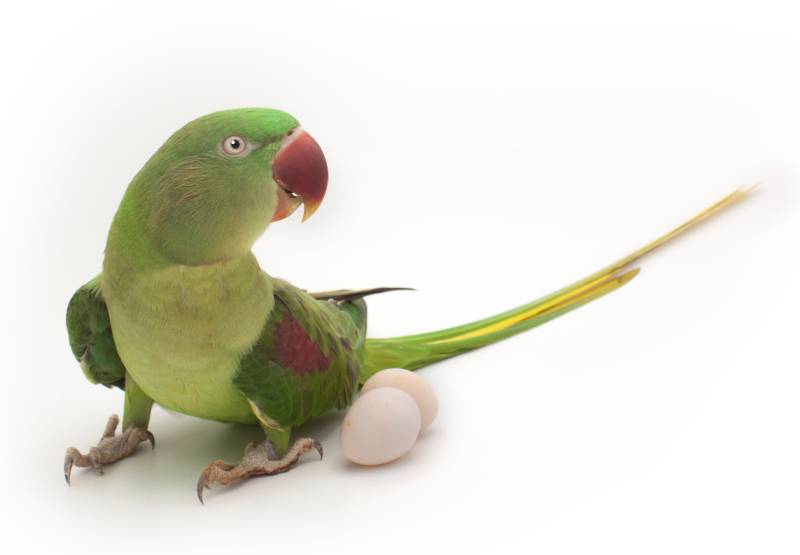
The first egg should appear in the nesting box approximately ten days after a successful mating session. Your female parakeet will lay eggs one at a time and the average clutch size of this species is 4 eggs. The incubation time of the eggs is about 3 weeks. Do not handle your parakeet's eggs, as doing so may weaken the membrane and cause the egg to break. The exception to this rule is if you're incubating them yourself.
8. Watch for Hatchlings
After around 18 to 21 days of incubation, the chicks should begin to hatch. This can take several hours, so don't panic if it's not a quick process.
Any egg that hasn't hatched after 23 days will likely not produce a chick. It's best to throw these eggs out.
9. Monitor
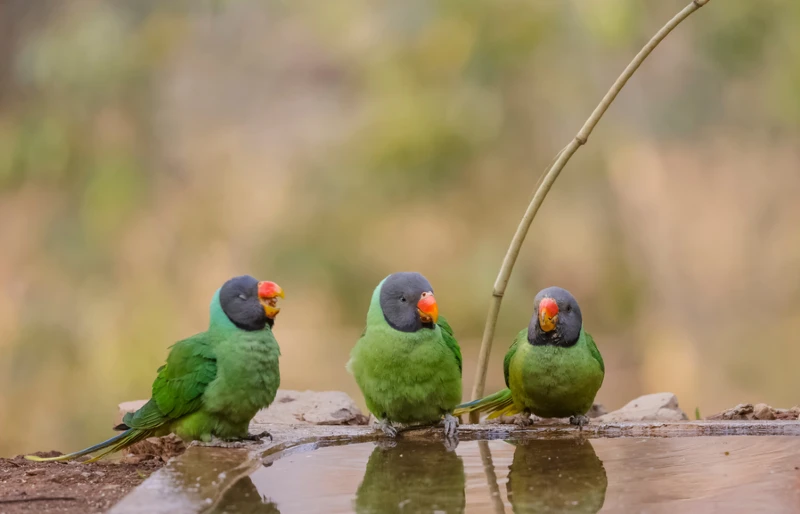
While rose-ringed parakeets generally take very good care of their young, it is still important that you monitor them to ensure the mother is caring for her chicks. If you notice any of the babies are neglected, you may need to step in and hand-raise them.
10. Provide Proper Nutrition
Once your pair's chicks have hatched, proper nutrition for them should be your highest priority. You will need to provide extra food for your couple so they can feed the hatchlings. Without adequate nutrients, the hatchings cannot grow properly. It's important to continuously supply your pair with soft foods so their babies can get the nutrition they need.
How to End Breeding Activity
Parakeets in the wild typically only lay eggs once annually. Two clutches per year is generally considered okay for birds in captivity, provided they have a rest in between. Once your pair has mated and successfully hatched and raised babies, we recommend removing the nesting box right away. Leaving the container can cause them to nest over and over and may cause health issues and even early death for your female.
Try using the methods below to discourage further mating behaviors:
Limit Daylight Access
Since breeding behavior may be stimulated by longer days, try limiting how many daylight hours your parakeets have access to. This is easy enough to do in captivity by artificially producing night. All you need to do is drape their cage with a cover once they've had eight hours of daylight.
Remove the Nesting Box
Take the nesting box away, as well as any hanging toys that your parakeets could use as a nesting area. This includes things like coconut houses or cuddle cots. Your female bird will be less likely to lay eggs if she doesn't have a place she considers nest-worthy.
Separate the Pair
If you deem it necessary, move your female parakeet into a separate cage. Physically taking her away from her mate and distracting her in new surroundings can help her move out of mating mode.
Final Thoughts
Breeding rose-ringed parakeets is a much more involved process than you may have initially thought. The steps that occur before and after mating and egg laying are essential to the health of the chicks, so you must be willing to follow through fully with the above process to ensure the resulting babies are healthy and given the best shot at life.
Featured Image Credit: Fernando Calmon, Shutterstock
Get Hepper In Your Inbox


Pet care tips from our vets and experts, straight to your inbox.
You may opt-out at any time. View our Privacy Policy for more information.
Chantelle's life revolves around two passions: writing and animals. Raised on the prairies of Canada amidst a menagerie of pets, she now lives with five cats, two guinea pigs, and a bearded dragon. Together with her husband and child, Chantelle delights in being an exemplary animal parent, going as far as installing wall-mounted cat shelves to give their cats an indoor playground. When she's not cozying up with her cats or snapping their amusing antics, she enjoys venturing into the Rocky Mountains, binge-watching her favorite Netflix shows, and indulging in spontaneous reading adventures.
Join the conversation
Ask a question, share your story, or send private feedback.