Hepper is reader-supported. When you buy via links on our site, we may earn an affiliate commission at no cost to you. Learn more.
How to Manage Pancreatitis in Cats at Home: 5 Vet Approved Steps

In this article
Pancreatitis is a common occurrence in cats that may require aggressive treatment and hospitalization. Pancreatitis often requires veterinarian-prescribed anti-nausea medications, pain medications, fluids, and sometimes antibiotics. But what if your cat gets sick over the weekend and you’re unable to get to the veterinarian until Monday? How can you treat pancreatitis in your cat at home? Read below for five steps to safely treat your cat at home until you can get them to the veterinarian.

The 5 Steps to Treat Pancreatitis in Cats at Home:
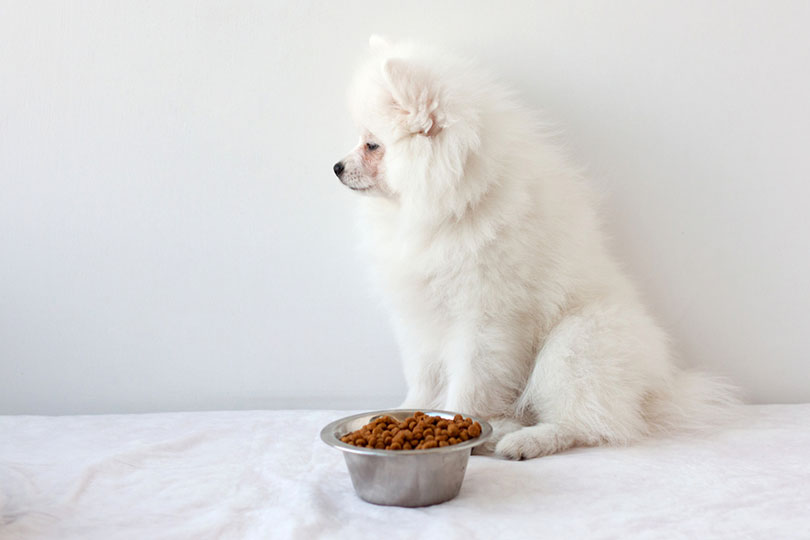
1. Withhold Food and Water for 12 Hours
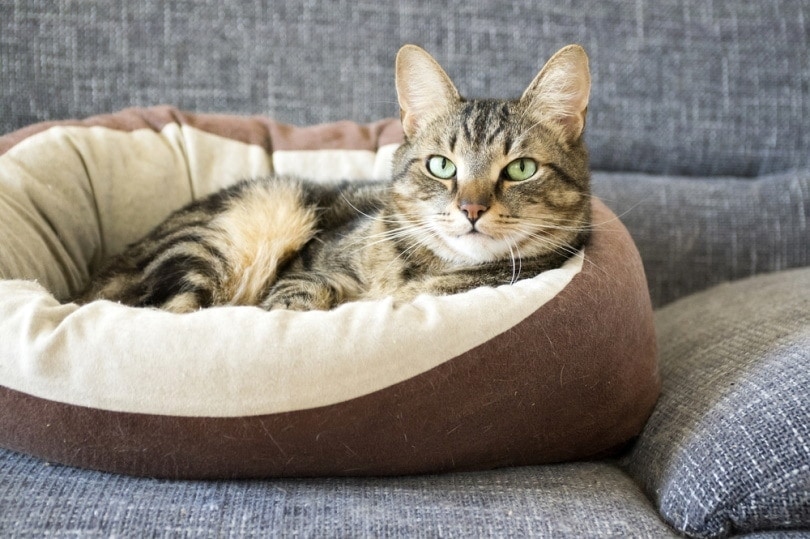
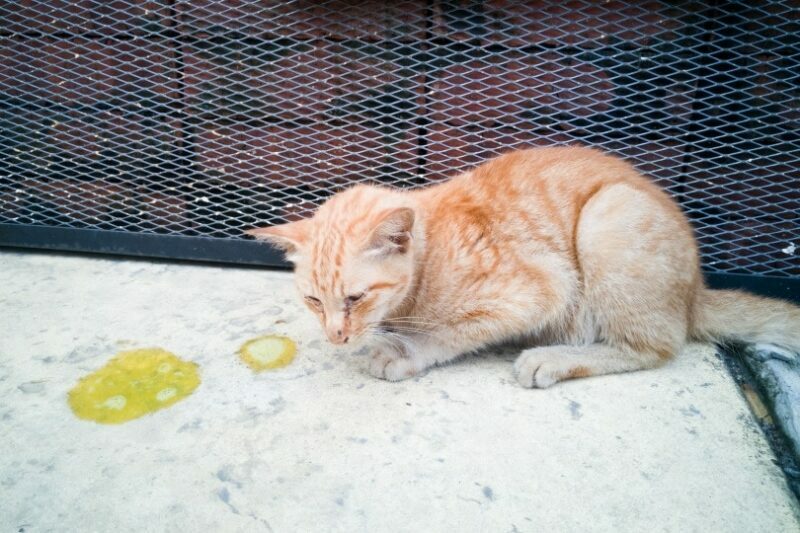
Why: When your cat has pancreatitis, they are often very nauseous. Some cats are actively vomiting and having diarrhea while others may just be anorexic. Trying to force your cat to eat or drink will only make them more nauseous.
How: Remove all food and water from their access for 12 hours. This means that if you have other cats in the house, the one who is sick should be isolated from the other cats. Keep them in a small room by themselves so you can closely monitor them. After those 12 hours, you can then move on to the next recommendation.
2. Offer Small Amounts of a Bland Diet
Why: Your cat may gorge themselves and vomit. Then you won’t know if the vomiting is from eating too fast or from persistent nausea. Offering small amounts of food and water at a time helps their body recover slowly.
How: If your cat does not have any further vomiting after you have removed the food and water, you can then offer small amounts of water and bland food back into their diet. Do not put down a full bowl of food and water. Instead, offer small amounts of plain canned tuna or chicken, plain chicken baby food, or plain lunch meat, such as turkey. Do not offer food and water if your cat has consistently vomited during the fast. Seek out veterinary help.
3. Continue Offering Small Meals and Amounts of Water While Your Cat Recovers
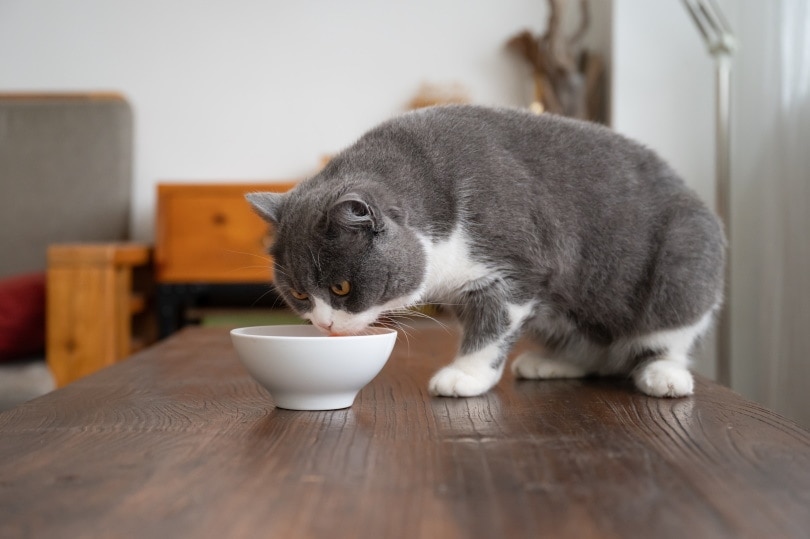
Why: Nutrition is needed to help prevent dehydration and fatty liver disease in cats. If your cat is eating even small amounts without vomiting, this should be continued for at least 3-4 days.
How: Offer small amounts of food and water at a time. Never leave them a full bowl of either to tempt your cat to gorge themselves. Once your cat has consistently eaten, not vomited, and has normal stool for at least 3-4 days in a row, then you can slowly wean them over to their regular diet for an additional 3-4 days.
4. Do Not Give Your Cat Any Over-the-Counter Medications
Why: Do not give any Tylenol, ibuprofen, aspirin, Pepto Bismol, or other medications to your cat. These medications can be severely toxic and even fatal to your cat.
How: Never give any medications to your cat without consulting with your veterinarian.
5. Make a Veterinary Appointment for Your Cat
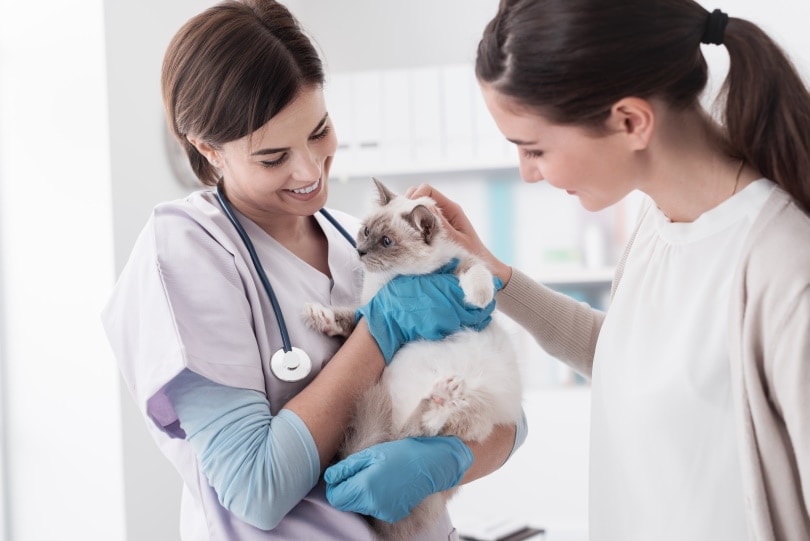
Why: Many cats with pancreatitis have other underlying diseases. Your veterinarian may want to complete other tests and diagnostics to make sure nothing else is wrong. In addition, your veterinarian can then prescribe appropriate anti-nausea medications, pain medications, and potentially antibiotics.
How: Call first thing in the morning when your veterinarian’s office opens. Even if your cat has improved, it’s better to have an appointment and not need it than to be unable to get veterinary care for your cat.
Conclusion
Pancreatitis is a disease in cats that often accompanies other diseases. Treatment is aimed at supportive care to manage nausea, anorexia, diarrhea, and pain. While there are no recommended over-the-counter medications for your cat, if they are suffering from pancreatitis, you can do simple things to make them more comfortable and help them recover.
Fasting your cat for a short period and then slowly reintroducing small amounts of a bland diet and water will likely help your cat feel better. A veterinary evaluation is always recommended in case your cat is suffering from other illnesses and needs to be given appropriate medications.
Get Hepper In Your Inbox


Pet care tips from our vets and experts, straight to your inbox.
You may opt-out at any time. View our Privacy Policy for more information.
Dr. Podlecki is a graduate of The Ohio State University College of Veterinary Medicine with more than 12 years of experience working with small animals in the US. Dr. Podlecki spent 10 years working almost exclusively in emergency and specialty medicine before transitioning to relief in general practice and the ER. She also owns her own veterinary consulting company (renewvetconsulting.com) that helps vet hospital improve their internal culture.
For as long as she can remember, Dr. Podlecki always wanted to be a veterinarian. It is her passion and she lives to help animals. She also owns her own consulting company (renewvetconsulting.com) which focuses on helping veterinary hospitals prioritize their staff to promote a healthier internal culture.
Education
Dr. Podlecki graduated from The Ohio State University College of Veterinary Medicine.
Experience
Dr. Podlecki has over 12 years of experience working in the USA with small animals. For more than 10 years, she worked almost exclusively in emergency and specialty medicine, before transitioning to relief in both general practice and ER.
Join the conversation
Ask a question, share your story, or send private feedback.