Hepper is reader-supported. When you buy via links on our site, we may earn an affiliate commission at no cost to you. Learn more.
How to Get Tree Sap Out of Dog Hair: 8 Vet-Approved Steps


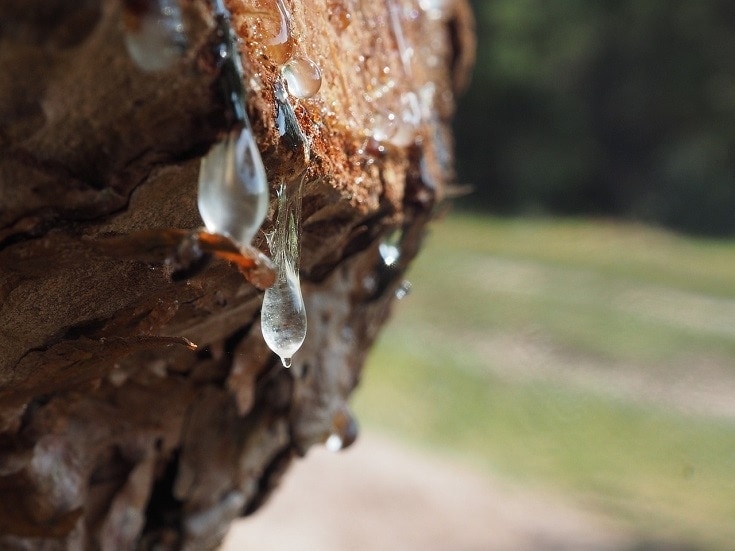
Tree sap can be a pain to remove from your pet’s fur. It’s incredibly sticky, making their coat matted and uncomfortable. Furthermore, tree sap can stick to other things like dirt, stones, and pine needles adding to the mess in your dog’s fur.
Luckily, removing this sticky substance can be done with the right process and household items. We’ve got some simple steps and advice for you on how best to do this.
Before you start, have some of your dog’s favorite treats to hand to make it a more positive experience for them. Lick mats and food-filled toys such as Kong toys, can also be really helpful to distract your dog while you get to work.

The 8 Steps to Get Tree Sap Out of Dog Hair
1. Soften the Sap
If the sap has become hard, you’ll have to loosen it back into a semi-liquid gel to remove it without needing to cut the fur. To soften it, you can use a hairdryer on the lowest setting. Of course, you do not want to burn your pup. Keep the hairdryer on a warm setting and test it on your hand before you direct the air towards your puppy’s sappy fur.
Also, be sure to keep the hairdryer at a decent distance away from your pup to ensure that they don’t get burned by the hot air. Check the sap regularly until it is back into a sticky, putty-like state.
It may seem counterintuitive to make the sap liquid again before attempting to remove it. However, hardened sap can only be removed by cutting/clipping your dog’s fur, which is probably not something you want to do. Loosening it allows it to be removed through other means.
2. Use an Oil
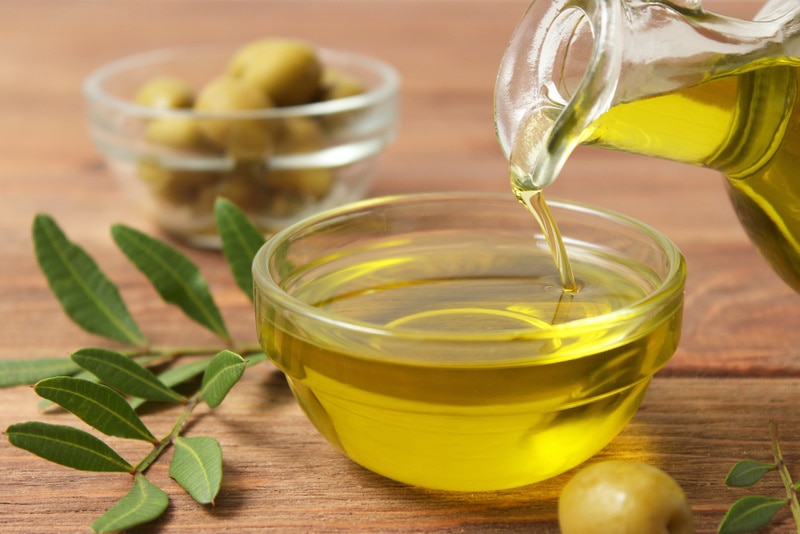
Next, you’ll need to apply an oil to the sap and your pet’s surrounding fur. You likely have some oil lying around your kitchen. You can use olive oil, vegetable oil, or other cooking oil.
Once you have the appropriate oil at hand, massage it into the sappy parts of the fur. You’ll want to work it into the sap as much as possible while also not spreading the sap further. Luckily, since your hands will be covered in oil, your hands should not get sap stuck on them as well.
You should put oil on the sap itself, as well as the surrounding fur. The sap can spread, so it is typically better to be safe rather than sorry at this point.
Once the oil is as massaged into your pet’s fur as much as possible, let it sit for a few minutes. Try to discourage your dog from licking it. Now is the right time to break out that yummy treat if you have one. Distract your dog as much as possible.
3. Work the Sap Out
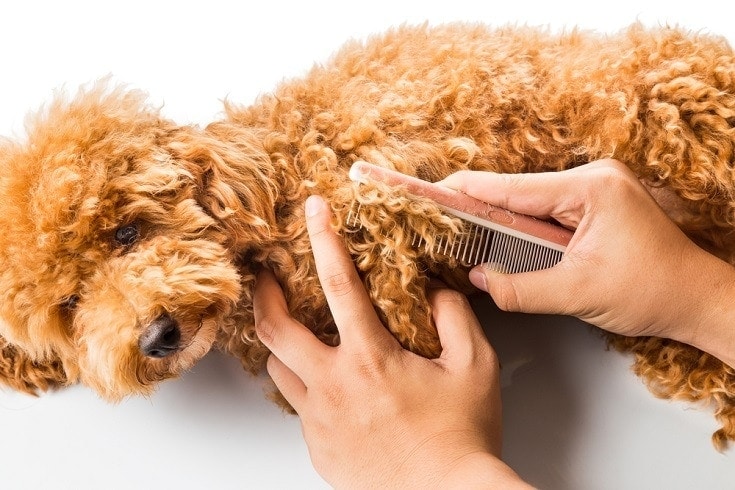
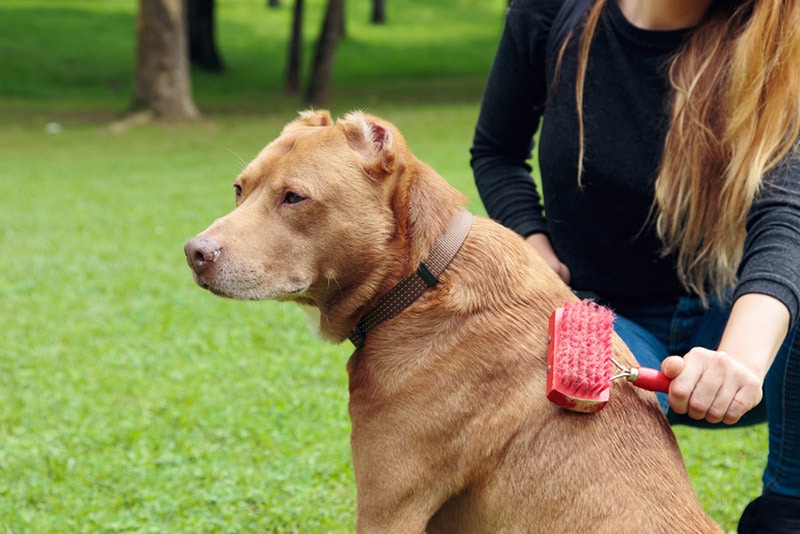
Now that the oil has penetrated the sap as much as it’s going to, it’s time for the hard part – actually working the sap out of your dog’s fur. You should do this with both your fingers and a wide-toothed comb. Be careful not just to pull your dog’s hair out, as this will leave a bald spot and likely not be very nice for your canine.
Instead, you want to pick at the sap to break it up. Once it has been broken up, it is much easier to remove. As you remove sap, add more oil to penetrate pieces of sap that have yet to be touched. If the sap piece is substantial, we recommend adding more oil and allowing it to sit for a bit longer again.
You may have to repeat this process multiple times during the removal process.
4. Give Paws Extra Attention
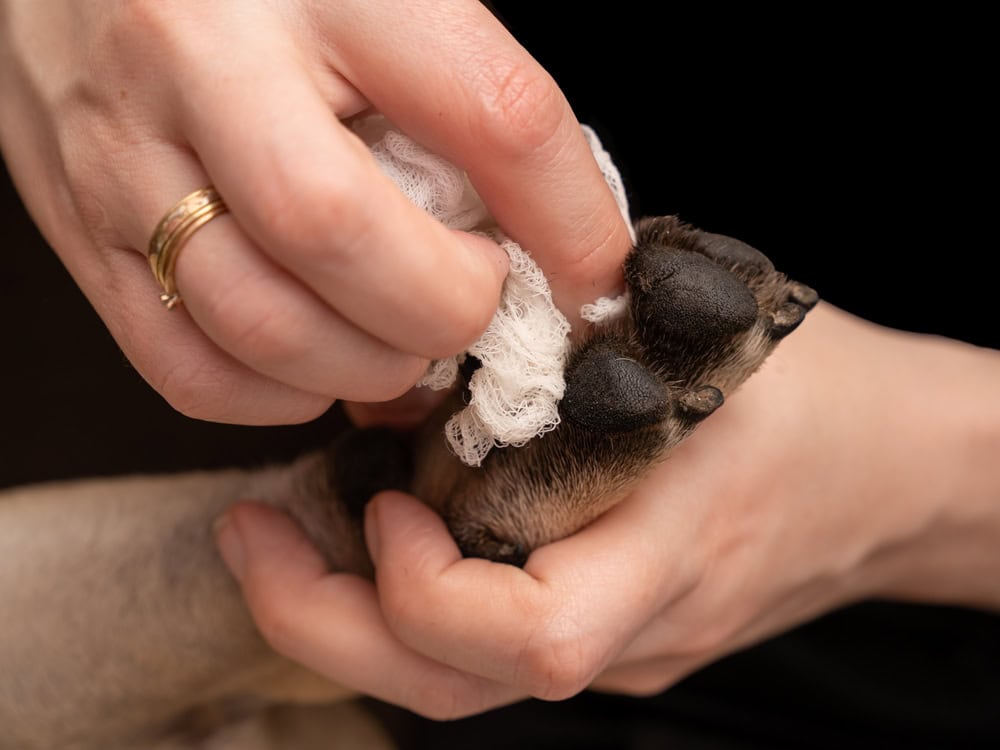
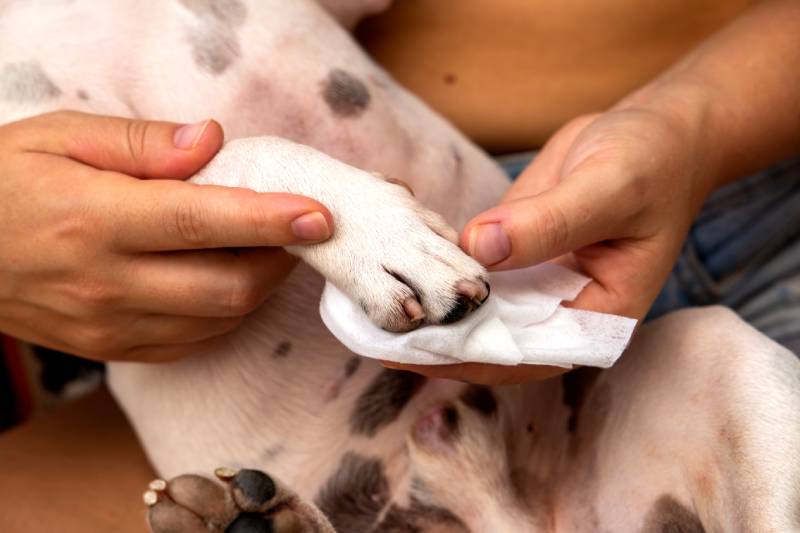
If your canine has stepped into any sap, their paws will need extra attention. Paws come into contact with more debris that can get stuck to the sap, causing discomfort and even small sores. You’ll want to loosen sap on the paws in the same way you’ve previously loosened the sap.
5. Seek Professional Help If Needed
If there are stubborn pieces of sap that you can’t remove with oil, or the sap has lodged itself into small areas between the paw pads, you may want to make an appointment with your groomer or vet and have the patch clipped out.
If you feel confident and have the right dog grooming clippers you can do this yourself but trimming sap on fur in between the toes can be difficult. Sometimes, it is simply better to get professional help.
We would advise avoiding scissors unless absolutely necessary as it can be easy to accidentally cut your dog's skin, especially when mats are near to the skin.
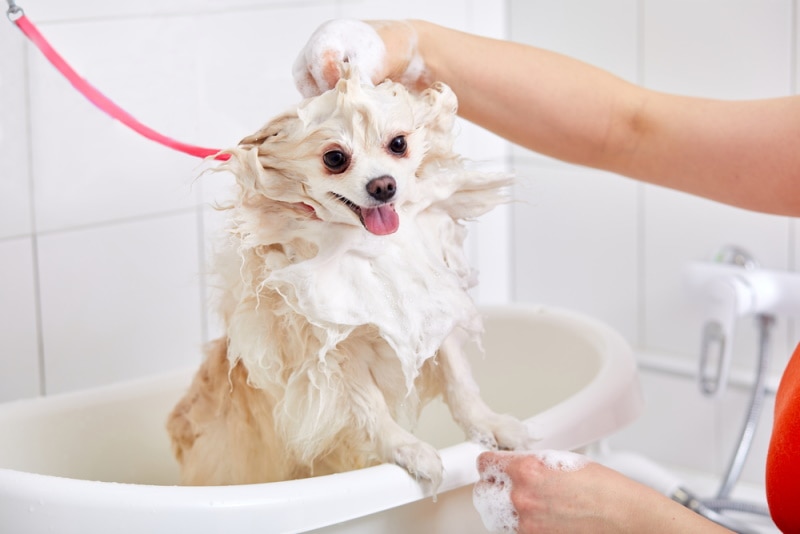
6. Give Your Pooch a Bath
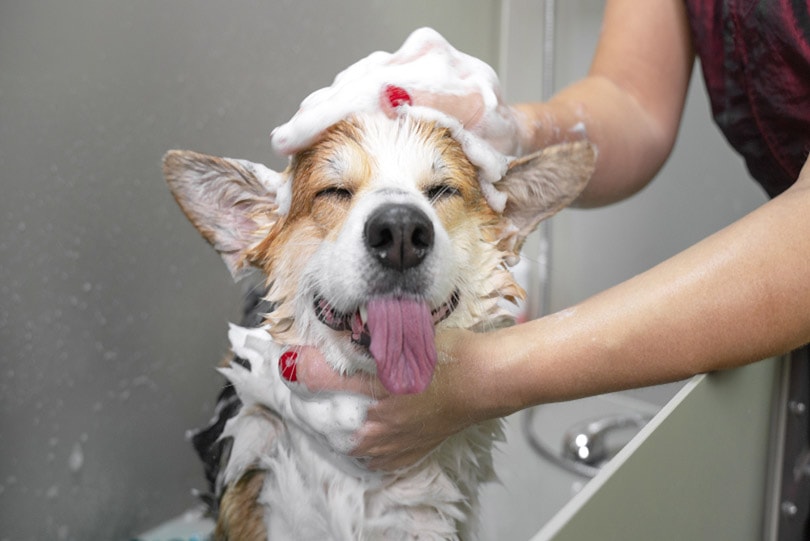
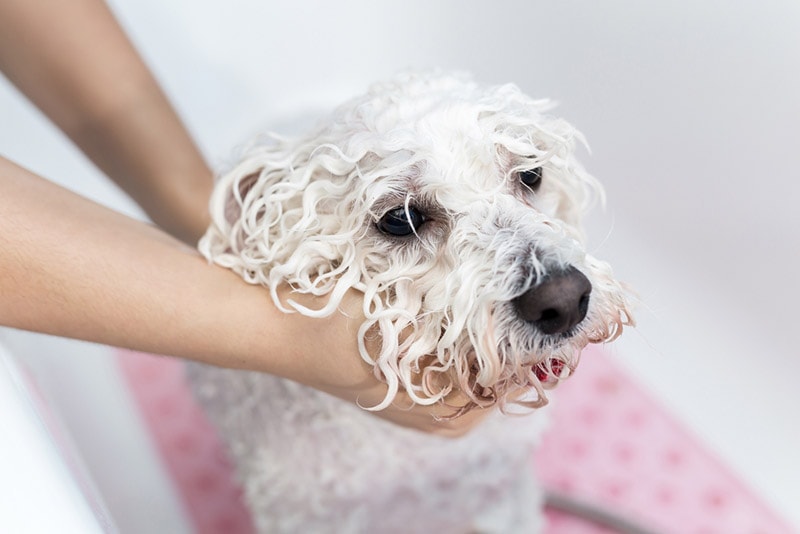
Now that the sap has been removed (or at least mostly removed), you need to get all the oils out of your pet’s fur. Even if you feel like most of the oils were removed through the brushing process, you should bathe your pooch anyway. There may be lingering oils near your pet’s skin, which can cause irritation and skin problems if left untreated.
You should use a dog-safe, sensitive shampoo for this step. Even if your pet doesn’t usually have sensitive skin, they might after you just rubbed oils on their skin and messed with their coat.
You may need to shampoo the area where the oil was applied multiple times to remove the oil altogether. It depends on the amount of oil that was used.
7. Beware of Toxic Saps
The main issue with tree sap is the mess it makes to your dog’s fur, but some types of sap, like pine sap, can be mildly toxic. Signs your dog may show after ingesting sap that is toxic are usually gastrointestinal ones like diarrhea, vomiting, and inappetence, but it will depend on the type of sap.
Sap can also cause contact dermatitis when it touches the skin, leading to rashes and sores. If you see any of these signs contact your vet.
8. Examine Your Pet’s Coat
It is very easy to miss bits of sap in your pet’s coat when you’re cleaning it the first time, primarily if you’ve used a lot of oil. When you’re washing your pet, you may notice a few bits and pieces you didn’t get. However, even if you pay meticulous attention, it is easy to miss a few spots.
For this reason, you should continue to examine your pet’s coat even after you’ve cleaned it “completely.” There could be a few more pieces of sap towards the skin that may become apparent over the next few days.
Furthermore, you will also need to keep an eye on your pet’s skin to ensure that they aren’t having any reactions to the sap.
Getting Sap Out of Dog Hair: What Not to Do
Although sap can be extremely uncomfortable for your dog, it’s important not to do more damage trying to remove it.
While cooking oils and dog-safe shampoos should suffice to get sap out of your dog’s coat. Avoid using astringents, chemical detergents, rubbing alcohol, or petroleum-based products. These products can irritate your dog’s skin; worse, if your dog licks, they can cause digestive upset. Some chemicals can irritate your dog’s eyes and mucous membranes as well.
Aside from the risks, these products also aren’t effective at removing sticky sap. Your best bet is always a cooking oil and dog-safe shampoo.
Prevent Sap From Getting Stuck in Your Dog’s Fur
The easiest way to deal with tree sap in your dog’s fur is by preventing it in the first place. Take a multi-pronged approach by restricting access to sap-producing trees and limiting how much sap can mat up in your dog’s coat.
First, restrict access to the offending tree or trees in your yard. If your dog has run off a large area, consider putting small decorative fences around the base of the tree to limit your dog’s access.
If fencing isn’t an option, you could try walking your dog on a leash during the sap season or keep them away from the trees. Most sap-producing trees have the most abundant sap flow in the spring and early summer. In winter, the sap production slows down. Then, as temperatures change from cool to warm, the pressure increases and forces sap to drip.
If you have a long-haired dog, speak to your groomer about keeping the hair trimmed short around your dog’s paws. This is the area that’s most likely to come into contact with tree sap and one of the most difficult to clean properly.
Conclusion – Keep Your Dog Slick and Shiny All Year
Tree sap can be the bane of your dog’s existence. If your dog gets into some sap, it can cause sticky mats and gather pine needles, dirt, and debris that can be irritating. Worse yet, some tree sap is mildly toxic to dogs and can cause irritation on the skin or when ingested.
The best way to handle tree sap is by avoiding it in the first place, but if your dog ends up playing in the sticky mess, bathing with some extra TLC can go a long way.
See Also:
Sources
Featured Image Credit: NickWindsor, Pixabay
Get Hepper In Your Inbox


Pet care tips from our vets and experts, straight to your inbox.
You may opt-out at any time. View our Privacy Policy for more information.
Kristin is passionate about helping pet parents create a fulfilling life with their pets by informing them on the latest scientific research and helping them choose the best products for their pets. She currently resides in Tennessee with four dogs, three cats, two fish, and a lizard, though she has dreams of owning chickens one-day!
Join the conversation
Ask a question, share your story, or send private feedback.