Hepper is reader-supported. When you buy via links on our site, we may earn an affiliate commission at no cost to you. Learn more.
How to Get Tar Off Dog Paws: 9 Vet Reviewed Tips


In this article
Every once in a while, you might spot something unusual on your dog's paws. Upon further examination, you might find that your dog has managed to get tar on their paws. Tar is sticky and hard to dislodge. If you leave tar on your dog’s paws, it can create health issues that can become serious. Therefore, removing tar from your dog’s paws as soon as possible is essential.
We recommend taking your dog to the vet if they get tar on their paws, which is difficult to remove. If it is not possible to take your dog to the vet, the following article will walk you through the process.
Here are 7 expert tips on how to get tar off a dog’s paws.

Preparation
Before attempting to remove tar from your dog’s paws, you should gather a few supplies to make the job as easy as possible. Removing tar from a dog’s paw pads or fur can be a delicate situation that requires careful attention and the right tools. Here is what you need and what you can expect.
What You Will Need:
- Hair clippers or Scissors
- Vegetable oil or Swarfega classic
- Warm water
- Soap
- Rag or brush
- Towel
Soft vs Hard Tar
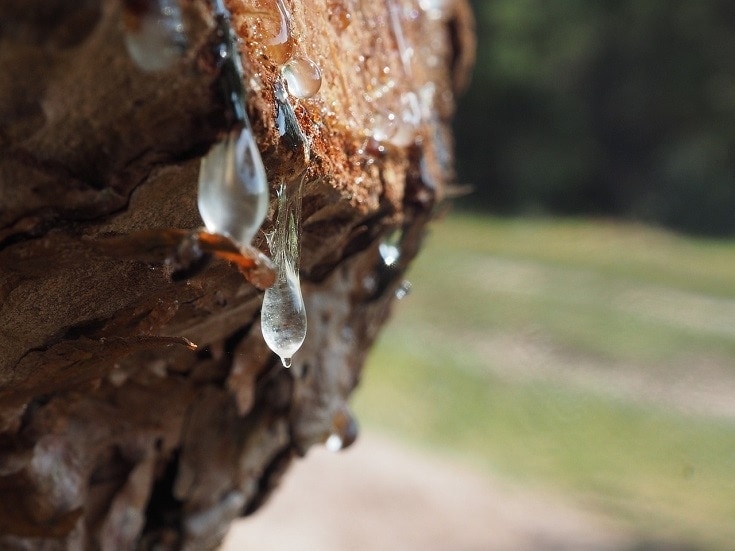
There are two types of tar that you might find on your dog’s paws. Hard tar is usually old and can become deeply embedded in your dog’s fur or paws. Soft tar is fresh, and you will usually find it after your dog has stepped in it. Soft tar can be easier to remove but poses challenges and dangers. Hardened tar and soft tar have different methods of removal.
The 7 Tips to Remove Soft Tar From Your Dog Paws
1. Put Your Dog in the Bathtub
The bathtub will keep your dog contained and allow easy access to the soap and water you need in later steps. You want to keep your dog calm and still as much as possible during this process. You can use treats or peanut butter to keep them distracted during the removal process.
2. Fill a Bowl with Vegetable Oil
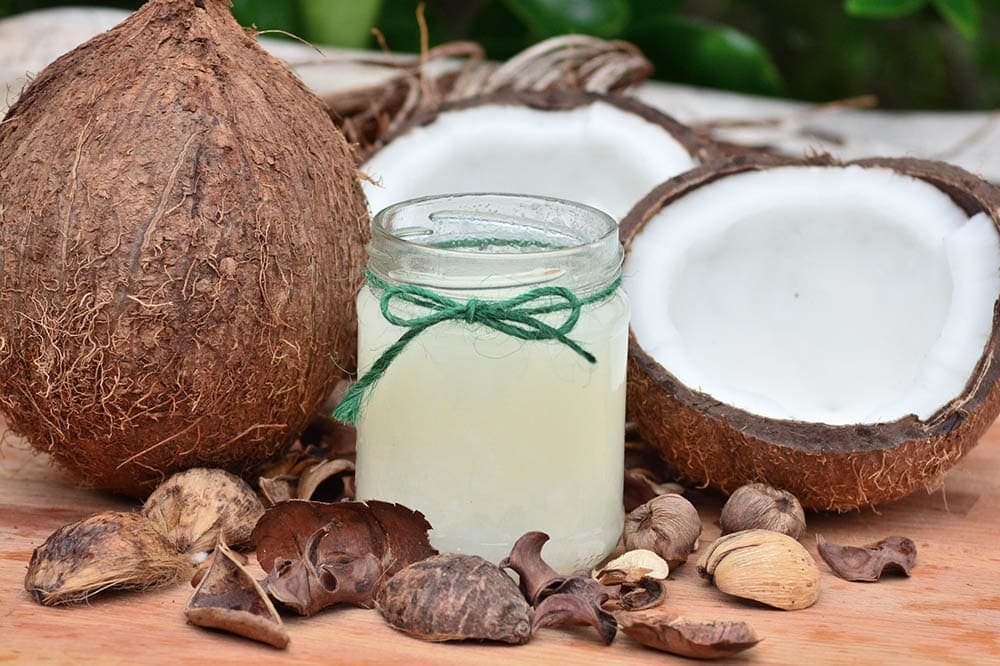
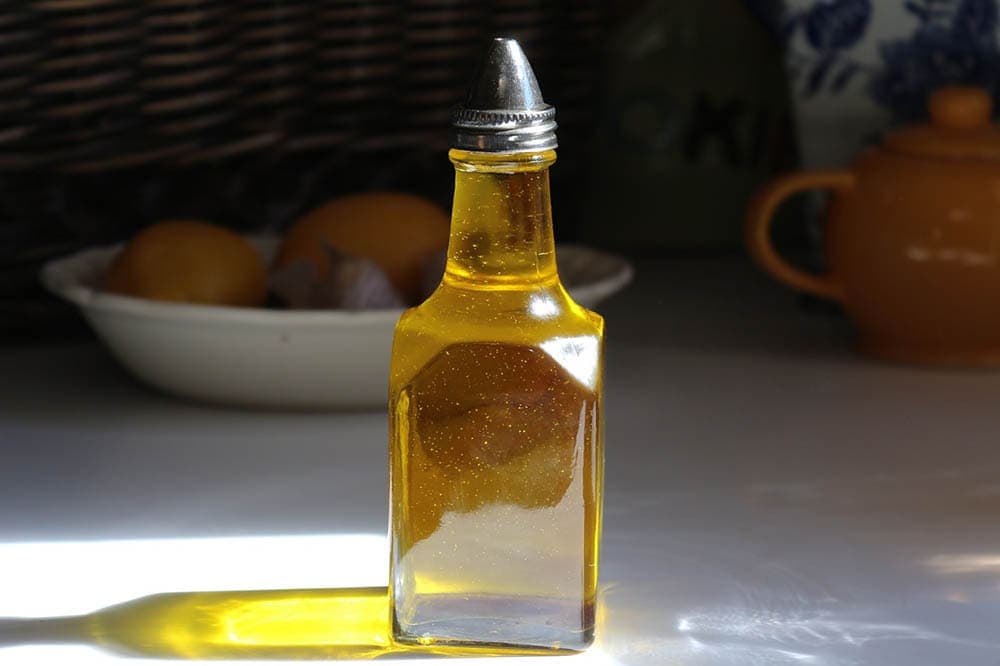
Next, you want to fill a bowl with vegetable oil. Any standard kitchen vegetable oil will do the trick. You need a bowl big enough to fit your entire dog’s paw. Fill the bowl with the oil so that when you put your dog’s paw in, it will cover it completely. If you have Swarfega, it can be used, too.
3. Soak Your Dog’s Paw for 15–20 Minutes
This is the hardest step on this list. You want to soak your dog's paw in vegetable oil for at least 15 minutes. Distracting your dog at this point is very important. The oil will keep the tar soft and break it up so it comes off your dog’s paws. Keep your dog in the tub and submerge the paw in the vegetable oil. Using a lick mat or chew toy can keep your dog calm.
4. Rinse the Dog’s Paws with Soap and Water
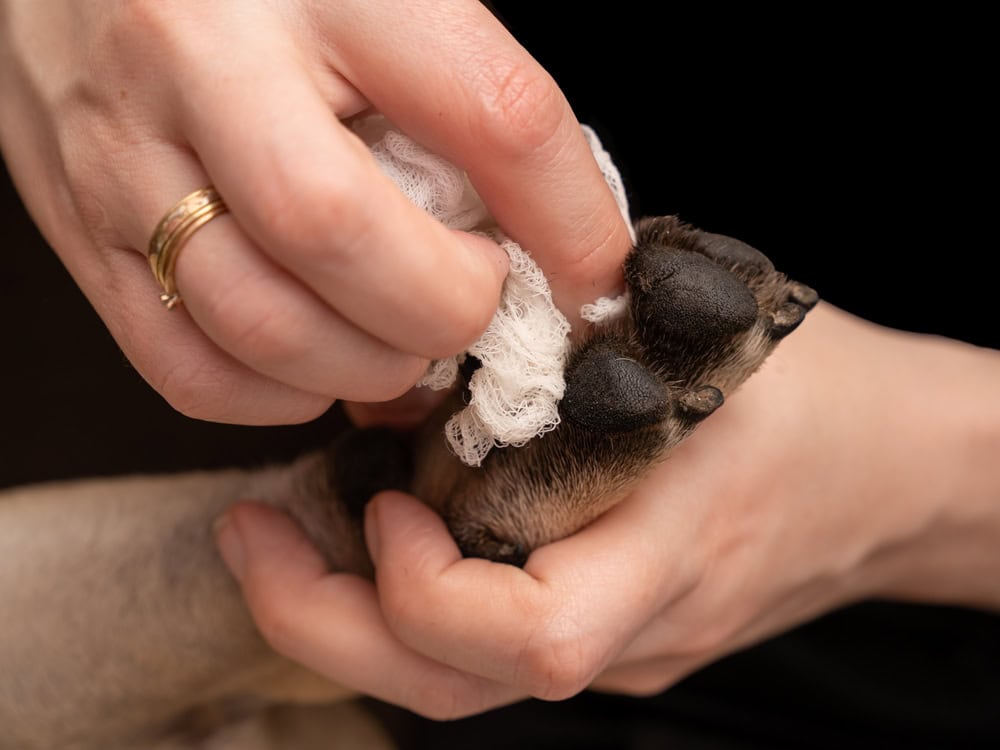
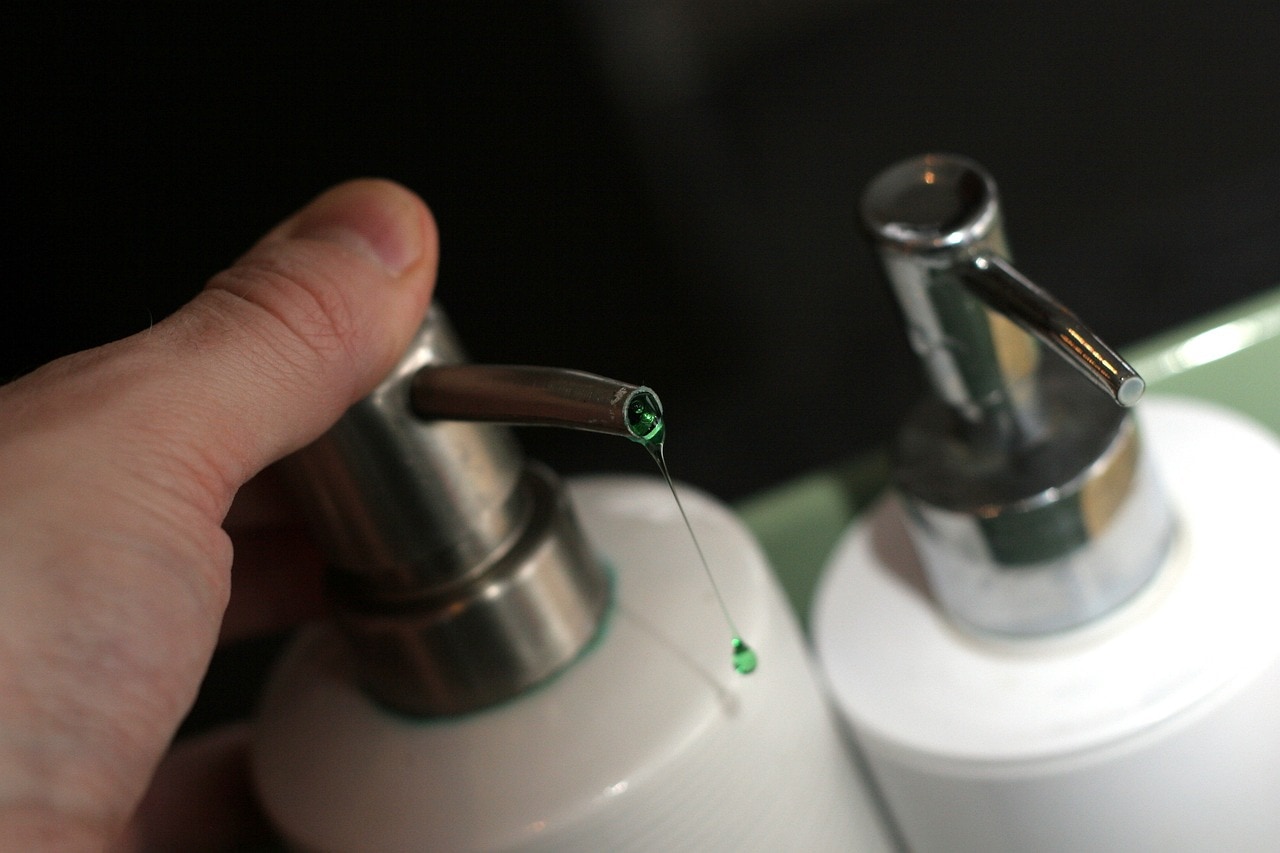
After soaking the paw (or paws), it is time to rinse. Rinse your dog’s paws with warm water and soap. Some experts suggest using dish soap like Dawn, but you can use regular soap or dog shampoo.
After soaking, the soft tar should come off fairly easily. The oil and soap will work to break down the tar, and rinsing and washing should make it come off. This process might be frustrating for your dog, but it is very gentle and effective.
5. Repeat Until Clean
You might need to repeat this process if the tar does not all come off at once. You might also need to repeat the process if your dog has multiple paws with soft tar contamination. If the tar has hardened and soaking is not getting it off, you might need to return to step number one and cut out the hardened material.
6. Never Use Mineral Oil or Gasoline
When people get something stubborn on their hands, they are told to use chemical agents like mineral oil or gasoline to remove it. This might work for humans, but you should never use them on your dog.
Gasoline can burn a dog’s skin, and licking mineral oil can be hazardous to their health. Instead, use safer products like vegetable oil, water, soap, or vinegar. Never use harsh chemicals on your dog’s paws. This is especially important if your dog has raw skin, burns, or infections.
7. Look for Burns or Infections
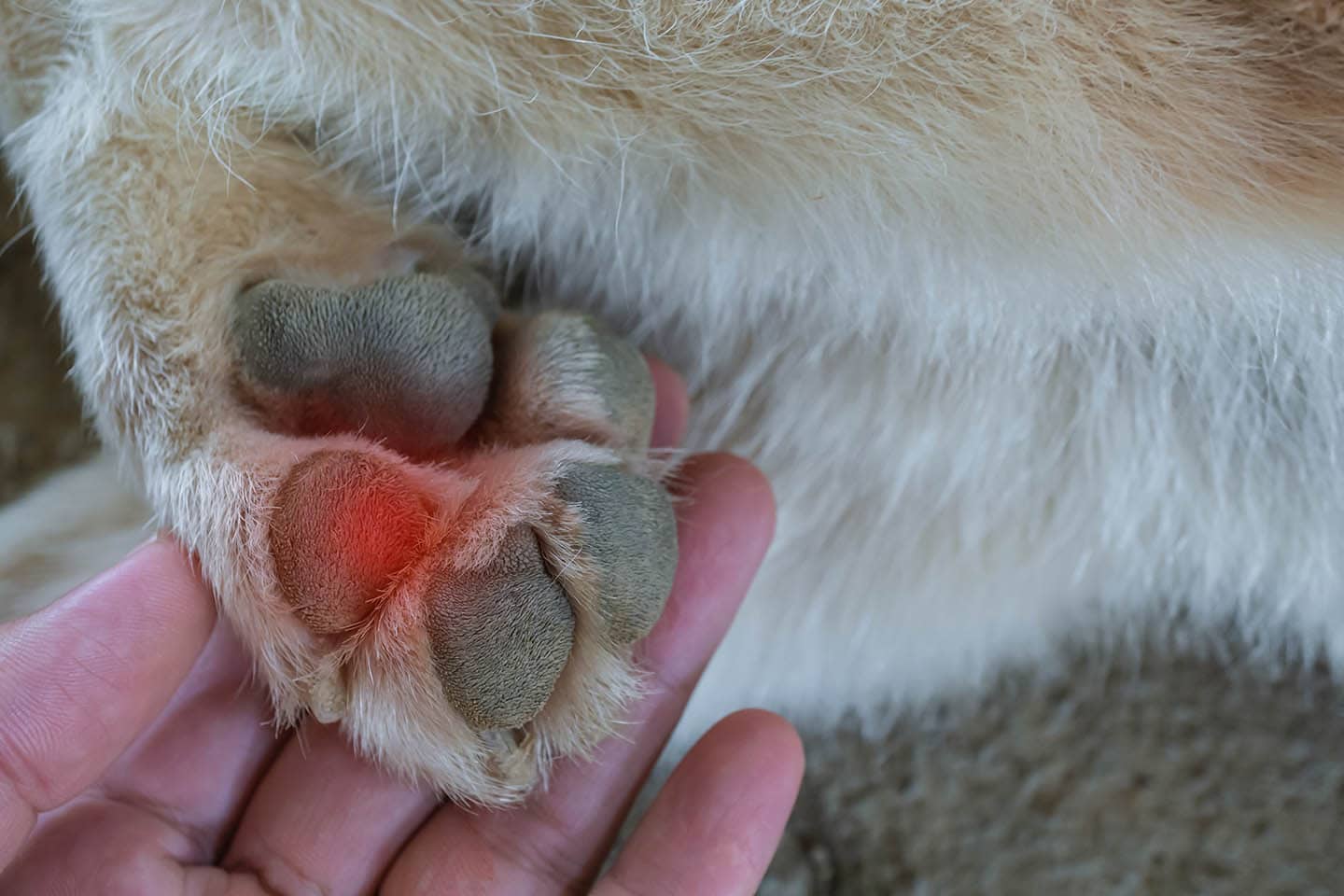
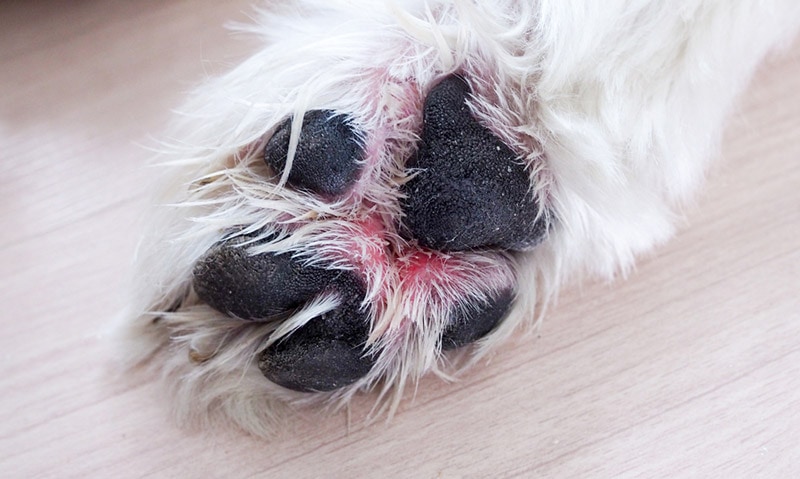
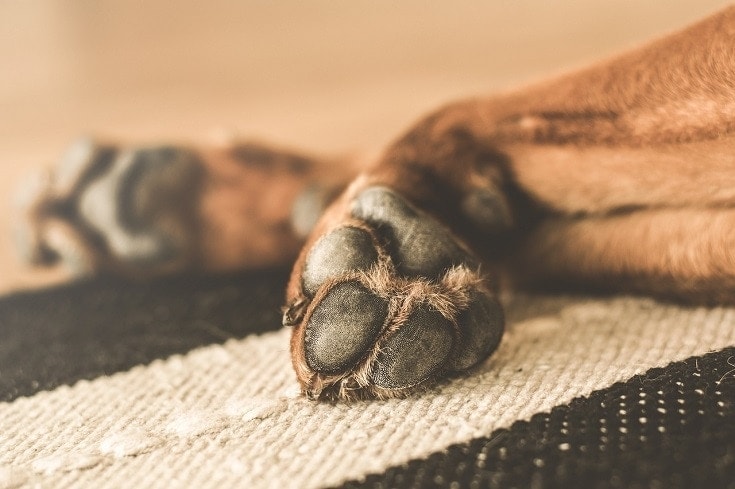
Two adverse health effects of tar are burns and infections. One of the most common ways that dogs get tar on their paws is by walking over very hot asphalt. Hot asphalt can burn a dog’s paw pads, leading to a painful condition. Similarly, hard tar can cut skin and cause rubbing, which can lead to an infection. If the skin under the tar looks sore or inflamed, take your dog to the vet for treatment.

The 2 Tips to Remove Hard Tar
1. Assess the Area
First, locate all patches of hardened tar. You also want to look for cuts, infections, or other injuries in the area. Hardened tar can press into your dog's paws and rub the nearby skin raw. You do not want to miss any hardened tar. It's best to remove all of it in one go so it does not linger and cause problems.
2. Cut Tar Away With Clippers
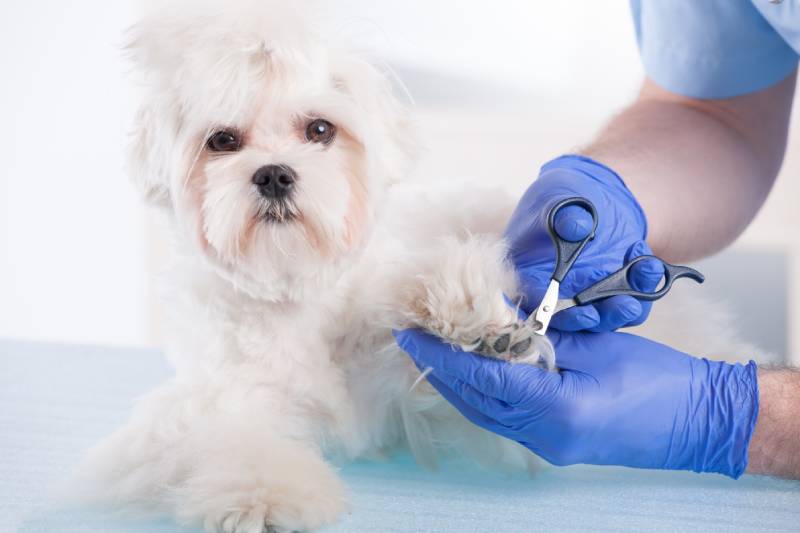
One of the easiest and only ways to remove hardened tar from a dog’s paws is to cut it away with clippers. Small, curved scissors are usually effective if you do not have specialty grooming clippers or scissors.
Gently pull the tar back away from the skin and snip the hair carefully just below the tar. The clumps should fall away after you cut the fur. Continue to cut the tar from your dog’s paws until none is left. Some very small areas might be difficult to remove.
Conclusion
Seeing tar on your dog’s paws can be scary, but the good news is that it is removable. Whether you do it in your bathtub or take your dog to the vet, there are numerous ways to remove tar from your dog’s paws. If your dog continues to get tar on their paws, you should take steps to prevent the behavior from recurring. Dogs often get tar from wandering around on the road, especially in hot weather, and walking on the road is never safe for dogs.
Featured Image Credit: Ivan Babydov, Pexels
Get Hepper In Your Inbox


Pet care tips from our vets and experts, straight to your inbox.
You may opt-out at any time. View our Privacy Policy for more information.
Grant is a freelance writer with years of experience writing about a diverse range of topics. His days are spent writing and caring for eight animals (two horses, two donkeys, two goats, and two dogs). In his free time he enjoys slowly carving out a quaint hobby farm from the Southern scrub. He currently lives in his native Florida with his wife and son.
Join the conversation
Ask a question, share your story, or send private feedback.