Hepper is reader-supported. When you buy via links on our site, we may earn an affiliate commission at no cost to you. Learn more.
How to Harness Train a Cat: 6 Vet-Approved Tips & FAQ


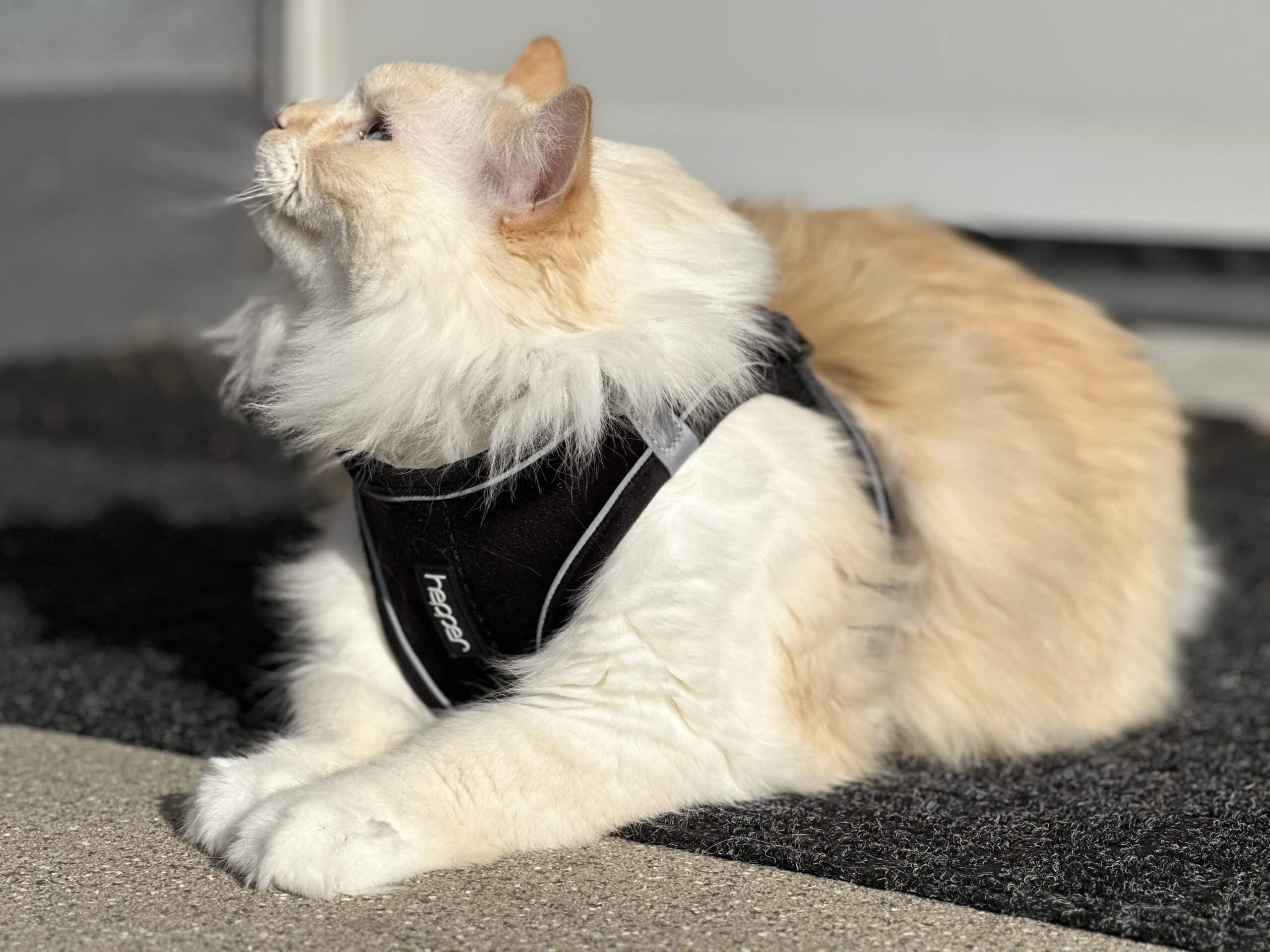
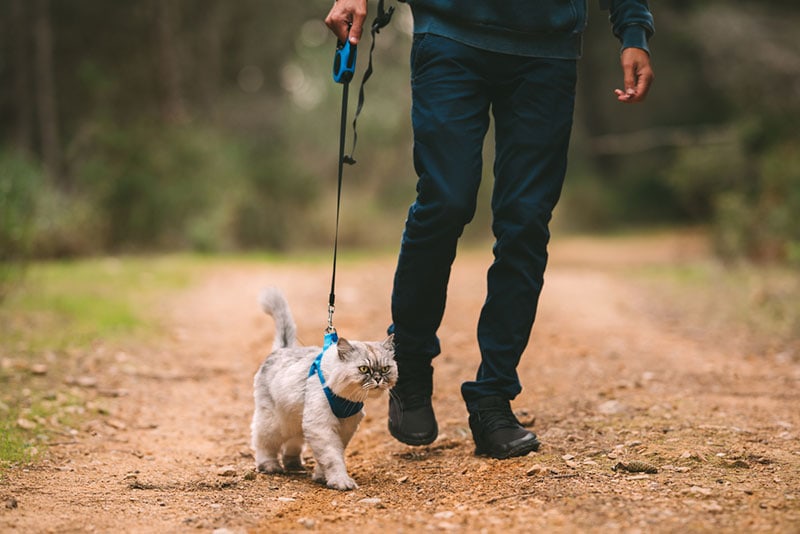
Cats benefit from time spent outdoors. However, letting your cat roam freely has its risks. Cats that are outside unsupervised can get hit by a vehicle or attacked by another animal. The solution? Walking your cat on a leash.
While you can connect a leash to a dog’s collar, the same is not true for cats. A cat’s agility and anatomy require a harness for proper control. But getting your cat used to wearing a harness can take some time and patience. Here are six expert tips on how to harness train your cat, so you can spend time outside.

The 6 Tips on How to Harness Train a Cat
1. Buy a High-Quality Cat Harness

You don’t want to skimp on quality. A poorly made cat harness may fall apart and be uncomfortable to wear. Before you purchase a harness, read through online reviews. You can also get recommendations from fellow cat owners.
Measure your cat carefully before buying a harness. You may need another person to hold your cat while you take measurements. You'll need their neck and chest circumferences. You may also need to measure the length of their spine.
Tips for Success
If you’re searching for the perfect harness for your cat, we recommend our Cat Harness & Leash Set. The lightweight velvet and mesh harness features multiple adjustment points, quick-release buckles, and reflective stripes to keep your cat safe. Plus, it comes in five sizes to fit any cat and even includes a premium rope leash!
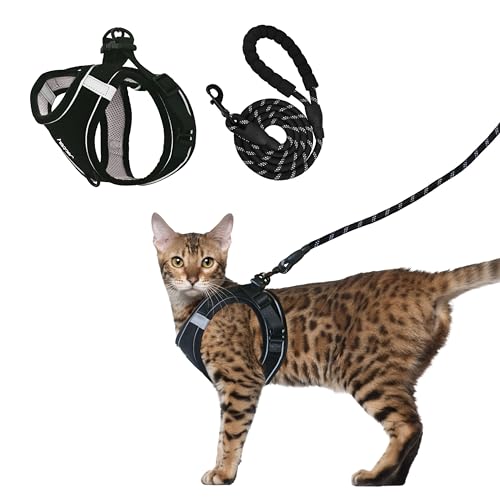
- Escape Proof - Cat leashes and harnesses for walking aren't all equally secure. Our double aluminium D-rings ensure strength when outside, as does the reinforced stitching on this step in vest.
- Superior Comfort - Our cat harnesses are lightweight, made with premium velvet fabric, breathable mesh, with soft edging and resilient cushioning. Also, it is machine washable. Looks and feels great!
- Free Extra Strength Leash - You don't need to worry about your cat escaping this harness. This cat leash is made of thick nylon climbing rope with rotating clamp to keep the strongest kitties at bay.
2. Let Your Cat See and Sniff the Harness
You're not putting the harness on your cat just yet. Leave the harness where your cat can sniff it and get used to it. Next to their food dish or by their bed are good places. Remember, your cat has no idea what the harness even is. They need a chance to get desensitized to it and become accustomed to its presence before they wear it.
Tips for Success
3. Touch Your Cat With the Harness
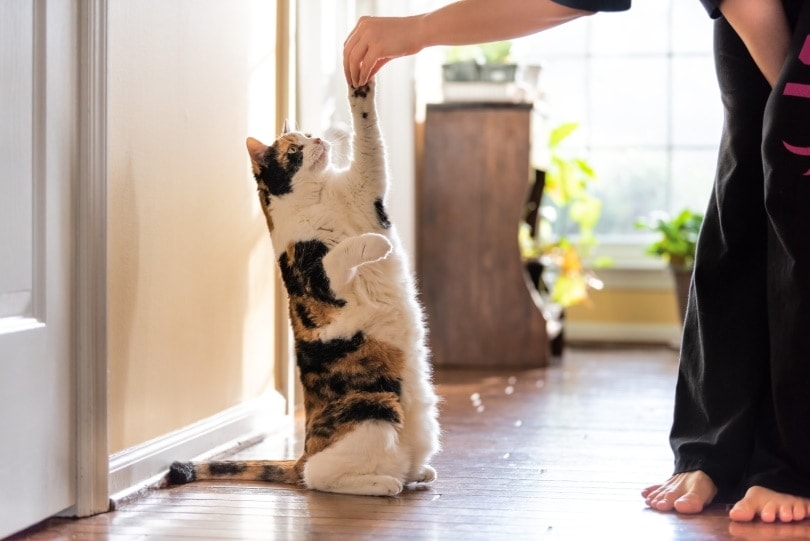
Once your cat is at peace with the harness's presence and it has familiar and pleasing smells, you need to teach your cat that it's okay for the harness to touch them. This step is vital to do before attempting to put it on your cat; they should become desensitized to the feel of the harness touching their body and should remain calm. Use the power of positive reinforcement to get your cat to associate the feeling of the harness with a tasty reward, but only offer it when they are calm.
Tips for Success
4. Put the Harness on Your Cat

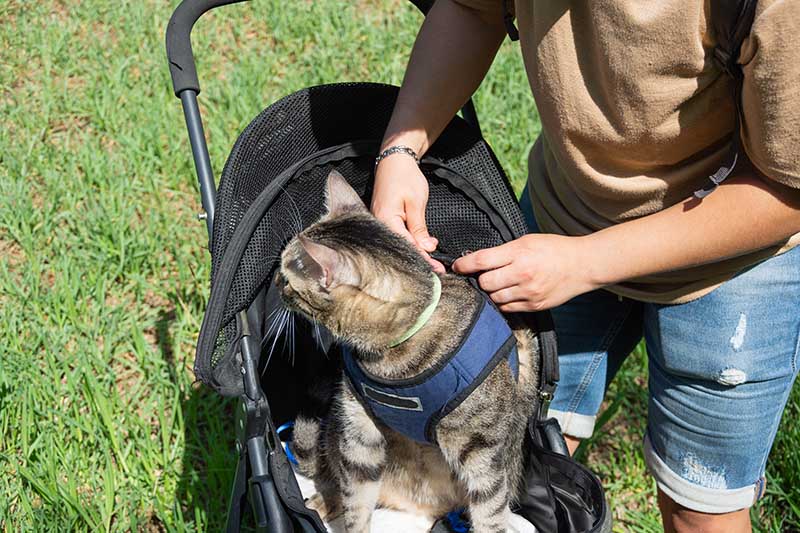
This step is where you praise small gains. Put the harness on and then give your cat a treat. Encourage them to walk around by putting treats or food around the room. You can also check the fit of the harness and make any adjustments.
Don’t rush into this phase of harness training. The goal is that your cat will be curious or at least ambivalent about wearing a harness. Forcing your cat won’t work to your benefit.
Tips for Success
5. Have Your Cat Wear the Harness for Brief Periods
Once you feel confident putting the harness on and taking it off, it is time to let your cat wear it for a bit. Let them walk around the house and get used to the feel of the harness. Make their time wearing it pleasant. Pet them, play with them, and give them a special treat.
When starting out, don’t leave the harness on for more than a few minutes at a time. Slowly work your way up to the length of a walk.
Tips for Success
6. Connect the Leash to the Harness
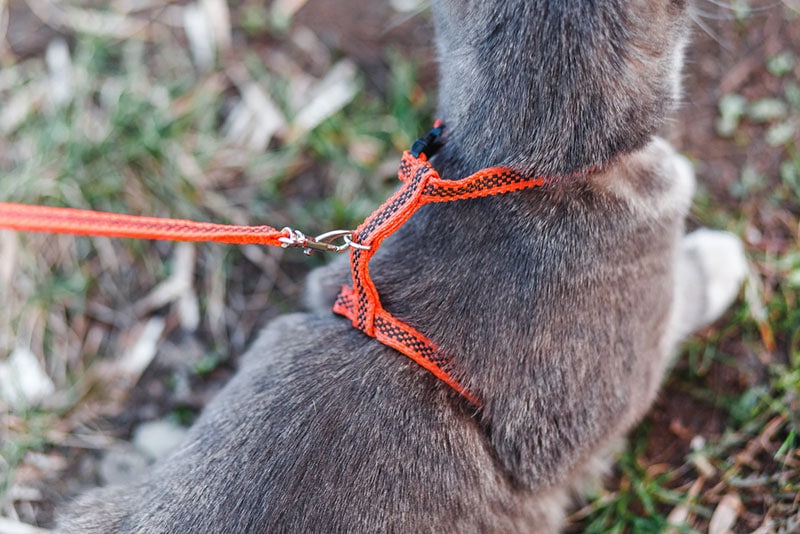
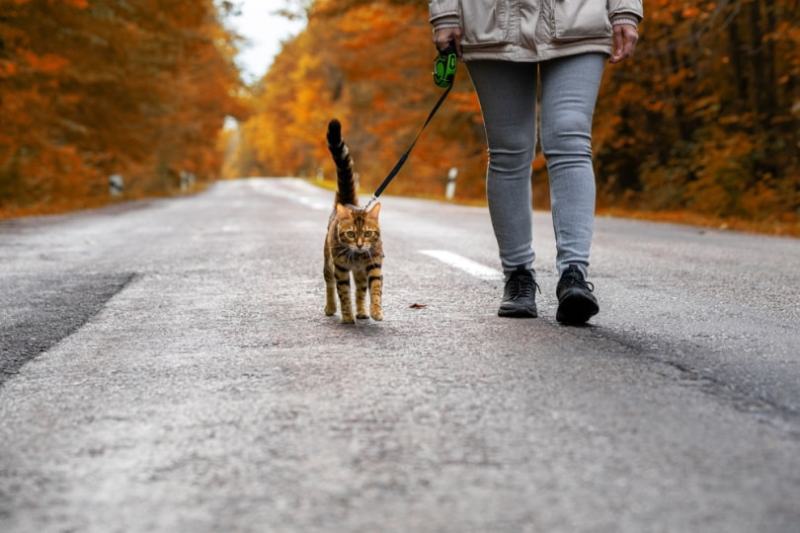
The whole point of harness training your cat is so you can walk them on a leash. Start by walking your cat on a leash while still indoors. That way, you can troubleshoot any issues while your cat is in a secure area.
Congratulations on making it to the finish line! Now you and your kitty are ready for outdoor adventures.
Tips for Success
Frequently Asked Questions
How Long Does It Take to Harness Train a Cat?
It is difficult to predict how long it will take to harness-train your cat. The process may go faster for kittens and cats that are used to being handled. In the end, your kitty will decide how long it takes!
Can You Harness Train an Adult Cat?
You can, but it may take a little longer. Hesitant adult cats should not be rushed. Give yourself and your cat plenty of time. Feeding an adult cat high-value treats and letting them play with special toys can make them enjoy (or at least tolerate) wearing a harness.
Why Do Cats Crawl or Freeze When You Put a Harness on Them?
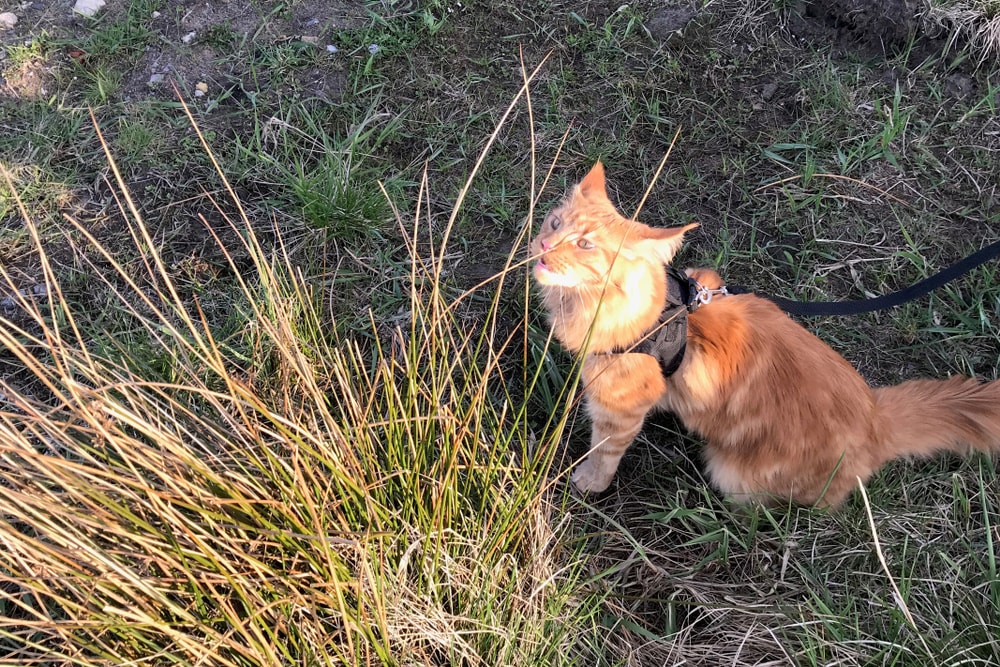
Don’t be surprised if your cat acts downright goofy when they first wear a harness. Crawling low to the ground or freezing in place are signs that a cat is not used to wearing anything on their body. You can encourage your cat to move by placing treats a few feet in front of them. Or, you can entice them to move around by waving a wand toy.
What Is the Best Style of Cat Harness?
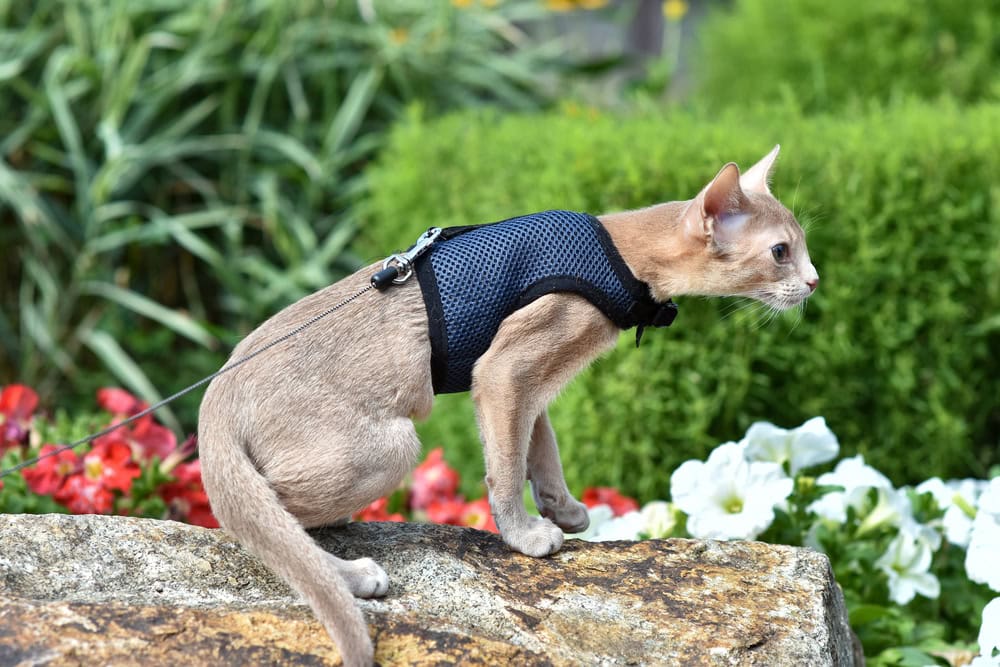
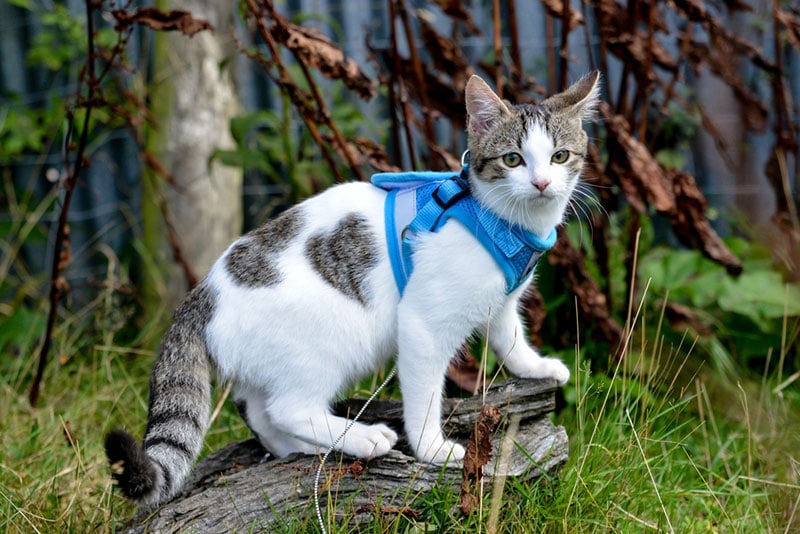
Cat harnesses come in two basic styles: loop and vest. Loop harnesses are connected straps that fit around the cat’s neck and chest. Vest harnesses are exactly what they sound like, little kitty vests.
The “best” harness is the one that your cat will wear. Don’t skimp on quality or be afraid to experiment with both styles.
Conclusion
Getting your cat used to wearing a harness can take time. You can set yourself up for success by purchasing a well-fitting harness and showing lots of praise throughout the process. Let your cat dictate how fast you move through the five steps we've listed here.
Get Hepper In Your Inbox


Pet care tips from our vets and experts, straight to your inbox.
You may opt-out at any time. View our Privacy Policy for more information.
Cassandra is a professional writer living in the Upper Midwest of the U.S. Much of her writing centers around home and family life, but she's been known to dabble in fiction. Her favorite topics to write about are pets, parenting, and food. Cassandra shares her home with two rescue pets: Liam, a Siamese mix, and Harley, a beagle.
Join the conversation
Ask a question, share your story, or send private feedback.