Hepper is reader-supported. When you buy via links on our site, we may earn an affiliate commission at no cost to you. Learn more.
How to Hatch Tortoise Eggs Naturally: Vet Reviewed Step-by-Step Guide


In this article
If you are interested in incubating and hatching your tortoise’s eggs, you may be wondering if this is a viable option to consider. How can it be done safely and effectively within your home environment? What kind of equipment and materials are necessary to successfully hatch tortoise eggs? These are all questions that should be answered before deciding if you’re up for the challenge of hatching your tortoise’s eggs at home on your own. Fortunately, we’ve got you covered! Here’s a comprehensive guide on how to naturally hatch tortoise eggs.

The Incubator
To successfully incubate and hatch your tortoise’s eggs, you will need some form of an incubator. If you don’t want to purchase one, here are a couple of home made options to consider. However, depending on the species of tortoise you are incubating, you may need a higher or lower humidity incubator.
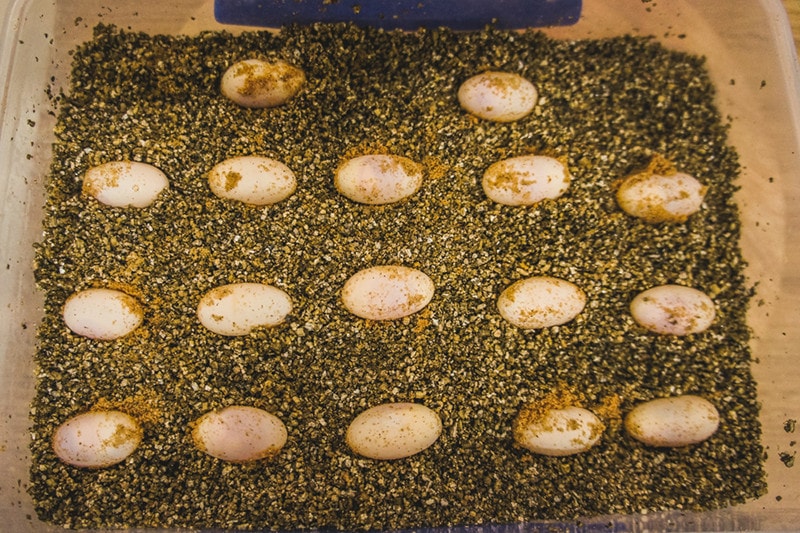
- Low humidity option: Put the eggs in a chicken egg carton, and then place the carton in an aquarium. You can also put at least 2 inches of clean sand in the bottom of the aquarium and place the eggs on the sand. Create a makeshift humidifier by putting 1 cup of water in the aquarium along with the eggs. Maintain temperature levels with heat lighting as necessary and use a thermometer to monitor temperature changes.
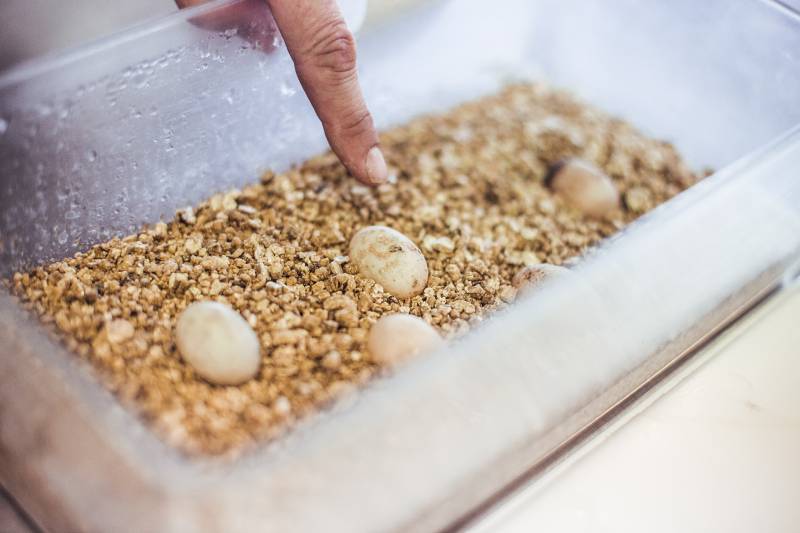
- High humidity option: Place the eggs on a suitable, moistened substrate, such as damp kitchen roll or sphagnum moss, inside a container such as a plastic margarine tub. The lid of the container must be left on to maintain the humidity. Place the container in a place that stays just above room temperature, for example, in a cupboard above the fridge or the water tank. The temperature should be about 27°C/80°F and humidity at 80%.
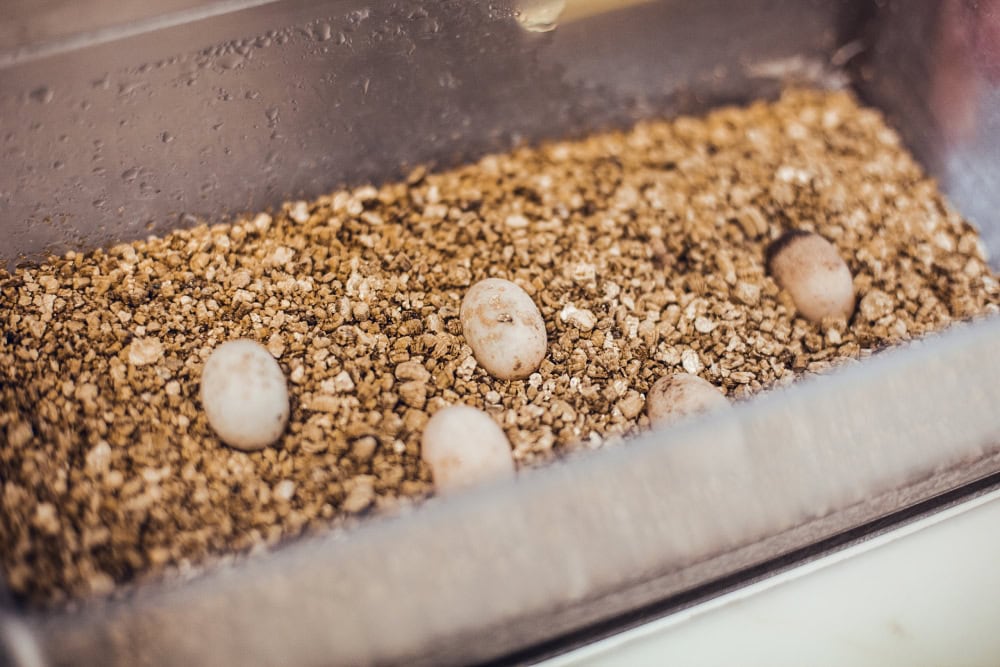
The 3 Steps for Tortoise Egg-Hatching Success!
Once your incubator is properly set up, you are ready to start the process so you can get to the fun part of watching your tortoise’s eggs hatch. Here’s what to do next.
1. Ensure Proper Temperature Levels
Make sure your incubator’s temperature always stays between 86 - 88.7°F (30-31.5°C). Ensure that the temperature is set before moving the eggs into the incubator and that the thermometer is placed in the same place as the eggs. If you’re not using a homemade incubator, read the directions that come with any incubator that you purchase, and ensure you have the correct temperature for the species of tortoise you are incubating.
It typically takes between 8 and 11 weeks for tortoise eggs to hatch depending on the temperature that they have been exposed to. The lower the temperature they’re exposed to, the longer it will take for them to hatch. At higher temperatures, hatching can happen sooner, but the extra heat can cause problems like deformities. Therefore, always make sure the temperature is within the correct range for your species of tortoise.
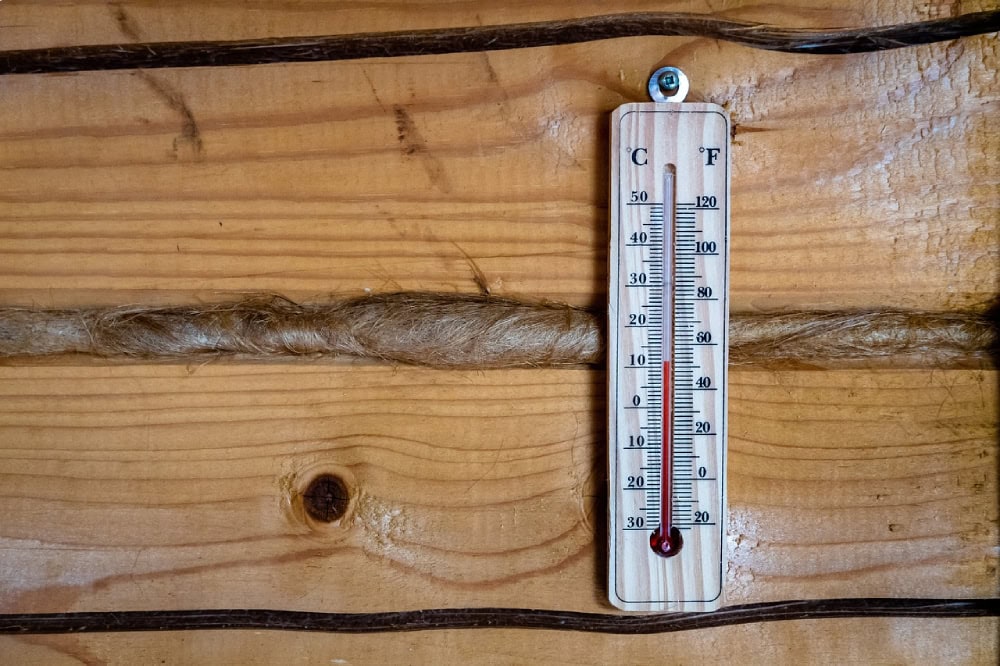
2. Check on the Eggs Often
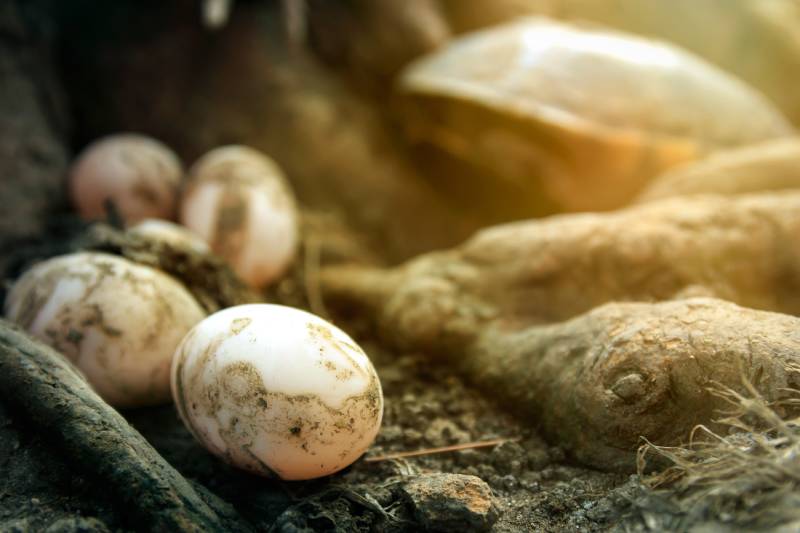
During the days that your tortoise’s eggs are incubating, check on them daily to make sure everything is okay. Visually check to see if there are any cracks in the eggs or if they are turning dark. If an egg has been damaged or has changed color, it can be removed and kept in a different incubator in hopes of survival. Try not to handle the eggs unless necessary. Their incubation period should be as natural as possible, and the eggs wouldn’t be handled in nature.
3. Watch the Eggs Hatch
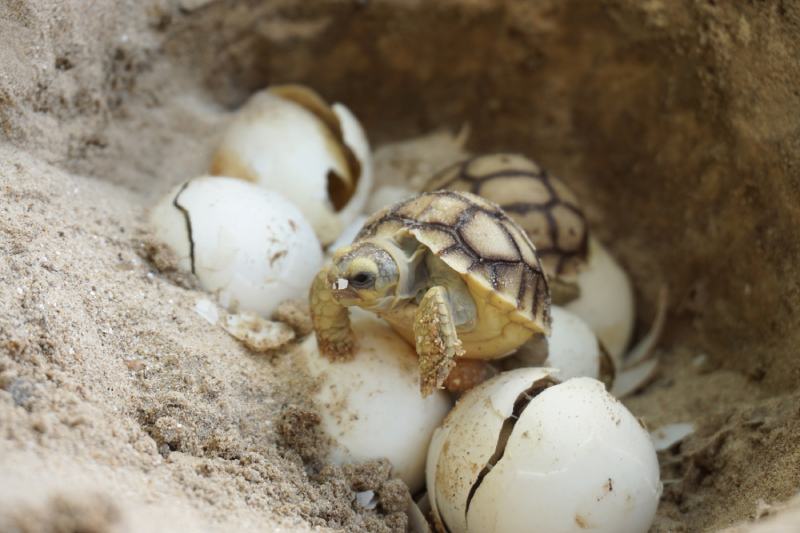
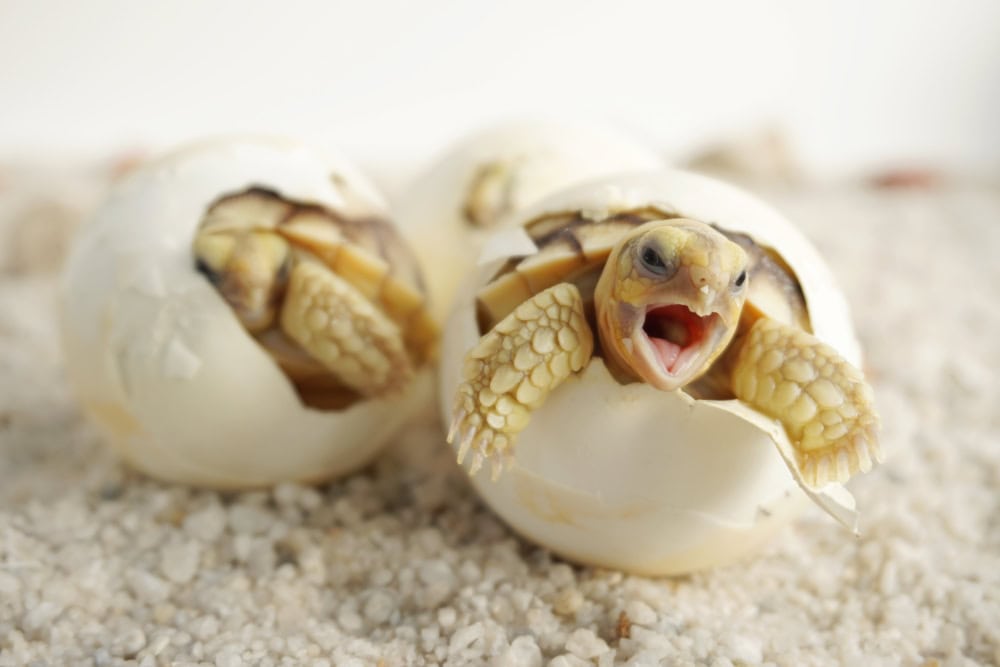
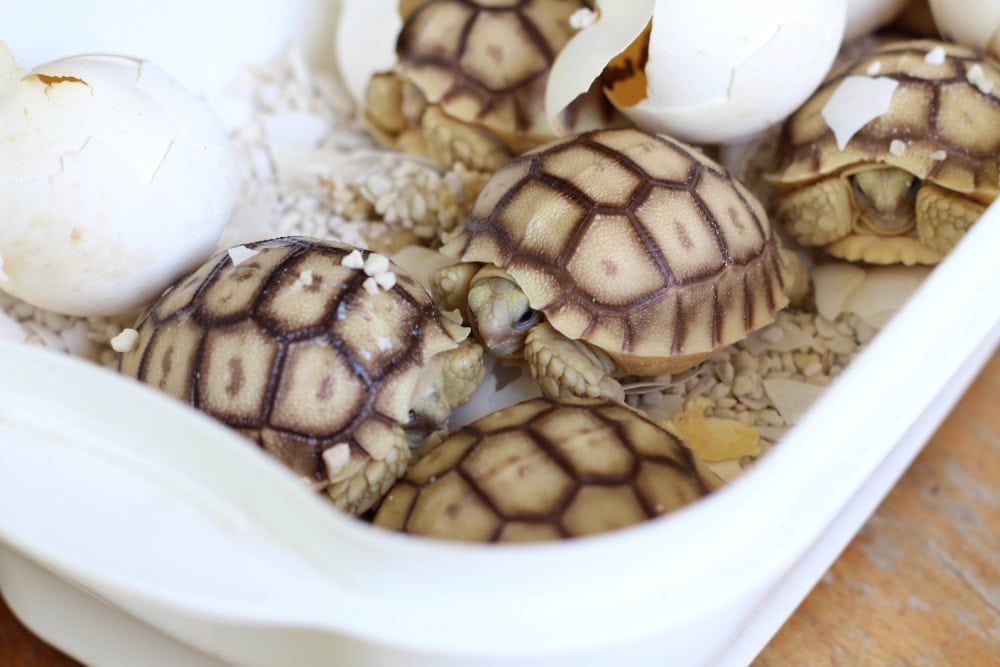
When the time comes, the eggs will start to hatch. You will first notice a tiny piercing in the shell that then turns into a small fracture. It can take anywhere from 8 to 24 hours for a baby tortoise to make their way completely out of their shell. Once part of the shell has been removed, baby tortoises usually stay in the egg for a while so they can absorb all their egg sac.
Finally, they will emerge from the rest of the egg. Keep in mind that not all the eggs will hatch at the same time. It takes longer for some tortoises to emerge from their shells than others, and some eggs might start hatching before others. Overall, it can take a couple of days for all your tortoise eggs to hatch.
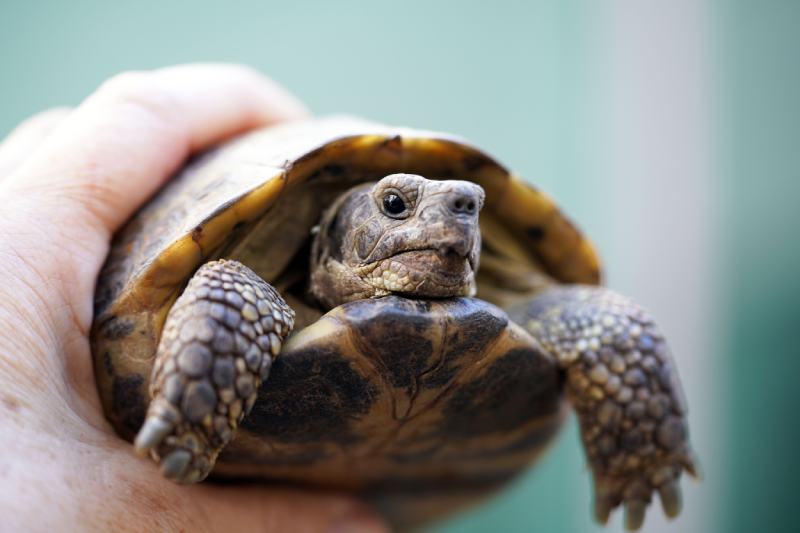
After the baby tortoises emerge, you can gently move them to their prepared, safe habitat.

Frequently Asked Questions
Can the Tortoise Eggs Be Handled?
You can handle your tortoise’s eggs if you want to, but it is not recommended because it doesn’t do anything to improve incubation and runs the risk of causing damage to the eggs.
What If One or More Tortoise Eggs Don’t Hatch Within 11 Weeks?
Be patient. Baby tortoises will hatch from their eggs in their own time. Sometimes, it can take an extra day or two for a few of the eggs to hatch.
Where Should the Incubator Be Kept?
Your incubator can be kept anywhere inside your home, but it’s best to keep it away from windows and doors where temperatures tend to fluctuate more than the interior areas of the house.
Final Comments
Hatching tortoise eggs can be an exciting and insightful experience, but it also requires commitment and responsibility. Hopefully, this guide for hatching your tortoise’s eggs will help see you through the process so you can enjoy baby tortoises when all is said and done!
Featured Image Credit: seasoning_17, Shutterstock
Get Hepper In Your Inbox


Pet care tips from our vets and experts, straight to your inbox.
You may opt-out at any time. View our Privacy Policy for more information.
Rachael has been a freelance writer since 2000, in which time she has had an opportunity to research and write about many different topics while working to master the art of fusing high-quality content with effective content marketing strategies. She lives off the grid in Hawaii with her husband, her garden, and her rescue animals including 5 dogs, a cat, a goat, and dozens of chickens. She is an artist at heart and loves to read, paint, and make jewelry in her spare time. As a vegan, Rachael is obsessed with helping animals in need both in her community and anywhere in the world where she feels she can make a difference. Animals also happen to be her favorite topic to write about!
Join the conversation
Ask a question, share your story, or send private feedback.