Hepper is reader-supported. When you buy via links on our site, we may earn an affiliate commission at no cost to you. Learn more.
African Spurred Tortoise Lifespan: Diet, Care, & Life Stages

In this article
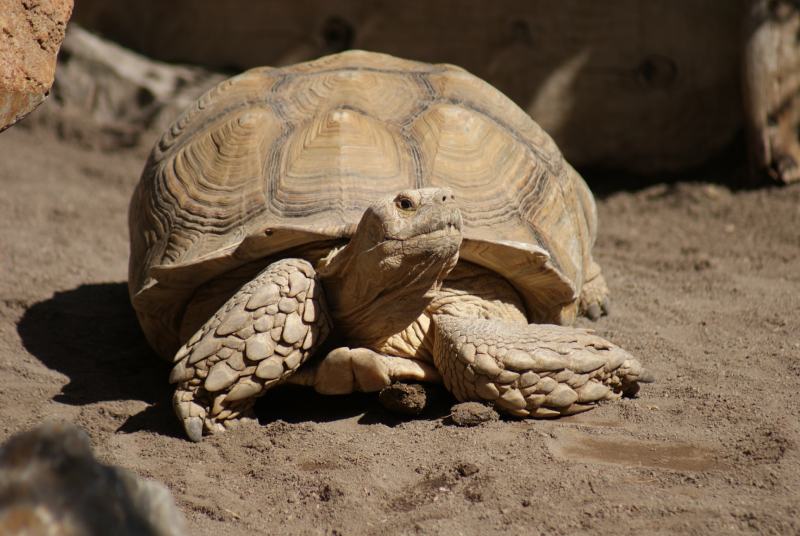
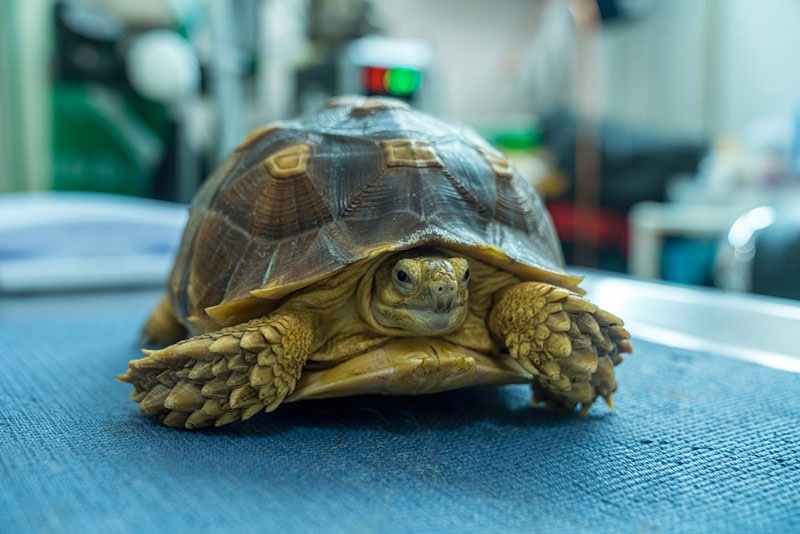
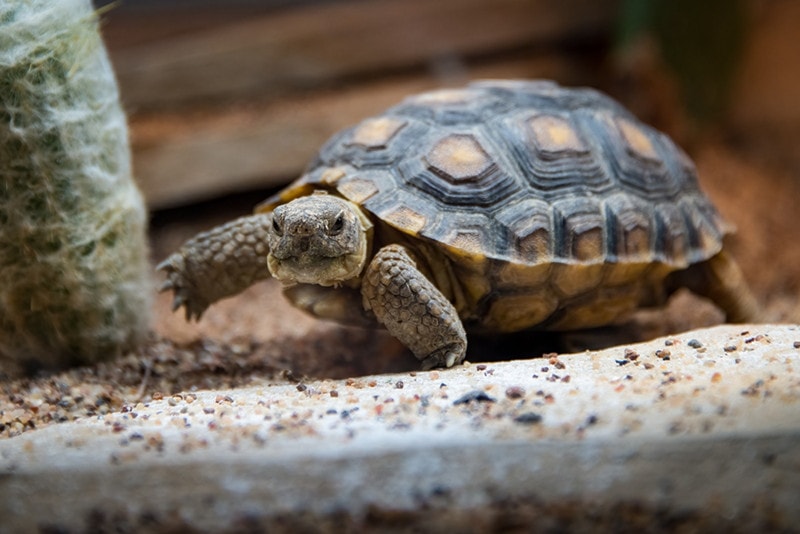
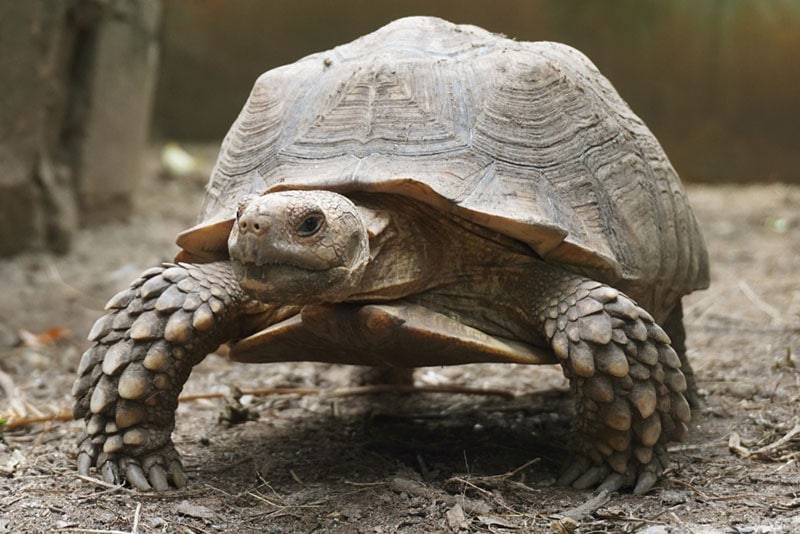
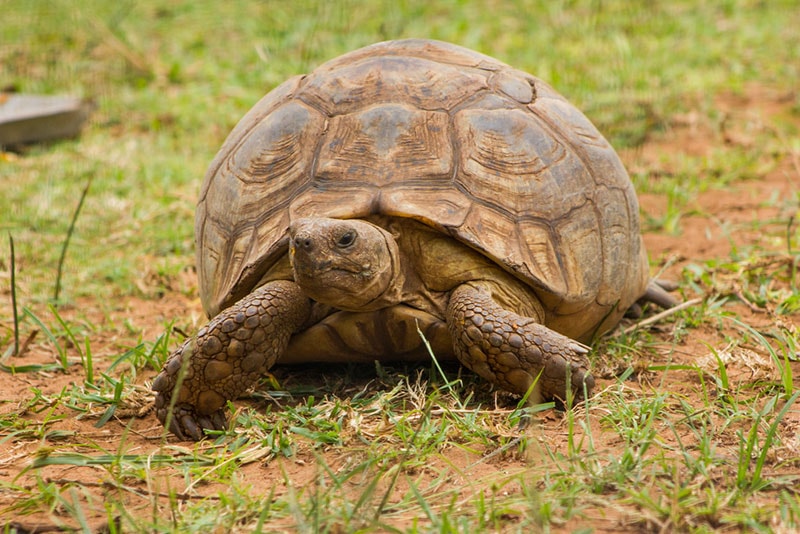
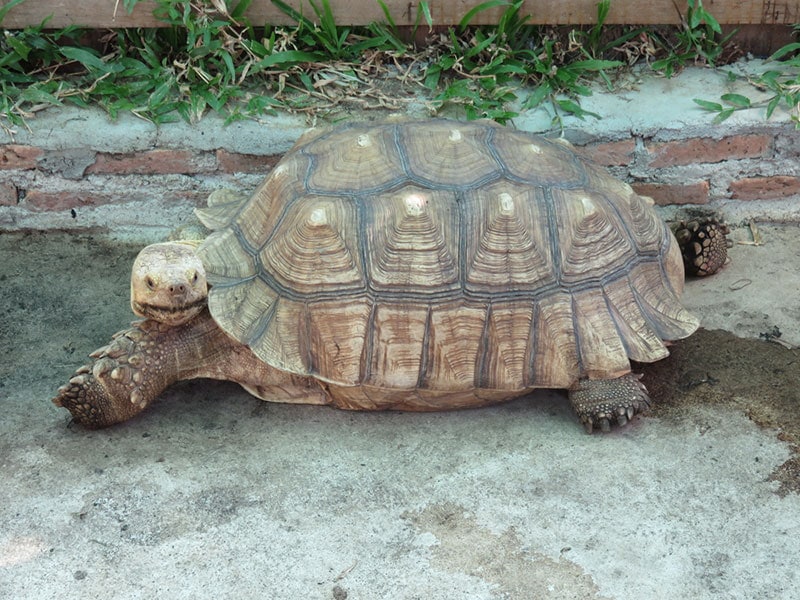
Yellowish brown with spiky “spurs” along their stocky legs, the African Spurred Tortoise is one of the largest tortoise breeds in the world. Also known as the Sulcata Tortoise, the African Spurred Tortoise naturally thrives in hot arid climates. Caring for an African Spurred Tortoise is a lifelong commitment: their average lifespan is around 70 years, but they may live 150 years or more in ideal conditions. Here's what you need to know about this special reptile to decide if they're the right pet for you.

African Spurred Tortoise Average Lifespan
hile 70 years is the average lifespan for an African Spurred Tortoise, it's estimated that some may live for 150 years or more. Unfortunately, we don't have extensive records for this tortoise species yet since humans haven't been keeping it as a pet for very long, so it is uncertain exactly how long they live. Since tortoises are usually some of the oldest animals on record, it's possible that the African Spurred Tortoise exceedingly surpasses their known average.
Tortoises in general live about 100 years on average, but some species may almost double that number. For example, in 2022, a Seychelles Giant Tortoise named Jonathan became the oldest land animal alive today. Jonathan is estimated to be at least 190 years old.

How to Care for Your African Spurred Tortoise for a Long Lifespan
An African Spurred Tortoise isn't your typical pet. If you decide to adopt a baby tortoise, you'll have a scaly friend that will likely live to see your grandchildren. That's a thrilling thought, but it'll take a lot of TLC to allow them to reach a ripe old age. Here's what you need to know about caring for an African Spurred Tortoise before you commit to adoption.
Feeding & Diet
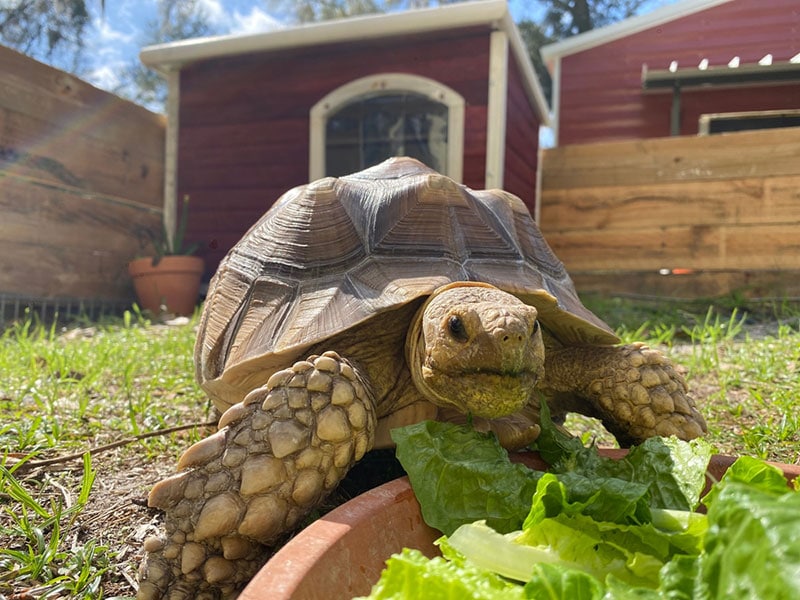
Tortoises are herbivores in the wild that mostly eat grass and hay. About 20% of their overall diet should also include green vegetables such as celery. Avoid feeding your tortoise greens that are high in oxalates, however, such as spinach, kale, and okra. Oxalates can cause urinary problems such as bladder stones.
Adopting a tortoise can provide your lawn with a built-in mower since they mostly eat grass. However, you'll want to make sure you only use organic fertilizers on the grass and don't use chemicals on it at all to avoid making your tortoise sick. In addition to grass and hay, your tortoise should also eat safe green vegetables, weeds, and flowers. Dandelion, clover, and cactus pads are all excellent options for adding some extra pizzazz to your tortoise's diet.
Environment
Fully grown, the African Spurred Tortoise may reach 150 pounds and up to 30 inches long. Since they're rather large pets, you probably want to keep your tortoise outside in the yard. The only exception would be if you live in a cold climate. Originating from Africa, this tortoise requires temperatures between 60°F and 100°F with a humidity level between 40% and 60%. If you live somewhere that doesn't provide this environment naturally, you'll need to build them a greenhouse or allow them in a room indoors where they can maintain a safe temperature. And, of course, you'll need to provide fresh water at all times no matter where they live. It's recommended that your tortoise also has a shallow wading pool for bathing, defecating, and cooling off in hot weather.
Care
The African Spurred Tortoise is a fairly docile creature that likes human companionship. They're not usually territorial or aggressive, and they tend to be easy to care for. If raised around humans, they'll be more likely to follow you around your backyard and might even be your gardening companion.
Cleaning
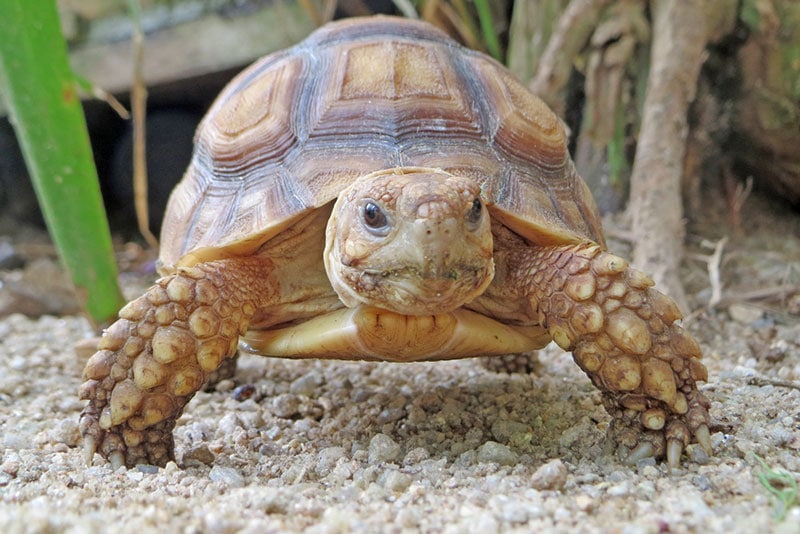
Whether you keep your tortoise indoors or outdoors, it's important to clean out their enclosure at least once a week to prevent infections and illnesses. If your tortoise stays outdoors in a temperate climate, you'll want to provide them with a doghouse or other shelter where they can rest in the shade. If they live outside in cool or cold weather, they'll need a greenhouse or other enclosure where they can stay warm.
Pairing/Breeding
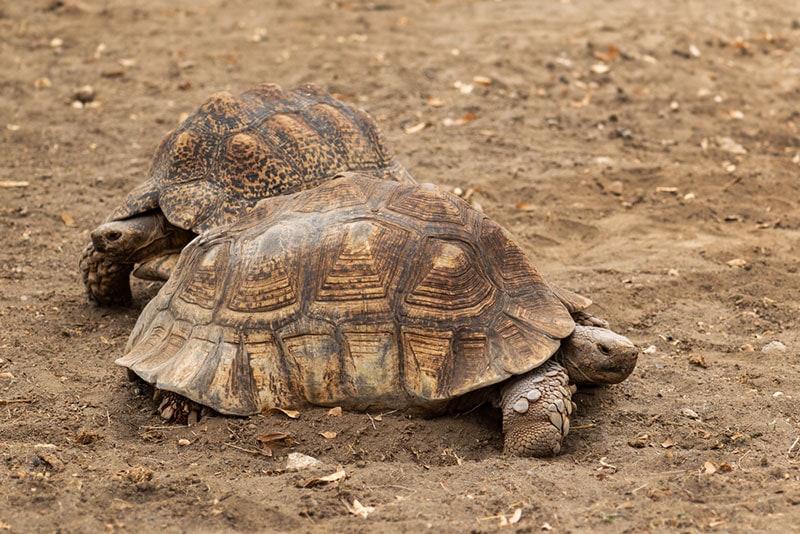
Tortoises are naturally solitary animals. While they don't need a friend, they may benefit from a partner or mate if you prefer. If you do decide to adopt more than one tortoise, make sure they have enough room to still have some privacy when they want to retreat.
Healthcare
As long as your tortoise appears healthy, you only need to take your tortoise to the vet about once a year for an annual wellness exam. Respiratory infections are one of the most common issues with this species, as with most tortoises. This is because higher than ideal humidity levels can lead to fungal infections in their respiratory tract. Some common signs of a respiratory infection include runny nose, decreased appetite, lethargy, and difficulty breathing. If it's determined that your tortoise has a respiratory infection, they will require medical care for treatment.
The Life Stages of an African Spurred Tortoise
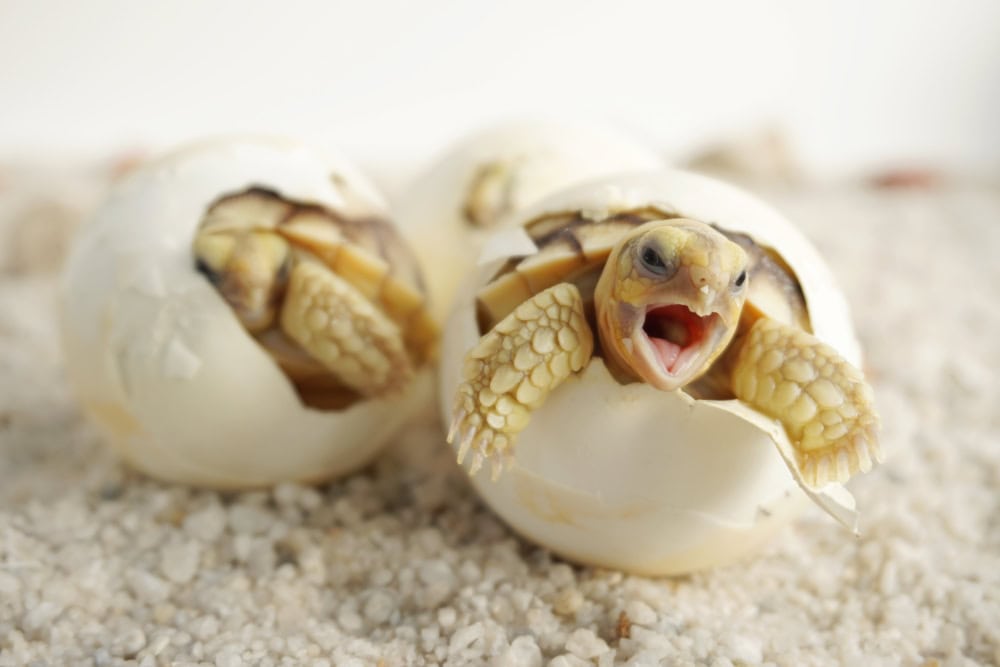
We think tortoises walk slowly, but their incubation period takes even longer. The breeding season for the African Spurred Tortoise ranges from September to November, after the rainy season. After a successful mating, the female carries the fertilized eggs in her body for around 60 days. Towards the end of this period, she'll make a nest. When it's time to lay the eggs, the female tortoise drops an egg every 3 minutes. A single brood may contain anywhere from 15–30 eggs! A long 8 months follow until the tortoises finally hatch, usually at night after a rainfall.
The African Spurred Tortoise is only 2–3 inches long at birth, but they rapidly grow to 6–10 inches during their first few years. Once they're fully grown, this tortoise can eventually measure between 18 to 30 inches long and weigh between 80 and 150 pounds.
How to Tell Your African Spurred Tortoise's Age
Unfortunately, there's no accurate method to determine your tortoise's age. Your veterinarian will likely be the best source, but unless you have breeding records it can be hard to receive more than an educated guess.
Conclusion
An African Spurred Tortoise is a special pet that will likely outlive you. Although they aren't difficult to care for, their longevity and environmental needs may seem strange if you've predominantly owned traditional pets such as cats and dogs. You'll need to weigh out your options such as where the tortoise will be housed and who will take care of them in posterity in order to see if tortoise ownership is the next step for you.
Related Read: Marginated Tortoise: Pictures, Facts, Diet & Care Guide
Featured Image Credit: seasoning_17, Shutterstock
Get Hepper In Your Inbox


Pet care tips from our vets and experts, straight to your inbox.
You may opt-out at any time. View our Privacy Policy for more information.
Brooke Bundy is a freelance writer who graduated from the University of North Georgia with a B.S. in Media Studies. She is interested in storytelling across different mediums. When she isn’t writing, Brooke loves to spend time with her dog, and three cats, in New Orleans, Louisiana. Brook enjoys gardening, cooking, brewing coffee, and making her pet's house a home.
Join the conversation
Ask a question, share your story, or send private feedback.