Hepper is reader-supported. When you buy via links on our site, we may earn an affiliate commission at no cost to you. Learn more.
How Many Eggs Does a Turtle Lay at a Time? Vet-Approved Breeding Facts


In this article
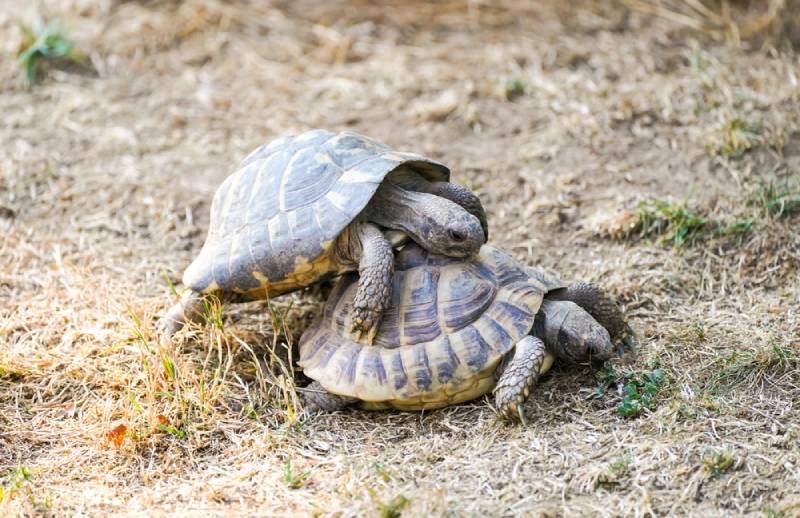
Turtles are fascinating creatures to observe in the wild and can make great pets. They have many interesting behaviors and can be quite educational for children and adults. Many people are interested in how many eggs turtles can lay at a time. This can be a difficult question to answer with so many different species of turtles out there, but for captive turtles, you can usually expect two to 30 eggs per clutch. Keep reading as we look at a few different species to learn about their egg-laying process.

Do Turtles Lay Eggs?
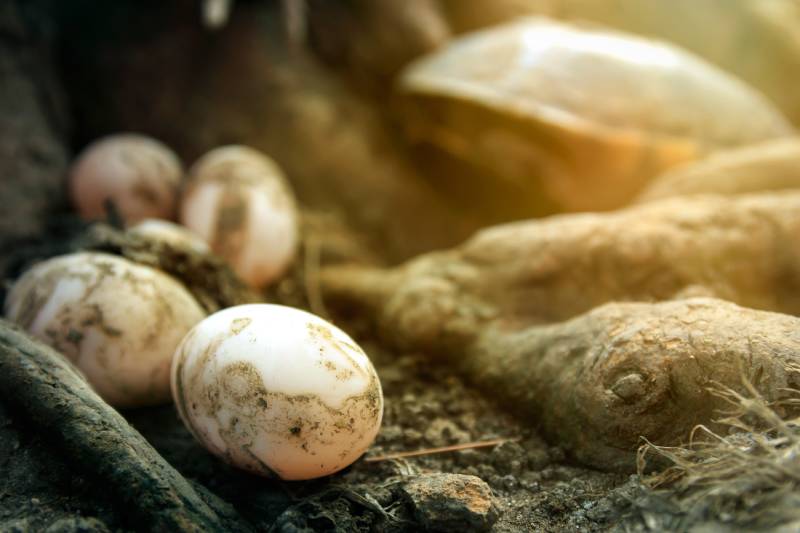
Turtles are oviparous, meaning they reproduce by laying eggs outside their bodies. Unlike mammals, they do not give live birth. Female turtles must find suitable nesting sites on land to deposit their eggs safely. This process is crucial to the survival of their species, as it ensures the continuity of their population.
Sea Turtles
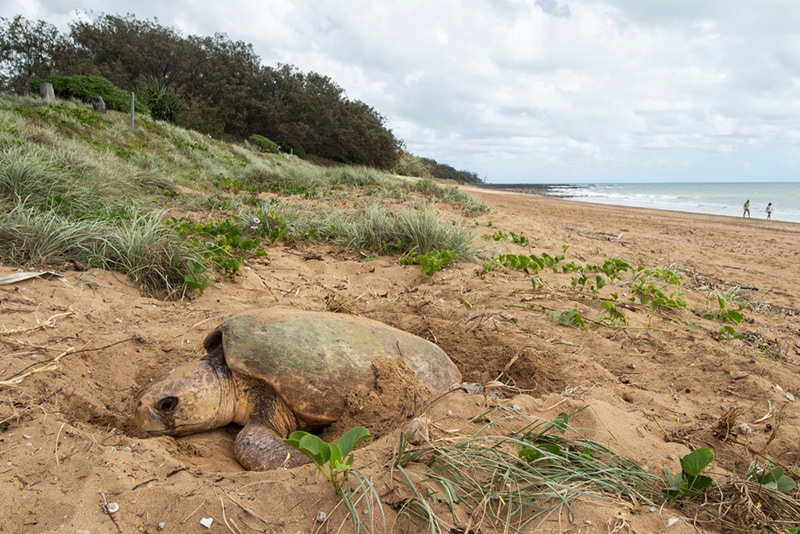
Sea turtles are long-distance travelers who migrate thousands of miles yearly, often returning to the beaches where they were born to lay their eggs. Female sea turtles may lay 50–200 eggs in a single nest, depending on the species. Examples of sea turtle species include the green sea turtle, loggerhead sea turtle, olive ridley sea turtle, and flatback sea turtle.
Freshwater Turtles
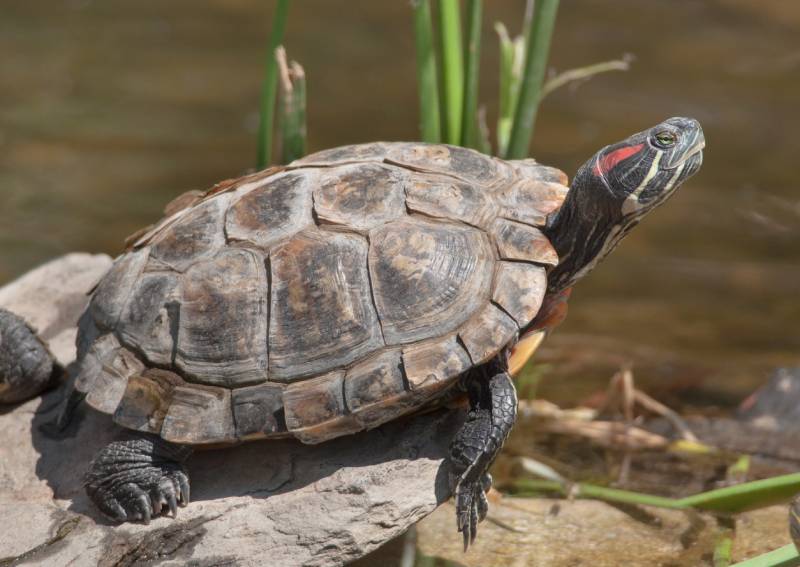
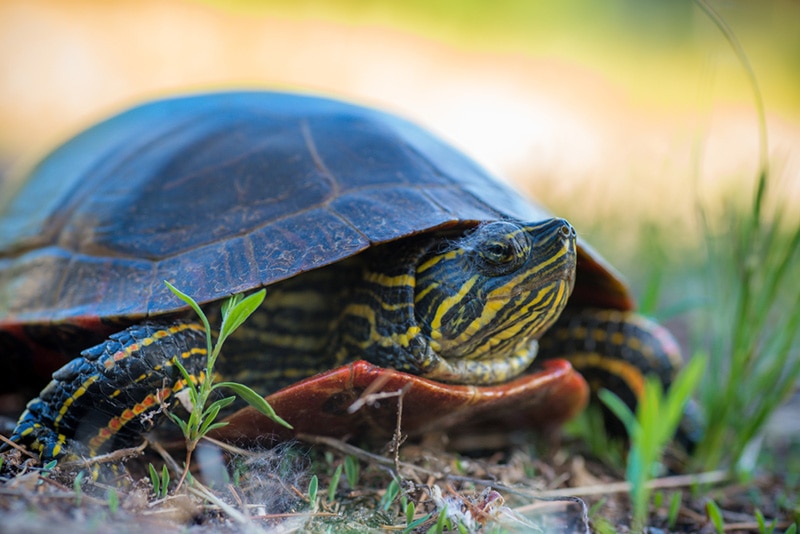
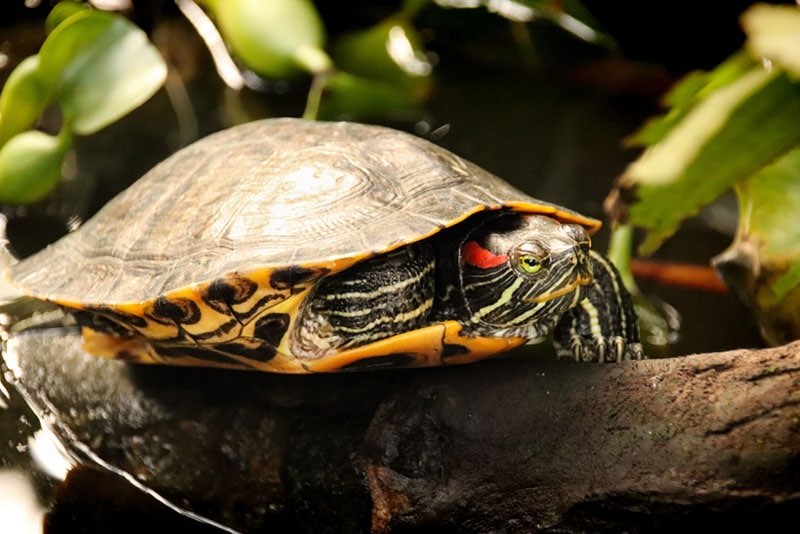
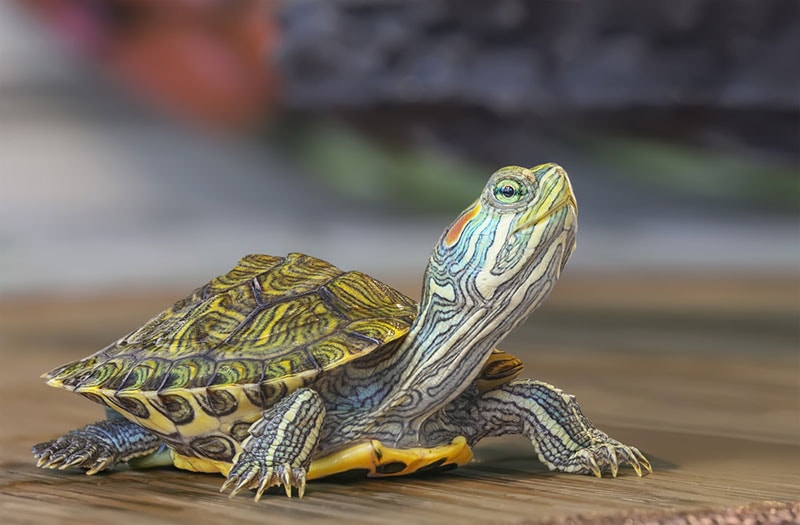
Freshwater turtles are more localized, with smaller home ranges than sea turtles. They prefer calm waters like ponds, lakes, and rivers. Common freshwater turtle species include the painted turtle, red-eared slider, and snapping turtle. The number of eggs that they lay varies from species to species, but generally, they can lay between five and 30 eggs per nest.
Terrapins
Please note that taxonomically, the term “terrapin” has fallen out of use and is usually used to denote just the diamondback terrapin (Malaclemys terrapin) these days. Terrapins do not form a taxonomic unit.
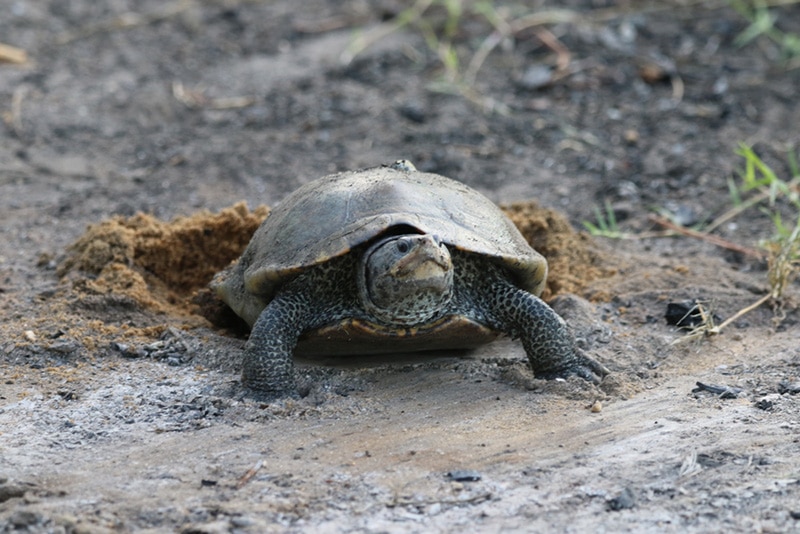
Terrapins inhabit coastal habitats and estuaries, which mix freshwater and saltwater. They typically lay around eight to 12 eggs in a single clutch and face unique challenges due to habitat loss and increasing human activity in coastal regions. Common terrapin species include the diamondback terrapin, northern red-bellied cooter, mangrove terrapin, and Batagur turtle.
The 5 Stages of the Nesting Process
1. Finding the Right Spot
The first step for a female turtle is to locate a suitable nesting site. Different species have different preferences for nesting locations. Some prefer sandy beaches, while others like loose soil near bodies of water. In a tank, you will notice your turtle spending more time out of the water exploring the environment to find a good spot.
2. Digging a Nest
Once the female finds the ideal spot, she begins the laborious process of digging the nest. Using her powerful rear legs, she creates a hole deep enough to protect the eggs from predators and temperature fluctuations. A fine grade of sand in the aquarium will help make the digging process easier.
3. Laying the Eggs
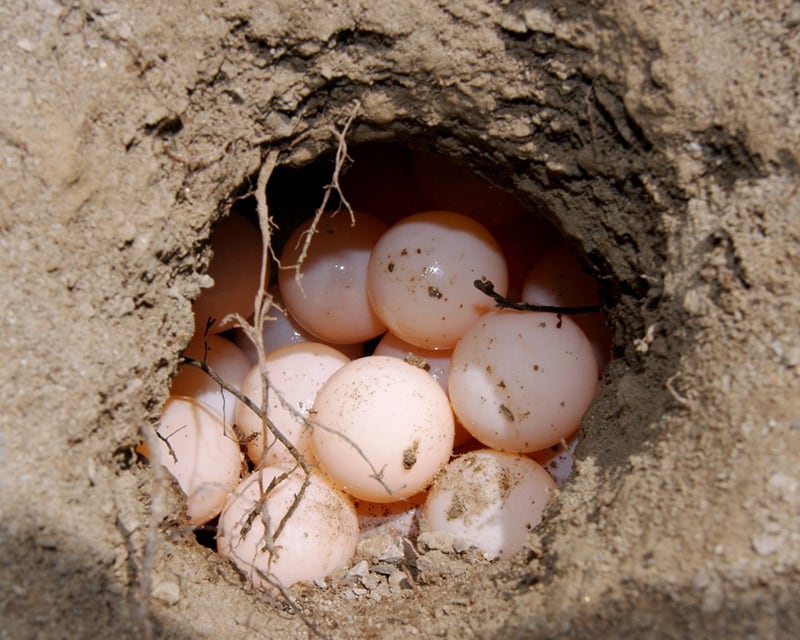
After she digs the nest, the female lays her eggs one by one into the hole by pushing them out of her cloaca, a tiny hole at the base of her tail. She then covers the eggs with sand or soil, concealing them from potential threats until they hatch. Many turtles, especially sea turtles, dig multiple nests and deposit a few eggs in each nest. They likely do so to protect some of the eggs from harm in case a few are found by predators.
4. Incubation Period
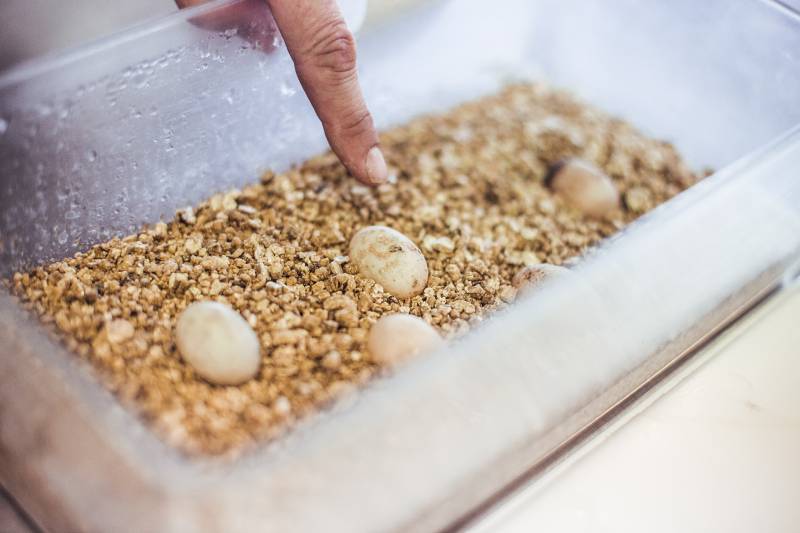
The incubation period varies depending on the species and environmental conditions. It can range from a few weeks to several months, with many taking 8–12 weeks. The developing embryos are vulnerable to disturbances and temperature changes during this time, so they must be hidden away from foot traffic and other potential dangers.
5. Hatching
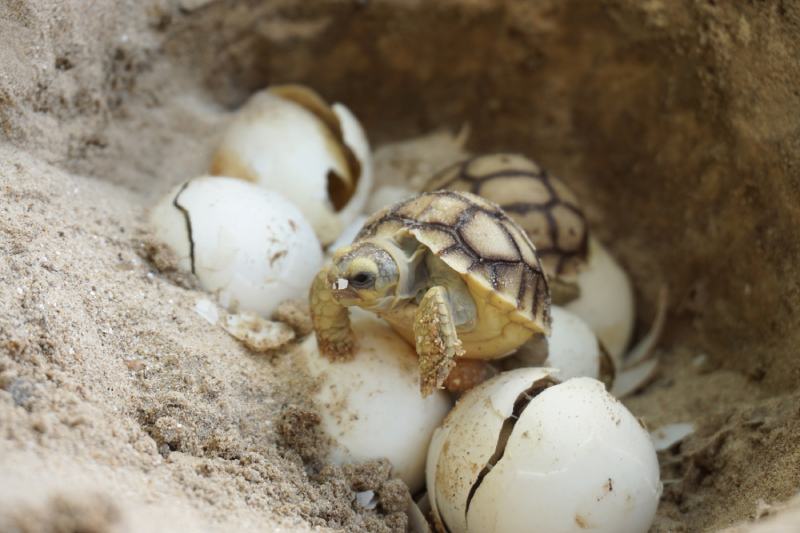
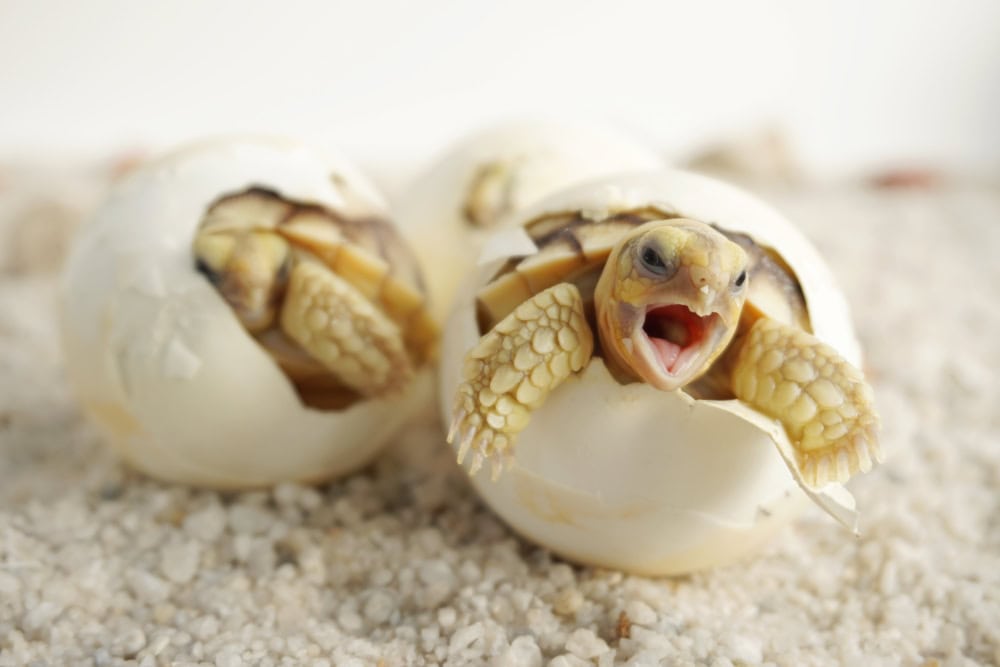
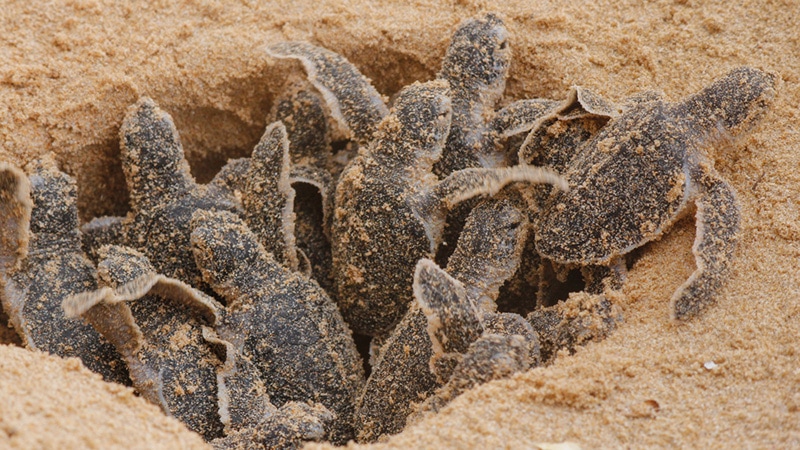
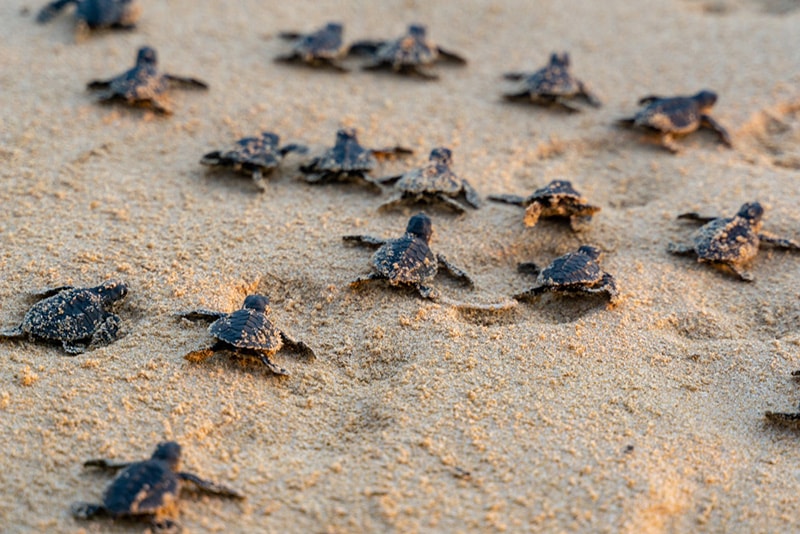
When the time is right, the hatchlings use their egg tooth to break through the eggshells. Once they emerge from the nest, they instinctively head toward the nearest body of water. Sea turtles will use the slope of the beach, moonlight, and the white crests of the waves to find water, while freshwater turtles will keep their eggs closer to the water, so it is easier to find them after hatching.
Turtles are considered to be precocial; this means they don’t rely on their parents for care and protection. They are self-sufficient from the moment they are born and instinctively know how to survive and what to eat. When kept as pets, you should not expect their parents to “recognize” them once they hatch. Likewise, you shouldn’t expect a newborn pet turtle to recognize its parents in a vivarium or aquarium.

Threats to Turtle Eggs
Predators
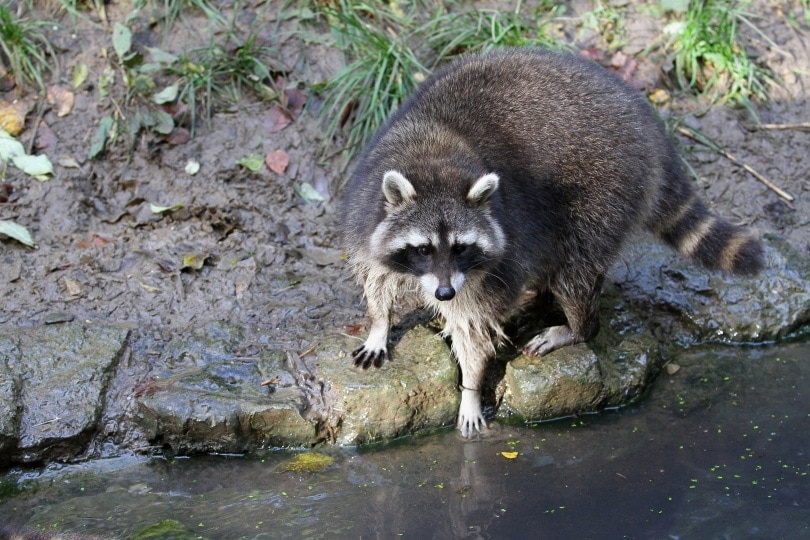
Natural predators of turtle eggs include raccoons, foxes, birds, and other turtles. When other food is scarce, they will locate and dig up the nests, consuming the eggs or hatchlings, significantly reducing the number of turtles in a given area.
Habitat Destruction
The loss and destruction of nesting habitats due to human activities, such as coastal development or beach erosion, make the eggs even more vulnerable. Humans and other animals might also walk over the nesting sites accidentally, reducing the number of eggs that can hatch.
Climate Change
Climate change has a profound impact on turtle populations. Rising temperatures can affect turtle embryos, as they rely on temperature-dependent sex determination. Higher temperatures can lead to imbalanced sex ratios, potentially reducing reproductive success. Additionally, increased storm activity and sea level rise pose threats to nesting beaches and can result in the loss of important nesting habitats.
Conservation Efforts
Recognizing the importance of turtle conservation, various organizations, researchers, and governments are implementing measures to protect nesting sites and ensure the survival of turtle populations. Tactics that they employ include establishing protected areas, implementing nest-monitoring programs, and educating local communities about the importance of turtle conservation.
Conclusion
The number of eggs that a turtle lays at a time can vary dramatically depending on the type and species, with some only laying a few and others laying more than 200. However, the freshwater turtles that we often keep as pets usually lay two to 30 eggs that hatch in 9 to 12 weeks. When ready to lay her eggs, a female turtle will spend more time outside the water looking for a suitable nesting site before digging deep holes, depositing the eggs, and covering them so they can remain undisturbed. Once they hatch, they immediately head for water and begin feeding on aquatic plants.
Sources
Featured Image Credit: SunsetPaper, Shutterstock
Get Hepper In Your Inbox


Pet care tips from our vets and experts, straight to your inbox.
You may opt-out at any time. View our Privacy Policy for more information.
Ed Malaker is a veteran writer who has contributed to a wide range of blogs that cover pets, tools, guitars, fitness, and computer programming. When he’s not writing, Ed is usually performing DIY projects around the house or working in the garden. He’s also a musician and spends a lot of time helping people fix their guitars and composing music for independent films.
Join the conversation
Ask a question, share your story, or send private feedback.