Hepper is reader-supported. When you buy via links on our site, we may earn an affiliate commission at no cost to you. Learn more.
How to Litter Box Train an Older Cat: 5 Expert Tips

In this article
So, you're wondering how to train an older cat to use a litter tray. Perhaps you have found an alley cat in need of domestication, or you're taking in an older, strictly outdoor cat. You're in luck. Cats are amazing animals that are basically potty trained from square one—even older ones.
So, even though you can’t teach an old dog new tricks, it doesn’t mean the same for our feline companions! They can learn to use the litter box virtually at any point in their life. However, we're going to go over certain things to consider when you're bringing in a fully grown adult or senior cat.

It’s Easier than You Think
The good thing about litter training a cat is that you often really don't have to train them at all. Since covering their waste is instinctual, they will naturally search to cover it up. Areas like hardwood floors, laminate tiles, and even carpets are just unsuitable for this action, and they much prefer having some loose substrate to hide it.
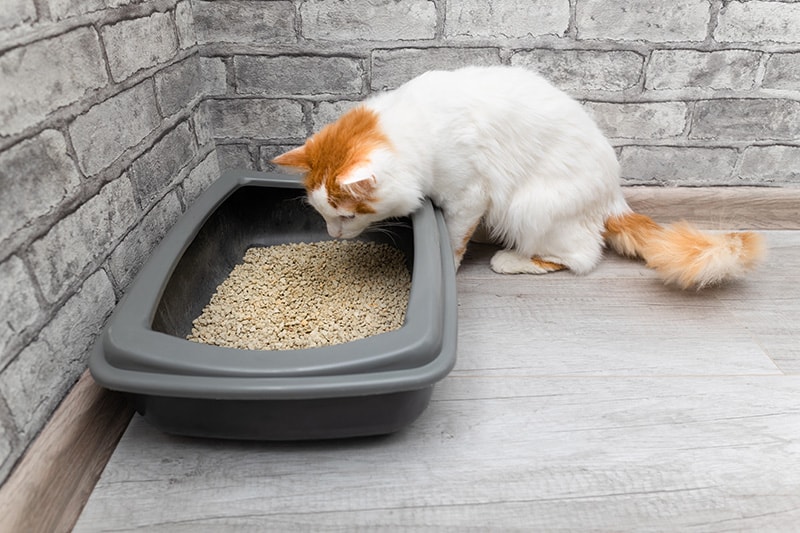
If an adult cat has never used the litter box inside, they will probably be very excited to find a place where they can cover their business. Outside, they can easily find mulch, dirt, sand, or other items found in nature to do the job. Once they realize that the same option exists inside, they will quickly acclimate to the litter box with little effort on your part.
Some cats might be more challenging than others. However, a majority of cats will get the hang of it in no time, even older ones.
Why Is it Instinctual for Cats to Cover Waste?
We get really lucky in terms of potty training cats. Cats are instinctually driven to cover their waste, so they’ll much appreciate having a substance in the home where they can hide their scent. Cats are vicious predators, we know this. However, cats are also susceptible to a number of larger predators themselves.

How to Train an Older Cat to Use the Litter Box
1. Limit Space Initially
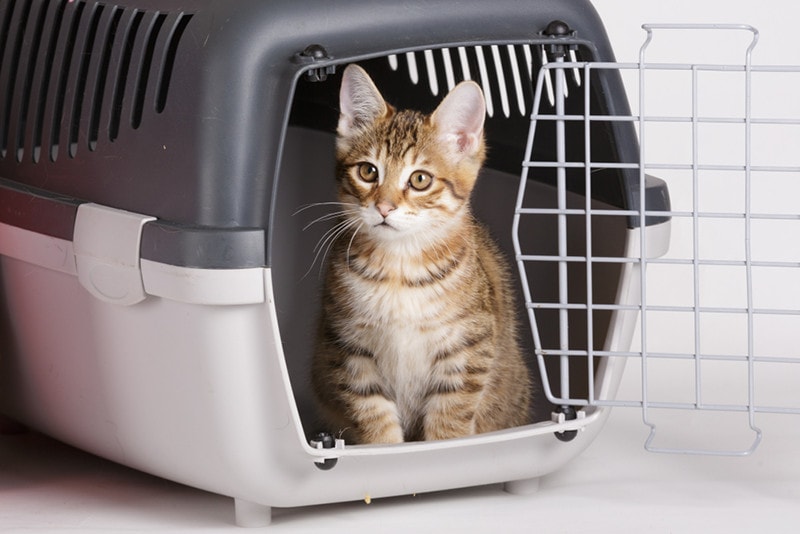
When you are allowing a full-grown cat to come into your home, you won't want them sneaking and finding a spot to do their business before they learn how to use the litter box.
When they get home, they will be intimidated, scared, and experiencing everything for the first time. Not only will this make it difficult for your cat to remember where the litter box is, but the extra commotion might make them run to hide to do their business. You might not find it for days or weeks. Keep close tabs on them when they first come home.
2. Offer Suitable Litter
Some cats will go to the bathroom with any kind of litter. Others can be really picky about what they prefer. You might get lucky if there is a litter that works for you and the cat immediately. Or, it might be a bit more complex to get them interested until you find the right texture.
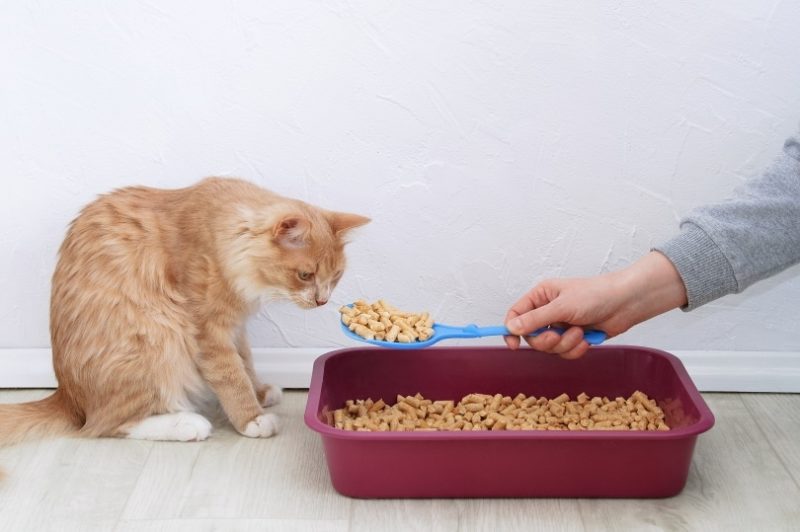
There are tons of options. Traditional clay works very well for a number of reasons. Often, clay is clumping, so it adheres to the waste, making it easier for your cat to cover up. However, there are also non-clumping litters that often provide lower levels of tracking.
Here are some materials you can expect to see on the market:
Ultimately, your cat will either love or hate the litter you bring home, and it shouldn't take long for them to decide whether they like it. But, it’s best to start with a smaller package until you’re sure they like a particular litter.

3. Make Sure the Litter Box Is in a Quiet Location
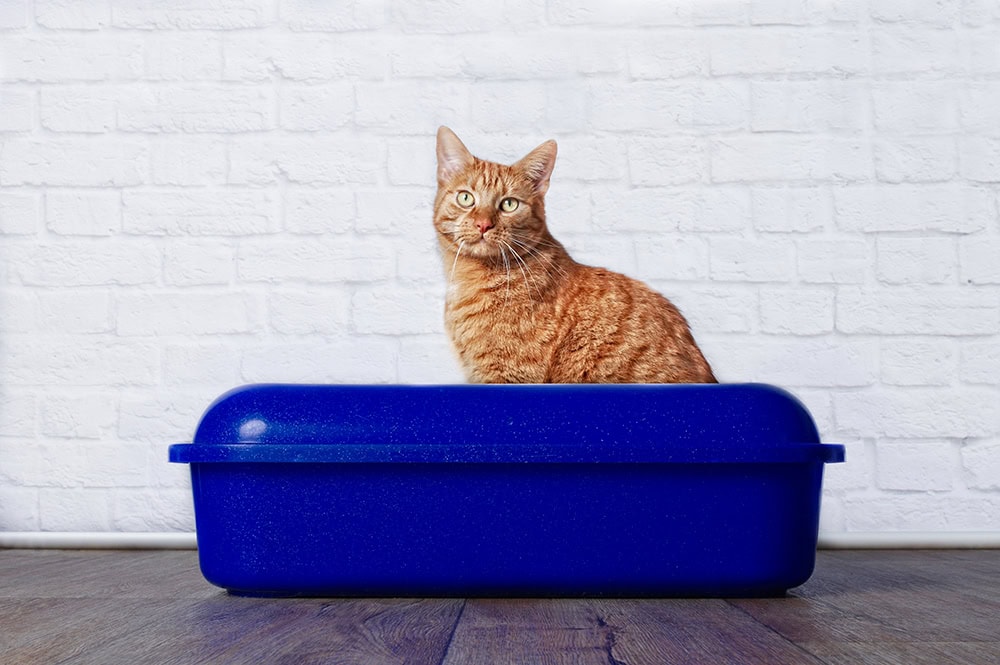
If you have an older adult cat, they can be a little more difficult to acclimate than a small kitten who has seen the world for the first time. To make the newcomer more comfortable, you must keep the litter box in a quiet location where they feel secluded.
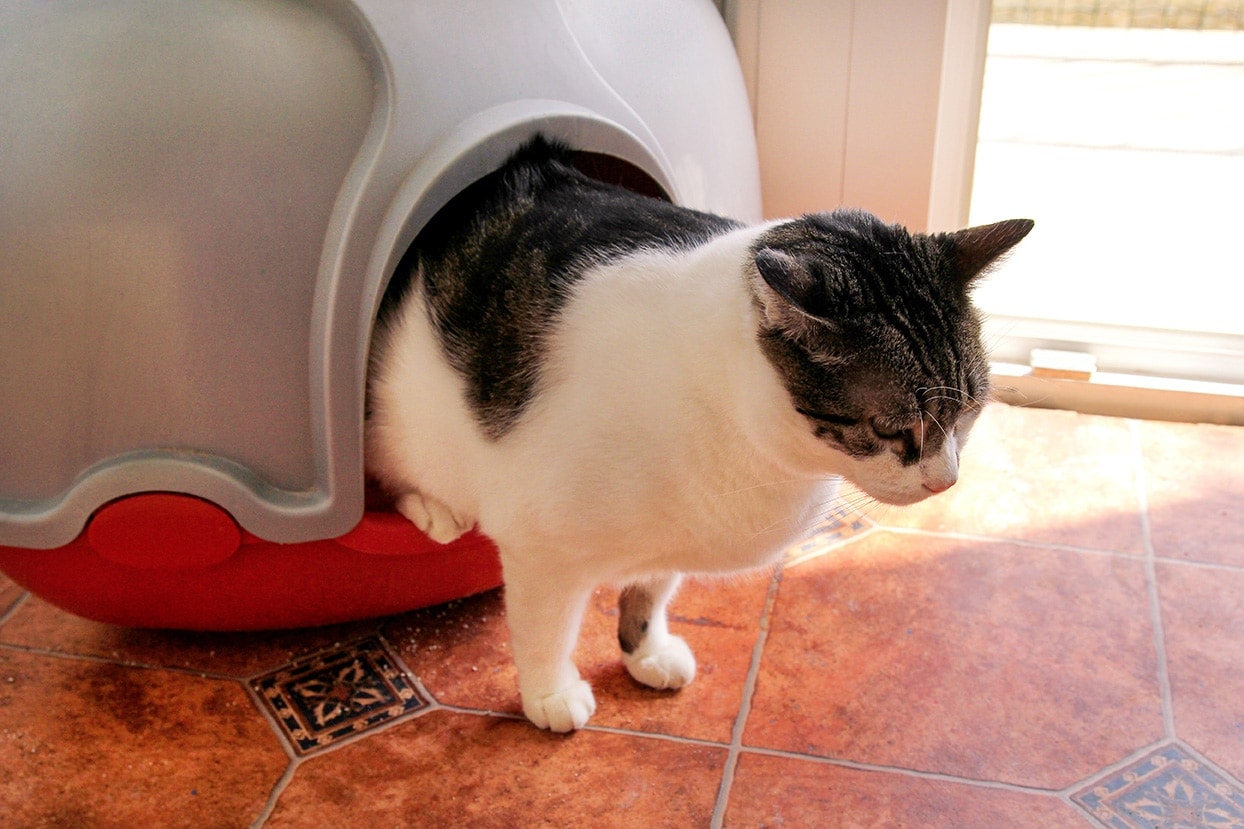
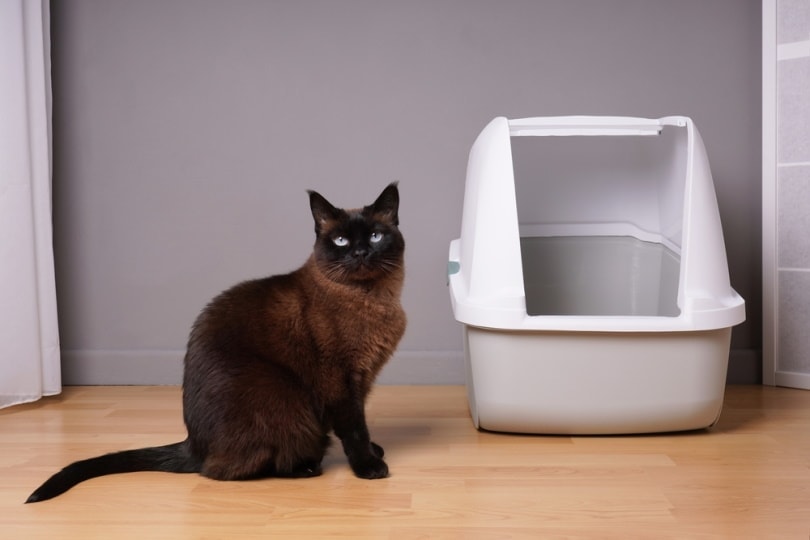
Doing your business in a crowded area can make your cat feel highly vulnerable, especially if they aren't used to this at all. Try to keep the litter box in a room that is less traveled. You can also purchase a litter box that sufficiently hides your cat, such as a covered or walled-in litter box.
4. Offer Praise and Treats
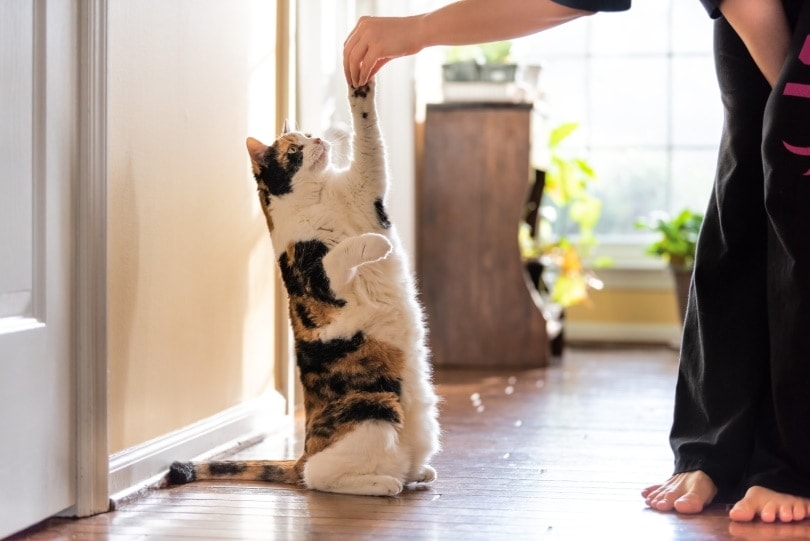
You are still working on the bonds between you and your new companion. To amp up the ante, give them lots of treats and praise. This is especially important when they’re using the litter box for the first time. They will quickly associate the reward with the behavior.
Finding treats that your cat likes can be a challenge in itself. Some felines are extremely picky, while others gorge on almost anything. Make sure to get a small variety of snacks so you can test them out, seeing which one your cat likes best.
5. Keep the Litter Box Clean
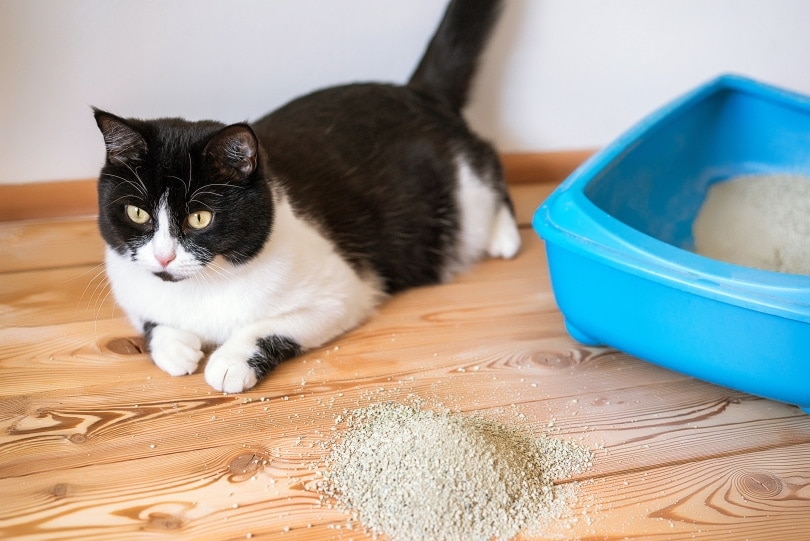
When you are introducing an older cat to the litter box, it is incredibly important to keep it clean. Casts are extremely tidy animals that take grooming very seriously. They do not like going to a dirty litter box. If you let the litter box get dirty, it can cause them to eliminate outside of the box, which is not a habit you want them to start.
Helpful Tip: When you are litter box training, you can always keep a piece of waste in the litter box to use as a guiding tool. Your cat will smell their scent and return to the area to repeat their business. However, it's best to spot clean daily and do a full litter box change once every 3 weeks to a month.

Managing Territorial Spraying
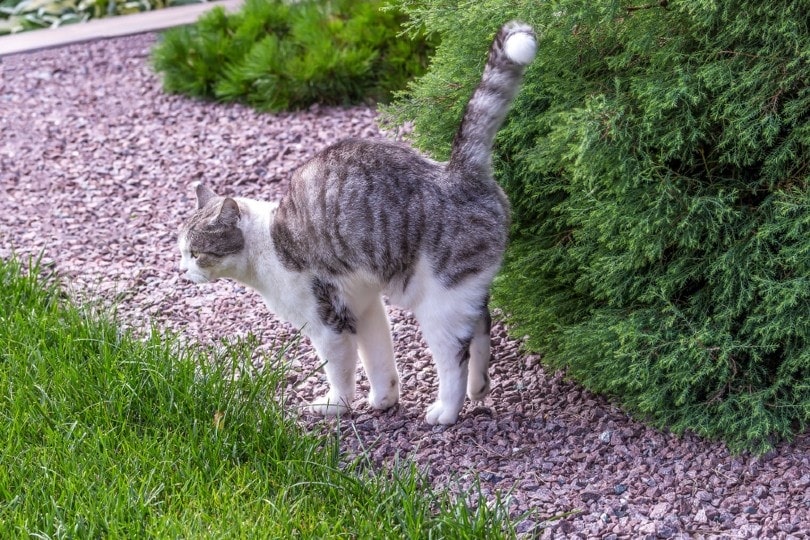
If you are bringing in a fully grown adult cat, especially if they are older, have they been spayed or neutered? If not, it's likely that they have already started spraying to mark their territory. When they come into your home, the same behaviors can repeat themselves. Once a cat is accustomed to spraying, they might keep doing it regardless of whether you get them fixed.
Spraying can be an extremely hard behavior to curb and is one of the major challenges people face when getting unaltered adult cats. There are no surefire methods to end the madness, but you can try certain options like buying odor-eliminating sprays, using deterrent smells, or making sure other cats in the home are also fixed.
Conclusion
We hope you're happy to learn that litter training an older cat is not only doable, but it is as easy as training a kitten. Cats naturally want to cover up their waste, so when you give them the resources to do so, they will take advantage of that.
One major problem with older cats in the home is spraying. Even cats that have been spayed or neutered can still spray if they are acclimated to doing it already. You can take certain steps to prevent them from spraying in the home, but understand that this might be a complex behavior that requires attention. Best of luck potty training your older newcomer!
Featured Image Credit: Axel Bueckert, Shutterstock
Get Hepper In Your Inbox


Pet care tips from our vets and experts, straight to your inbox.
You may opt-out at any time. View our Privacy Policy for more information.
Ashley Bates, a freelance writer with a passion for pets, is currently studying animal therapy. She is a mother to four children and 23 pets, both furry and feathery. Ashley actively volunteers at local shelters, advocates for animal welfare, and rescues animals in distress. Her mission is to promote awareness, education, and entertainment about pets to help prevent animal homelessness. She specializes in the care and well-being of dogs and cats.
Join the conversation
Ask a question, share your story, or send private feedback.