Hepper is reader-supported. When you buy via links on our site, we may earn an affiliate commission at no cost to you. Learn more.
How To Retrain Cat To Use Litter Box: 7 Simple Steps
In this article
Cats are among the most self-sufficient, low-maintenance, and rewarding pets one can have as a fur companion. However, cleaning their litter box is the most unpleasant task of looking after your feline. When your cat suddenly starts abusing or not using their litter box, the status quo is upset. Fortunately, you can follow a few simple steps to get your kitty happily using their litter box again. But first, it’s essential to understand what caused them to stop using it in the first place.

Reasons That Your Cat Won’t Use Their Litter Box
Before you decide which of the steps below to implement or which to prioritize, it’s necessary to understand what has caused the behavior.
Here are some reasons that cats adopt abnormal litter box behavior:
- Your cat doesn’t like the location of the litter box; it’s too noisy, too remote, or too close to their food.
- There are not enough litter boxes in the home to accommodate all of the cats or suit the size of the home.
- The litter box does not get cleaned often enough.
- Your cat doesn’t like the texture, smell, or type of litter used.
- There is inter-cat conflict around the use of litter boxes.
- The litter box is too small for your cat.
- The litter box is difficult for your cat to use because of mobility or cognitive issues.
- Your cat is stressed and anxious about using the litter box or something else in the home. A new addition to the family or a move could cause them stress.
- Your cat has a medical condition that makes urination or defecation uncomfortable or painful.
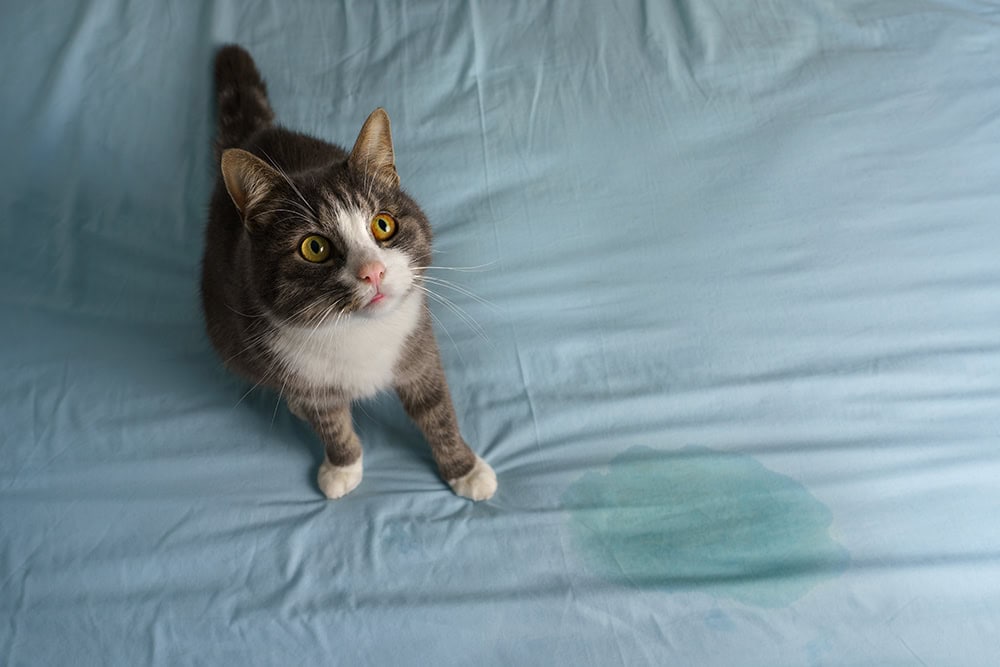
Medical Conditions
If your cat has begun avoiding the litter box and is eliminating elsewhere because of a suspected medical condition, it must be addressed immediately. Your veterinarian will formulate a treatment plan to improve your kitty’s condition. It’s probably not a good idea to make any big changes to their litter box regime until they are well again and can begin forming pleasant new litter box associations.
Urine Marking
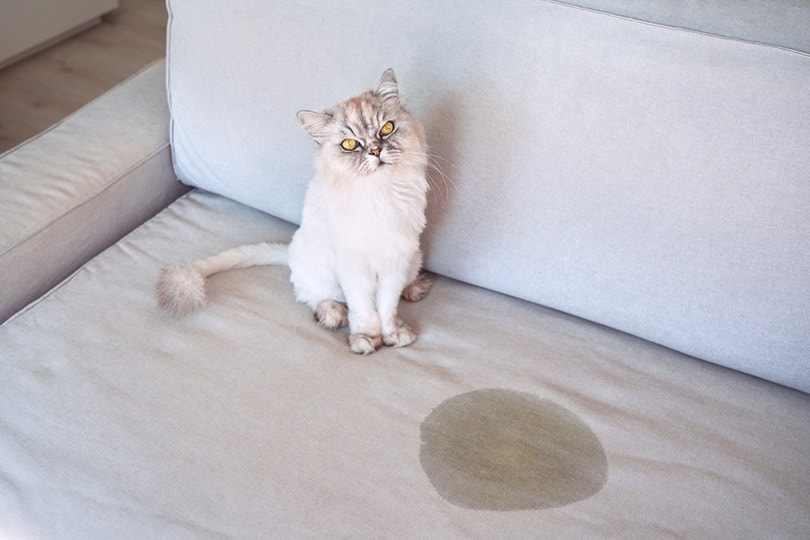
Urine marking is a territorial behavior that might be confused with improper litter box use. Urine marks are usually found on vertical surfaces such as the sofa, table legs, and walls. When a cat urine marks, they back up towards an object with an upright body. They then “spray” urine onto the surface with more force than normal urination. This is in contrast to urination, where cats usually squat with their tail extended and pool their urine on a horizontal surface.
Urine marking can be equally unpleasant, vexing, and difficult to remedy once it becomes established. A cat who is urine marking usually continues to use the litter box.
The 7 Simple Steps to Retrain Your Cat To Use Their Litter Box
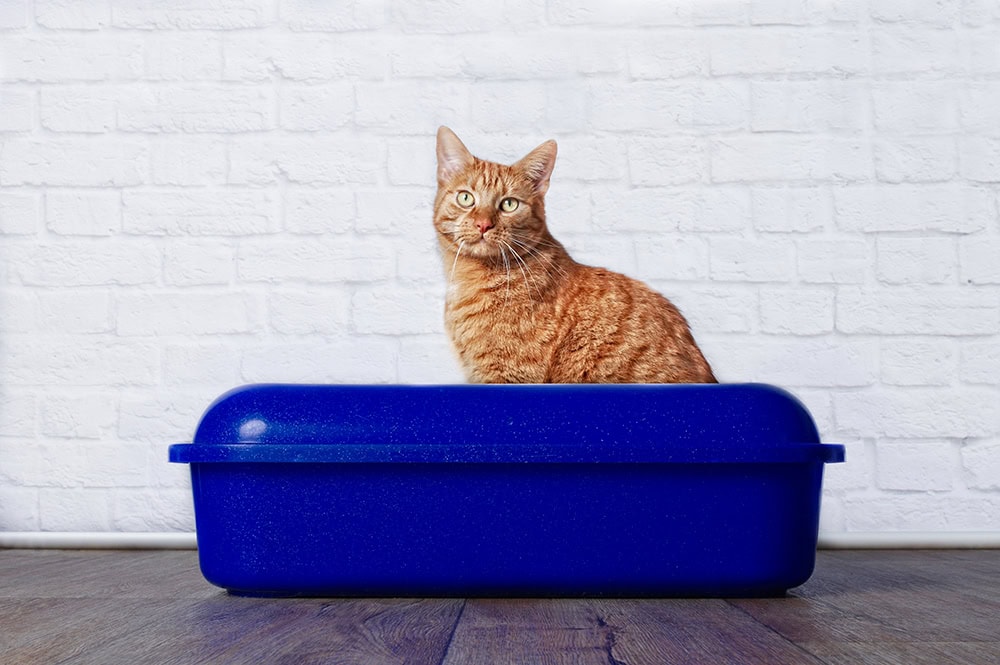
Here are some steps to retraining your kitty to use their litter box correctly. They aim to remove stress, encourage proper use, and form positive litter box associations.
1. Find The Right Spot for The Litter Box/es
Cats prefer to use litter boxes that have a bit of privacy. A spot slightly away from busy home thoroughfares and noisy appliances is a good start. Place the litter box far away from their food and water. Avoid tucking the litter box into a corner where the kitty may feel trapped and can’t observe or hear their environment. A spare bedroom or airy bathroom are good locations.
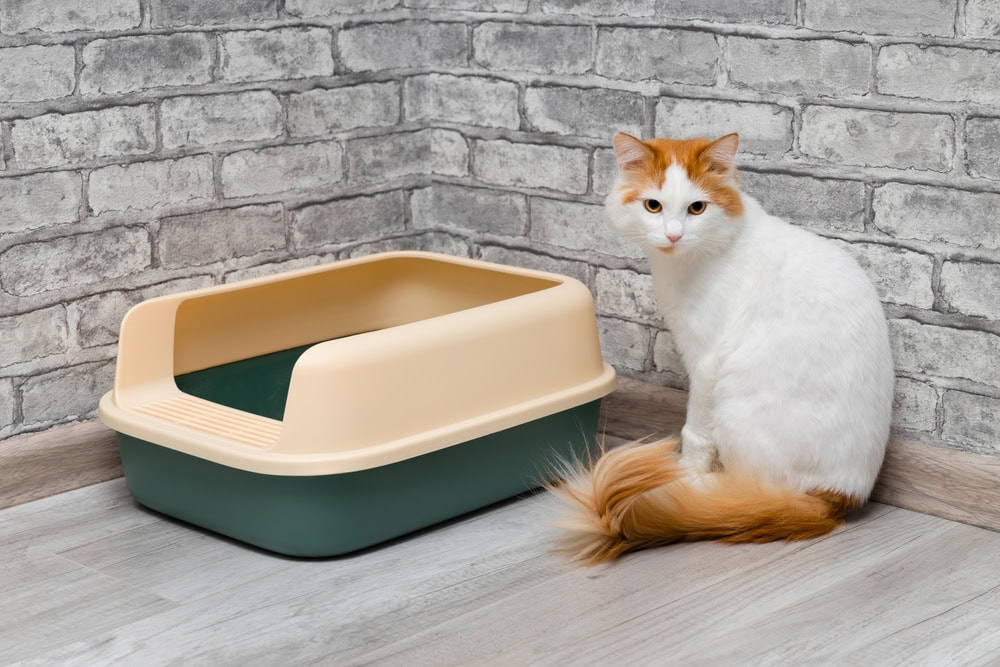
2. Choose The Best Litter
Some kitties are very particular about the kind of litter they like to use or the surface they prefer to do their business on. Most cats prefer a fine-textured clumping litter that is unscented. You may already have an idea of the kind of litter your cat likes, but the reality is that you might have to try out a few before you find one that she is happy with.
3. Make Sure There Are Enough Litter Boxes
The general rule when it comes to litter boxes is n+1. That means you should have one litter box per cat living in the home, plus one extra. If you have a large or multi-level house, you need to add another so that each floor has a litter box. Additionally, consider adding one or two extra if your cats are fighting over litter boxes.
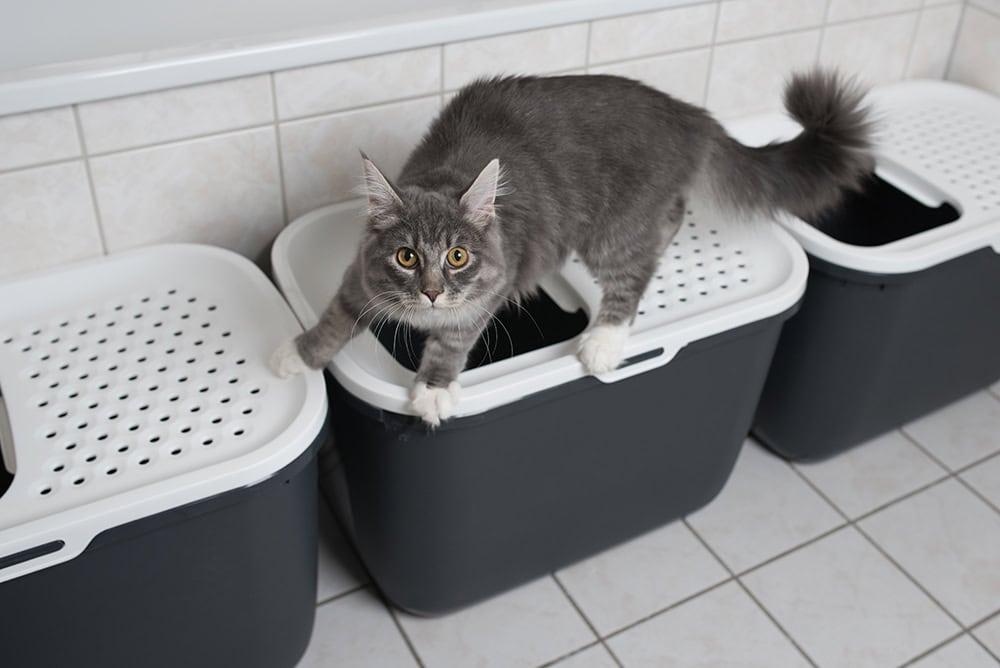
4. The Best Litter Box for Your Cat
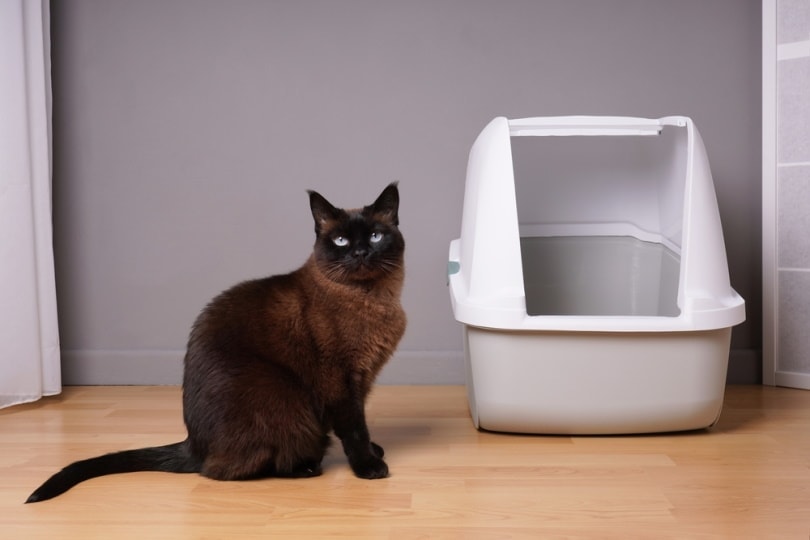
As well as having preferences due to their particular personality, some cats have physical limitations that govern the kind of litter box they require. A litter box should ideally be one and a half times bigger than the cat so that they can comfortably maneuver within it. A high-sided litter tray is great as it eliminates litter spray. Ensure there is a lower section for access, especially for geriatric or physically compromised kitties.
A huge variety of litter boxes is available, ranging from very basic to state-of-the-art self-cleaning models. You may have to experiment before finding one that suits your cat.
5. Keep It Clean
Scoop out waste at least once daily, even more often if possible. Wipe down the sides of the litter box if you notice any messes. Once a week, the litter should be replaced entirely, and the litter box should be washed with warm water and unscented soap or detergent. Alternatively, baking soda can be used to clean the box.
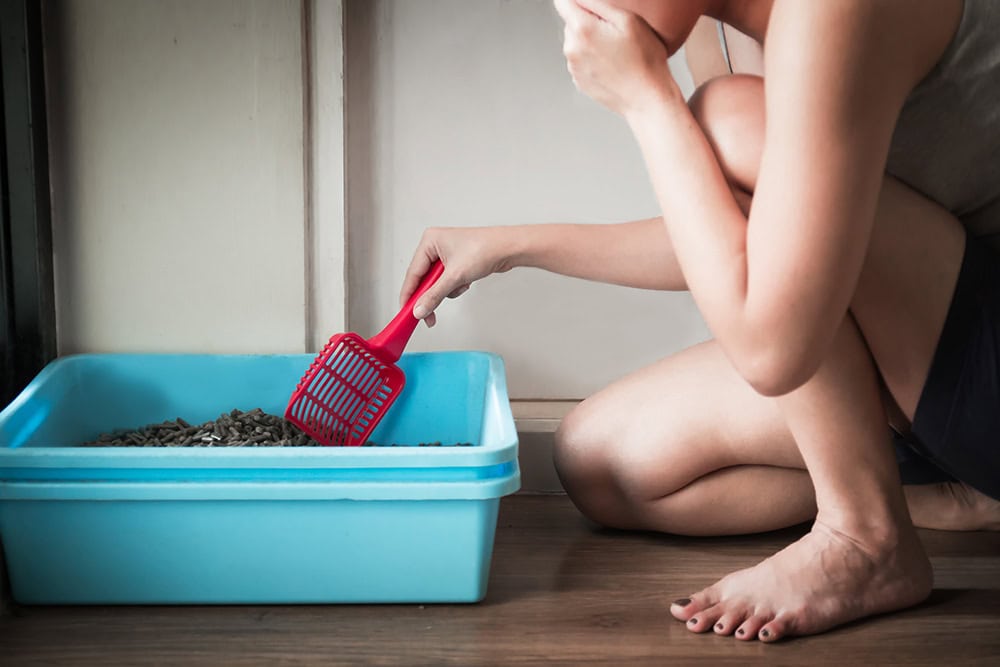
6. Thoroughly Clean And Sanitize Previously Soiled Areas
Make sure you thoroughly clean the places where your cat has previously soiled. Enzymatic cleaners are great at breaking down urine and stains and eliminating odors. They are safe, odorless, and environmentally friendly.
7. Discourage Inappropriate Elimination Events by Making Their Preferred Areas Unappealing
You can install a bright light in the area or a motion detection light that comes on when they enter the room. Make the ground surface unpleasant for them to walk on by covering it in tin foil or tacky tape. If necessary, you could rearrange furniture to make it impossible for them to access areas they favor to do their business.
Conclusion
It’s entirely possible to retrain a cat to start using their litter box properly again. The task may not be straightforward, but persistence and patience will help you achieve your goal. The best place to begin is by understanding why they stopped in the first place. With sympathy, consideration, and plenty of positive reinforcement, you can encourage them to use their litter box correctly again.
Depending on the root cause of their litter box distress, you may have to apply one or more of the previous steps before you experience success. Remember, you are not alone. Animal behavior specialists and veterinarians have plenty of experience in this area and will be happy to help if you reach out for expert advice.
Sources
Featured Image Credit: Lightspruch, Shutterstock
Get Hepper In Your Inbox


Pet care tips from our vets and experts, straight to your inbox.
You may opt-out at any time. View our Privacy Policy for more information.

Eleanor is a high school Math and Science teacher and freelance writer. She lives in the lush KwaZulu Natal Midlands of South Africa with her six-year-old son, horse, cat and three chickens. As an animal devotee, science graduate and life-long learner, she is overjoyed to be able to turn her passions into helpful articles for pet parents. Eleanor and her son love to explore their beautiful country in their spare time. Road-tripping to interesting camping destinations is a favorite pastime. They particularly enjoy relaxing near the ocean, in the mountains or surrounded by African wildlife.
Eleanor is a high school Math and Science teacher and freelance writer. She lives in the lush KwaZulu Natal Midlands of South Africa with her six-year-old son, horse, cat and three chickens. As an all-time animal devotee, science graduate and life-long learner, she is overjoyed to be able to turn her passions into informative and helpful articles. Eleanor and her son love to explore their beautiful country in their spare time. Road-tripping to interesting camping destinations is a favorite pastime. They particularly enjoy relaxing near the ocean, in the mountains or surrounded by African wildlife.
Join the conversation
Ask a question, share your story, or send private feedback.