Hepper is reader-supported. When you buy via links on our site, we may earn an affiliate commission at no cost to you. Learn more.
How to Introduce Your Cat to a New Litter Box: 6 Vet-Approved Tips


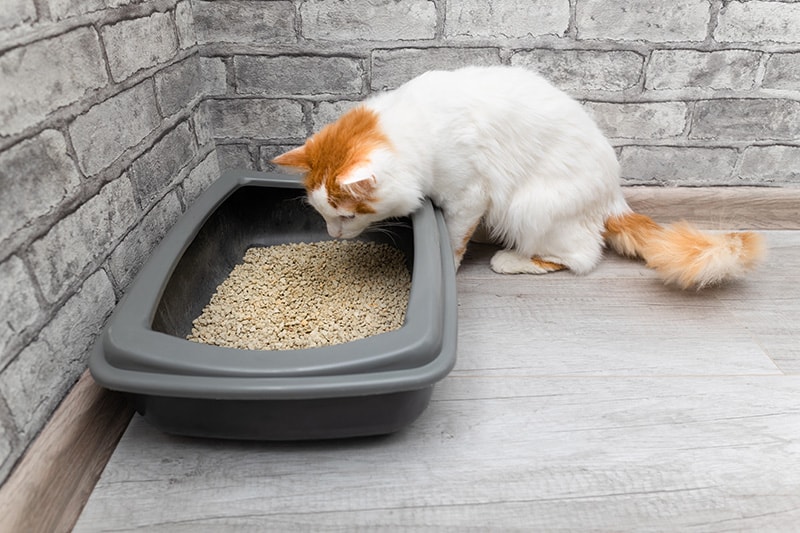
Cats generally aren’t fans of change, and many have particularly strong opinions about their litter boxes, from where they’re placed to the design of their bathroom facilities. It should come as no surprise that some just don’t find the process of switching litter boxes enjoyable.
However, if you want to replace your cat’s litter box because the current one has become smelly or because you’re interested in trying out a fancy new covered or self-cleaning model, here are a few steps you can take to help ease the transition.

The 6 Tips to Introduce Your Cat to a New Litter Box
1. Keep the Old Option for a While
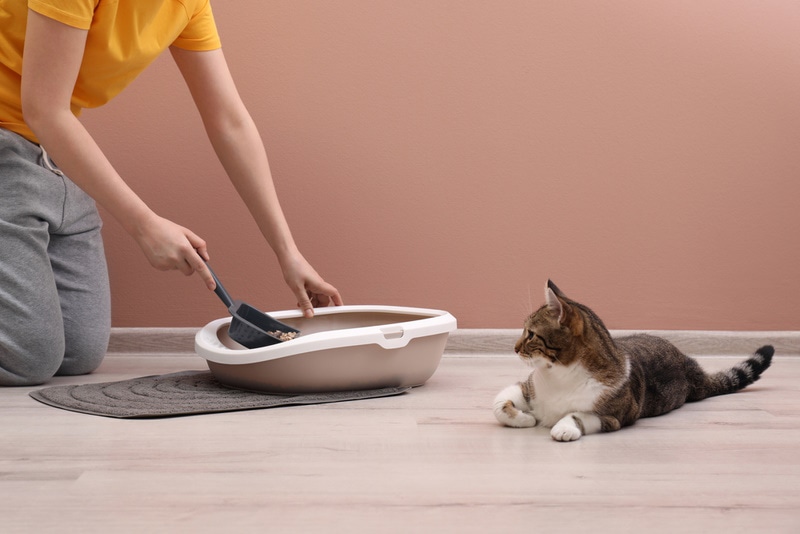
Plan to keep the old litter pan around for a bit, at least until your cat has made the transition and feels comfortable with their new bathroom. Cats need time to accept new items and become used to their presence.
Taking away the old litter box before your cat is ready can lead to inappropriate elimination in other areas. Leaving the old litter box out allows cats to move through the change on their own terms, which can often cause far less stress.
2. Stay Consistent
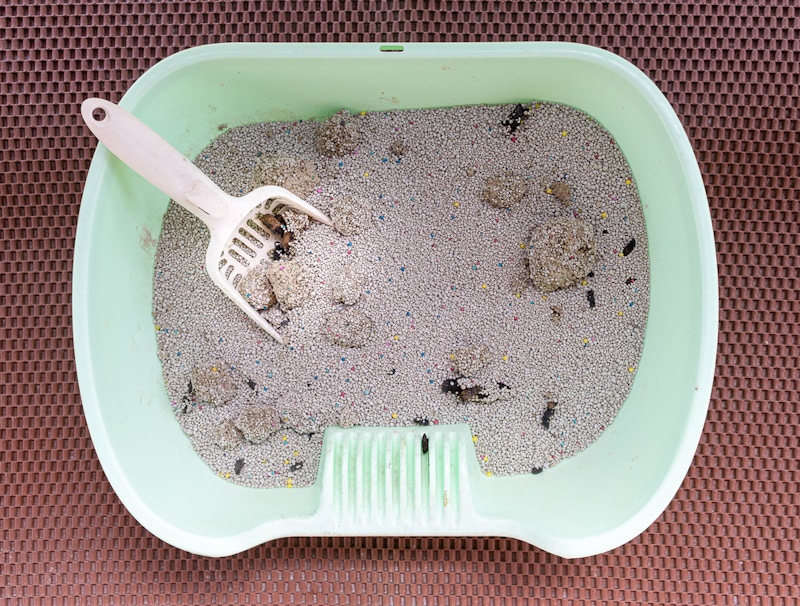
Put the new litter box in the same location as the old one to help your cat understand what the new contraption is for. If you’re interested in changing the location of your cat’s litter box, consider waiting until they’re happily using the new box to keep things as simple as possible and minimize the number of changes your cat needs to adjust to all at once.
3. Make the New Option Familiar
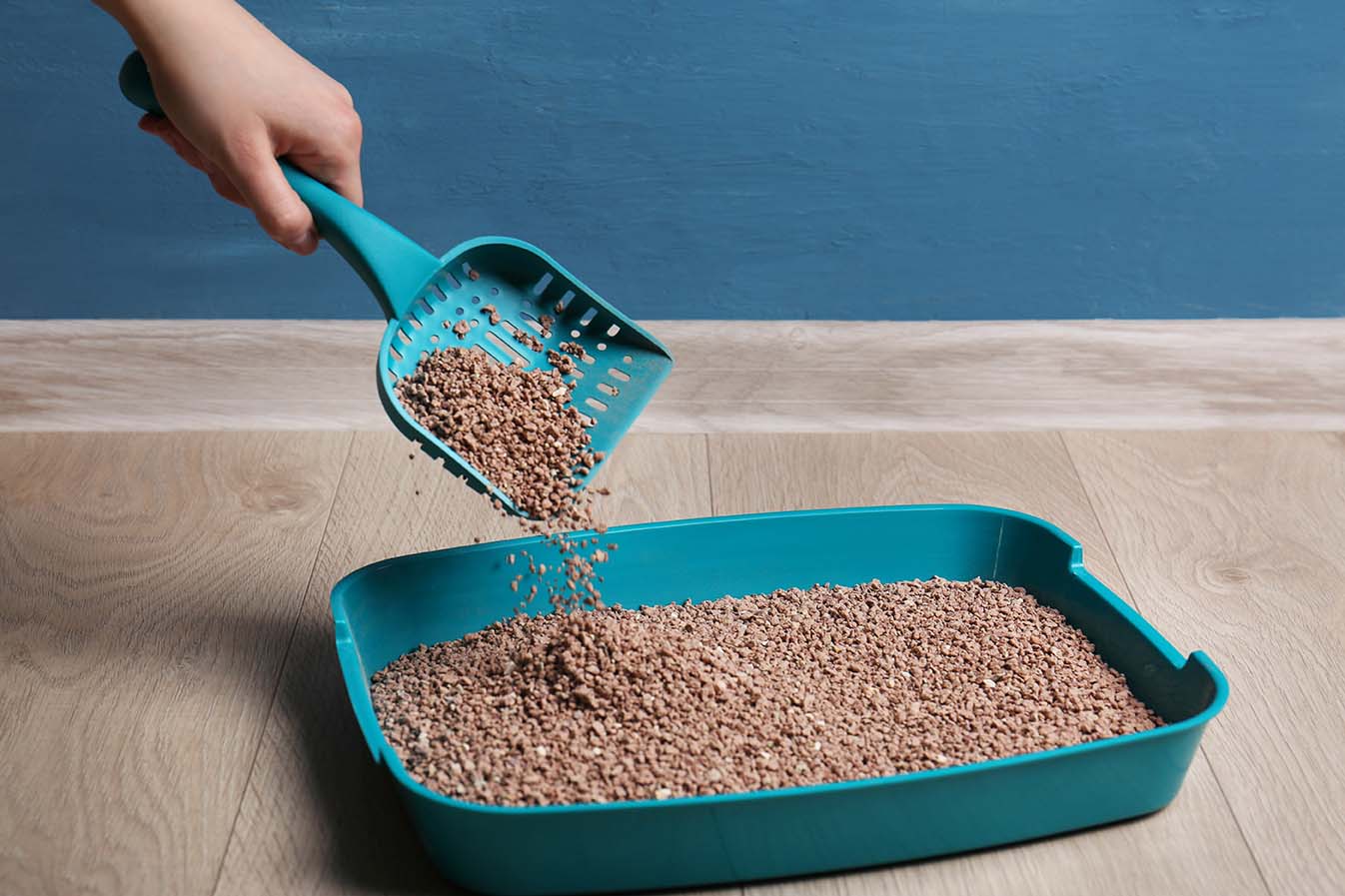
Fill the new litter box with your cat’s favorite litter, add a few scoops of used litter, and mix everything together. Cat urine contains pheromones, which cats use to mark their territory and tell others to stay away.
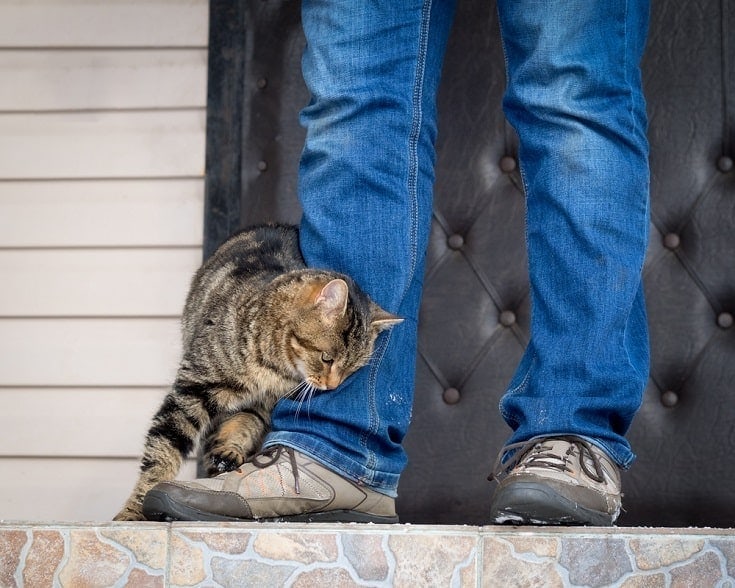
They also rely on pheromones deposited when scratching and kneading to create a warm sense of home. Transferring a bit of used litter to the new litter box can make the new box feel more comfortable and familiar to your cat; at the very least, they may be motivated to investigate their new bathroom a bit further out of curiosity.
4. Give Your Cat a Tour
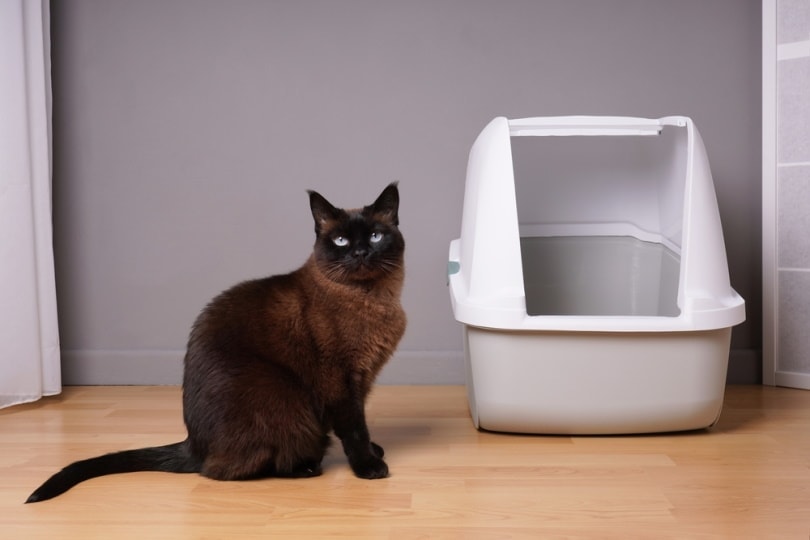
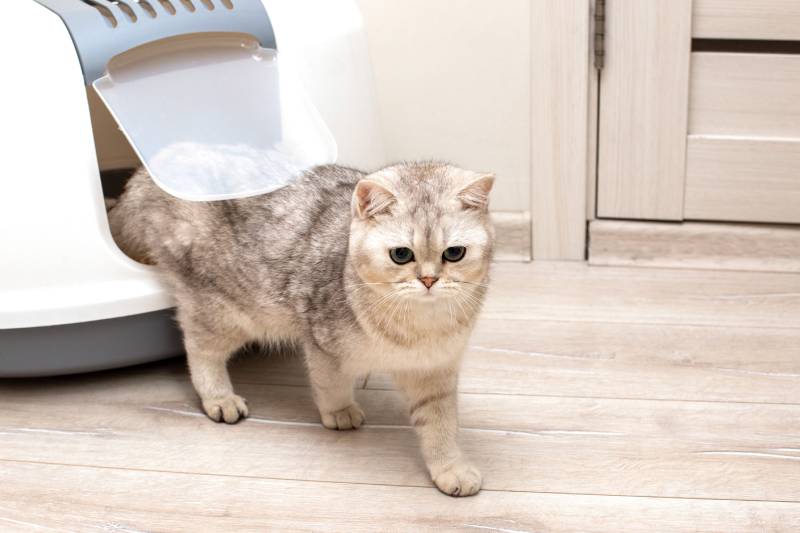
If the litter box you're switching to isn't different from the one you're using now, your cat may not have an issue adjusting. Cats moving from an open to a covered or top-entry model may need guidance to help them figure things out. Start by allowing them to use the open box uncovered, and once they're comfortable, you can add the top. Allow plenty of time for them to investigate the new product and consider showing them the features, such as the door, so they will know how to use it.
5. Go Easy on Cleaning the Old Litter Box
Altering feline behavior is about making unwanted options less fun and preferred choices more enticing. Cats may be convinced to use a new box when it’s cleaner than the old one.
Keep the new litter box squeaky clean, but try scooping the old box less frequently. Peeing in a fresh and clean litter box sometimes entices cats to accept the new container more easily.
6. Stay Positive
While most cats make the transition from one litter box to another just fine, it can take longer for others. Taking the process slowly and giving your cat time to get used to the new box helps ensure they stay happy and confident during the transition. Rewarding desirable behavior with treats and lots of love is the easiest and fastest way to elicit feline cooperation.
Frequently Asked Questions
How Long Does It Take to Transition From One Litter Box to Another?
The type of litter box you’re switching to can impact the difficulty of the transition. If you’re replacing your cat’s current litter box with a similar model, they should be able to make the change relatively quickly. Transitioning between boxes that have a design that’s vastly different may take more time and patience.
What About Switching Litter at the Same Time?
Because cats are such creatures of habit, it’s best not to introduce too many changes at once. Switching your cat’s litter and litter box at the same time may increase their stress and make the transition more difficult.
Environmental changes that become overwhelming can cause cats to become stressed, which can lead to behavior such as peeing in inappropriate places, grooming themselves to the point of baldness, isolating themselves, and eating less. Introducing one product and allowing your cat to adjust to it before adding new items to the mix is more likely to keep your cat happy and less stressed.
Where Should Litter Boxes Be Placed?
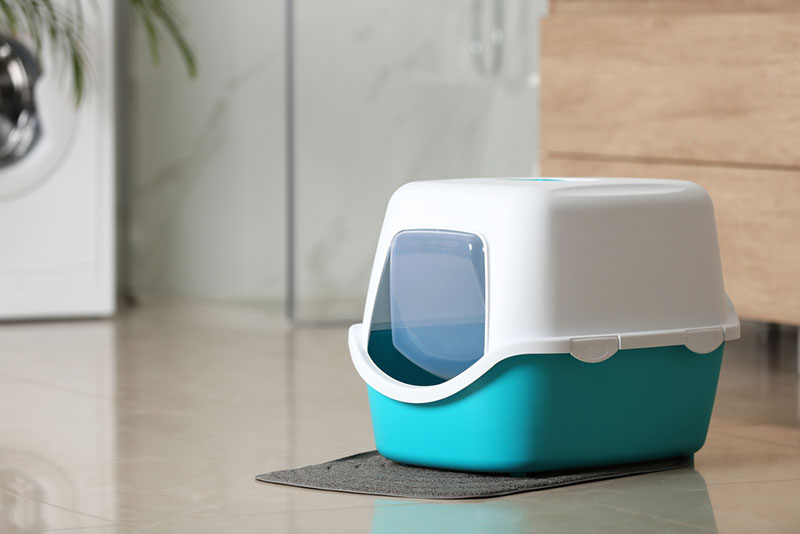
Cats generally prefer their litter boxes to be in quiet, private locations they can get to relatively quickly. Most don’t like their litter boxes too close to where they eat, so it’s ideal to put them in a different room from where their food and water bowls are kept. Cats with mobility issues benefit from having a litter box placed close to where they like to hang out so they don’t have too far to go to reach the bathroom.
Having boxes available on all levels of multi-level homes can make life much more comfortable for senior cats with achy joints.
How Many Litter Boxes Do Multi-Cat Homes Need?
The general guideline for multi-cat homes is to have one litter box per cat plus an extra for good measure. Having more than enough litter boxes available is critical when preventing or limiting resource competition, which can lead to conflict between cats.
Placing the litter boxes in different locations reduces the likelihood that one cat can prevent another from making it to the bathroom.

Conclusion
If you’ve decided it’s time for your cat to have a new litter box because the old one needs replacing or you’d like to try a different model, there are a few things you can do to ease the transition and increase the likelihood of your cat accepting the new model.
It’s best to keep the old box around at first to give your cat a chance to get accustomed to the new litter box. Then, place the new box in the same location as the old one and add a bit of litter from the old box to the new one to increase the new model’s familiarity.
Featured Image Credit: Oleg Opryshko, Shutterstock
Get Hepper In Your Inbox


Pet care tips from our vets and experts, straight to your inbox.
You may opt-out at any time. View our Privacy Policy for more information.
Lorre Luther a reformed lawyer from the United States, she moved to the Netherlands to follow her dream and become a writer. Currently living in Rotterdam, Lorre enjoys traveling and reveling in the astonishing beauty of our planet. As an animal lover, Lorre is convinced that cats are smarter than humans.
Join the conversation
Ask a question, share your story, or send private feedback.