Hepper is reader-supported. When you buy via links on our site, we may earn an affiliate commission at no cost to you. Learn more.
How to Litter Train a Ferret: 11 Steps to Follow

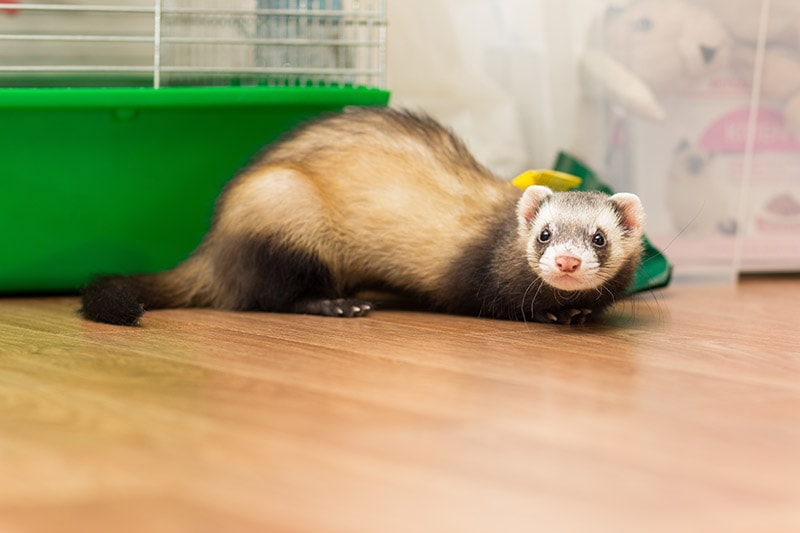
You might be pretty excited when you get a ferret and find out how easy they are to litter train! Like a cat, ferrets will go in their very own litter box, and you can simply scoop it out when it gets dirty. This is a great way to keep the cage clean and ensure they won't soil out of their living space.
Many folks even let their ferrets free-roam the house once they are fully trained. No matter your reason for wanting to litter train a ferret, here's how you can make it happen.

The 11 Steps to Litter Train a Ferret
1. Get the Right Supplies
To start litter training, you will need all the right supplies. This includes a litter box suitable for the area you want to place it in and the correct type of litter. You'll also need a scooper or other method of disposal.
This Marshall Ferret Litter Pan is a terrific option for a litter box for your ferrets. It has high sides to prevent messes, and it's very easy to clean. Many others like it exist on the market, so feel free to look for other options.
You can also buy ferret-specific litter options on sites like Chewy. Don’t forget the litter scoop. The SunGrow Wide & Deep Metal Scooper is easy to clean and heavy-duty.
2. Confine Your Ferret During Training
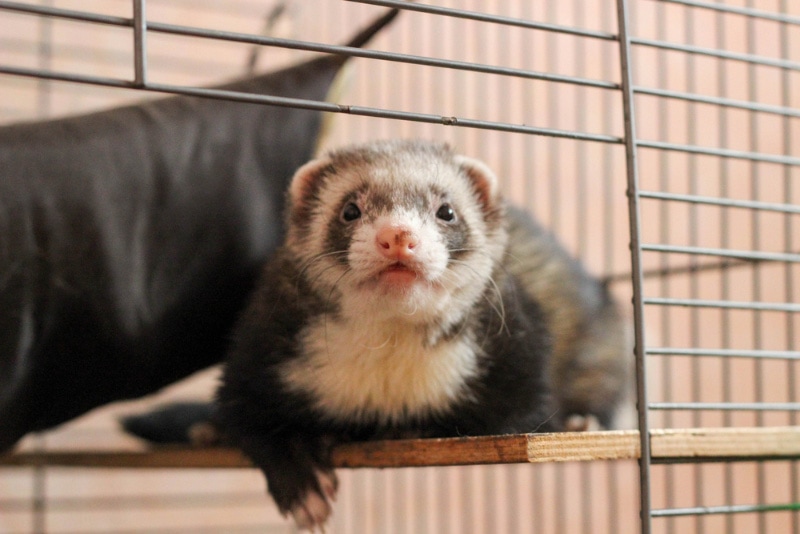
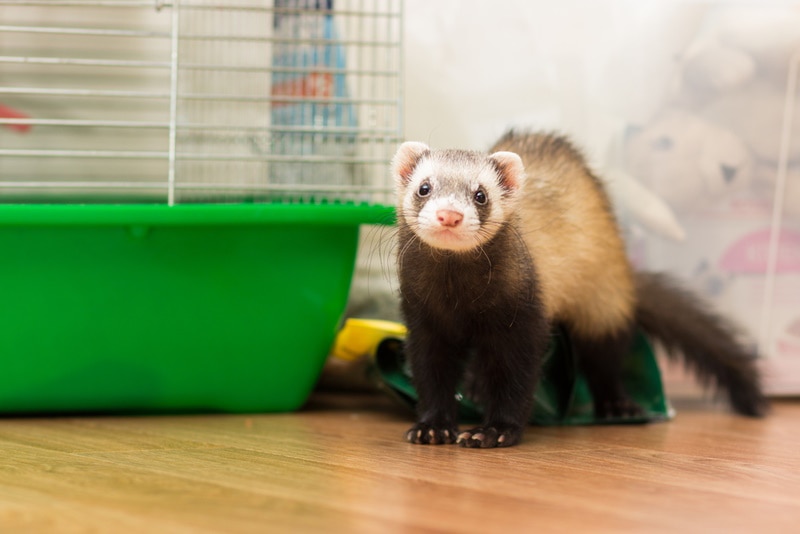
The confinement phase doesn’t have to last long, but it is certainly a good idea right up front. If your ferret is confined to their cage during the first few stages of training, they are less likely to have an accident. Plus, it makes it much easier for your ferret to find their potty spot.
Also, this allows you to see where your ferret prefers to go to the bathroom in the cage. Often, ferrets gravitate towards one corner of the cage. Once you see where they use the potty, you can place the litter box in that area to simplify the process.
3. Choose Your Training Method
Some people have different methods when it comes to training. If you watch online tutorials or look up tips online, you can get some pretty good ideas for setting up your training.
Keep in mind that every ferret will be different. Some will be more receptive to specific methods than others. Be prepared to try out a few things before you find something that works.
4. Get Them to the Litter Box Upon Waking Up
When you notice your ferret rising in the morning or after a long snooze, introduce them to their litter box. They typically have been holding it for a while and may find it very beneficial to have the bathroom available.

5. Use Positive Reinforcement
Your ferret will likely respond very well to positive reinforcement. You can praise them by giving them affection, showing them their favorite toy, or giving them a tasty treat.
6. Never Harshly Punish Your Ferret
Your ferret will never respond well to negative punishments. Do not consider yelling, smacking, or being rough with your ferret in moments of aggravation.
Scruffing, when done correctly, can be a good method of correcting your ferret. You should always grab hold of the scruff gently and remove your ferret to another location. This does not hurt the ferret, and as long as you are gentle, it does not come off as aggression.
You can use this method to place the ferret back into the cage if they've had an accident or try to use the bathroom on the floor. Keep in mind that scruffing is controversial and should be at the owner's discretion.
7. Use Vanilla Extract
Ferrets have a fantastic sense of smell. Often, folks trying to litter train their ferret might use heavily scented substances like vanilla extract to guide their ferret on where to go. For some reason, ferrets are particularly attracted to the smell of vanilla.
Put the vanilla on the corners of the litter box to attract your ferret to the area. This creates an easy way for them to find it—and their sniffer won’t lead them astray if vanilla is involved.

8. Offer Enough Spaces
You will need to offer enough litter boxes for your ferret to use. There needs to be more than just one, especially if they are allowed to free range. Offer a litter box in every room of the house where your ferret dwells.
In addition to offering additional litter boxes, you will always need to ensure that you're cleaning it regularly.
9. Gradually Increase Range
Once your ferret seems to be getting the hang of things, you can allow them access to more areas in the home. Start with a single room and then move up from there. That will allow you to ensure they’re getting the hang of it before you find accidents under furniture or in corners.
Soon, if you have enough litter boxes available, you will have a well-trained ferret you can trust in any room of the house.
10. Regress If Necessary
If you find your ferret is starting to have accidents again after you think they are mostly potty trained, it's time to start putting limitations back on them. Keep going even if you have to repeat the process.
Ferrets can have a mind of their own and can carry some specific behavioral complications. Remember to get a male ferret fixed before sexual maturity to prevent prolonged unwanted behaviors.
Generally, it would be best if you fixed your ferret by 1 year of age.
11. Find New Ways to Succeed
If your current methods have failed, don’t be upset! Just look for other more effective methods to utilize in the future from other ferret owners. Plus, feel free to consult your vet, as they may have helpful advice for your individual situation.

Final Thoughts
Keep in mind that litter training ferrets is a fairly easy task. Some can be more complicated or trickier to train than others, but with perseverance, you can typically convince them quite well. After all, ferrets are relatively clean animals that don't like soiling where they sleep.
Remember, if you're struggling, gather up some helpful tips and start another approach. Don’t be afraid to be bold and ask a professional for tips or guidance as well.
Related Reads: How to Take Care of a Ferret: 17 Expert Tips
Featured Image Credit: Fayzulin Serg, Shutterstock
Get Hepper In Your Inbox


Pet care tips from our vets and experts, straight to your inbox.
You may opt-out at any time. View our Privacy Policy for more information.
Ashley Bates, a freelance writer with a passion for pets, is currently studying animal therapy. She is a mother to four children and 23 pets, both furry and feathery. Ashley actively volunteers at local shelters, advocates for animal welfare, and rescues animals in distress. Her mission is to promote awareness, education, and entertainment about pets to help prevent animal homelessness. She specializes in the care and well-being of dogs and cats.
Join the conversation
Ask a question, share your story, or send private feedback.