Hepper is reader-supported. When you buy via links on our site, we may earn an affiliate commission at no cost to you. Learn more.
How to Potty Train a Boston Terrier (7 Simple Tips)
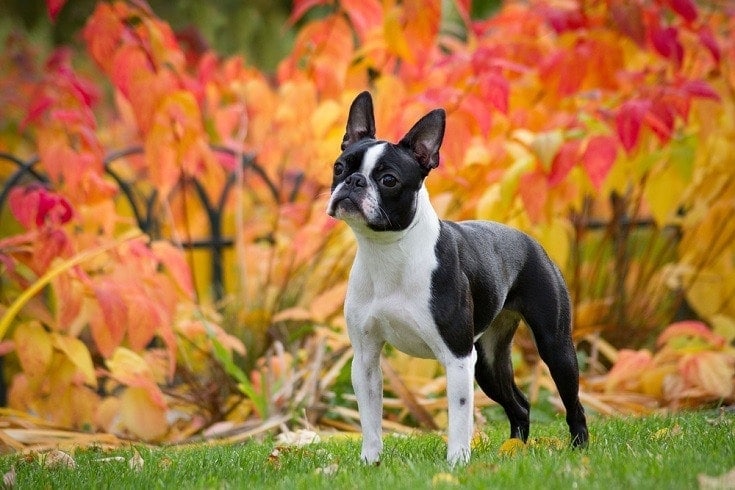
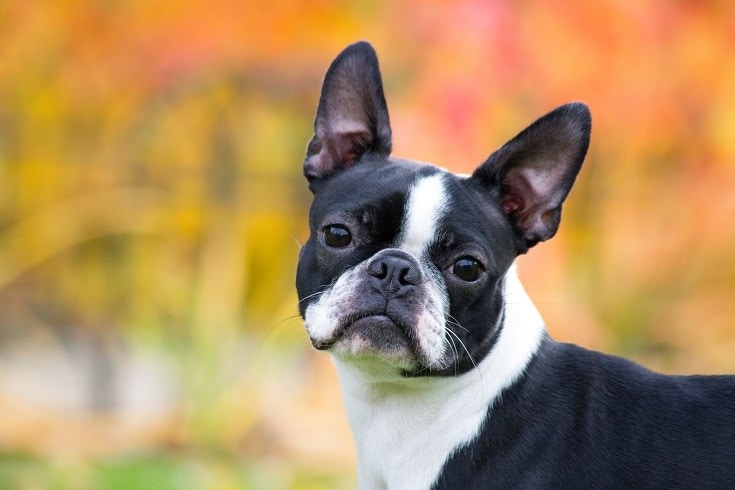
We could go on and on about how many wonderful aspects there are to sharing your life with a Boston Terrier. These goofy, charismatic dogs are not only full of personality but are cute as can be.
It’s important to start training your new Boston Terrier as soon as you bring them home and while potty training is never something dog lovers look forward to, it must be done, and the sooner you start, the better.
Thankfully, Boston Terriers are generally eager to please and respond well to training. They are often much easier to potty train than many other small, companion breeds. That being said, it will still take time, patience, and consistency to get the job done. Here are 7 tips to follow to help you in the process.

How to Potty Train a Boston Terrier
1. Start With Crate Training
Crate training is an essential part of potty training for your new dog and should be implemented at a young age. Veterinarians and professional trainers highly recommend crate training because it has many benefits for both you and your dog.
Dogs do not like to go to the bathroom where they sleep, especially when it’s their safe space. The crate is never meant to be used as punishment and should be introduced as a place your Boston Terrier goes for comfort and security.
You must provide an appropriately sized crate, meaning they have just enough room to stand up, turn around, and stretch out comfortably. A crate too large will give them enough space to settle down but also plenty of space to do their business.
Once your Boston Terrier is comfortable with their crate, it will not only help you in your house-training endeavors but will give you a safe place to keep them when they need to be left unsupervised.
If you need help with training your dog, we suggest speaking with a vet online.
2. Put Them on a Routine

Staying on a strict routine for feeding and potty breaks should be implemented as soon as you bring your Boston Terrier home. Offer meals on a consistent schedule each day then take them out to use the bathroom anywhere from 5 to 30 minutes after they eat or drink.
Puppies do not have the same bladder control as adult dogs and will not be able to hold it as well or as long. As a general rule, puppies only hold their bladder for approximately their age in months plus 1 hour. For example, a 3-month old puppy may be only able to hold their bladder for 4 hours. Always start each morning by letting your dog out, and take them out regularly after meals and drinking.
They will also need to be let out after playtime. And you should remember that while they are very young, you will need to set your alarm to get up and take them out during the night as well. Remember that the more consistent your schedule, the better success you will have.
Recommended Bathroom Schedule:
3. Limit Where They Can Go
When you first bring home a new dog, it’s an exciting time. Not only do you have a curious and energetic pup that’s ready to explore, but you are also ready to introduce your Boston Terrier to their new home and life.
It’s really important that during the potty-training process, you limit where your dog can go.
They should never be allowed to free-roam the home unsupervised, nor should they be given full access until you are farther along in their training.
Letting your Boston Terrier go wherever they please during house training can lead to accidents throughout the home or the dog getting into things they shouldn’t. You will want to have baby gates handy to keep them secure in designated areas. This allows you to supervise them and keep a close eye out for any signs that they are ready to go potty.
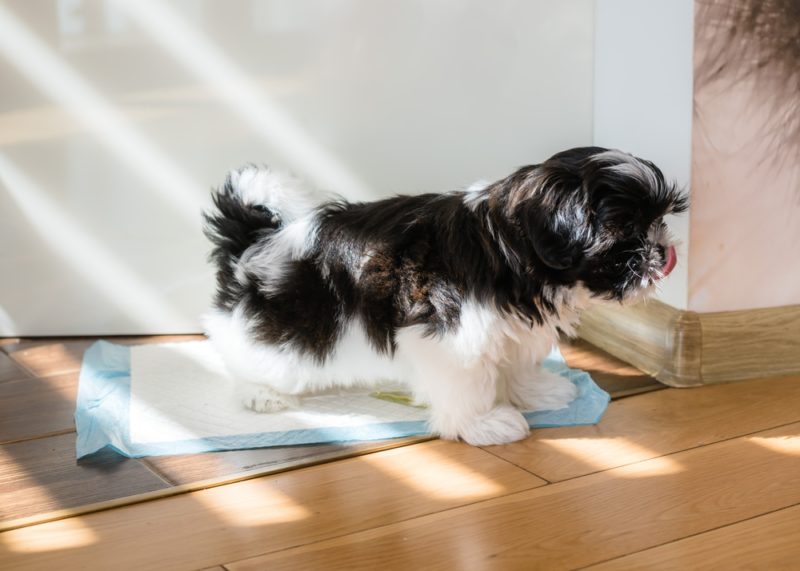
4. Use Puppy Pads

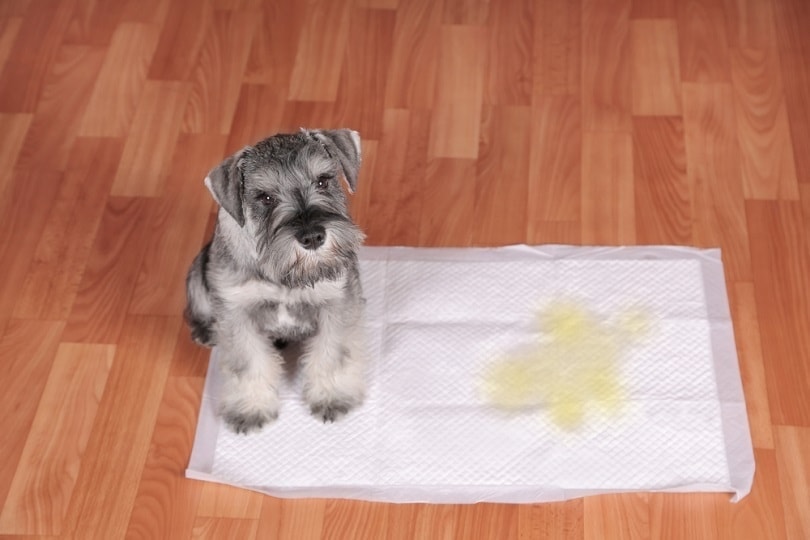
Puppy pads are a helpful tool during potty training and can help puppies pick up on what you are asking of them. Accidents are going to happen, especially during the first few months of your Boston Terrier’s life or even if they are an adult that had never been potty trained previously.
Puppy pads make clean-up very easy and prevent potential damage to the flooring or carpet. Start by encouraging your puppy to use the pad when they have to go potty, then use treat rewards or other positive reinforcement techniques when they are successful.
When they catch on to using the puppy pad, begin to move the pad closer and closer to the door they will need to use when they head outside. You will eventually graduate to moving the pads outdoors, then eventually removing them entirely once you have them using the bathroom outside.
5. Know the Signs
Dog owners need to be well aware of the body language and other signs their dog displays to understand them better. This is especially important during house training, as you will need to know what kind of signs indicate your Boston Terrier needs to use the bathroom.
Thankfully, the indicators are fairly easy to pick up on especially after you have observed your dog several times before they do their business. Keep an eye out for the following behaviors and take your dog out immediately if you notice them. It’s always better to be safe than sorry.
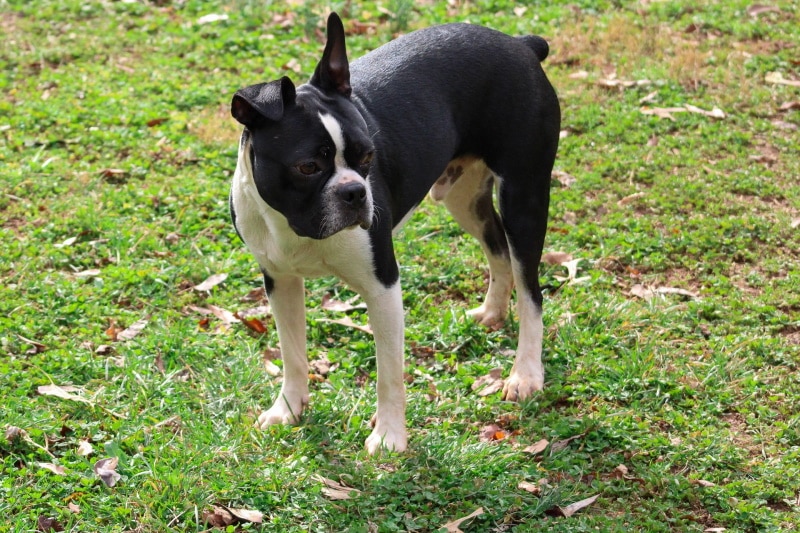
Signs Your Boston Terrier Needs to Potty
6. Use a Cue

When you begin training, you will use plenty of cues to communicate with your dog for them to understand what you need from them. You are already familiar with the basic commands such as “sit,” “stay,” and “heel,” but you will need to come up with a particular cue for going potty outside.
As you will with any other command, make sure to keep it short, simple, and easy to understand. Phrases like “let’s go out,” “outside,” or “let’s go potty” are all common cues taught during potty training.
You should use a lot of excitement and enthusiasm to get them excited to obey your command. Your Boston Terrier will feed off your energy and the more upbeat and positive you are, the better.
It may take some time for them to pick up certain cues, which is why you need to be consistent with the words and phrases you use throughout the training process. These cues will be used for the rest of their lives, even long after they’ve been potty trained.
7. Use Positive Reinforcement
The best way to ensure success during all types of training is by using reward-based positive reinforcement when your Boston Terrier completes a desired behavior. Get to know what your dog loves and what motivates them the most.
Treats are going to be the most common motivational tool, especially in the beginning. Keep some high-quality training treats handy and reward your good boy or girl whenever they go potty where you want.
In addition to a treat, you should also get really excited and give them lots of praise. This builds their confidence and makes them much more likely to repeat the behavior, so they get this desired outcome. If you don’t have any treats, you can use pieces of kibble, a toy, or lots of love and affection.

How Long Does It Take to Potty Train a Boston Terrier?
It can take up to 6 months or more to fully potty train any dog, so it’s important to keep in mind that this is a process that requires a lot of time, patience, and consistency. Even after several months, accidents may still happen.
Puppies won’t begin to get better control over their bladders until 12 to 16 weeks of age and smaller breeds may take even longer. The total length of time is largely dependent on the individual dog, how well you are sticking to the training schedule, and the types of training techniques you are using.
If you find yourself having trouble with potty training, never hesitate to reach out to your veterinarian or a professional dog trainer for some advice.

What to Keep on Hand During Potty Training
You want to be prepared from start to finish during potting training and having all the essentials on hand will make your life easier. Not only do you need to have all the training supplies, but you will also need to have cleaning supplies handy for those accidents that are bound to happen.
- Collar and leash
- Crate
- Paper towels or old rags
- Enzymatic cleaner
- Puppy pads
- Training treats
- Toys
- Carpet cleaning machine
- Mop

Conclusion
Boston Terriers are full of life, love, and playfulness. Thankfully, they are a breed that is often easy to train and responds much better to potty training than other small dog breeds. That being said, the potty-training process can take several months or more to perfect, so it’s important to follow the above tips closely and remain patient and consistent.
Don’t hesitate to ask for help if you are having issues potty training your dog, as both your veterinarian and professional dog trainers will be able to provide you with some extra advice based on their expertise and your individual dog.
Featured Image Credit: Eve Photography, Shutterstock
Get Hepper In Your Inbox


Pet care tips from our vets and experts, straight to your inbox.
You may opt-out at any time. View our Privacy Policy for more information.

Lindsay is a wife, mother, nature enthusiast, animal lover, and business major. She was born and raised in the United States and now lives in Tulsa, Oklahoma. She shares her home with a German Shepherd, several snakes, tarantulas, and a couple of rescue cats.
Lindsay and her husband enjoy traveling the US with their children and photographing wildlife. Lindsey is passionate about proper animal care and education around it!
Join the conversation
Ask a question, share your story, or send private feedback.