Hepper is reader-supported. When you buy via links on our site, we may earn an affiliate commission at no cost to you. Learn more.
How Long Does It Take to Potty Train a Dog? Vet-Approved Tips



In this article
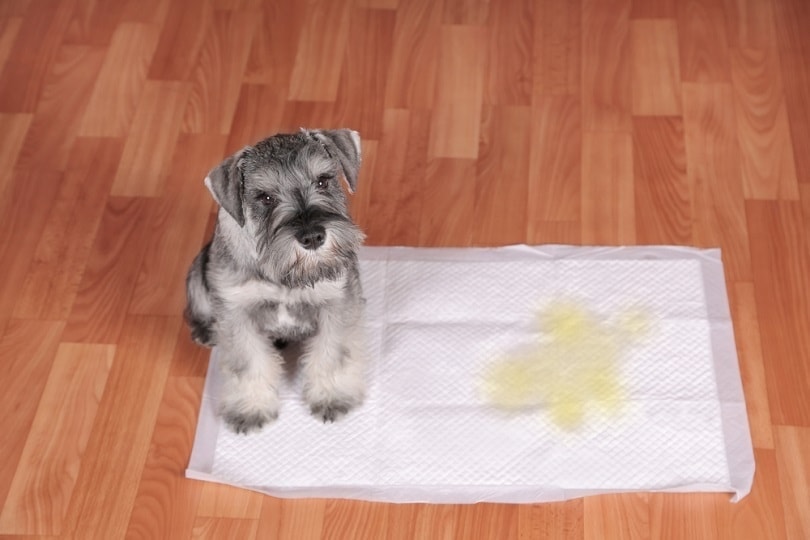
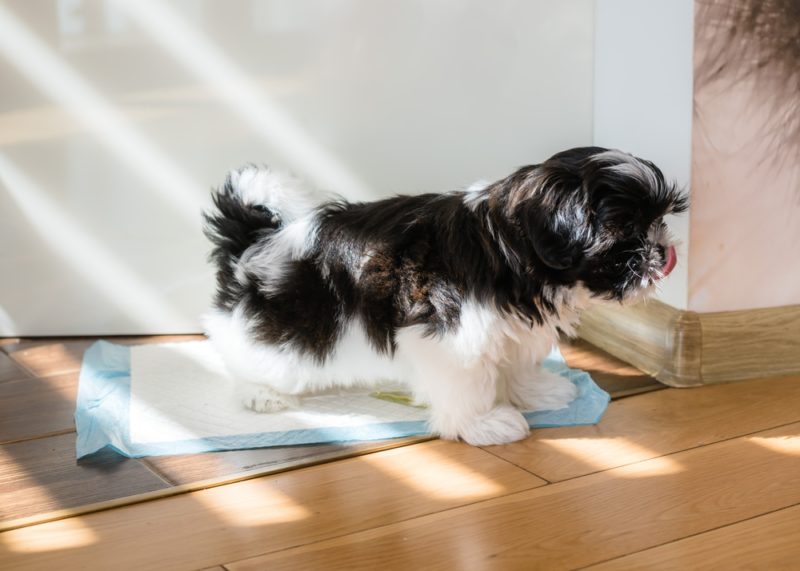
Potty training, or housetraining, your dog is an important training experience for your new puppy. It takes time, patience, and consistency, however.
Most puppies can be fully housetrained in four to six months, but some puppies may take up to a year. Smaller dogs, for example, have smaller bladders and higher metabolisms and may need to go outside more often. In addition, puppies that came from abusive or negligent homes may have more undesirable habits when it comes to housetraining.

When to Start Housetraining
Housetraining should begin when your puppy is between 12 weeks and 16 weeks. As your puppy ages, they will learn to control their bladder and bowel movements more effectively.
If your puppy is an older rescue or came from a facility where it was kept in a cage—where it also eliminated—housetraining may take longer. It’s important to be patient and considerate of your puppy’s previous living environment.

How to Housetrain a Puppy
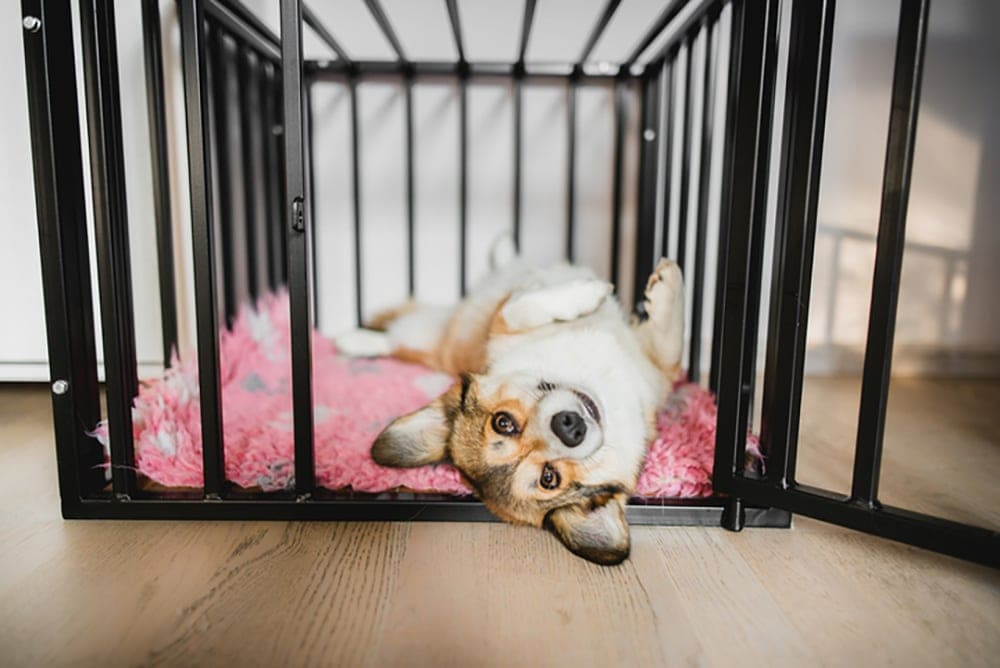
Your puppy should be confined to a small space, such as a crate, during housetraining. As your puppy learns to hold its bladder and bowel movements, it can have more freedom to move around the house.
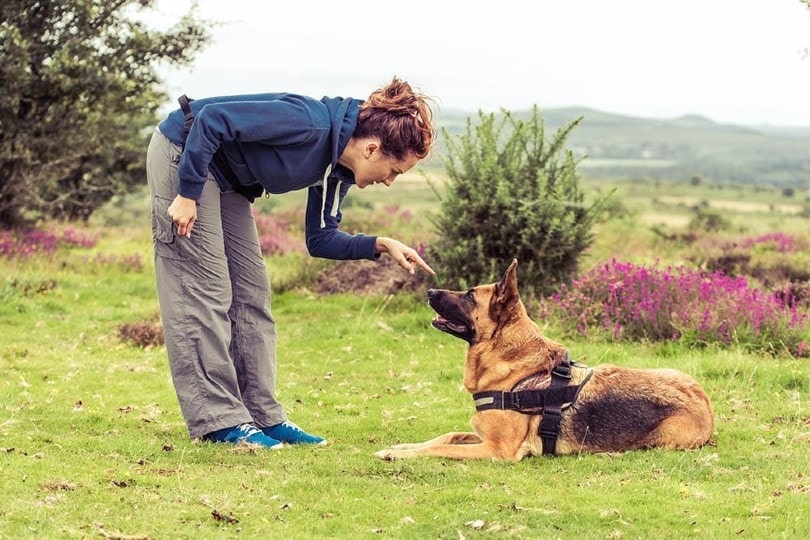
It’s best to begin with a routine schedule. Your puppy should go out first thing in the morning or when it wakes from a nap. Like humans, puppies tend to need to go out after sleeping. You should also take your puppy out before bed and before they’ll be alone for long periods.
Your puppy should be taken out after each feeding. Stick to a regular feeding schedule and avoid free-choice feeding, which can make it difficult to determine when your puppy ate and needs to go outside.
When you go outside, try to visit the same areas. The scent of previous elimination will encourage your puppy to go. When your puppy eliminates, reward it with praise or a treat.
As a general rule, puppies can hold it for as long as they are old. So, a puppy that’s three months old can hold its bladder and bowels for about three hours, a puppy that’s four months old can hold it for four hours, and so on.
If you need help with training your puppy, we suggest speaking to an online vet for tips and tricks.
Tips for Crate Training
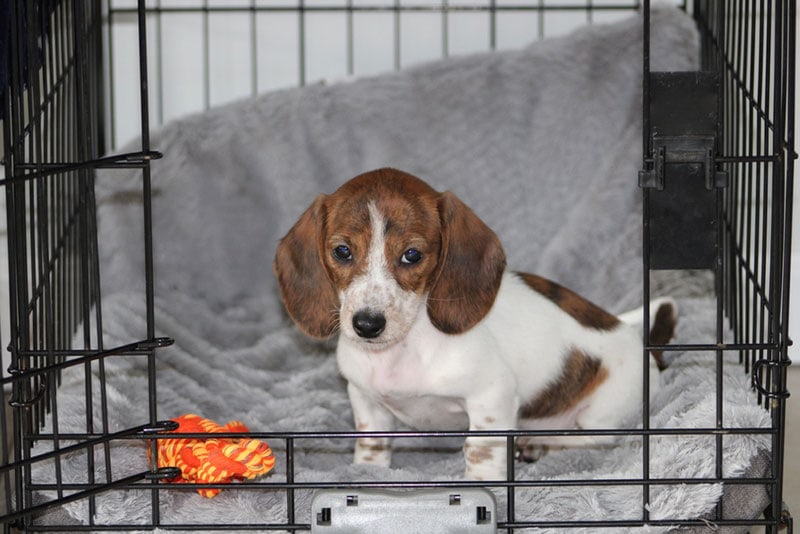
A crate is a helpful tool for housetraining. Though you may not want to leave your dog in a crate, it can be short-term until the training is complete. The crate not only keeps your puppy from causing trouble when you’re not looking, but if it does have an accident in the crate, it will learn to avoid “messing” in its sleeping area in the future.
Here are some tips for crate training:
- Make sure the crate is big enough for your puppy to turn around and lie down but not big enough to have an accident in one corner and move away from it.
- If you’re leaving your puppy in the crate overnight or for long periods during the day, be sure to provide fresh water.
- If you’re out of the house for work while housetraining, have someone come over to let your dog out to reinforce housetraining habits.
- Accidents will happen, but if your puppy is repeatedly eliminating in the crate, it could be an indication that the crate is too big, or the puppy was left to eliminate in a crate or cage at its previous home. If this is the case, housetraining using a crate may be more difficult.
Housetraining Setbacks
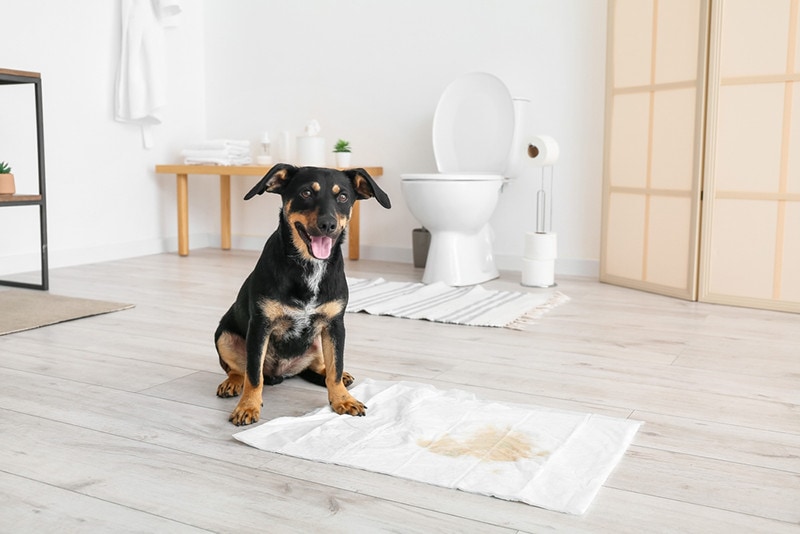
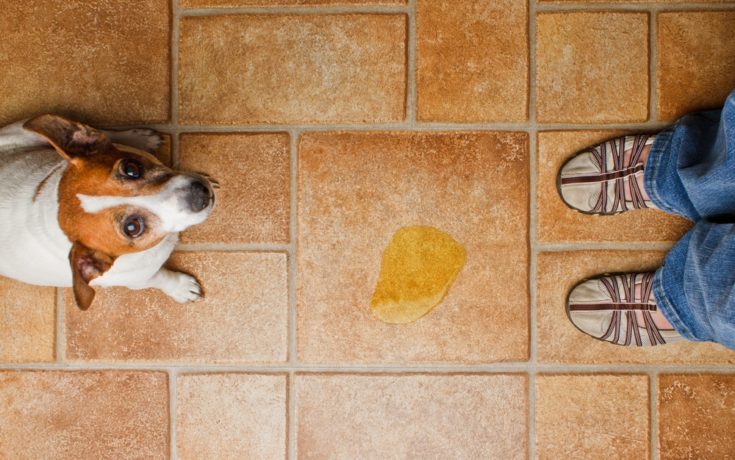
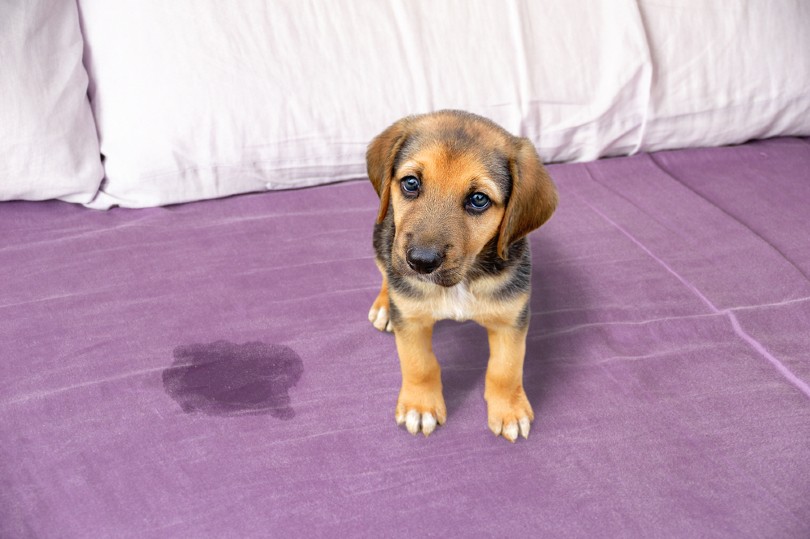
Accidents and setbacks in housetraining are common, especially when your puppy is younger. Here are some tips to remember when an accident happens:
Conclusion
Housetraining is one of the most important skills you can teach your puppy. Without it, life can get frustrating and messy! The process takes a while as your puppy grows and learns, but it’s worth the effort to have a dog that’s reliably housetrained.
Sources
Featured Image Credit: Waldemar Dabrowski,Shutterstock
Get Hepper In Your Inbox


Pet care tips from our vets and experts, straight to your inbox.
You may opt-out at any time. View our Privacy Policy for more information.
Nicole is a lover of animals of all sizes but is especially fascinated with the feline variety. She’s the proud mom of Baby, a Burmese, and works every day so he can relax in the sunshine or by the fire. She’s always had a cat in her home and has spent countless days with others, observing behaviors and softening up even the grouchiest of the lot. Nicole wants to share her kitty expertise with you so you and your cat can live happy, healthy, and care-free.
Join the conversation
Ask a question, share your story, or send private feedback.