Hepper is reader-supported. When you buy via links on our site, we may earn an affiliate commission at no cost to you. Learn more.
How to Train a Boston Terrier: 10 Useful Tips

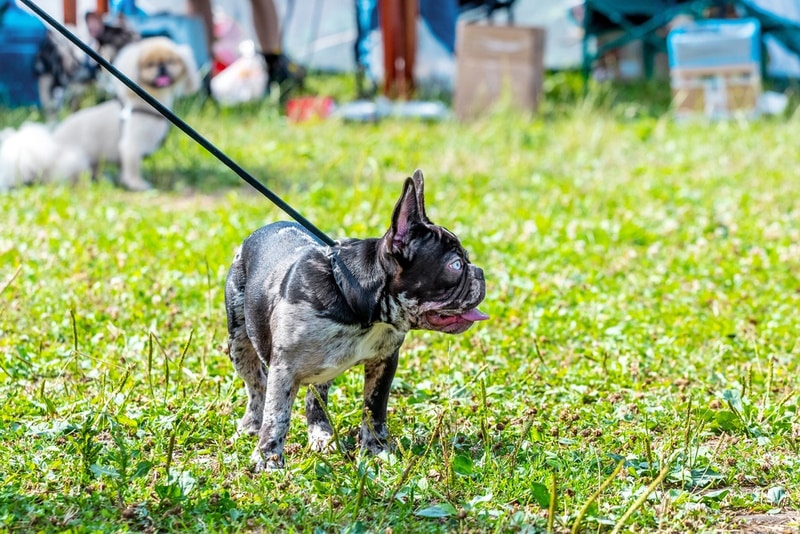
Boston Terriers are known to be entertaining and playful dogs. Their fun-loving energy can easily brighten up a room and bring a lot of much-appreciated laughter and joy to many families. These dogs make loving companion dogs and can even learn to live with other dogs and pets harmoniously.
While Boston Terriers can be easygoing, they do have a stubborn side and can be a bit willful as puppies. So, it’s important to start training as soon as possible to establish healthy rules and boundaries between dog and owner.
By understanding the nature and temperament of a Boston Terrier, you can form training sessions that are more effective and enjoyable for both you and your Boston Terrier. Here are some ways you can start training your Boston Terrier.

The 10 Tips to Train a Boston Terrier
1. Keep Training Sessions Fun and Playful
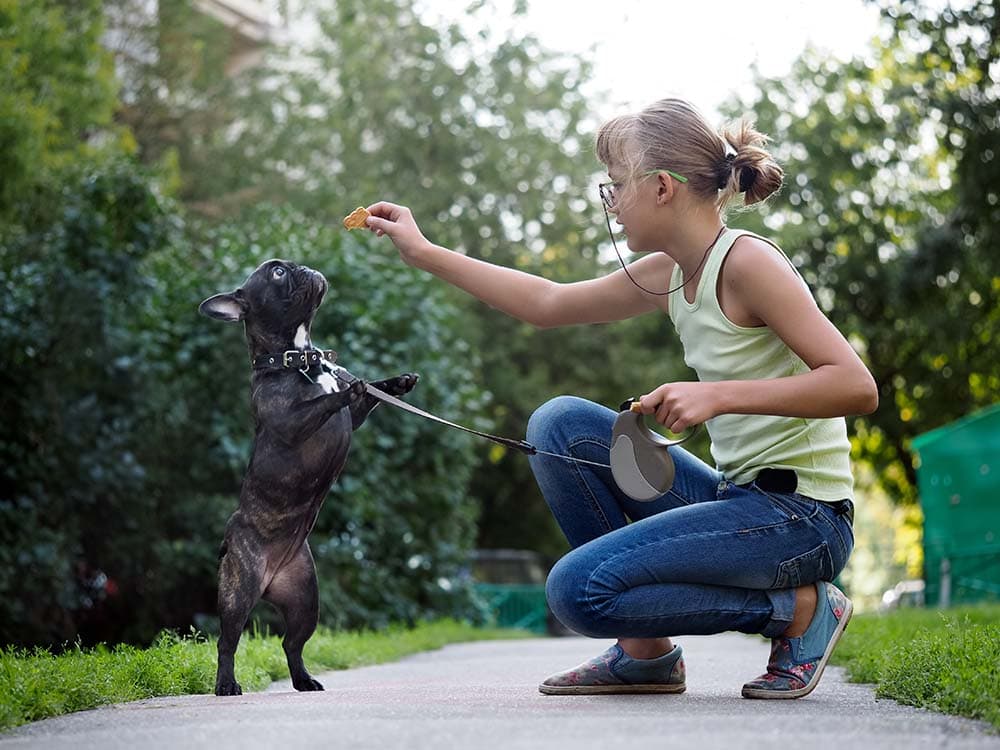
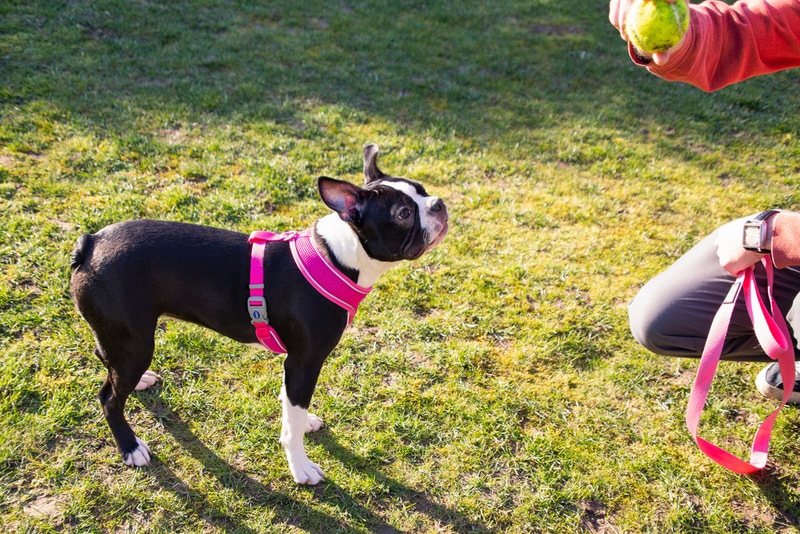
As a rule of thumb, if you’re not having fun, your Boston Terrier won’t be having fun, either. Most Boston Terriers love to play, so it often helps to treat training sessions like games. Use plenty of positive reinforcement and treats to keep your Boston Terrier interested and motivated.
It’s also helpful to include playtime after every training session. Over time, your Boston Terrier will understand that fun’s just around the corner, and playtime becomes the reward that follows training sessions.
2. Start Simple
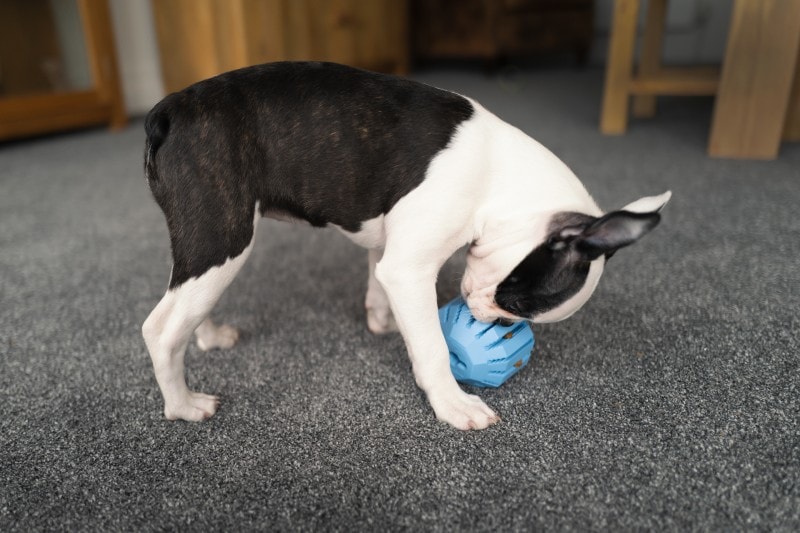
It’s important to establish the basics before moving on to more complex or fancy tricks. Simple and straightforward commands, like, “sit” and “down,” are excellent places to start. While some commands like, “stay,” may seem simple, they can be difficult for puppies because they delay gratification. So, try to start with commands that provide near-instant rewards and feedback.
Easy commands also help to build your puppy’s confidence and will make it more willing to participate in training. So, make sure to take your time in building a strong training foundation before moving on to more complex commands.
3. Incorporate Training into Daily Life
Your Boston Terrier puppy is constantly learning as it takes in information from its surroundings each day. So, you can easily teach your dog through your daily routine. Dogs are creatures of habit that love routines. Routines help them to anticipate what’s coming next and can reduce anxiety.
Some different ways you can incorporate training into your routine is by establishing rules for mealtimes and potty breaks. Each time your dog needs to go potty, you can just say, “Potty,” and your Boston Terrier will naturally learn that this word leads to going outside.
You can also teach your Boston Terrier to sit and wait for its food as you prepare its meal. Many dogs going through crate training can learn to become comfortable in their crate by always eating their meals inside the crate.

4. Find What Motivates Your Boston Terrier
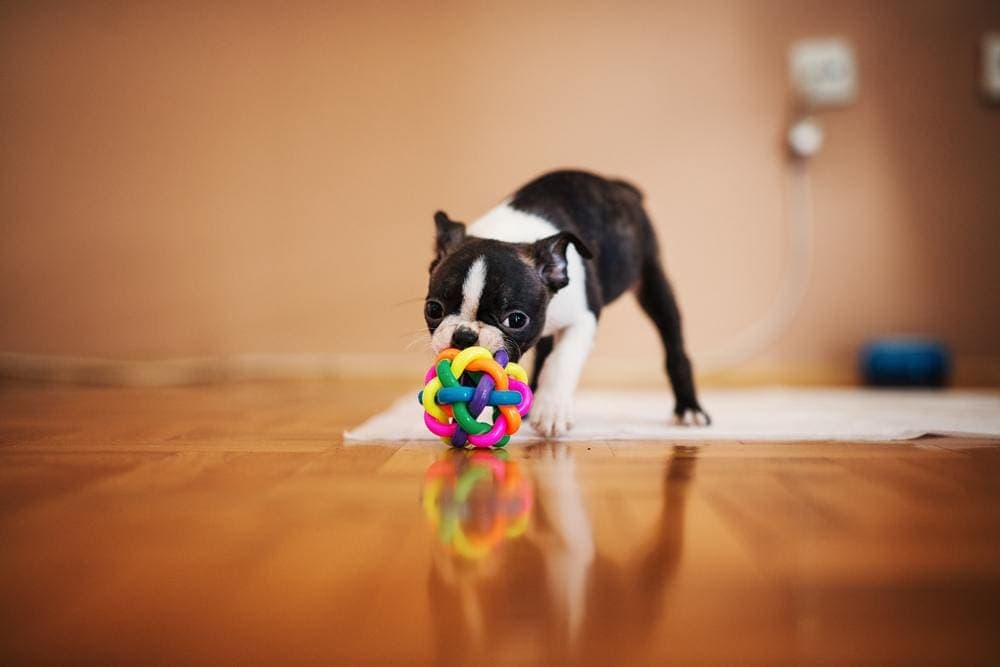
Most Boston Terriers respond well to praise and treats. However, not all dogs are food motivated. So, it’s important to understand what kinds of rewards are most motivating for your unique Boston Terrier. Some Boston Terriers may have a favorite toy or prefer certain treats over others.
Find out what your dog loves and use them as rewards every time it successfully obeys a command. You’ll find that your Boston Terrier will be more motivated and engaged if it has an interest in an incentive.
5. Keep Formal Training Sessions Short
Formal training sessions don’t have to exceed 10 minutes. 5 minutes of training can be both effective and manageable for playful Boston Terrier puppies. Just make sure to incorporate training frequently throughout the day so that your Boston Terrier has numerous opportunities to reinforce what it’s learning.
Also, don’t try to force your Boston Terrier to train if it’s not able to stay focused or interested. You can try to play with your Boston Terrier before training to expend some of its energy and help it to pay attention. If this doesn’t work, try a different time of day when your Boston is calm and alert.
6. Use Short Commands
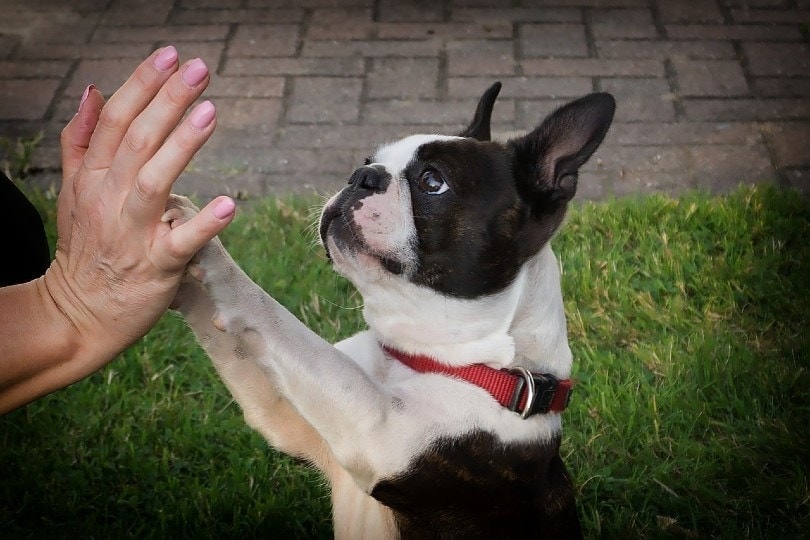
The average dog can learn up to 165 words, so your Boston Terrier is very capable of learning new commands. Start with using short and simple words and enunciate them clearly. So, instead of saying, “Sit down,” just say, “Sit.” This provides clear instructions for your Boston Terrier, and it can even eliminate confusion with the “down” command.
You can also give your dog context clues with your tone of voice. Keep your voice firm and assured so that it’s very clear that you’re giving a command to your Boston Terrier. However, never yell or direct frustration toward your dog, as this will only discourage it and lower its confidence.
7. Reward Good Behavior Outside of Training Sessions
Finding reasons to reward and praise your Boston Terrier is a great way to reinforce good behavior. So, if you see your Boston sitting or lying down calmly, you can give it praise by saying, “Good sit!” or “Good down!” and give it a treat or some pets.
Just make sure not to over excite your dog with your vocal tones or body language, as this can cause it to jump, bark, or react with other unwanted behaviors.
8. Practice in Different Places
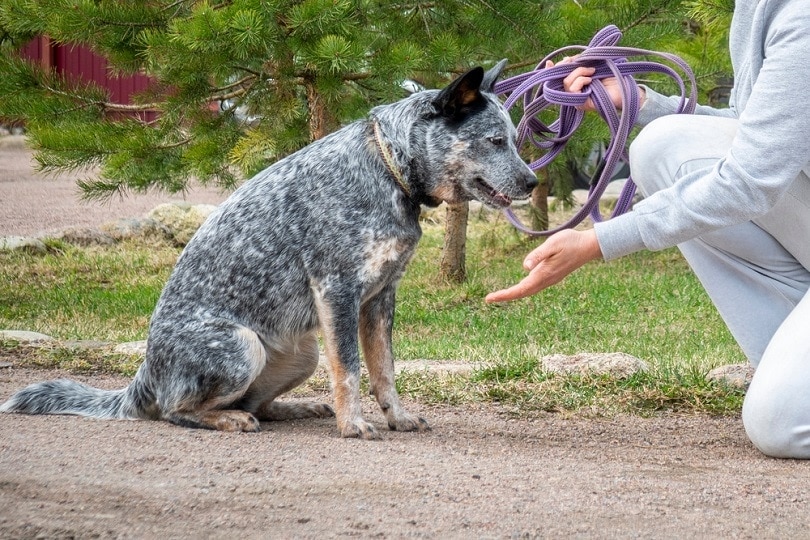
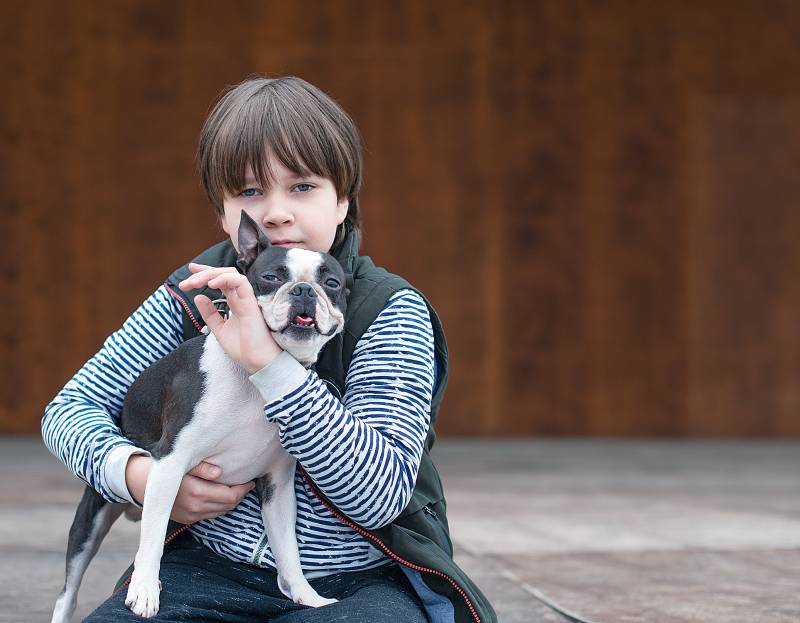
Dogs often react differently to the same command in different situations. So, it’s very common for them to respond correctly to commands at home. However, they may stare at you blankly or completely ignore you if you give the same command in a new environment, like a park.
It takes time for dogs to understand that the same command applies to different situations. Their brains are wired differently and aren’t able to generalize commands easily, so it takes extra effort to teach them that commands apply to all situations.
Dogs are also curious by nature, so new environments mean new sights, smells, and distractions. So, training them in different places can help them get acclimated to new surroundings and learn to stay focused on you.
9. Work with a Professional Dog Trainer
Dog trainers not only assist with obedience training, but they can also help you understand dog behavior and your Boston Terrier better. Reputable dog trainers with accreditations and training licenses can help you understand how your Boston Terrier is communicating with you and help improve your training methods to build better communication with your dog.
Professional dog trainers also often hold group classes, which is a great way to socialize your Boston Terrier and help it learn in a setting that has more distractions.
10. Be Patient
Patience and consistency are key. It’s completely fine—even recommended—to take a break and walk away if you ever feel frustrated or impatient. Dogs are sensitive to tone and body language and can sense when you’re unhappy. This can be discouraging for them and make them even more unwilling to participate in training sessions.
Your Boston Terrier puppy is learning to grow up and navigate its environment, so it’s important to be understanding and nurturing. It’s also learning to trust and build a bond with you. So, it’s only natural that it’ll take time to learn and consistently listen to commands.

Summary
When it comes to training a Boston Terrier, make sure to keep sessions fun, short, and simple. Always maintain your composure and pause sessions if you start to feel frustrated or impatient.
Training is a great way to learn to communicate with your Boston Terrier and strengthen the bond between you two. So, make sure to begin training right away and give your Boston Terrier a strong start. You’ll only become better friends for it and enjoy the many benefits that come with living with a dog.
Featured Image Credit: MVolodymyr, Shutterstock
Get Hepper In Your Inbox


Pet care tips from our vets and experts, straight to your inbox.
You may opt-out at any time. View our Privacy Policy for more information.
Jessica is a freelance writer who spends most of her day reading and writing while her fluffy Cavapoo, Nora, naps beside her. She loves and appreciates pets and animals because there’s so much to learn from them, and they do so much for people. As a dog mom, she understands the special relationship that pet parents have with their pets. So, she loves sharing helpful information that people can use to better understand their pets. When she’s not writing, you can find her walking dogs, tending to her plant babies, or drinking her nth cup of coffee.
Join the conversation
Ask a question, share your story, or send private feedback.