Hepper is reader-supported. When you buy via links on our site, we may earn an affiliate commission at no cost to you. Learn more.
How to Potty Train a Puppy: Vet-Approved Tips & Tricks


In this article
You got everything that you need, you did the research, and you’ve finally brought home your first puppy. But no matter how many times you take them outside, they’re still peeing and pooping in the house. Then, when you think that they finally understand where their potty spot is, you find a smelly present beside the couch.
Potty training is one of the hardest tasks that you face as a dog owner, especially when you’re new to training. It’s not an impossible task, even if it seems that way sometimes. The right approach can work wonders, and this step-by-step guide has expert tips and tricks for making your potty training as effective as possible.

Before You Start
For first-time dog owners, all the horror stories about potty training sound like an insurmountable task. We all have to start somewhere, though, and with the right technique, even a new dog owner can potty train their puppy. Here are a few tips to help you prepare.
1. Be Patient
House training is not easy, and sometimes, it can feel like you take three steps back for every step forward. As with all dog training sessions, though, patience is a virtue.
You will have accidents to clean up, but it’s important not to get angry or take your disappointment out on your dog. Stay calm, patient, and consistent, and follow these tips. Your pup will be house-trained before you know it.
If you need help with training your dog, we suggest speaking with a vet online.
2. Stock Up on Supplies
Whenever you’re training a dog, you’ll need plenty of supplies. A crate is optional, but you can’t skip out on the treats that your dog loves! In a pinch, you can get by with plenty of praise and a good scratch behind the ears, but food rewards will always be the easiest way to encourage a dog to repeat acceptable behavior.
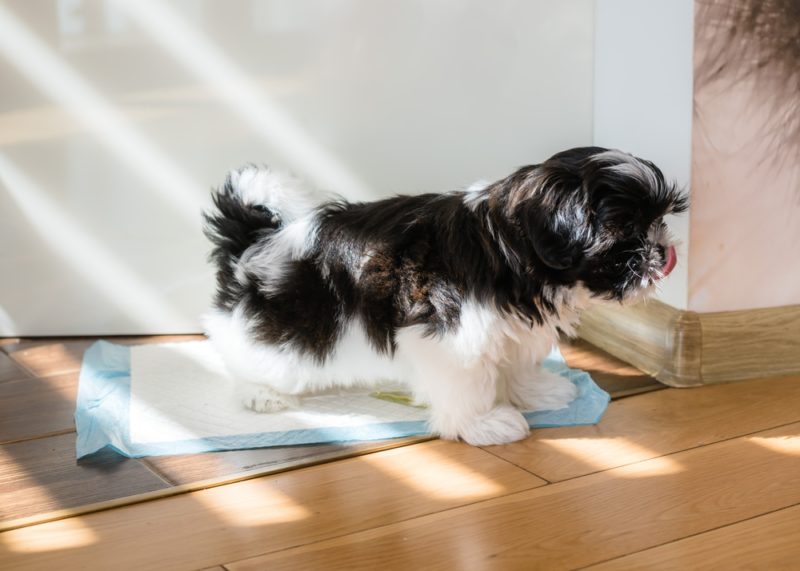
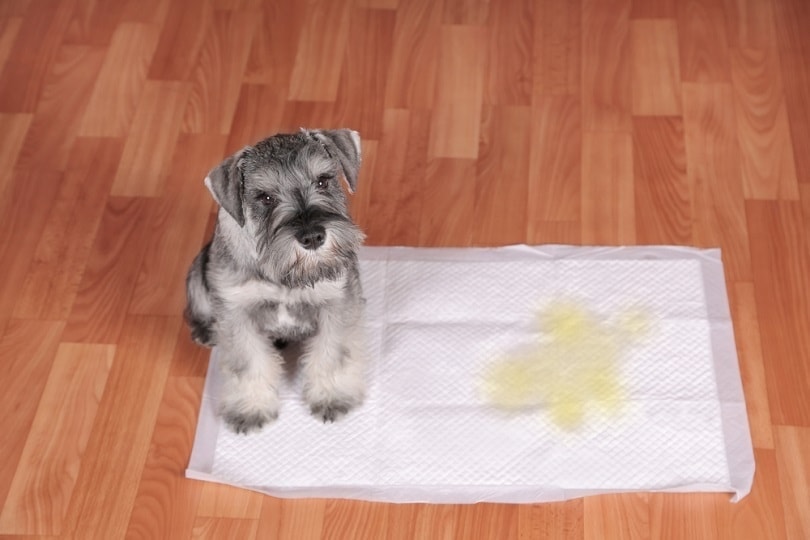
When it comes to potty training, you’ll need plenty of cleaning supplies on hand too. Enzymatic cleaners and paper towels are lifesavers. You should also consider whether puppy pads are something that you will need for those times when your puppy is home alone.
3. Use a Leash
It’s easy and convenient to let your dog loose in the yard whenever they need to go potty. While this might save you time, it can also hinder your training efforts. If you’re not nearby when your puppy relieves themselves, you can’t reward the behavior and encourage them to do it again.
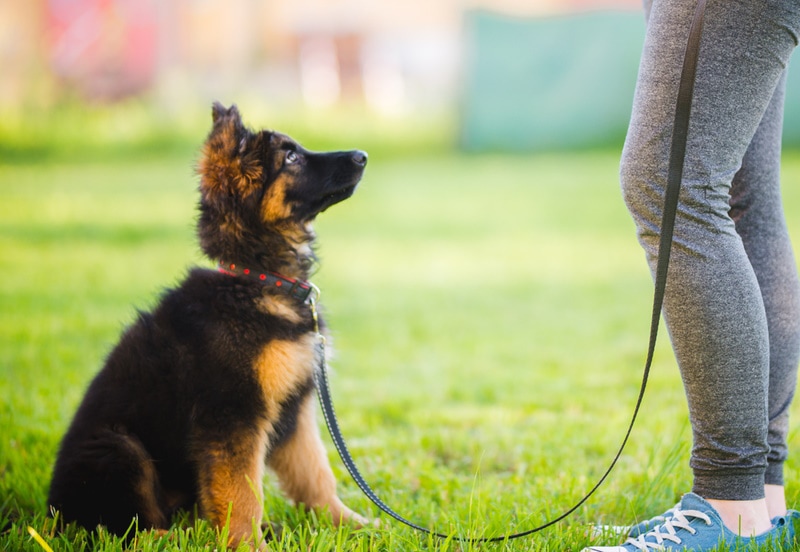
A leash will help here, especially for early training sessions. Keep your puppy close, guide them to the right potty spot, and give them plenty of praise when they get it right. If you’re in a safe, secure area, you can let them off the leash to explore once they’ve relieved themselves.


The 9 Tips on How to Potty Train a Puppy
1. Choose a Potty Spot
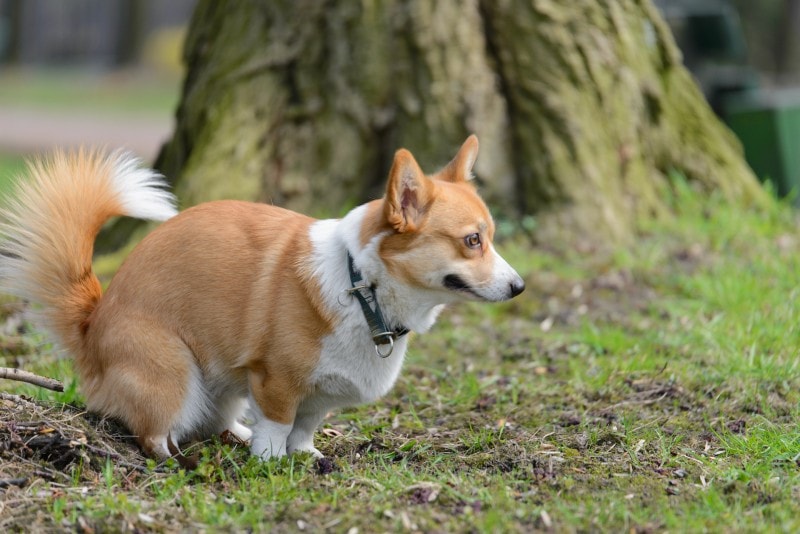
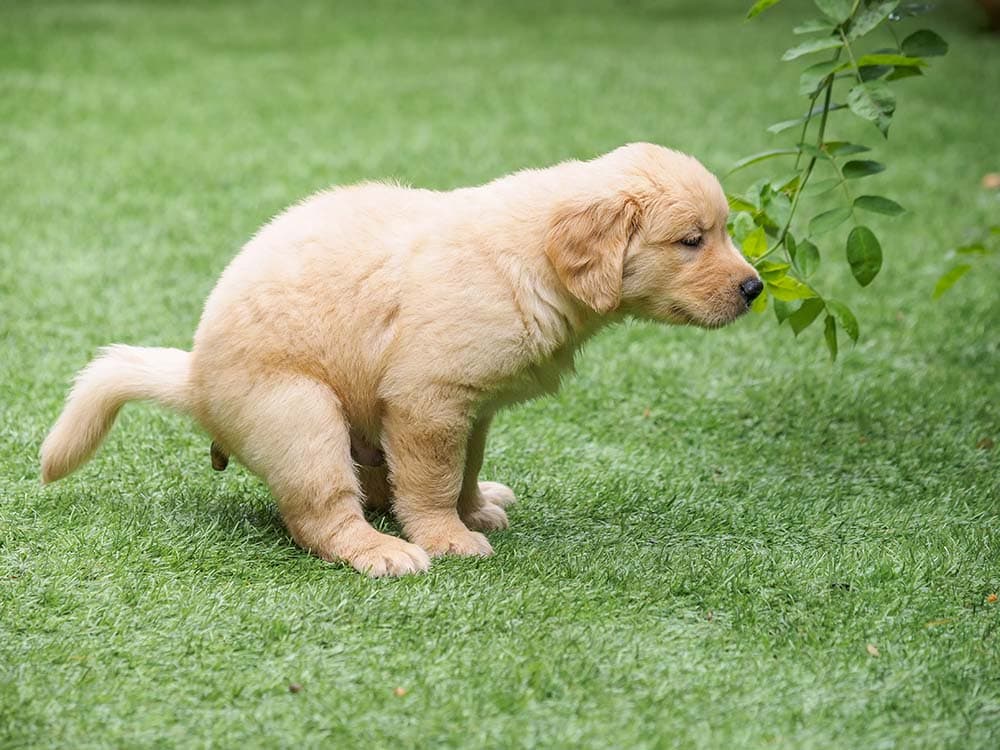
Dogs are naturally inclined to go to the bathroom anywhere that isn’t their sleeping or eating area, which means your house is fair game. To help your dog learn, you need to be consistent about where you ask them to relieve themselves.
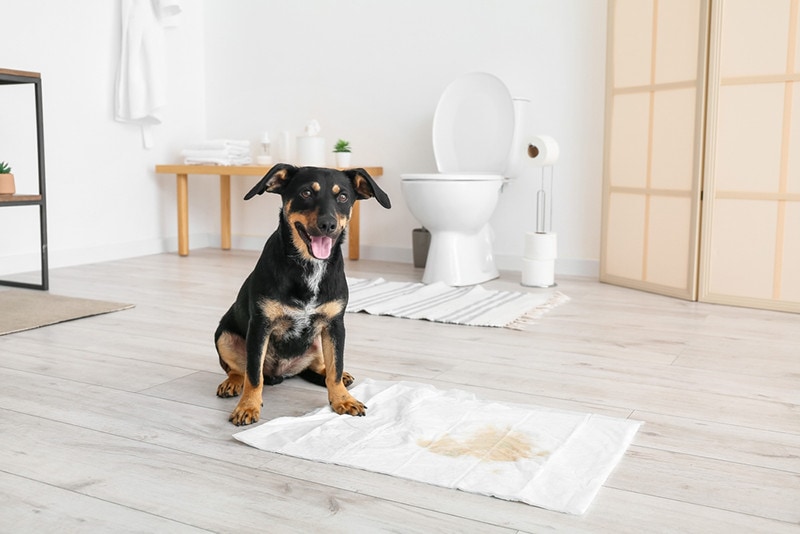
If you have a yard, choose a corner for them to use as their bathroom, and keep them in this area until they’ve relieved themselves. The same goes for puppy pads. Choose a quiet spot where you can lay them down. It should be an area that you won’t need for something else later. If you keep moving the potty area, you risk confusing your dog.
2. Build a Routine
Part of setting up your puppy for success means establishing a routine from the start. Puppies don’t have good bladder control until they’re older, which is one of the reasons that it takes so long to house-train them.
By establishing a routine and taking your puppy outside frequently throughout the day, you’ll be giving them plenty of opportunities to eliminate in the correct place. It can be tiring to take your puppy outside so often, but it’s worth it in the end.
Your puppy will need to go to their potty spot in the following situations:
Remember that all puppies are individuals. You should adjust the amount that you take them out depending on their age and whether they show any desire to go to the bathroom.

3. Introduce a Cue Word
Some pet parents find introducing a cue word to be a great way to encourage their puppy to go to the bathroom in the right spot. When your puppy relieves themselves outside, use a word like “potty” or “go,” so you can prompt them the next time that you take them outside.
With repetition, they’ll associate the cue word with relieving themselves and will understand what you’re expecting from them. Make sure the cue word is short and simple and doesn’t sound like another command that you’re teaching them.
4. Start Training Early
When you first bring home your puppy, it’s easy to put off training until they’re older. It’s easy to believe that they can’t possibly understand everything that you want to teach them. In reality, though, puppies are more intelligent than their age might lead you to believe.
Between 8 and 12 weeks is the best time to start potty training, even if you've only just brought home the pup. The younger they are, the less time they have to develop bad habits and the easier it’ll be to teach them what’s expected of them.
For the best results, start training the first day that you bring them home. Making a training plan before you get the puppy will help. You’ll be prepared and ready to jump straight into training, even if you’re a first-time dog owner.

5. Use Positive Reinforcement
Nobody likes cleaning up poop or a puddle of pee, but it’s not something to get angry about. Your puppy will make mistakes. Sometimes, they’ll have accidents when you’re certain that they’ve finally got it.
Never rub their nose in their urine or poop. This won’t teach them what they’ve done wrong; it’ll just damage their trust in you and could cause them to be wary of you or of going to the bathroom with you nearby.
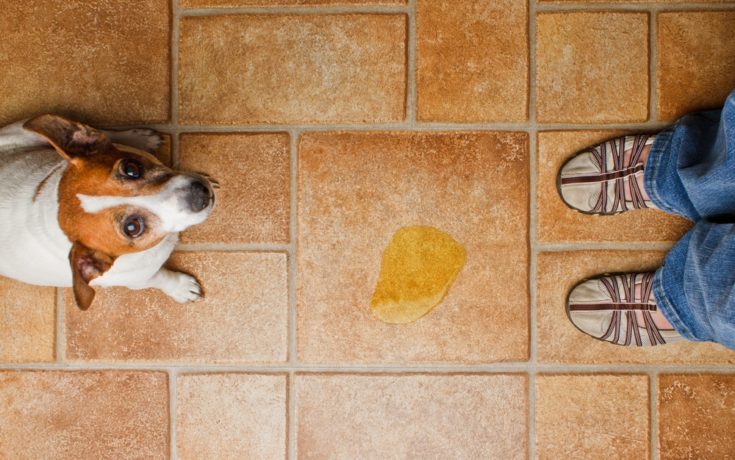
If you catch your puppy in the process of eliminating in your home, gently interrupt, and take them to their potty area. Once they’ve finished their business in the correct spot, reward them. For accidents that you don’t quite catch in time, don't make a fuss—just grab your supplies. Clean the area thoroughly to remove any lingering odors.
6. Supervise Your Puppy
Setting up your dog for success is always the best way to go about training them. For potty training, this means supervising your puppy until they understand where they’re supposed to go to the bathroom.
This is a great deal of work but isn’t always such a bad thing. After all, who doesn’t love having their puppy nearby all the time?
Use a playpen or limit your puppy to one room in the house, preferably the one that you spend the most time in, and keep an eye on them. It can be tiring to do so, but this way, you’ll be able to notice signs of discomfort when your puppy starts looking for a place to do their business. Then, you can immediately take them to their potty area and prevent an accident.

7. Try Crate Training
Even with all the will in the world, you can’t supervise your dog all the time. Crate training can help, and it’s also a good way to limit where your puppy can go when you first bring them home.
Rather than being “puppy jail,” a crate is intended to be a safe spot for your dog. It’s a comfy, sheltered den where they can retreat when they feel overwhelmed or want to sleep. Crates also work for potty training because dogs don’t like to soil their sleeping area.
Like most training tools, though, crate training can easily be misused. Never lock your puppy inside all day. They should only be crated when they can’t be supervised or when they’re sleeping.
The crate also needs to be a suitable size. Your dog needs enough space to stand up, lie down, and turn around to be comfortable, but there shouldn’t be so much room that they feel daunted by the unnecessary space.
8. Stay Consistent
No matter how old they are, dogs rely on consistency and routine. They won’t understand if you suddenly start changing things around. When you’re potty training, you need to choose a designated spot and stick to it.
Consistency also goes for when you praise your dog. Only reward them when they get it right. You might be tempted to pet them to reassure them that you’re not angry if you catch them eliminating in your house, but you need to resist the urge. By petting them after they’ve made a mistake, they’ll see it as a reward for eliminating in the house. It'll cause them confusion and increase the time that it takes you to teach them the right behavior.

9. Gradually Increase Your Puppy’s Freedom
You might be worried about limiting the space that your puppy can roam in when you first start potty training, but these restrictions don’t need to last forever. Once your puppy gains better bladder control and learns where they’re allowed to use the bathroom, you can start giving them more freedom.
You’ll still need to supervise them until you know that they won’t go to the bathroom where they shouldn’t, but you can slowly give them more space to explore.
Conclusion
Potty training is a necessary part of dog ownership, and it’s one thing that all pet owners struggle with. It’s not always easy, and you’ll face many setbacks and accidents during the process. But never give up, and always stay patient and consistent. With time, effort, and a stable routine, before you know it, your puppy will be asking to go outside whenever they need to use the bathroom.
See Also:
Featured Image Credit: Maximilian100, Shutterstock
Get Hepper In Your Inbox


Pet care tips from our vets and experts, straight to your inbox.
You may opt-out at any time. View our Privacy Policy for more information.
Nicole is a lover of animals of all sizes but is especially fascinated with the feline variety. She’s the proud mom of Baby, a Burmese, and works every day so he can relax in the sunshine or by the fire. She’s always had a cat in her home and has spent countless days with others, observing behaviors and softening up even the grouchiest of the lot. Nicole wants to share her kitty expertise with you so you and your cat can live happy, healthy, and care-free.
Join the conversation
Ask a question, share your story, or send private feedback.